







Quick Answer: Gen Z is dismantling STD stigma by choosing at-home testing for privacy, control, and emotional safety. Discreet kits offer fast, judgment-free results without clinic anxiety.
Not only is this about convenience, it's also about control.
Jasmine isn't by herself. For thousands of Gen Zers, especially teens and college students, going to a clinic still feels heavy. It's not just the potential cost or the wait time, it’s the embarrassment of asking for an STD test at a public health counter, or explaining a hookup history to someone in a white coat who might raise an eyebrow.
Gen Z grew up online, but that doesn’t mean they’re immune to shame. In fact, the information overload can be paralyzing. Between conflicting TikTok health advice, horror stories on Reddit, and memes that joke about STDs without context, it’s hard to know what’s real. That confusion, combined with fear of being seen or judged, keeps many young people from getting tested at all.
But the ability to swab, prick, or pee into a vial at home, with results in minutes or a few days, is more than a modern convenience. It’s emotional liberation. It's giving agency to those who’ve been too afraid to speak up, too anxious to go in, too ashamed to ask.
Stigma, Shame, and the Stories We Carry
Dre, 22, didn’t tell anyone when he tested positive for chlamydia. He used a rapid test kit he ordered after weeks of painful urination and paranoia, afraid his roommates might see the packaging. When the results came back positive, he cried, not because of the diagnosis, but because he could finally stop wondering.
“I kept Googling symptoms for hours every night,” he later posted in a support forum. “I just needed to know. I was so scared of being ‘that guy.’ The kit let me find out without feeling like I was doing something wrong.”
Stigma doesn’t always come from others. For Gen Z, the shame is often internalized. Despite growing up with more sex education, LGBTQ+ representation, and mental health discourse than previous generations, they still inherit the weight of cultural silence around STDs. Being open about sexuality doesn’t automatically translate to being confident about infection risk.
That’s why anonymous testing is such a powerful disruptor, it breaks the link between care and confession. You don’t have to perform vulnerability for a stranger to take care of your health. You don’t have to “deserve” testing to get it. You can just… test.
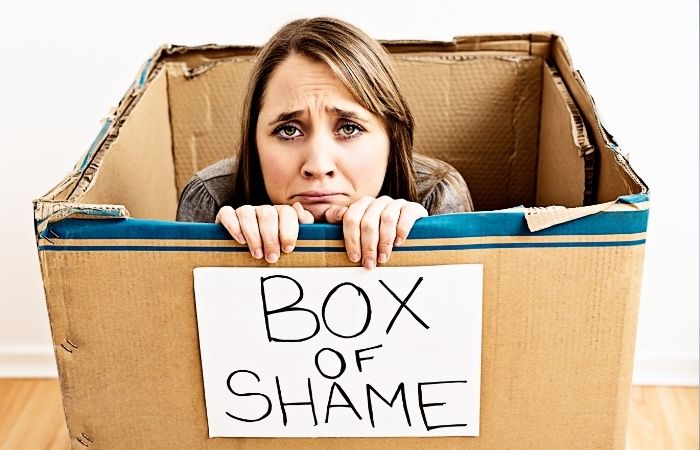
People are also reading: The Global Sex Ed Crisis: What Schools Still Get Wrong About STDs
Why Gen Z Is Ditching the Clinic for Their Bedroom
Let’s get practical. Gen Z is drawn to at-home testing not only because it makes them feel better, but also because it fits with their busy lives. They work multiple jobs, live in shared spaces, and manage tight schedules with even tighter mental bandwidth. Testing shouldn't require rearranging a day’s worth of obligations just to sit in a waiting room.
Here’s how at-home testing compares with traditional clinic visits:
| Testing Method | Privacy | Time Commitment | Results Delivery | Best For |
|---|---|---|---|---|
| Clinic-Based Testing | Low to Moderate | 1–3 hours (including travel and wait) | 1–5 days (varies) | Ongoing symptoms or need for treatment |
| Mail-In Lab Kits | High | 15–20 mins to collect; 2–4 days for results | Secure online portal | Routine screening, multiple infections |
| At-Home Rapid Tests | Very High | 5–10 minutes | Instant (within minutes) | Quick answers, first-time testers, anxiety relief |
Figure 1. Comparison of STD testing options for Gen Z priorities.
This matters because Gen Z is also the most digitally literate generation. They research, compare, and cross-check before buying anything, from skincare to sex toys. STD testing is no exception. They want reviews, clear instructions, and transparency. If a product makes them feel in control, it earns their trust.
And in the context of a potential STD, trust is everything.
Check Your STD Status in Minutes
Test at Home with Remedium7-in-1 STD Test Kit
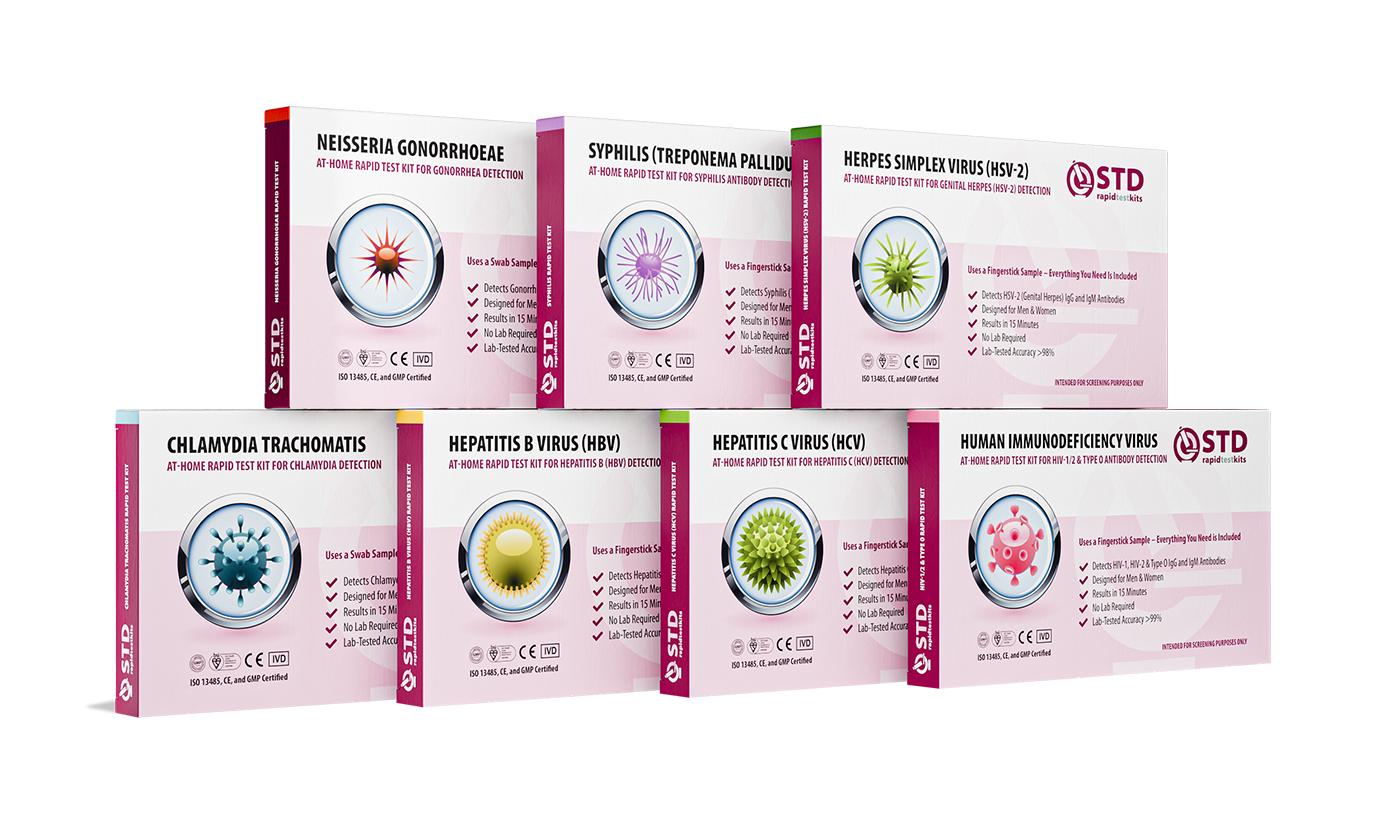
 For Men & Women
 Results in Minutes
 No Lab Needed
 Private & Discreet
Order Now $129.00 $343.00
For all 7 tests
“I Don’t Want Anyone to Know” , The Privacy Revolution
For Alejandro, 20, the scariest part of getting tested wasn’t the result. It was the idea of being seen. “My parents are super traditional,” he explained in a DM to a Reddit mod. “If they saw a clinic receipt or a text from a health line, they’d freak. I needed to test, but I also needed to stay safe from judgment.”
His solution was a discreetly packaged combo kit delivered to a friend’s apartment. The product looked like a generic wellness box. No STD branding. No embarrassing labels. Just a quiet tool that gave him clarity, and space to breathe.
Privacy isn’t just a feature. For many Gen Z users, it’s the deciding factor. They may share their BeReals with the world, but they guard their sexual health choices like treasure. The trauma of being outed, interrogated, or misunderstood is still very real, especially in households where queerness or premarital sex is taboo.
That’s where at-home tests become more than medical tools, they become emotional armor.
STD Rapid Test Kits offers kits that prioritize discretion and deliver privacy without sacrificing accuracy. You can order a full STD test combo kit and have it delivered to your door without alerting roommates, partners, or family.
What If You’re Just…Scared?
That fear is valid. You’re not weak for feeling it. Many Gen Zers report that their first test comes after weeks or even months of anxious Googling. The “what ifs” stack up: What if I test positive? What if my partner lied? What if I’ve had it for months and didn’t know?
Here’s what’s real: Most STDs are treatable. Many are curable. And nearly all are manageable with the right care. But none of that can happen without a test.
At-home testing meets fear with flexibility. You can test at 3AM when your brain won’t let you sleep. You can test after a breakup, a bad feeling, or a new relationship. You don’t have to explain yourself to anyone. You don’t even have to be sure you “need” it. You just test, because peace of mind is worth more than the price of staying silent.
Testing Is Not a Confession, It’s Care
One of the biggest myths Gen Z is smashing is that getting tested means you were “reckless.” That you did something dirty. That you should feel ashamed. In truth, testing is just another form of adulting, like checking your credit score or scheduling a dentist appointment.
Kayla, 24, explained it like this: “I don’t get tested because I think I have something. I get tested because I’m sexually active and responsible. My trauma used to tell me I had to ‘earn’ testing by being scared enough. Now I see it like brushing my teeth. It’s just what you do.”
And that shift in thinking is critical. Because when testing is framed as a confession, it becomes something people delay. When it’s seen as care, they embrace it. Gen Z is moving from the question “Do I need to test?” to “Why wouldn’t I?”
That mental pivot is reducing late diagnoses, increasing partner transparency, and building a culture where it’s okay to care for your body without shame.
From TikTok Confessions to Real Testing Decisions
Let’s not underestimate the role of social media. While platforms like TikTok are often criticized for misinformation, they’re also hosting some of the rawest, most powerful STD conversations happening today.
There are users posting about their herpes diagnosis and how it impacted dating. Others show how they used a finger-prick test on camera, explaining each step in real time. One viral video with over 2 million views showed a young woman unboxing an at-home test while answering common fears in the comments: “No, it doesn’t hurt.” “Yes, it’s real.” “Yes, it works.”
This is how Gen Z learns. Not just through textbooks, but through lived experience and peer modeling. When someone sees another person their age test without shame, it chips away at fear. When they read a comment that says, “I tested positive and I’m still worthy,” something softens. And when they realize testing isn’t a punishment, but a tool, they take the leap.
| Social Influence Factor | Impact on Gen Z Testing Behavior |
|---|---|
| TikTok “storytime” STD content | Normalizes testing and reduces shame |
| Reddit AMA discussions on STI recovery | Increases trust in anonymous testing options |
| Influencers promoting at-home kits | Drives awareness of non-clinic options |
| Hashtag trends (#GetTested, #STDAwareness) | Creates peer pressure toward proactive care |
Figure 2. How social media accelerates Gen Z’s adoption of at-home STD testing.
It’s not just about products. It’s about cultural permission. And Gen Z is finally giving that to themselves, and to each other.

People are also reading: Think It’s Just a Cold? It Could Be an STD
When Should You Test, and How Often?
The answer depends on how sexually active you are, how likely you are to get sick, and what symptoms you have. But here’s the core truth: you don’t need to “wait for a reason” to test. Regular screening is part of responsible sexual health, especially if you're having new or multiple partners.
Let’s look at the standard window periods for common STDs. This tells you when testing will be most accurate after a potential exposure:
| STD | Test Type | Best Time to Test | Why It Matters |
|---|---|---|---|
| Chlamydia | NAAT (urine or swab) | 7–14 days after exposure | Testing earlier may miss the infection |
| Gonorrhea | NAAT (urine or swab) | 7–14 days | Most accurate after two weeks |
| Syphilis | Blood antibody test | 3–6 weeks | Early tests may not detect antibodies |
| HIV | Ag/Ab combo or RNA | 2–6 weeks (Ag/Ab); 10+ days (RNA) | Different tests have different sensitivity |
| Trichomoniasis | NAAT or rapid antigen | 5–28 days | Often goes undetected without symptoms |
Figure 3. Accurate testing windows for common STDs after exposure.
Testing too early can give you a false sense of security. If you're in doubt, it’s smart to test once at the early end and again a few weeks later. That’s what Dre did after his first test came back negative. Two weeks later, his symptoms worsened. The retest caught what the first missed.
So if your last hookup was three days ago, you can test, but plan to retest later. If it’s been two weeks, you’re in the ideal range for most STDs. And if it’s been months and you’ve never tested? Now’s the time. There’s no “too late” to know.
If your head keeps spinning, peace of mind is one test away. Order a discreet STD combo test here, no clinic, no questions, just answers.
Check Your STD Status in Minutes
Test at Home with Remedium8-in-1 STD Test Kit
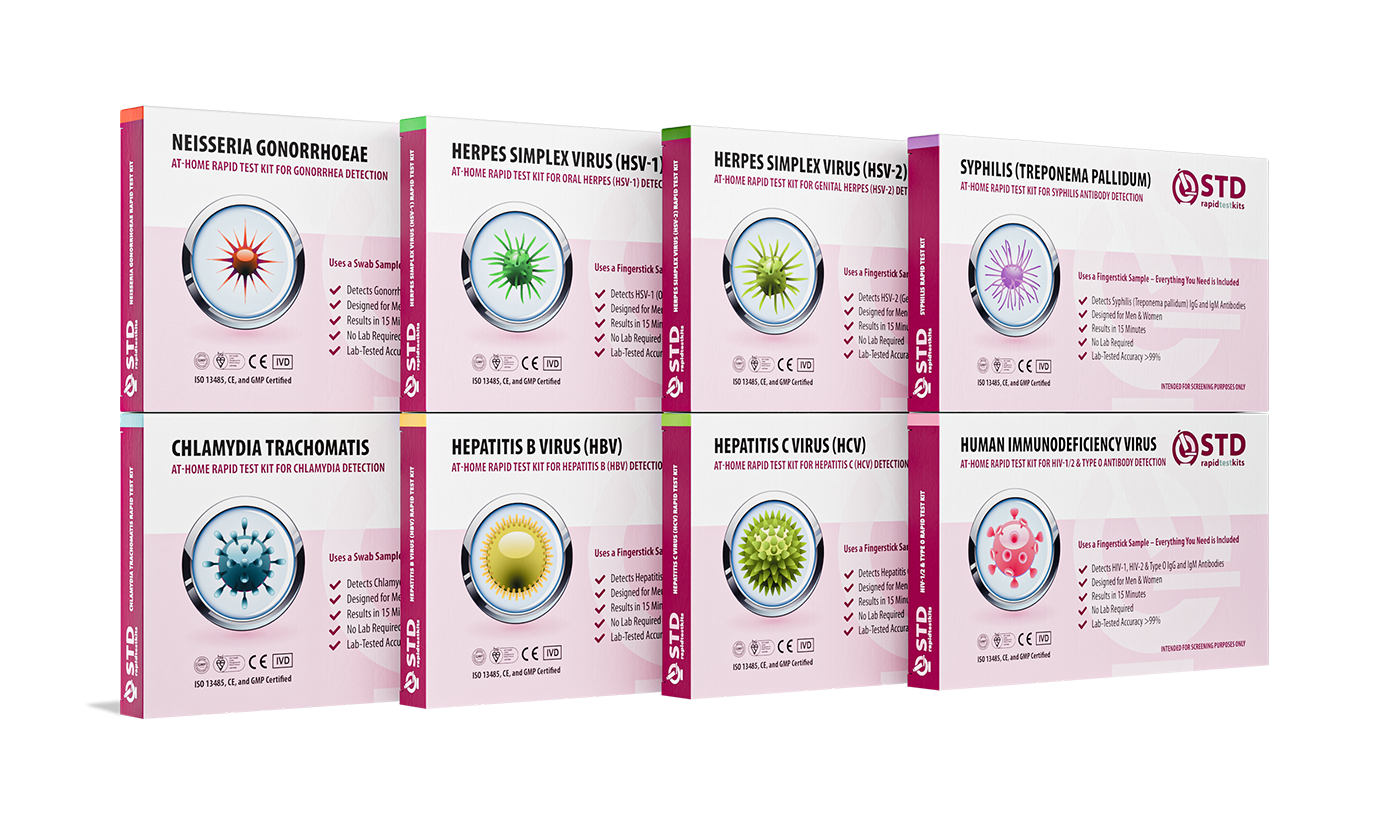 For Men & WomenResults in MinutesNo Lab NeededPrivate & Discreet
Order Now $149.00 $392.00
For all 8 tests
What Happens If You Test Positive?
First: take a breath. Testing positive doesn’t mean you’re dirty, doomed, or undesirable. It means you’re informed, and that means you’re in control.
Sophia, 23, tested positive for herpes using a mail-in blood kit. “I cried for a full hour,” she admitted. “Then I realized, I’d rather know. Now I can treat it. I can talk to my partners. I can make choices from truth, not fear.”
Depending on the infection, you might need antibiotics (like for chlamydia or gonorrhea), antivirals (for herpes), or confirmatory testing. Some STDs are curable, others are manageable. All of them become easier to treat when caught early.
You also get to decide who to tell. Partner notification can feel scary, but it doesn’t have to be dramatic. There are even anonymous partner services if you’d rather not do it yourself. What matters is stopping the spread, and caring for yourself in the process.
Test again after treatment if needed. Stay on top of symptoms. And remember, you're still worthy of love, pleasure, and safety.
FAQs
1. Can I really trust an at-home STD test?
Yes, if it’s from a reputable brand. Most at-home tests use the same science your doctor’s office relies on (like NAAT or antigen detection). Some give results in minutes; others you mail back for lab analysis. As long as you follow the timing window and instructions, they’re incredibly reliable. Think of it as a lab in a discreet little box.
2. How do I keep my parents or roommates from finding out I ordered a test?
Easy. Most companies ship in plain boxes, no big red letters screaming “STD ALERT.” You can also have it delivered to a trusted friend’s place or use package lockers. One college student we talked to stashed hers behind her books on a shelf. Discretion is kind of the whole point.
3. I don’t have symptoms, should I still get tested?
Absolutely. Most STDs are sneaky little things, no symptoms, no signs, just quietly causing damage or spreading to partners. Testing when you feel fine is actually the most responsible move you can make. It’s not paranoia; it’s prevention.
4. What if I panic when the test is positive?
Then take a breath. You’re not broken. You’re not gross. You’re just human, and now, you’re informed. Whether it’s something treatable like chlamydia or manageable like herpes, you’ve taken the hardest step: facing it. Next comes treatment, care, and healing. And we’ve got your back through it.
5. How soon after sex should I test?
Depends on what you’re testing for. For most bacterial STDs like chlamydia or gonorrhea, wait 7–14 days. For HIV, aim for at least 2–6 weeks. Too early, and your test might miss the infection. If you're really nervous, you can test early and again later. Double-checking never hurts.
6. Are these tests expensive?
Not as much as you’d think. Rapid kits start around $50, and combo packs that test for multiple STDs usually run $100–$200. No awkward billing. No insurance required. And if you’ve ever price-checked a panic attack at urgent care, you know this is a bargain.
7. Can I use my FSA or HSA to pay?
Sometimes, yes. It depends on the kit and your benefits. Mail-in lab kits often qualify. Instant tests? Maybe not. But check with your provider, and keep those receipts just in case.
8. Do I need to tell my partner if I test positive?
That’s up to you, but ethically (and legally in some cases), yes. The good news? You don’t have to do it face-to-face if that feels impossible. There are anonymous notification services, or even just texting something like, “Hey, I tested positive for [X] and you might want to get checked.” No shame. Just facts.
9. How often should I be testing anyway?
If you're having sex with new or multiple partners, every 3 to 6 months is smart. In a monogamous relationship and everything's feeling fine? Once a year still keeps you covered. And remember, any new symptom, scare, or sketchy situation is a good enough reason to test again. No one’s judging.
10. Do I need a doctor to interpret the result?
Usually? No. The tests come with clear instructions and visual guides. If the result says “positive,” believe it. If it's a faint line, follow the re-test or confirm instructions. But if you’re ever unsure, reach out to a telehealth provider or local clinic. You deserve answers that don’t leave you hanging.
You Deserve Answers, Not Silence
Whether it’s fear, shame, or just not knowing where to start, so many people put off testing because they’re overwhelmed. Gen Z is flipping that script. You don’t need permission to take care of your health. You just need access, and maybe a little reminder that you're allowed to do this your way.
If you've been waiting for a “good reason” to get tested, this is it. This discreet STD combo test covers the most common infections, fast, private, and on your terms.
How We Sourced This Article: We used CDC guidelines, peer-reviewed studies, and real-life experiences of Gen Z people that they shared on forums, support groups, and social media to make this guide accurate, aware of stigma, and very relatable.
Sources
1. CDC – STD Prevention and Testing Guidelines
2. Planned Parenthood – Getting Tested for STDs
3. STI Testing Correlates Among Young Adults
4. Healthline – STD Symptoms and Testing Info
5. PLOS One – Barriers to STD Screening in Youth
6. Annual STI Testing Among U.S. Adolescents
7. Impact of STD-Related Stigma on Testing Behavior
About the Author
Dr. F. David, MD is a board-certified infectious disease physician with a clinical focus on STD diagnosis, prevention, and community outreach. He believes in straight answers, sex-positive education, and healthcare that meets people where they are, emotionally and geographically.
Reviewed by: Jenna L. Carmichael, RN | Last medically reviewed: December 2025
This article is meant to give you information, not to give you medical advice.


