






Quick Answer: Yes, STDs like Chlamydia and Gonorrhea can mess with your fertility, even if you feel totally fine. They can cause swelling, low sperm count, testicle pain, and hormone shifts that throw your body off balance. Most guys don’t find out until they’re trying to have kids, or when a doctor says, “Your testosterone is low, and here’s why.”
Why STDs Hit Men Harder Than You Think
We’ve gotta stop treating STDs like they only affect women. The truth is, infections like Chlamydia, Gonorrhea, and even Trichomoniasis can quietly damage male reproductive systems, sometimes without a single red flag.
Most men only find out something’s wrong when they’re already in a fertility clinic or chasing answers for symptoms like
- Lower sex drive than usual
- A weird ache in your testicle that won’t quit
- Thinner ejaculation or pain when finishing
- Sperm test that shows low count or slow swimmers
That’s because some STDs don’t just hang around in the urethra; they crawl deeper, messing with your epididymis, testicles, and even prostate. And that’s where the real problems start.
Other men are also reading: STDs in Men: Symptoms Most Guys Miss
Epididymitis: The Silent Sperm Saboteur
There’s this little coil behind your testicle called the epididymis. It’s like a boot camp for sperm, where they get strong, swim-ready, and fertile. But when an STD infects that area? Welcome to epididymitis, a painful condition most guys don’t recognize until it's well underway.
The CDC says Chlamydia is the top cause of epididymitis in men under 35. And it’s way more common than people think.
- Common symptom: A dull ache or sharp twinge in one testicle, especially when walking or sitting
- Hidden risk: Long-term inflammation damages sperm production and transport
- Most overlooked part: It often shows up without classic STD signs like discharge or pain while peeing
According to a 2022 Journal of Urology study, men with untreated STD-related epididymitis had a 40% higher risk of infertility. Think about that for a second. A little ache that you chalk up to "tight boxers" could actually be your body waving a red flag about your future fertility.
Orchitis: When Your Testicles Are Under Attack
Orchitis sounds fancy, but it’s basically an STD taking a sledgehammer to your testicles. One or both become swollen, hot, and sore, sometimes overnight. This can come from mumps, but gonorrhea and chlamydia are the new top suspects for guys under 35.
Some men say it feels like they got kicked in the balls… but no one was there. Others feel a deep, dragging ache that radiates into the groin or lower back. Nausea and fever can show up too. The scariest part? If it’s not treated fast, the testicle might shrink (atrophy) or even lose function.
Real talk: your testicles make sperm and testosterone. So if they’re inflamed, everything gets thrown off, your drive, your energy, your ability to father kids, and even your mood.
One guy shared on Reddit:
“I thought it was a pulled muscle at first. Turns out I had epididymo-orchitis from an STD I didn’t even know I had. Now I have to do hormone therapy and fertility testing.”
A study from Fertility and Sterility backs this up: men with STD-related orchitis are way more likely to have sperm abnormalities and low T later in life.
The fix? Act fast. Antibiotics work well, but only if you don’t wait too long. If your scrotum is red, swollen, or sore and you’ve had unprotected sex recently, get tested right away.
Testosterone Takes a Hit, Too
Most guys don’t realize their hormone levels are tied to infection risk, but STDs can hit your testosterone like a gut punch. It’s not just about sperm. It’s about how you feel: your energy, your sex drive, your confidence, and even your mood.
When STDs trigger inflammation in your testicles or prostate, testosterone production slows down. Slowly, subtly… but enough to make you feel off.
Here’s how it breaks down:
- Inflammation: Infections like Chlamydia or Trichomoniasis stress the Leydig cells that produce testosterone
- Immune response: Your body tries to fight the infection, but ends up disrupting hormone balance
- Scarring: Damage to hormone-producing tissue can lead to chronic low T
One study in the Journal of Andrology found that men with untreated STDs had testosterone levels 25% lower than their peers, even when they had no symptoms.
The signs can sneak up: lower libido, softer erections, fatigue that coffee can’t fix. If that sounds familiar and you’ve never been screened for STDs, it’s time.
Check Your STD Status in Minutes
Test at Home with RemediumChlamydia Test Kit
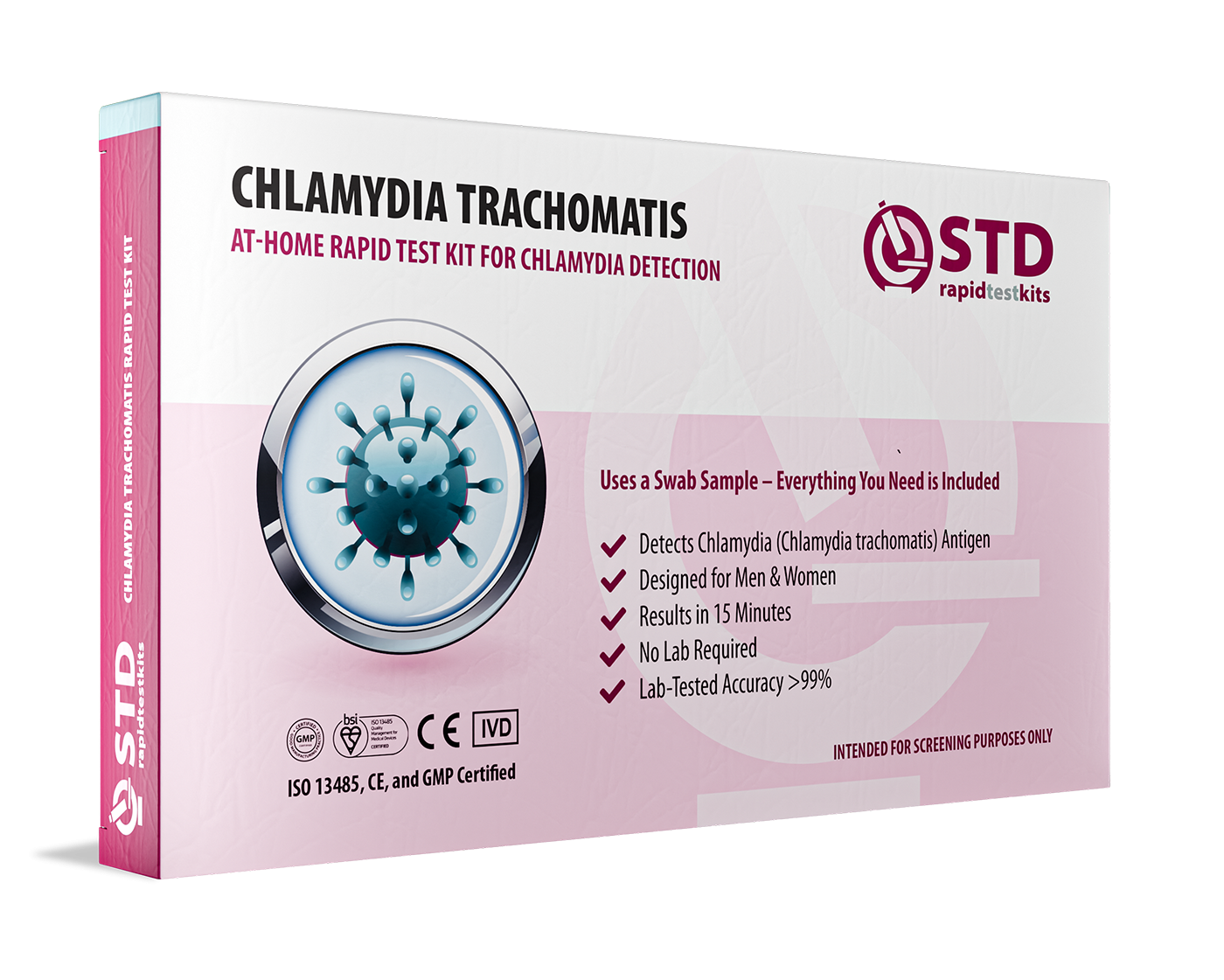
 For Men & Women
 Results in Minutes
 No Lab Needed
 Private & Discreet
Order Now $33.99 $49.00
The Sperm Count Crash: How STDs Kill Fertility in Men
Sperm doesn’t just die off in one dramatic event. It fades. Slows down. Becomes less effective. And STDs are one of the quietest saboteurs of that whole process.
Let’s break down what’s at stake:
- Sperm Motility: Infections create inflammation that makes sperm sluggish, or unable to swim at all
- Morphology: Some STDs cause malformed sperm that struggle to fertilize an egg
- DNA Integrity: Chronic infections can damage the DNA inside sperm, increasing miscarriage risk and failed IVF cycles
In a Reproductive Biology and Endocrinology trial, men who had previously untreated STDs showed significantly lower sperm concentration and motility, even after the infection was gone.
And here’s the brutal part: you may not find out until you and your partner have been trying for months with no results. Or until a fertility specialist pulls up your sperm analysis and quietly says, “We need to talk.”
No Symptoms, No Clue, Until It’s Too Late
This is where masculinity myths really screw us. We grow up thinking that we’ll “know” if something’s wrong down there. If it burns, if it hurts, if something’s leaking, we’ll handle it. But if not? We’re fine. Right?
Wrong. Dead wrong.
Chlamydia: Around 50–75% of men have no symptoms. It doesn’t burn, doesn’t sting, but it can still cause long-term reproductive damage.
Gonorrhea: Slightly louder, but still silent in 10–15% of cases. It can hang out in the urethra, crawl into the prostate or testicles, and you’d never know… until something breaks.
The biggest risk is inaction. Most guys won’t get tested unless they feel something. And even then, many wait it out because they’re embarrassed or unsure what to do.
“I kept thinking, ‘It’s probably nothing.’ I waited three months. When I finally got tested, it was Chlamydia. Now I have epididymitis, and my doctor says it may have affected my fertility. All because I didn’t feel sick.” – Marco, 29
That story? It’s not rare. STDs don’t need symptoms to cause destruction. And silence doesn’t mean safety, it just means you haven’t caught it yet.
How to Know If You’ve Been Affected
If something feels off, or if you’ve had unprotected sex and just want peace of mind, there are specific ways to check for damage:
- Semen Analysis: Tells you your sperm count, shape, and swimming ability
- Scrotal Ultrasound: Can detect inflammation, swelling, or scarring inside the testicles
- Hormone Panel: Measures testosterone, LH, FSH, and prolactin, critical to understanding your fertility and performance
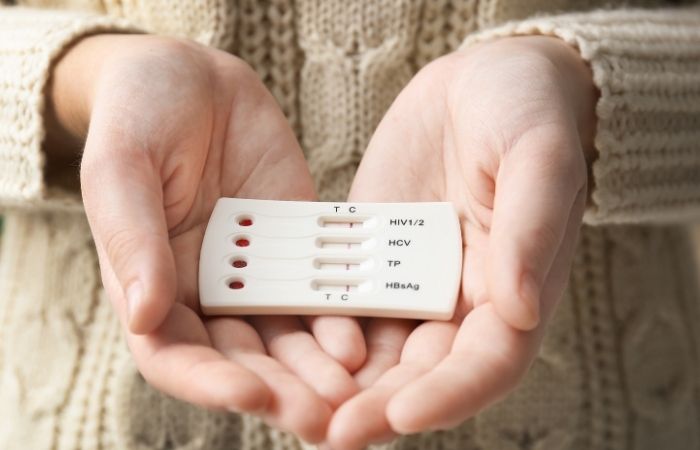
Also, get a full STD screen. The Complete STD Home Test Kit Package covers everything you need to know: Chlamydia, Gonorrhea, Syphilis, HIV, and Trichomoniasis. All without stepping into a clinic.
Other men are also reading: Penis Discharge and STDs: Early Signs You Shouldn’t Ignore
What Recovery Looks Like: Can You Bounce Back?
Here’s the part too many men don’t hear enough: you’re not doomed. If you catch the infection early and treat it fast, there’s a good chance your sperm count can recover, your hormones can rebalance, and your sex drive can come back stronger than ever.
But recovery takes intention. And sometimes, support.
- IUI or IVF: These fertility tools can work around blocked sperm ducts or low motility if damage is already done
- Hormone therapy: Helps jumpstart testosterone or sperm-stimulating hormones like LH and FSH
- Antioxidant support: Supplements like CoQ10 and zinc may help improve sperm quality post-infection
We’ve seen guys go from “You might need help conceiving” to “We're pregnant” in under a year. But it starts with testing and treatment.
Your fertility is more resilient than you think. But it needs you to show up for it.
Common Misconceptions About Men, STDs, and Fertility
“It’s not an STD unless it burns when you pee.”
Nope. That’s old-school thinking. Some of the worst infections, Chlamydia and Trichomoniasis especially, are often symptomless in men.
“Only women deal with infertility.”
Wrong. Up to 50% of fertility issues come from the male side, often linked to low sperm count, motility issues, or undetected infections.
“Once I take antibiotics, everything goes back to normal.”
Sometimes, yes. But if scarring has already occurred or testosterone levels took a hit, you might need more than meds to fully bounce back.
Bottom line? Don't wait for symptoms. Don't wait until you're trying to conceive. Make testing a regular part of your health routine, just like brushing your teeth or hitting the gym.
FAQs
1. Can STDs affect male fertility even if there are no symptoms?
Yes. Infections like Chlamydia and Gonorrhea can quietly damage sperm quality, hormone balance, and testicle health without obvious signs.
2. What are the signs an STD may have damaged my fertility?
You might not notice anything until a semen analysis shows low count or motility. Other signs include dull testicle pain, reduced libido, or hormonal changes.
3. Can epididymitis from an STD cause infertility?
Definitely. Chronic or untreated epididymitis can cause scarring that blocks sperm from reaching the urethra.
4. Does Chlamydia lower testosterone?
It can. The inflammation messes with your testicles’ ability to produce testosterone, leading to a hormonal dip.
5. Will my fertility return after treating the STD?
If caught early, yes. But once damage sets in, you may need fertility assistance like IUI, IVF, or hormone therapy.
6. Do condoms fully protect against STDs that cause infertility?
They reduce risk significantly but aren't perfect. Skin-to-skin transmission and condom failures still happen, so testing is key.
7. Can STDs cause permanent damage to the testicles?
Yes. Especially infections like Chlamydia and Gonorrhea if they reach the epididymis or testicles unchecked.
8. How do I know if I have low testosterone from an STD?
A hormone panel will tell you. Symptoms can include fatigue, brain fog, low sex drive, or muscle loss.
9. Should I get a sperm test if I’ve ever had an STD?
Yes. Even if you’re symptom-free now, a semen analysis can help catch long-term damage early.
10. What’s the easiest way for men to test for STDs?
An at-home test like the Multi-STD Essential Kit gives you full control, fast, private, and accurate from your own bathroom.
Take Control. Get Answers.
Listen, no one wants to talk about this stuff, especially if nothing feels wrong. But that’s exactly how STDs do their worst damage: when you’re not looking, not hurting, not thinking it could happen to you.
The good news? You’re here. You’re asking questions. You’re learning how to protect yourself, your fertility, and your future sex life before it becomes a crisis.
Whether you’re dealing with a weird ache, trying to conceive, or just want peace of mind, get tested from home today. No awkward appointments. No judgment. Just answers.
You’re not broken. You’re not dirty. You’re not too late. You’re just ready to take your health seriously, and that’s badass.
Sources
1. CDC – Epididymitis and STDs in Men
2. Legacy – How STIs Affect Male Fertility
3. PMC – Long‑Term Consequences of STIs on Male Infertility
4. Stanford Health – Chlamydia Can Lead to Infertility in Men
5. The Fertility Academy – 7 STIs That Affect Male Fertility


