





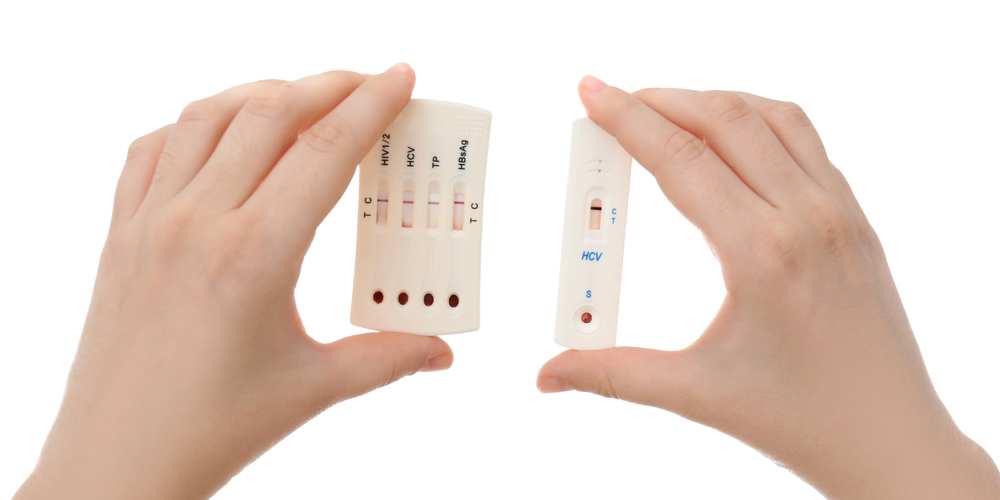

Quick Answer: Teens in most U.S. states have the legal right to get tested for STDs without parental permission, and many clinics offer free or low-cost confidential services, no insurance, ID, or explanation required.
“I Was Scared My Parents Would See the Bill”
You don’t need to be “sleeping around” to get an STD. You don’t even need to have had sex. Sometimes it’s just a weird itch, a gut feeling, or a bump that wasn’t there yesterday. And sometimes… it’s nothing at all.
More than half of teens with STDs show no symptoms. Yet teens and young adults still make up over 50% of new cases. That’s not about being reckless, it’s about being left in the dark, too embarrassed to ask, and never told what to look for.
Burning when you pee but no blood? Could be more than a UTI. Discharge that smells sour or metallic? Red bumps that don’t itch like razor burn? Sore throat after oral? All worth checking. Even a fever or body aches after a hookup might mean early HIV.
Most teens wait too long. Some never get tested at all. But silence doesn’t stop an infection, it just gives it time to spread.
“Do I Need Insurance? An ID? A Reason?”
Nope. You don’t need any of that. Not your parent’s insurance card. Not a driver’s license. Not some long-winded explanation about why you want to get tested. You can walk in, or click in, with nothing but a question and walk out with answers.
Thanks to minor consent laws in almost every U.S. state, teens as young as 12 have the legal right to access sexual and reproductive healthcare without involving a parent. That means you can get tested for STDs and HIV. You can get treatment if something comes back positive. You can even ask for emergency contraception or birth control. And yes, it stays confidential.
Clinics like Planned Parenthood, school-based health centers, and local teen clinics are built to protect your privacy. The only time they’re allowed to break that confidentiality? If you’re at risk of serious harm or abuse. That’s it. No lectures. No parental notifications. No surprise phone calls.
“I walked in, gave a fake first name, and just said I thought I had something. They didn’t blink. They handed me a form, gave me a urine cup, and that was that.” , Tara, 16
Still nervous about your parents seeing something? Totally fair. If you use their insurance, there's a chance they’ll get an "Explanation of Benefits" in the mail. It’s basically a medical receipt, and yeah, it can include test codes. But there are ways around that. Ask the clinic if they offer a sliding scale. Some clinics will even cover the cost completely. No insurance, and no paper trail.
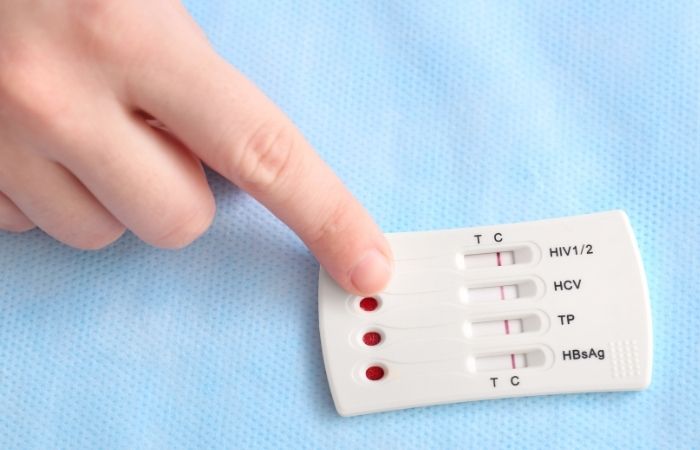
Want to keep it completely off the grid? You can test from your bedroom. Legit at-home kits let you collect your own sample, pee, swab, or finger prick, then mail it in. Results show up discreetly via email or a secure online portal. No waiting rooms, no awkward stares.
People are also reading: Azithromycin or Doxycycline: Which Antibiotic Works Faster for Chlamydia?
“But I’m a Virgin… Can I Still Have an STD?”
Yes. And it’s one of the most misunderstood realities about sexual health. The idea that you’re “safe” just because you haven’t had penis-in-vagina intercourse? That’s not how most STDs work. Oral sex, anal play, even dry humping with genital contact can pass on infections, especially skin-to-skin ones like Herpes or HPV.
Case in point: Ellie, 15. She’d only ever kissed her ex and once gave him oral sex. A month later, she noticed small, painful bumps on her inner lip and thought it was a canker sore. It wasn’t.
“I remember thinking, ‘This is karma or something. This is punishment.’ That’s how much shame I had.”
Here’s what no one teaches you in school: STDs don’t care what you label your activity. They only care about exposure. And you don’t need to be promiscuous, “dirty,” or reckless to get one. Sometimes all it takes is one encounter. One partner. One moment where a condom wasn’t used, or didn’t cover everything.
In a 2018 peer-reviewed study of over 2,000 teens who reported being sexually inactive, nearly 7% tested positive for an STD. That means even “virgins” aren’t immune. Especially when what we call virginity is so poorly defined in the first place.
“I Was More Scared of Being Judged Than Infected”
This is the part no one warns you about: how terrifying it can feel just to ask. Not because you're afraid of the needle or the swab, but because of what it might say about you. That you’re dirty. Irresponsible. Overreacting. Too young. Too queer. Too curious.
Testing as a teen isn’t just about medicine, it’s about identity, secrecy, autonomy. It’s about how you were raised to think about sex. Some of us come from silence. Some of us come from purity culture. Some of us come from schools where sex ed was a 20-minute slideshow about abstinence and gonorrhea horror photos.
“I didn’t even know how to describe what I was feeling. I kept searching 'STD symptoms but I’m a virgin’ and hoping someone would say, ‘You’re fine.’” , Mika, 17
The silence breeds shame. But shame never prevented an infection. It only prevents people from seeking answers. That’s why sites like STD Rapid Test Kits exist, to meet you in that panic spiral and hand you back control. No lab coat. No judgement. Just you, your body, and the truth.
Order your rapid test today, results in minutes.
“If I’m Not Itching or Bleeding, I’m Fine… Right?”
Wrong. And this is one of the most dangerous myths teens carry. A lot of infections are completely silent at first, especially in people with vulvas. Chlamydia and Gonorrhea, for instance, often show no symptoms until they’ve already caused internal damage, like pelvic inflammatory disease or future fertility issues.
HPV can live in your body for months, or years, without a single symptom. Herpes might not show its first outbreak until weeks after exposure. Even HIV can lie dormant for months with nothing but mild fatigue.
What does this mean? It means waiting for a red flag before you test is like waiting for the engine to catch fire before checking your oil. You don’t test because you’re convinced you have something. You test because you care about your health, your partners, your peace of mind.
“It was just itchy one day. I thought it was detergent or something. But...yeah, it wasn’t.” , Jamie, 16
If you’re reading this because you’re scared, that’s valid. Fear is a symptom too. But don’t let it stall you out. STD testing isn’t punishment, it’s power. It means you’re listening to your body. And that’s never a mistake.
Check Your STD Status in Minutes
Test at Home with Remedium8-in-1 STD Test Kit
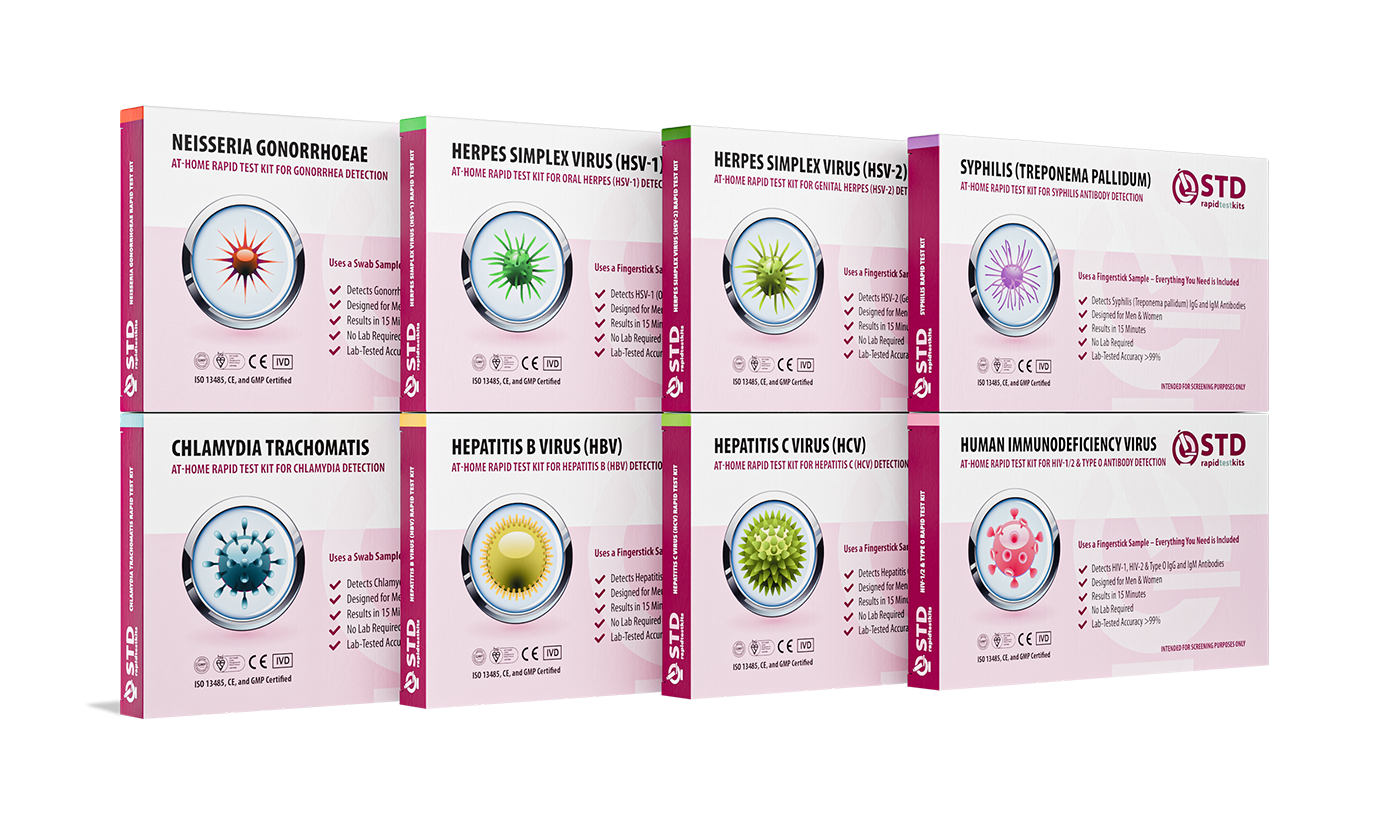
 For Men & Women
 Results in Minutes
 No Lab Needed
 Private & Discreet
Order Now $149.00 $392.00
For all 8 tests
“So Where Do I Actually Go?”
Sex ed warns you about STDs but rarely tells you where to go when you actually need a test. The truth? You’ve got options, and more control than you think.
If you’re okay walking in somewhere, clinics like Planned Parenthood and teen health centers are built for this. Just show up, say you want to get tested, and they’ll take it from there. Some schools even have clinics on-site. No insurance, no ID, no awkward questions. Many spots offer free testing or sliding-scale fees, so cost doesn’t have to be a dealbreaker.
Want total privacy? Stay home. At-home STD kits are legit, discreet, and fast. Pee, swab, or prick, mail it in, get results online. No clinic visits, no paper trail, no side-eyes in the waiting room.
Still figuring things out? You don’t have to test to talk. Planned Parenthood’s chat and Love is Respect offer private, judgment-free space to ask anything, especially if you’re navigating pressure or don’t feel safe.
Bottom line: you’ve got choices. Pick the one that fits your life. Just don’t let fear or silence make the decision for you.
“How Often Should I Test?”
If you’re sexually active in any way, oral, anal, vaginal, or just fooling around, you should test at least once a year. That’s the CDC recommendation. If you’ve had more than one partner in the past year, test every 3–6 months. If you’ve had unprotected sex, a new partner, or symptoms, test now.
Even if nothing “bad” happened. Even if they said they were clean. Even if it was just one time.
“We used a condom, but it broke. I didn’t feel anything weird, but I couldn’t stop thinking about it. I got tested a week later. It was negative. I still cried from relief.” , Ray, 18
Testing isn’t about distrusting your partner. It’s about protecting your future. You can’t always feel an infection. But you can feel better once you know.

People are also looking for: The Oral STD Guide: What Else Can Infect Your Mouth Besides Herpes?
“But What If It’s Positive?”
Then you get treated. Period. Almost all common STDs are treatable. Chlamydia and Gonorrhea? One round of antibiotics. Trichomoniasis? Cleared with a single pill. Herpes? Managed with daily meds that keep outbreaks rare and transmission low. HIV? Suppressible to undetectable, meaning you stay healthy and can’t pass it on sexually.
The worst-case scenario isn’t having an STD. It’s not knowing you have one. That’s how infections spread. That’s how partners get hurt. That’s how silence becomes shame.
You are not broken. You are not “damaged goods.” You are not dirty. You are human, and humans get infections. What matters is what you do next. And getting tested means you’re already doing the right thing.
Take control of your sexual health today.
FAQs
1. Can I actually get tested without my parents finding out?
Yeah, you really can. In most states, once you hit 12 or 13, you can legally get tested for STDs without needing permission. Clinics like Planned Parenthood are required to keep it confidential. No snitching, no lectures, no “I’m calling your mom.”
2. But what if I’m on my parents’ insurance?
Ah, good catch. If you use their insurance, there’s a thing called an EOB, Explanation of Benefits. It’s like a receipt that might go to the policyholder. That could mean your parents. If you want full privacy, ask the clinic not to bill insurance or go to a place that offers free or sliding-scale testing. Or go the home test route, zero paper trail.
3. Do I need a reason to get tested?
Nope. No weird discharge? No burning pee? Doesn’t matter. A lot of STDs show no symptoms at all, especially in people with vulvas. You can test “just in case.” In fact, you should. That’s called being proactive, not paranoid.
4. I haven’t had “real sex.” Do I still need to worry?
Depends what you mean by “real.” If there was oral, anal, genital touching, dry humping without clothes, yeah, there’s a chance. Stuff like Herpes and HPV are passed skin-to-skin, not just through penetration. One girl in a case study got oral herpes after giving a guy a blowjob once. That’s not rare. That’s reality.
5. Is testing super awkward?
Honestly? It’s way less weird than sitting around spiraling on Google. Most clinics won’t even ask personal questions unless they need to for care. You pee in a cup, maybe swab something, and you’re out. No judgment. No scarlet letter on your forehead.
6. Can I use a fake name?
Some clinics let you test anonymously or just use a first name. Others need a real one for medical records, but that info stays private. You won’t be outed. And if you use an at-home kit? You choose what name goes on the envelope. Beyoncé? Sure. Just remember the results go to your email, so don’t use your family’s shared one.
7. How fast do I get results?
Clinics sometimes give same-day results. At-home tests usually take 2–5 days. Either way, no waiting weeks. You won’t be stuck in limbo for long.
8. Okay but… what if it’s positive?
Deep breath. If something shows up, you deal with it, and most STDs are either curable or easily manageable. Chlamydia? One antibiotic. Herpes? Daily meds that make it chill. You’re not doomed. You’re not gross. You’re just human. And being human means stuff happens.
9. What if I test negative but still feel off?
Then keep paying attention. Some tests won’t catch early infections. Trust your gut. You can always re-test after a window period, or talk to a provider. Testing once doesn’t mean you never have to think about it again, it’s an ongoing thing, like brushing your teeth or checking your bank account.
10. What’s the point of testing if I’m not doing anything “serious”?
Because care is care, whether it’s after a hookup, a situationship, or even just curiosity. You don’t need a boyfriend, a girlfriend, or a long-term partner to want answers. STD testing isn’t about being “dirty” or “risky.” It’s about knowing yourself. Owning your body. Making sure you’re good, no matter what your relationship status says.
You Deserve Answers, Not Assumptions
If you’ve read this far, you’re already taking care of yourself. Whether you’re scared, curious, or just tired of Googling in secret, you’re not alone. You don’t need to be older, more experienced, or “in a real relationship” to care about your sexual health. You just need information. And now you have it.
Testing isn’t something to be ashamed of. It’s something to be proud of. You’re not just protecting your body, you’re protecting your future, your partners, and your peace of mind. And you can do it on your terms.
Sources
1.CDC- (Sexually Transmitted Infections) STIs
2.Planned Parenthood – Teen Discomfort when talking to parents about sex
3.Planned Parenthood- Everything you wanted to ask about STDs
4.CDC – STD Screening Recommendations
5.What personal information is commonly asked for during a STD test for teens?


