





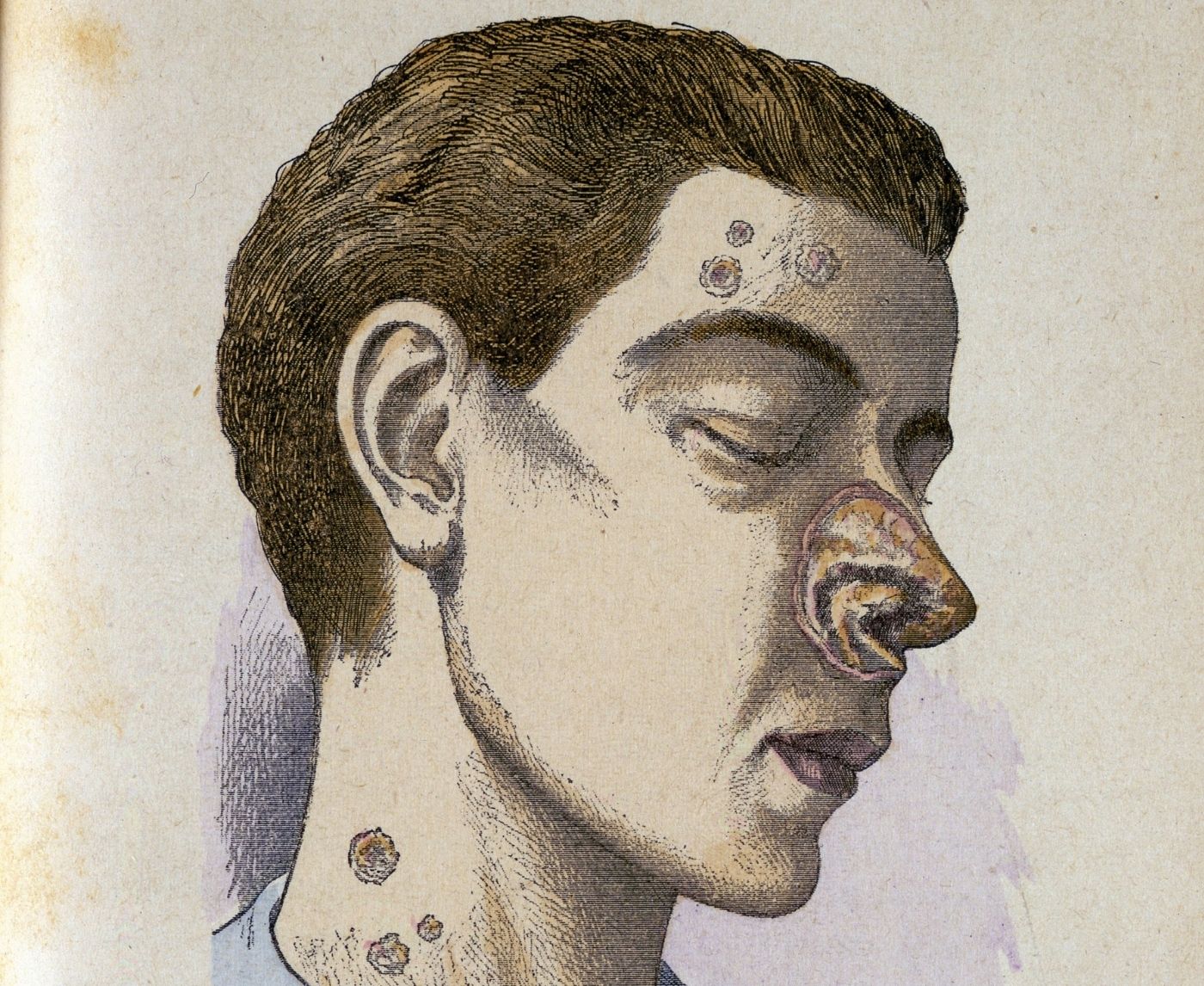

Quick Answer: STDs have existed for thousands of years. From ancient descriptions of "dripping diseases" to the HIV/AIDS epidemic, their history reveals cycles of stigma, scientific breakthrough, and public health reckoning that still affect how we test and treat today.
Whispers from the Past: Where STDs Really Began
Let’s get one thing straight: sexually transmitted infections are older than your grandma’s grandma’s grandma. Archaeological remains suggest signs of venereal diseases in prehistoric human skeletons and even ancient animals, which means these infections didn’t show up with disco or Tinder, they’ve been riding shotgun since the beginning of human intimacy.
One of the first major STDs to really shake the table was syphilis. The "Great Pox" exploded across Europe in the 1490s, triggering panic, deformity, and treatments that were often worse than the disease, like mercury. Scholars still debate whether it hitched a ride back with Columbus from the Americas or mutated from a milder form already in Europe. Either way, it hit hard and fast.
Even earlier, Egyptian, Roman, and Greek texts spoke of conditions eerily similar to gonorrhea and chlamydia. But without microscopes or modern medicine, people blamed “diseases of Venus” on gods, witches, or women’s wandering wombs. Spoiler: it was bacteria and viruses all along.
Fast forward to the 20th century and we meet a new villain: HIV. Though likely transmitted from primates to humans in early 1900s Africa, it went unnoticed until the 1980s, when entire communities began to die, largely ignored due to racism and homophobia. The virus would go on to become one of the most studied infections in human history, and one of the most stigmatized.

People are also reading: The New HIV Prevention Option That Only Requires Two Doses a Year
Why STD History Still Shapes Your Sex Life
Think history doesn’t matter when you’re just trying to figure out if that itch means something? Think again. Understanding where STDs came from helps you navigate how they’re treated today, and why shame is still baked into the whole system.
| Historical Insight | Modern Impact |
|---|---|
| STDs blamed on “immorality” or divine punishment | Ongoing shame and silence around testing |
| Colonial-era forced testing of women and sex workers | Deep-rooted medical mistrust, especially in marginalized communities |
| Syphilis experiments without consent (Tuskegee, Guatemala) | Lack of trust in public health programs, especially among Black and Latinx communities |
| Infections spiking during wartime and upheaval | Public health crises during COVID-19 and global displacement |
Don’t Let History Repeat Itself, Test on Your Terms
One thing hasn’t changed: catching an STD early makes all the difference. But now, you don’t need to wait in a clinic with a clipboard and a side-eye. STD Rapid Test Kits let you take control from home, no judgment, no delay, just facts.
Whether you’re worried about a one-night stand or just due for a routine check, Complete 8-in-1 STD At-Home Rapid Test Kit checks for the most common infections in minutes.
Don’t carry centuries of stigma into your future. Testing is health, not confession.
STD Outbreaks Through Time: A Timeline of Trouble
STDs don’t just tell us about biology, they reflect the world around us. Every time there’s a war, a migration, or a drop in birth control access, STI rates shift. It’s all connected.
| Year / Era | Milestone | Why It Mattered |
|---|---|---|
| 1494 | First major syphilis outbreak in Europe | Mass panic, deformities, and mercury “cures” |
| 1940s | Tuskegee and Guatemala syphilis experiments | Medical ethics violations that still haunt trust today |
| 1981 | HIV/AIDS first officially identified in U.S. | Stigma, misinformation, and a delayed response worsened the crisis |
| 2023 | Syphilis rates hit a 70-year high in the U.S. | CDC warns of urgent need for screening and education |
The Lingering Shadows: What We Still Get Wrong About STDs
You would think that after so many years of history, we would know how to get the fundamentals right. But right now, in 2025, STDs continue to rise instead, as a result of embarrassment, misinformation, and myths about STDs rather than not having ways to treat or test for them.
Let’s break it down:
Stigma Still Wins (Too Often)
People delay testing because they’re scared of what it “means” to have an STD. But infections aren’t moral failures, they’re often invisible, super common, and ridiculously easy to spread without knowing. Shame keeps people sick. That’s it.
Myths Are Everywhere
Think oral sex is safe without protection? Or that you’d “know” if you had something? Wrong on both. According to the CDC, many STDs are asymptomatic and can still cause complications or get passed on silently. If you're sexually active, guessing isn't a strategy.
Medical Mistrust Runs Deep
Communities of color, particularly Black and Latinx people, have been mistreated in public health for decades, sometimes violently. The Tuskegee Syphilis Study is a notorious example: researchers denied treatment to Black men for decades just to watch what happened. That legacy doesn’t vanish, it festers in every hesitant side-eye toward modern testing.
Access Still Isn’t Equal
Rural areas, conservative towns, LGBTQ+ folks, teens without transport, many people simply don’t have clinics nearby or safe spaces to get screened. That’s why at-home STD test kits matter so much: they break through those barriers.
Check Your STD Status in Minutes
Test at Home with Remedium7-in-1 STD Test Kit
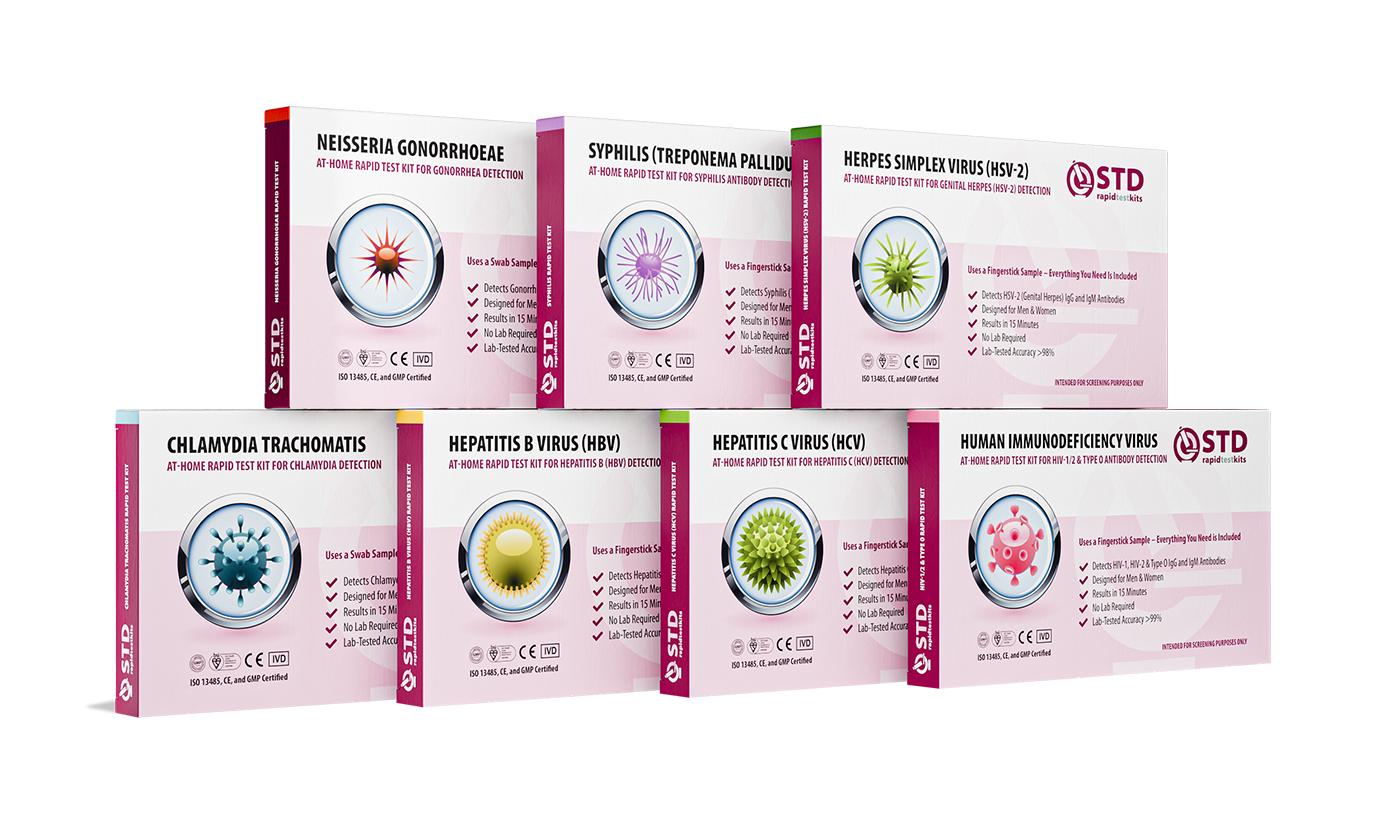
 For Men & Women
 Results in Minutes
 No Lab Needed
 Private & Discreet
Order Now $129.00 $343.00
For all 7 tests
Real People, Real Stories: STDs and the Lives Behind Them
History is headlines. Reality is personal. The stigma doesn’t just show up in textbooks, it shows up in living rooms, relationships, and bathroom mirrors. Let’s hear what that sounds like.
Ray, 58, diagnosed with HIV in 1993
“My diagnosis felt like a death sentence. Everyone treated me like I was contagious in every way. But I got on meds, stayed the course, and now I mentor others. The science works. You just have to stay engaged.”
Amira, 31, living with herpes
“I thought my dating life was over. Like I had to settle or lie. But now I just talk about it early. If someone can't handle it, they're not my person.”
Jordan, 27, post-chlamydia treatment
“I was embarrassed at first. Then I realized how many people deal with this. Now I test every 6 months and feel more in control than ever.”
STD Treatment Has Come a Long Way (But Shame Hasn’t)
Back in the day, if you had syphilis, they gave you mercury. If that didn’t kill the bacteria, it might kill you. In Medieval Europe, suspicion of an STD could land you in a quarantine house, or a grave.
Modern treatment is miles ahead. The introduction of penicillin in the 1940s revolutionized care for syphilis. And for HIV, antiretroviral therapy (ART) transformed the outlook from fatal to manageable, allowing many to live long, healthy lives. But while meds improved, the double standards didn’t.
Infected men were often seen as “players” or victims. Infected women? “Reckless,” “dirty,” or “damaged.” The history of STDs is also a history of gendered blame, and it’s still lurking under the surface of how we talk about testing today.
That’s why today’s public health work isn’t just clinical, it’s cultural.
From Shame to Science: Breakthroughs That Changed the Game
We’ve come a long way from mercury and prayer circles. Here’s how the modern world is reshaping STD prevention and detection:
- Rapid Testing: Home kits like the syphilis rapid test give results in minutes, no appointment, no lab coat.
- Telehealth: Providers now offer online consultations, prescriptions, and test delivery with total discretion.
- Vaccines: HPV and Hepatitis B vaccines already exist. Others are in development for major STIs.
- U=U Campaign: Undetectable = Untransmittable. When someone with HIV keeps viral levels undetectable through meds, they cannot transmit it sexually. This fact saves lives, and fights stigma.
- AI Risk Tools: New apps (some better than others) can help users assess STD risk based on behavior and history.
What’s clear? Testing is no longer something to fear, it’s something to own.
What STD History Teaches Us About Today’s Choices
You might wonder what medieval syphilis or ancient Roman "dripping disease" has to do with your dating app profile today. But make no mistake, how we understand the past changes how we protect ourselves now. STD history isn’t just a history of biology, it’s a roadmap for better decisions in the present.
Here’s how to use that knowledge today
- Normalize testing. Just like brushing your teeth, routine STD testing should be part of how you care for your body. You don’t have to wait for symptoms, or a scare, to check in.
- Ditch the shame. Millions have dealt with infections throughout history. You’re not gross, dirty, or reckless. You’re human.
- Be proactive. Understanding how STDs spread and persist helps you reduce risk, protect your partners, and avoid messy outcomes.
- Talk openly. Conversations about sexual health were once punishable by law. Now they’re your best defense. Use that privilege.
- Stay curious. Medical facts evolve. Testing methods improve. Never stop asking questions and learning what’s new in sexual health.
The Industry Ripple Effect: STDs Beyond the Bedroom
STDs don’t stop at personal health. Their ripple effects show up in government policy, tech innovation, education budgets, even your workplace benefits.
| Industry | Impact of STDs |
|---|---|
| Healthcare | Billions spent on treatment and prevention; new antibiotic development is now driven by resistant STDs |
| Education | Schools shifting to medically accurate sex ed; demand for inclusive, LGBTQ+ safe curricula is rising |
| Tech | Hookup apps now include health info and test reminders; wearables are being explored for infection tracking |
| Media | Shows like Euphoria and influencers like Ella Dawson have sparked open conversations about STDs |
| Workplaces | More companies include discreet STD testing in wellness perks; insurance plans expanding preventive coverage |
Let’s Debunk the Myths That Won’t Die
STD history is packed with misinformation, some of it centuries old and still circulating. Let’s set the record straight.
- “STDs are modern.” Nope. They go back millennia, long before clinics or condoms.
- “You’ll know if someone has one.” Most STDs are silent in early stages. You cannot judge someone’s status by looking at them, or dating them.
- “Only promiscuous people get STDs.” One encounter is all it takes. STDs don’t care about your number; they care about transmission.
- “STDs come from animals.” HIV likely jumped from primates to humans, but most STDs evolved right alongside us. They are human diseases.
- “No symptoms = no need to test.” False. Regular testing is key, even if you feel fine. Especially if you feel fine.

People are also reading: HIV Rates Are Shifting, What That Means for Testing From Home
FAQs
1. What’s the oldest STD we know about?
epends who you ask, but syphilis gets the historical spotlight, it tore through Europe in the 1490s like wildfire. That said, ancient papyrus scrolls and Roman records describe symptoms suspiciously similar to gonorrhea. These infections have been around longer than soap.
2. Did Columbus actually bring syphilis back from the Americas?
That’s one theory, and it’s got legs. Some researchers think his sailors picked up syphilis in the Caribbean and gave Europe more than gold and tobacco. Others say syphilis was already there, just lying in wait. Either way: ouch.
3. How did people treat STDs before antibiotics?
Brace yourself, people literally rubbed mercury on their bodies. Others tried arsenic, leeches, herbs, or “sweat it out” rituals. Most of it didn’t work and made things worse. Think: medieval vibes with zero germ theory.
4. When did HIV show up?
Officially? 1981. But the virus likely jumped from primates to humans decades earlier. It just didn’t get recognized until the 80s, when whole communities started dying, and being ignored because of who they were. Spoiler: science caught up, stigma didn’t.
5. Can you tell if someone has an STD by looking?
Nope. You can’t see chlamydia on someone’s face. Or HPV. Or herpes if they’re not having an outbreak. Most STDs are invisible in early stages, which is why regular testing matters way more than guesswork.
6. Is oral sex actually risky?
Yes, and yes again. You can catch or pass on gonorrhea, syphilis, herpes, even HPV through oral. Dental dams and condoms exist for a reason, even if they don’t get starring roles in porn.
7. Are today’s STDs harder to treat?
Some are, yeah. Gonorrhea has mutated like a sci-fi villain and is now resistant to several antibiotics. That’s why testing, treating early, and not skipping doses matters. You don’t want to be the host body for super-gonorrhea.
8. What’s the deal with at-home STD tests?
They are real, but only if you get them from reliable sources. FDA-approved kits from STD Rapid Test Kits are quick, accurate, and private. Just do what it says, and don't test too soon after being exposed. Timing is important.
9. Can you really have an STD with zero symptoms?
Oh absolutely. Chlamydia, for example, is famous for being sneaky. So is HPV. That’s why people unknowingly spread infections, and why relying on “I feel fine” is a losing strategy.
10. Are we ever going to eliminate STDs for good?
Maybe someday, but don’t hold your breath. Until there are vaccines for every major STI and universal access to care, they’ll keep circulating. The good news? You’ve got more tools than ever to stay informed, get tested, and protect yourself. That’s power.
Before You Panic, Here’s What to Do Next
You’ve just read thousands of years of sexual history in a single sitting. From the tombs of Egypt to the bedrooms of today, STDs have shaped lives, policies, and relationships. But the real story isn’t about shame. It’s about survival, and choice.
You get to choose how your story goes. Essential 6-in-1 STD At-Home Rapid Test Kit offers clarity in minutes. No clinic. No questions. Just answers.
Your health. Your terms. Your future.
How We Sourced This Article: We combined current guidance from leading medical organizations with peer-reviewed research and lived-experience reporting to make this guide practical, compassionate, and accurate. In total, around fifteen references informed the writing; below, we’ve highlighted some of the most relevant and reader-friendly sources.
Sources
1. CDC STD Treatment Guidelines
2. WHO – Sexually Transmitted Infections (STIs)
3. History of sexually transmitted infections (STI) | PubMed
4. STIs Through the Centuries | UK Health Security Agency Blog
5. History of Sexually Transmitted Disease | News-Medical
About the Author
Dr. F. David, MD is a board-certified infectious disease specialist who works to stop, diagnose, and treat STIs. He combines clinical accuracy with a straightforward, sex-positive attitude and wants to make his work available to more people, both in cities and in rural areas.
Reviewed by: M. Langford, RN, MPH | Last medically reviewed: November 2025
This article is for informational purposes and does not replace medical advice.


