





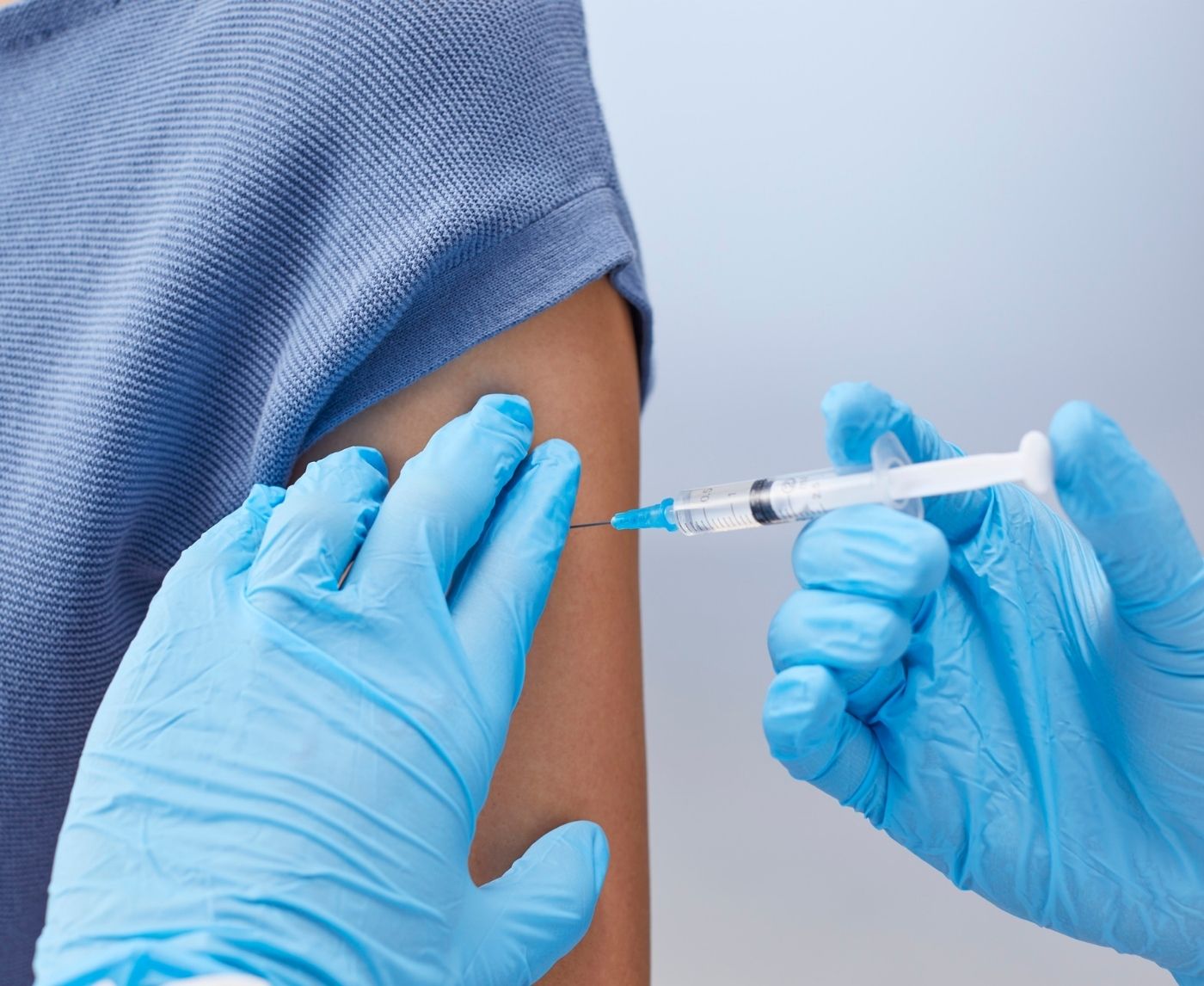

Quick Answer: Lenacapavir is a long-acting injectable PrEP option that provides HIV prevention with just two doses per year. It's designed for people who want low-maintenance, high-protection alternatives to daily pills.
Why a Biannual PrEP Option Matters in 2025
Let’s be real, daily PrEP has saved lives. But it’s also failed a lot of people, not because the medication didn’t work, but because life got in the way. Missed doses. Running out of refills. Feeling judged. Struggling with routines in chaotic lives. For some, the burden of “doing it right” became a barrier to starting at all.
Lenacapavir changes that equation. With just two injections per year, it removes the mental load of remembering daily pills while still offering powerful protection against HIV. And in 2025, access is expanding. More providers are getting trained. More clinics are offering it. Some early adopters, like Jordan, are already shifting, and sharing their stories.
“I didn’t realize how much anxiety I had about missing doses until I stopped needing to remember them,” Jordan told his nurse practitioner at his three-month check-in. “Now I think about HIV protection twice a year. That’s it.”
But it’s not just about convenience. For people experiencing housing instability, mental health struggles, or stigma in their communities, injectable PrEP offers something much deeper: autonomy. It turns HIV prevention into a low-maintenance, low-visibility routine that feels doable, and for many, life-changing.
How Lenacapavir Works Inside the Body
Lenacapavir isn’t a daily pill or a weekly reminder. It’s a long-acting capsid inhibitor that disrupts the ability of HIV to replicate at multiple stages of its lifecycle. Once injected, it forms a slow-release depot under the skin that provides consistent levels of medication over six months.
That means you won't be tired of taking pills anymore. Stop hiding the bottles. You can't count on perfect habits to keep you safe anymore. Patients get an injection every six months after two initial loading doses. The injection is usually given in the thigh or buttock. It's quick, private, and based on science.
In clinical trials, such as Gilead’s CAPELLA and PURPOSE studies, Lenacapavir showed strong safety and efficacy for HIV prevention, particularly in high-risk populations, including men who have sex with men (MSM), transgender women, and individuals with adherence challenges on oral PrEP.
People are also reading: South Dakota Leads the Nation in Congenital Syphilis. Here’s How Home Testing Can Help Expecting Moms
PrEP, but Make It Flexible: Daily vs. Injectable Options
Let’s break it down. Until now, the two most commonly prescribed PrEP options were:
- Truvada (tenofovir/emtricitabine): The original daily oral PrEP
- FDA-approved and widely available.
- Descovy: A newer daily oral option for people assigned male at birth who don’t engage in receptive vaginal sex.
But injectable options like Cabotegravir (every 2 months) and now Lenacapavir (every 6 months) are changing the playing field. Here’s how they compare:
| PrEP Option | Dosage Frequency | Who It's For | Biggest Advantage |
|---|---|---|---|
| Truvada | Daily pill | All genders | Affordable, well-studied |
| Descovy | Daily pill | AMAB, no vaginal sex | Fewer kidney/bone side effects |
| Cabotegravir | Every 2 months (injection) | All genders | No daily pills |
| Lenacapavir | Every 6 months (injection) | High-risk adults (expanding) | Lowest maintenance option |
Table 1. Comparison of current PrEP options by frequency, target population, and primary benefit.
What makes Lenacapavir unique is the timeline: a full six months of protection from a single subcutaneous dose. That opens doors for people who travel frequently, who live in rural areas with limited clinic access, or who simply prefer a prevention method that doesn’t interrupt their day-to-day life.
Check Your STD Status in Minutes
Test at Home with RemediumHIV Rapid Test Kit
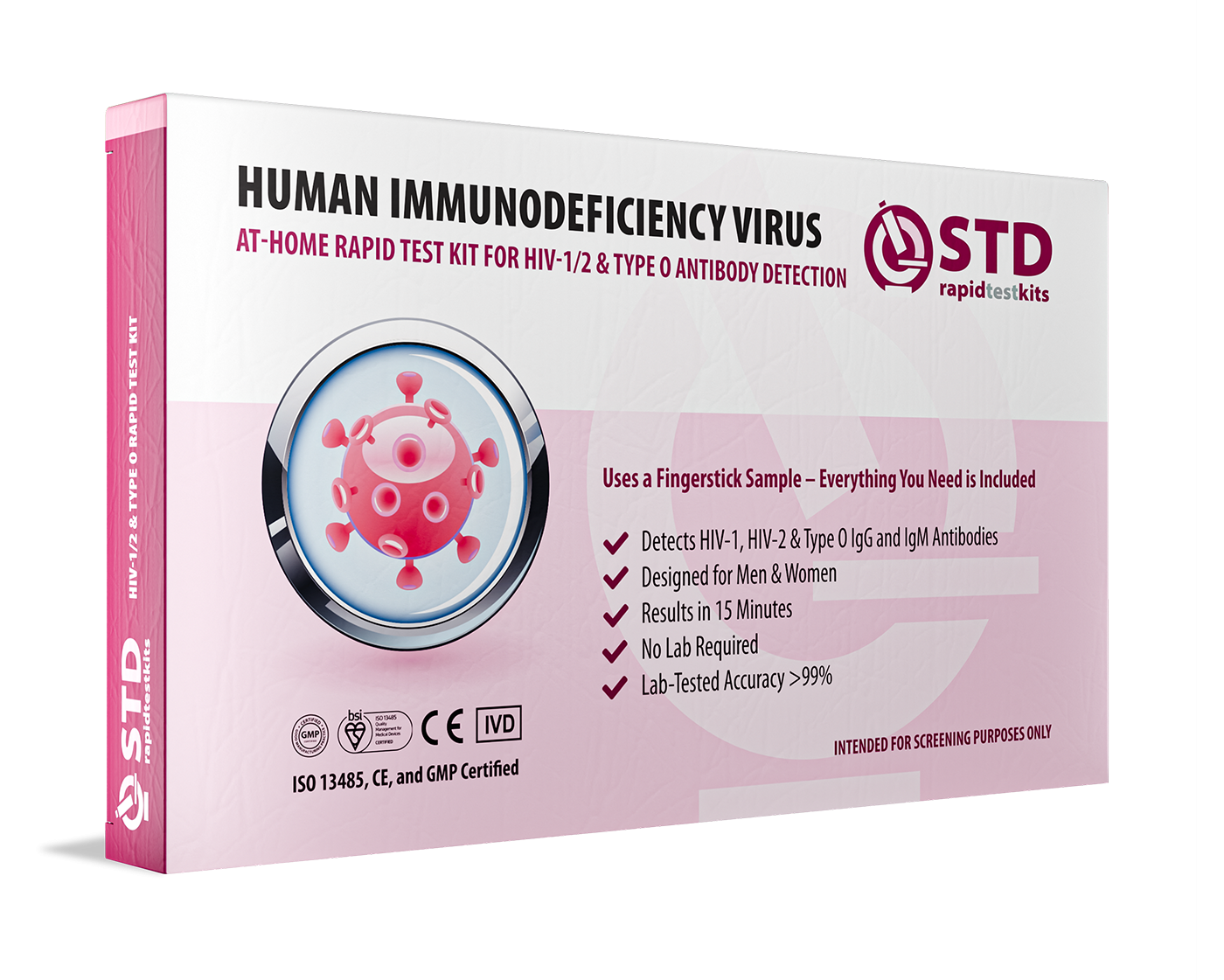
 For Men & Women
 Results in Minutes
 No Lab Needed
 Private & Discreet
Order Now $33.99 $49.00
Can You Still Get HIV on Lenacapavir?
This is the question most people Google in the dark, often with shaky fingers: “Can I still get HIV on injectable PrEP?” The answer is complex, but honest.
While Lenacapavir significantly reduces the risk of HIV transmission, no PrEP option is 100% foolproof. A small number of infections have occurred during clinical trials, often tied to very early exposure (before full protection kicked in) or viral resistance in partners.
In one notable 2024 study, researchers noted that while Lenacapavir had an efficacy of over 97% in high-risk populations, timing and consistency still mattered. A missed follow-up dose or early-stage exposure before the drug reaches full concentration can create vulnerability.
That’s why healthcare providers recommend an HIV test before starting PrEP, again at follow-up appointments, and immediately if symptoms appear or risky exposure occurs. Think of it like this: Lenacapavir is a powerful tool, but testing is still part of the equation.
This leads us to an important topic: how Lenacapavir changes your STD testing rhythm. We’ll dig into that next.
How Lenacapavir Changes HIV and STD Testing Windows
Before Lenacapavir, the rhythm was simple: you took a daily PrEP pill, and you tested every three months for HIV and other STDs. It was predictable, even if it felt like a chore. But twice-yearly PrEP means longer stretches between visits, and that changes how testing fits into your prevention routine.
Testing every six months is still the clinical standard when you're on long-acting PrEP. But that doesn't mean you only test twice a year, no matter what. If you have new symptoms, a condom breaks, or a partner discloses something, you may need to test sooner. And for people with multiple partners or high exposure, some providers recommend layering additional STI tests between injections, just without the injection visit.
Let’s break that down in terms of what this really looks like over a year:
| Time Point | Action | What to Test For |
|---|---|---|
| Month 0 | Initial HIV test + 1st Lenacapavir injection | HIV, Gonorrhea, Chlamydia, Syphilis |
| Month 3 | Routine STI panel (optional, symptom-based) | Gonorrhea, Chlamydia, Syphilis |
| Month 6 | HIV test + 2nd injection | HIV, Gonorrhea, Chlamydia, Syphilis |
| Month 9 | STI panel if needed | Gonorrhea, Chlamydia, Syphilis |
| Month 12 | HIV test + next injection | HIV, full STI panel |
Table 2. Sample testing rhythm for a person using Lenacapavir in 2025, with HIV and STI testing checkpoints based on best practices.
Think of it this way: the injection protects you from HIV, but it doesn't guard against gonorrhea, chlamydia, syphilis, or hepatitis. That’s why PrEP and STD testing go hand-in-hand, especially when using a long-acting form that could make you forget you're even “on something.”
One user on Reddit summed it up perfectly after starting Lenacapavir: “It’s like out of sight, out of mind. I forgot to test until I had symptoms. Don’t be me.”
If you’re using long-acting PrEP, set a reminder every three to four months to check in on your sexual health, whether or not you're due for your shot.
Case Study: Why Testing Still Matters, Even on Injectable PrEP
Marco, 32, switched to Lenacapavir early in 2025. He loved it, no pills, no stress. But in September, he developed an itchy rash and swollen glands after a weekend hookup. He thought it couldn’t be HIV, he was “protected.” But when he finally got tested in October, the results were more complicated.
He was HIV negative. But his doctor found an active syphilis infection, and early markers of hepatitis B. He hadn’t tested since his shot in March. That six-month gap? Too long.
“I got lazy,” Marco told a support group online. “Lenacapavir worked. But I forgot to keep testing. I assumed I was good. I wasn't.”
Marco’s story isn’t rare. Long-acting PrEP is powerful, but it can make people less vigilant. That's why we keep repeating: PrEP isn’t a replacement for awareness, it’s a support system.
If you’re switching to an injectable option, think about setting up an STD testing kit at home every 3–4 months. It’s private, fast, and doesn’t require a clinic. You can order discreet STD test kits here, or browse combo options designed for multi-infection screening.
Who Can (and Should) Use Lenacapavir?
Right now, Lenacapavir is FDA-approved for HIV treatment and in advanced stages for prevention use in high-risk groups. That includes people who:
- Have a history of missing daily PrEP doses
- Experience stigma or fear around taking daily pills
- Are at ongoing risk due to partners or profession
- Prefer long-acting methods over oral options
But not everyone is a good candidate. You need to get lenacapavir shots at a clinic or from a trained provider on a regular basis. It’s not yet self-injectable, and follow-ups still matter. Plus, if you’ve already acquired HIV without knowing, the medication could cause resistance if taken incorrectly.
That’s why every Lenacapavir regimen starts with a baseline HIV test and symptom screening. And it’s why healthcare providers carefully walk patients through risks, benefits, and expectations.
For many, especially those who’ve struggled with stigma, trauma, or past medical neglect, the shift to an injection feels freeing. One nonbinary patient described it this way:
“I don’t have to carry a bottle with a big red ‘HIV prevention’ label anymore. No one has to know. That’s power.”
Still, starting injectable PrEP isn’t a magic switch. It’s a process. Next, we’ll look at what that process actually involves, and how to make the transition smooth.
What It’s Like to Start Lenacapavir: The First Appointment and Beyond
Starting Lenacapavir isn’t as simple as walking in and getting a shot. There’s a prep phase, pun intended. You’ll go through a few key steps before that first injection ever happens. And if your provider isn’t familiar with it yet? You may be the one educating them.
Here’s how it usually plays out:
You call your clinic or sexual health provider and ask about Lenacapavir. If they’re offering it (or soon will), they schedule an intake. That appointment includes a full medical history, an HIV test (you must test negative to start), and sometimes STI panels. Some providers do a lead-in with oral PrEP first; others don’t. But everyone agrees: you can’t just inject and walk away forever. It’s a shared plan.
At your next appointment, after the labs clear, you get your first injection. The needle is long, but the process is quick. A nurse walks you through aftercare, helps set up reminders for the next dose, and schedules your follow-up, usually six months later. If you're new to injections, they’ll make sure you’re monitored afterward for any reactions.
For many, the experience feels surreal. One user in a queer health Discord put it this way:
“I walked out of that clinic and thought: ‘That’s it? I’m good for six months?’ It was kind of wild. Like my body was on autopilot protection mode.”
Still, side effects can happen. And navigating cost and insurance can be a headache. Let’s get into those next.
Side Effects and Red Flags: What You Should Watch For
Like any medication, Lenacapavir comes with a short list of common side effects, and a much shorter list of rare but serious ones. In studies, most people reported either no side effects or mild issues that resolved within a few days.
| Symptom | Frequency | What It Feels Like | When to Call a Provider |
|---|---|---|---|
| Injection site pain | Common | Soreness, pressure, redness | If it lasts more than 3–4 days or worsens |
| Fatigue | Occasional | Body tiredness for a day or two | If fatigue becomes extreme or persistent |
| Headache | Occasional | Mild to moderate, usually day of injection | If severe or ongoing |
| Hypersensitivity | Rare | Rash, fever, nausea, swelling | Immediately, this could be a reaction |
Table 3. Common and rare Lenacapavir side effects based on clinical trial data from 2023–2024.
Talk to your doctor before starting if you've ever had problems with injections, drug allergies, or autoimmune diseases. And if you experience anything severe or unexpected, don’t hesitate, call your clinic. It’s your body, your safety.

People are also reading: Why Anal Sex Raises Your Risk for STDs (Even with Condoms)
Let’s Talk Cost: What Lenacapavir Costs (and What’s Covered)
Here's the raw truth: Lenacapavir is expensive. In 2025, it’s still under patent and not yet available in generic form. Without insurance, one injection can cost between $4,000 and $6,000, meaning $8,000–$12,000 per year. But most people don’t pay that.
Why? Most insurance plans that cover Truvada or Descovy also cover injectable PrEP. Gilead also has a program to help patients, and clinics like Planned Parenthood or local LGBTQ+ health centers often help patients find funding.
Still, access is uneven. One user in a rural area reported being told to drive 90 minutes just to find a provider who offered Lenacapavir. Another had to educate their own doctor about it. Access is growing, but it’s not yet universal.
Pro tip: call your insurance first and ask if Lenacapavir for PrEP is covered under your preventive medication benefit. If it isn’t, ask about exceptions or clinical trials. And check with a provider that specializes in sexual health, they’ll often help file paperwork or recommend workarounds.
If you're looking for stopgap protection while sorting access, consider discreet at-home HIV and STD test kits from STD Rapid Test Kits. They won’t replace PrEP, but they can keep you informed and proactive during the gap.
Check Your STD Status in Minutes
Test at Home with Remedium8-in-1 STD Test Kit
 For Men & WomenResults in MinutesNo Lab NeededPrivate & Discreet
Order Now $149.00 $392.00
For all 8 tests
The Emotional Side: Why Lenacapavir Feels So Different
PrEP has always been more than just science. It’s about identity, stigma, fear, desire, and survival. And injectable PrEP adds a new emotional layer. For some, it feels empowering, like tech finally catching up to reality. For others, it’s a reminder of medical trauma, mistrust, or dysphoria.
One 24-year-old queer transmasc person, who asked not to be named, shared this with their nurse: “I hated taking a pill every day. It made me feel like I was sick, even though I wasn’t. The shot helped me reclaim my body.”
For people navigating shame, religion, hookup culture, or partner judgment, removing daily pills can also remove a daily trigger. No one sees you take it. No one asks questions. You don’t have to lie, hide, or justify. And for many, that’s the point.
Lenacapavir isn’t just medical, it’s cultural. It’s about making HIV prevention easier for people who’ve been excluded from the “ideal patient” mold. And it’s about building futures where protection doesn’t come with pressure.
What If You Miss a Dose or Want to Switch Back?
Life changes. So do routines, partners, and health priorities. If you miss your Lenacapavir dose, let’s say you forget your six-month appointment or life gets chaotic, what happens?
The short answer is that you're not immediately unprotected, but the later the dose, the more likely you are to have gaps in coverage. Providers recommend scheduling the next injection as soon as possible, ideally within a 2-week buffer. If it’s been longer, your provider may re-test for HIV before restarting and may recommend a bridge plan with oral PrEP to stay covered during the gap.
Some users switch back to pills after trying the injection. That’s okay too. There’s no shame in adjusting. Whether due to cost, access, side effects, or personal preference, you can move between PrEP types if it’s done under supervision.
If you’ve missed a dose and aren’t sure if you’re protected, the first step is testing. Use an at-home HIV test or schedule a clinic appointment. From there, decide on your next step, Lenacapavir again, oral PrEP, or PEP (if exposure was recent).
Your protection plan should work for your life, not the other way around.
FAQs
1. Can Lenacapavir really protect me for six whole months?
Yes, and it’s wild, right? One tiny shot under the skin, and boom, you’re covered for about 26 weeks. But remember, “covered” doesn’t mean invisible. You still need regular check-ins and HIV tests to make sure everything’s working the way it should.
2. What if I miss my follow-up injection?
Life happens. If you're late by a few days or even a couple of weeks, your provider can usually work with that. But the longer you wait, the more risk creeps in. Think of it like an umbrella, you don’t notice it until it’s raining. If you’ve missed your window, get tested and ask about bridging with daily PrEP while you get back on schedule.
3. Is Lenacapavir better than Truvada or Descovy?
“Better” depends on your life, not the pill. If you love routines and don’t mind daily meds, Truvada or Descovy are solid choices. But if you’re forgetful, burned out, or want something low-maintenance, Lenacapavir feels like a breath of fresh air. One user said, “I finally feel like I’m not babysitting my protection.”
4. Can I get HIV even if I’m on Lenacapavir?
Technically, yes, but it’s rare. No method is bulletproof. The biggest risks come from starting PrEP when you already have undiagnosed HIV, or waiting too long between doses. That’s why testing before and during your injections is a must. It’s not paranoia, it’s just smart.
5. Do I still need to get tested for STDs?
Absolutely. Lenacapavir protects you from HIV, not from syphilis, gonorrhea, chlamydia, or anything else that likes to sneak in below the belt. One reader said they forgot to test for six months, until a rash popped up and surprised them. Moral of the story? Don’t wait for symptoms. Make regular testing part of your rhythm.
6. How much does Lenacapavir cost?
Without insurance, it’s pricey, think a few grand per shot. But most people don’t pay full price. If you’re insured, check if it’s covered under your preventive plan. If not, programs exist to help with costs. Local LGBTQ+ clinics and community orgs are also great at navigating assistance. Ask. Always ask.
7. Can I use Lenacapavir if I’m trans or nonbinary?
Yes, and that matters. Clinical trials are finally (finally!) including trans and nonbinary folks. In 2025, access still depends on your provider, but there’s nothing about Lenacapavir that limits it to cis bodies. Bring your full self to the table, you deserve care that sees you.
8. Will anyone know I’m using PrEP?
Not unless you tell them. Lenacapavir doesn’t involve daily pills, bottles, or pharmacy pickups. It's discreet AF. You show up, get your injection, and go. That’s why so many people with privacy concerns are switching, they don’t want questions, and they shouldn’t have to answer any.
9. What if I want to stop Lenacapavir?
You’re allowed to change your mind. Whether it’s side effects, access, or just a shift in your sex life, you can stop injections and talk to your provider about switching to daily pills, or nothing at all. Just make a plan before you stop, so you're not caught unprotected.
10. Where can I test between shots?
Easy: test at home. Grab a combo test kit and handle things on your own terms. Or drop by a clinic if you’d rather talk to a pro. The important thing is not waiting until something feels off, by then, it's already complicated.
You Deserve Peace of Mind That Lasts
Lenacapavir isn’t just a medical milestone, it’s a quiet revolution. It lets you protect yourself without daily reminders, pharmacy runs, or excuses. And it makes HIV prevention less about perfection and more about possibility.
Whether you’re just learning about PrEP or you’ve tried everything before, this new option offers something rare in sexual health: simplicity. But it only works if it fits your life, and that includes regular testing, self-awareness, and follow-up care.
Don’t let confusion or gaps stop you from taking the next step. This combo test kit helps you stay on track, whether you’re starting PrEP, switching methods, or just want answers.
How We Sourced This Article: We combined current guidance from leading medical organizations with peer-reviewed research and lived-experience reporting to make this guide practical, compassionate, and accurate.
Sources
1. NIH Statement on Preliminary Efficacy Results of Twice‑Yearly Lenacapavir HIV Prevention
2. Breakthrough Lenacapavir Trial Builds on Decades of NIH Investment
3. U.S. Clinical Trials Begin for Twice‑Yearly HIV Prevention Injection
4. Lenacapavir: A Potential Game Changer for HIV Prevention in the Global Setting
5. WHO Recommends Injectable Lenacapavir for HIV Prevention
6. Lenacapavir Patient Drug Record – HIV.gov
7. Injectable Lenacapavir for PrEP – PrepWatch
About the Author
Dr. F. David, MD is a board-certified infectious disease specialist focused on STI prevention, diagnosis, and treatment. He blends clinical precision with a no-nonsense, sex-positive approach and is committed to expanding access for readers in both urban and off-grid settings.
Reviewed by: Janelle Kim, NP | Last medically reviewed: November 2025
This article is for informational purposes and does not replace medical advice.


