Published: November 2025 | Last updated: May 2026 | Editorial review and quality control: Martina N.
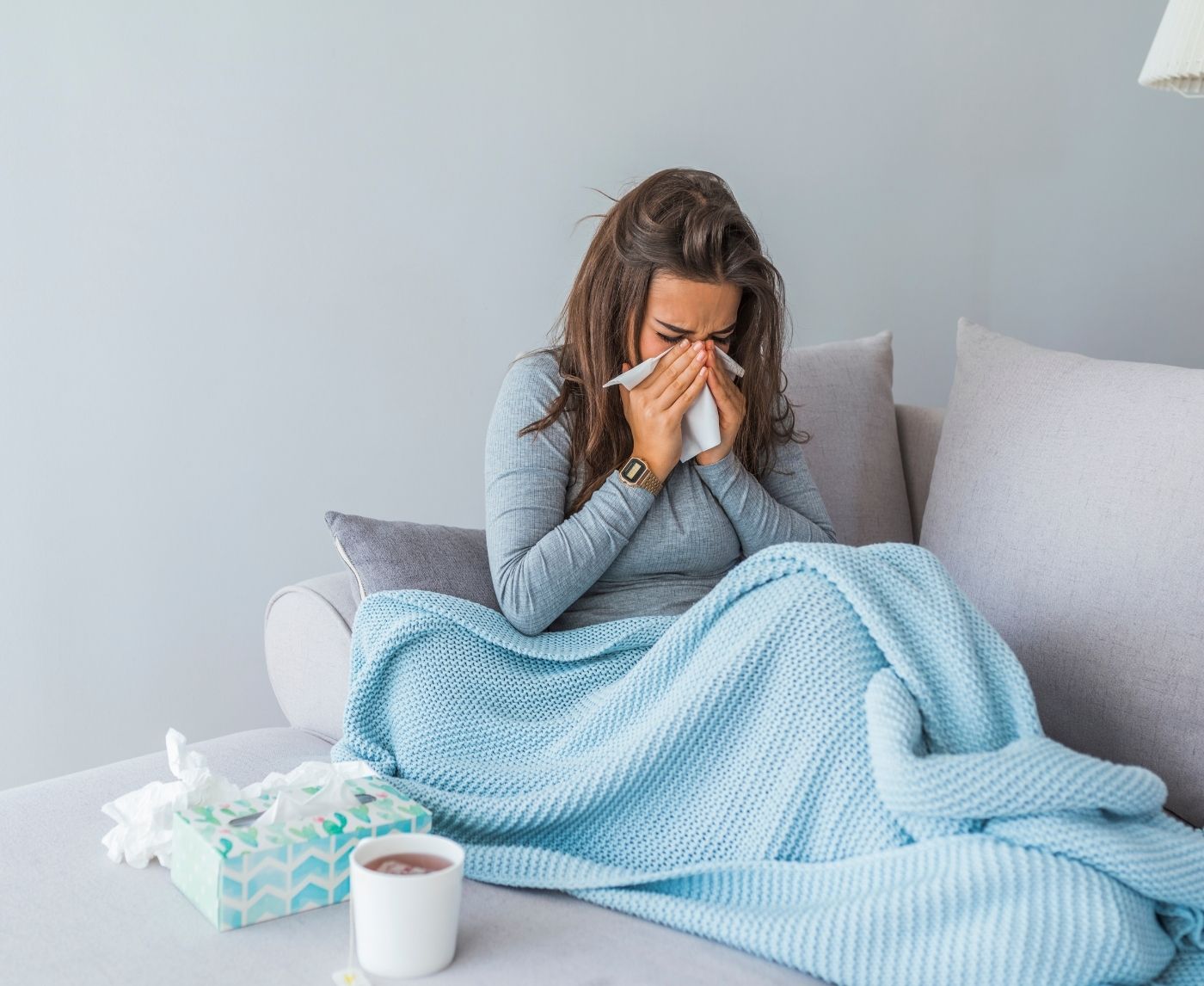
Body aches, low fever, sore throat, and swollen glands are among the most common symptoms in all of medicine. They show up with seasonal flu. They show up with COVID. They show up after dehydration, lost sleep, and big anxiety spikes. They show up after long weekends with too much alcohol and not enough rest. On their own, none of those symptoms are diagnostic of anything.
But context changes everything. If body aches after a hookup sent you searching tonight, you are not alone, and the timing of those symptoms matters more than the symptoms themselves. Shame amplifies sensation. Fear sharpens awareness. Normal muscle soreness can suddenly feel ominous. The rest of this guide separates what timing tells you about HIV, mono, common viruses, and stress, so you can plan instead of spiral.
Key Takeaways
- Acute HIV symptoms typically begin 2 to 4 weeks after exposure, not within a few days. Aches that appear within 1 to 5 days more often point to a routine viral illness, dehydration, or stress.
- A 4th-generation antigen/antibody HIV test is generally reliable from about 18 to 45 days after exposure, per the U.S. Centers for Disease Control and Prevention. Earlier negatives need a follow-up test at the appropriate window.
What Early HIV Feels Like, and What It Usually Doesn't
There is a particular fear attached to the phrase "acute HIV." It sounds sudden and catastrophic. In reality, early HIV infection often resembles a strong flu.
Some people experience fever, muscle aches, sore throat, and swollen lymph nodes. A faint pink rash can appear, often across the chest or torso. Others feel only mildly ill. A meaningful portion of newly infected people feel nothing at all in the first few weeks, which is why public-health agencies stress testing rather than symptom-watching.
The part that matters most: symptoms alone cannot diagnose HIV. They overlap almost perfectly with dozens of other infections. That is why clinicians rely on testing, not guesswork.
Consider two stylized examples. Two weeks after unprotected sex, someone wakes up with a 101°F fever, body aches, and a strange pink rash across the chest. The timing aligns with the known 2 to 4 week window when acute HIV symptoms may appear, so testing is medically appropriate.
Now consider a different pattern: three days after a hookup, someone develops a scratchy throat and mild body aches, no rash, no fever. The timing is biologically inconsistent with acute HIV, because the immune response usually does not ignite that fast. Timing is not moral; it is a mechanical fact of viral biology. If you are searching "HIV symptoms 3 days after exposure," the honest read is this: anxiety can begin within minutes, but HIV symptoms generally do not.
| Condition | Typical Onset After Exposure | Common Symptoms | How Common? |
|---|---|---|---|
| Early HIV (acute HIV) | 2–4 weeks (rarely earlier than 10 days) | Fever, body aches, sore throat, rash, swollen lymph nodes, fatigue | Occurs in some newly infected individuals; many feel nothing |
| Mono (Epstein-Barr virus) | 4–6 weeks after exposure | Crushing fatigue, severe sore throat, swollen glands, fever | Very common in teens and young adults |
| Seasonal viral illness | 1–5 days after exposure | Body aches, congestion, sore throat, fever | Extremely common year-round |
| Stress / anxiety response | Hours to days after the trigger | Muscle tension, aches, fatigue, nausea, racing heart | Common during high-anxiety periods |
Mono, Kissing, and the Hookup You're Blaming
Mono has a reputation as "the kissing disease," which makes it feel tied to romantic or sexual contact. It does spread through saliva. But its incubation period is long. MedlinePlus, the U.S. National Library of Medicine's consumer-health resource, states that mono symptoms typically appear 4 to 6 weeks after exposure to the Epstein-Barr virus. The U.K. National Health Service adds that people can be infectious for up to 7 weeks before any symptoms appear. That means the sore throat that appeared this weekend almost certainly traces back to a different interaction weeks ago, not the hookup you keep replaying.
Mono also produces a very specific kind of fatigue. People often describe it as bone-deep exhaustion that lingers for weeks, far beyond a rough Monday feeling or a mild flu. It can flatten someone for a month or more.
Swollen lymph nodes in the neck appear in both mono and early HIV, which is a major reason the two get confused online. Timing matters more than symptom similarity. If you are only days out from your encounter, mono is unlikely to be the immediate culprit. If you are four or five weeks out and suddenly wiped out with swollen glands and fever, mono moves higher on the differential.
One more thing worth saying plainly: mono spreads through saliva in everyday life, including shared drinks, utensils, and casual kissing, rather than through the penetrative routes that define a traditional STI. The stigma people attach to a mono diagnosis often says more about shame than about science.

The Window Period: When Testing Becomes Reliable
The phrase "window period" gets thrown around online without much explanation. It refers to the time between exposure and when a test can reliably detect infection. Testing too early can produce a false negative; the body has simply not yet produced detectable markers.
The CDC states that a 4th-generation antigen/antibody lab test can usually detect HIV between 18 and 45 days after exposure. Rapid antibody-only tests detect HIV later, generally between 23 and 90 days. A nucleic acid test (NAT) at a lab can detect HIV earlier, often between 10 and 33 days, but is reserved for high-risk situations or specific symptoms.
| Infection / Test | Earliest Detection Window | Best Time for Reliable Results |
|---|---|---|
| HIV (4th-gen antigen/antibody, lab) | 18–45 days post-exposure | About 45 days after exposure |
| HIV (rapid antibody, finger-stick or oral) | 23–90 days post-exposure | About 90 days after exposure |
| HIV (nucleic acid test, lab) | 10–33 days post-exposure | About 33 days after exposure |
| Mono (EBV antibody panel) | 2–4 weeks | 4–6 weeks |
| Common respiratory viruses | 1–3 days | During active illness |
How soon after sex can an HIV test rule it out?
A 4th-generation antigen/antibody lab test is generally reliable from about 18 to 45 days after exposure, with most experts recommending a follow-up test at the longer end of that window for full confidence. Rapid antibody tests need 23 to 90 days. If you are inside the window, an early negative is information rather than a final answer; mark a retest date at the appropriate interval.
This article is published by stdrapidtestkits.com, which sells at-home STI testing kits. We recommend products that match the reader's concern, not commercial convenience. Where the right next step is a clinic visit (for example, PEP within 72 hours of a high-risk exposure, or an in-person evaluation for severe symptoms), we say so.
When Anxiety Mimics Infection
There is a version of this story that rarely gets written about in medical blogs. It is the version where nothing is medically wrong, but everything feels wrong. Your shoulders are tight. Your sleep is fractured. Your stomach flips every time you think about that night. You replay details like evidence in a trial that only you are prosecuting.
Anxiety activates many of the same stress hormones the body releases during infection. Cortisol shifts, muscles tense, and inflammatory pathways nudge upward. People can feel flushed, achy, nauseated, or exhausted. If you have ever Googled "can stress cause flu symptoms," you already know the answer is yes; it can produce body aches and fatigue that feel eerily physical.
Stress after a hookup is common, especially when the encounter was spontaneous, involved alcohol, or felt out of character. The nervous system does not always distinguish between emotional threat and biological threat. It just reacts.
This does not mean dismiss your symptoms. It means including anxiety in the differential alongside infection rather than assuming the worst-case diagnosis first.
- Anxiety pattern: aches and fatigue that ease with reassurance, sleep, or distraction; no measurable fever; symptoms wax and wane with mental focus on the worry.
- Infection pattern: aches that are steady or worsening over hours to days, usually paired with measurable fever (over 100.4°F), and tend not to ease with reassurance alone.
- Overlap zone: both can cause muscle aches, fatigue, headaches, mild GI upset, and feeling generally unwell, which is why timing and a thermometer reading matter more than symptom checklists.
Red Flags That Deserve Immediate Medical Care
Most flu-like symptoms after sex are benign. Some situations, though, warrant prompt evaluation because certain conditions need urgent care regardless of cause. Two patterns stand out: severe symptoms that point beyond any typical viral illness, and a known high-risk exposure within the past 72 hours where post-exposure prophylaxis (PEP) might still be on the table.
Per the U.S. Centers for Disease Control and Prevention, PEP for HIV must be started within 72 hours of exposure to be effective, and the sooner the better. If you are inside that 72-hour window and worried about a high-risk exposure (sexual assault, a condom failure with a partner whose viral status is unknown or detectable, or another non-consensual exposure), do not wait for symptoms. Seek emergency care, an urgent-care clinic, or a sexual-health clinic immediately and ask about PEP.
- Persistent high fever above 102°F that does not respond to over-the-counter medication.
- Severe headache combined with neck stiffness or sensitivity to light.
- Confusion, disorientation, or trouble staying awake.
- Difficulty breathing or chest pain.
- A rapidly spreading rash, especially with fever or blistering.
These symptoms point beyond typical acute HIV or mono and into territory that needs in-person assessment. Do not wait for the testing window; go to urgent care or an emergency department.
Understanding Risk From a Single Encounter
Another silent amplifier of fear is uncertainty about how much risk a single encounter carries. Many people assume one unprotected hookup automatically equals a high probability of HIV, but per-act transmission risk depends on a stack of factors.
Those factors include whether your partner is living with HIV, whether they are on antiretroviral therapy with an undetectable viral load, the type of sex involved, whether condoms or PrEP were used, the presence of other sexually transmitted infections, and whether there were open sores or visible bleeding.
Receptive anal sex without a condom carries the highest per-act HIV risk. Insertive vaginal sex carries lower per-act risk than receptive anal but is still meaningful when other STIs are present. Oral sex carries significantly lower risk for HIV than either, though other infections like gonorrhea and herpes can transmit orally.
This context does not erase anxiety, but it reframes it. One unprotected encounter rarely guarantees infection; per-act risk depends on the factors above. Symptoms that appear within three to five days of exposure are far more consistent with everyday viral illness than with acute HIV.
Per the U.S. Centers for Disease Control and Prevention, when a partner living with HIV takes antiretroviral therapy as prescribed and maintains a sustained undetectable viral load, they will not sexually transmit HIV. The CDC summarizes this as "undetectable equals untransmittable," often shortened to U=U.
If your partner was on effective treatment with documented viral suppression at the time of your encounter, your sexual HIV transmission risk from that contact is effectively zero. Testing for other STIs can still be appropriate, since U=U applies only to HIV.
How Testing Strategy Changes the Emotional Arc
The moment you shift from rumination to plan, the story changes. Instead of asking "Is this HIV?" you start asking "When can I test accurately?" That is a different mental posture. It is proactive rather than reactive.
Picture a stylized example. Someone develops mild flu symptoms four days after a hookup. They learn that early HIV symptoms usually appear after at least ten days, more commonly two to four weeks. They schedule a 4th-generation antigen/antibody test at the four-week mark, order a discreet at-home option, and put the date in their calendar. Suddenly the ache in their legs is just a sensation that will pass while they wait for clarity.
If you are navigating the same limbo, the same plan works for you. Pick a test that matches your timing. Build in a retest date if you are inside the window so an early result has follow-up to make it meaningful.
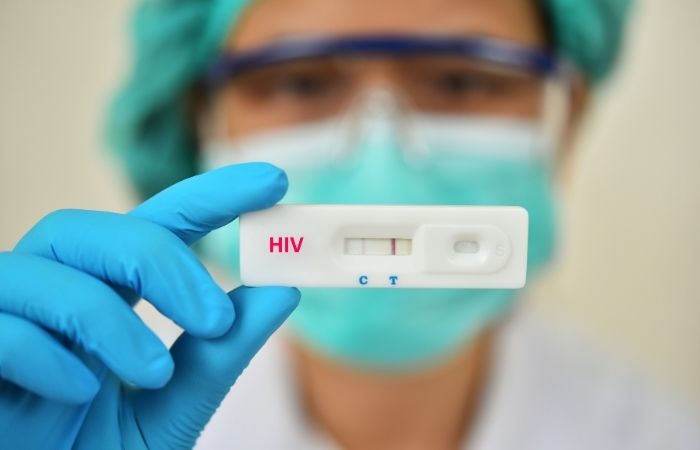
Symptoms alone can't tell you if you have HIV. The only way to know your HIV status is to get tested.
Putting the Timeline Together
Step back and integrate everything. Most viral respiratory infections incubate in one to five days, which means symptoms appearing within that window strongly suggest a common virus or a stress response rather than a sexually transmitted infection.
Acute HIV symptoms typically emerge two to four weeks after exposure. They may include fever, body aches, sore throat, swollen lymph nodes, rash, and fatigue. These symptoms are non-specific, and not everyone gets them.
Mono generally surfaces four to six weeks after exposure, often with profound fatigue and significant swollen glands. Anxiety can trigger muscle aches and flu-like sensations within hours or days of a stressful event, especially when sleep, hydration, or alcohol intake have been disrupted.
| Days Since Exposure | Most Likely Causes of Body Aches | Acute HIV Likelihood by Timing Alone |
|---|---|---|
| 1–5 days | Common virus, dehydration, stress response | Very unlikely |
| 6–10 days | Common virus, very early immune activation (rare) | Still unlikely |
| 14–28 days | Possible acute HIV, plus viral illness or early mono | Appropriate window for testing |
| 4–6 weeks | Mono more consistent; HIV detectable on most tests | Reliable testing window |
What Happens If the Test Is Positive?
This is the question that keeps people awake. It deserves a direct answer.
If you test positive for HIV today, modern antiretroviral therapy allows people to live long, healthy lives with close to normal life expectancy. Treatment suppresses the virus to undetectable levels in most people, and at undetectable levels HIV does not transmit sexually. The medical landscape is radically different from the fear narratives many of us grew up with.
If you test positive for chlamydia or gonorrhea, treatment is typically straightforward, often a single course of antibiotics. Mono needs supportive care and time, not antibiotics. Most viral illnesses resolve without complication, sometimes within days, sometimes over a few weeks.
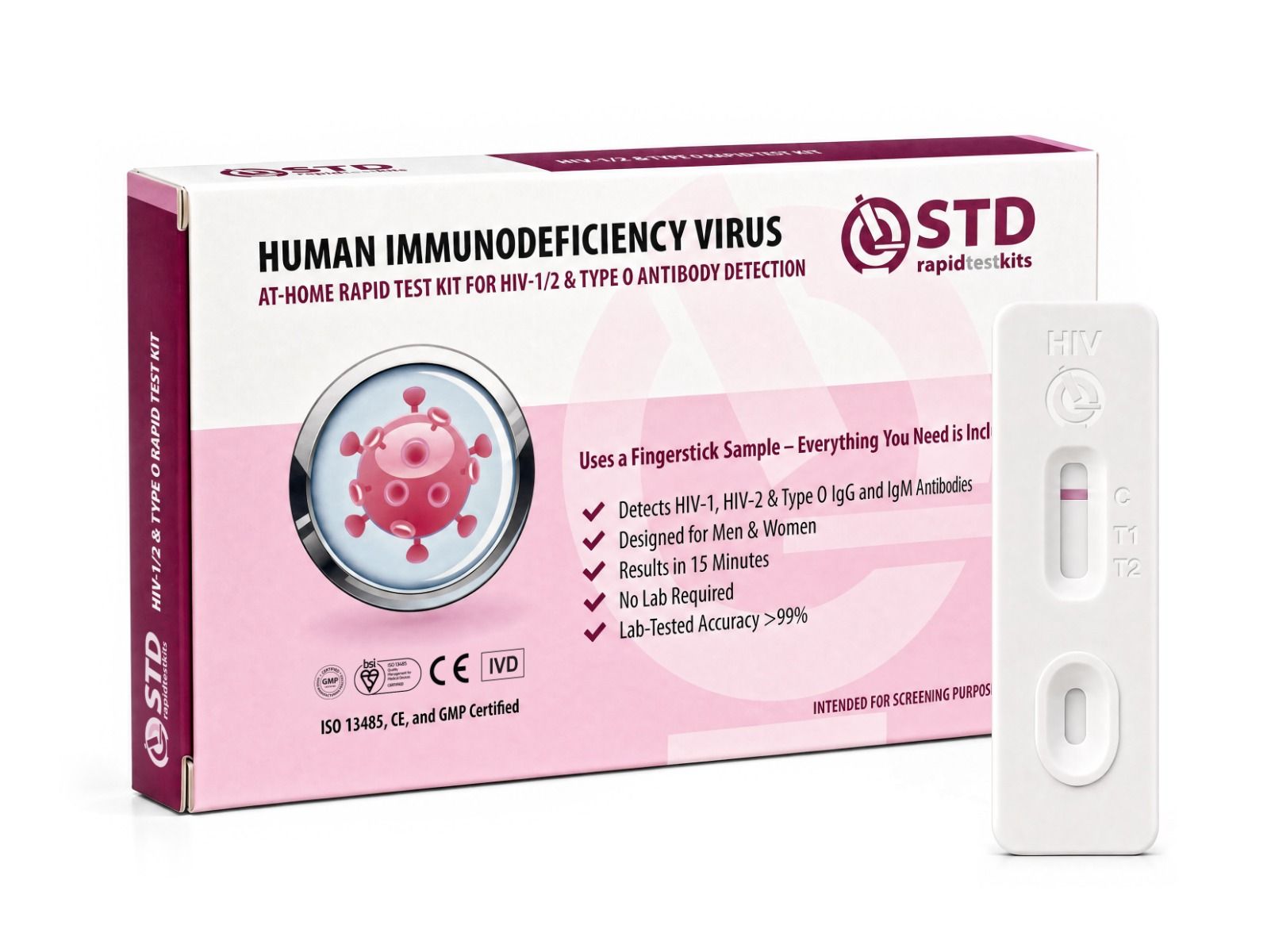
If you would like to screen for several common infections in one go after the appropriate window, an at-home combo panel covers the major STIs from a single sitting at home.
Frequently asked questions
- I feel achy three days after sex. Is that too soon for HIV?
- Three days falls well before the 10-day biological minimum for acute HIV symptoms. The immune response that produces flu-like illness needs time to ramp up, typically two to four weeks. Common viral infection, disrupted sleep, dehydration, alcohol, or stress are far more consistent causes at the three-day mark.
- What if I have a fever and swollen lymph nodes too?
- Fever plus swollen lymph nodes is a non-specific pattern. Dozens of infections produce it, including the cold circulating at your office. Acute HIV symptoms usually appear two to four weeks after exposure, not within a weekend. If you are inside that later window, testing is reasonable. If you are not, your body is most likely fighting something more ordinary.
- How can someone tell mono and early HIV apart by symptoms?
- Honestly, often you cannot, by symptoms alone. Mono frequently brings crushing fatigue that lingers for weeks, the kind where stairs feel dramatic. Acute HIV can cause fever, rash, sore throat, and body aches. The two overlap heavily. Timing is the more reliable differentiator. Mono typically appears four to six weeks after exposure, while acute HIV symptoms more commonly surface two to four weeks in. That is why testing, not symptom-Googling, is the tie-breaker.
- Can anxiety really cause body aches this strong?
- Yes. After a high-stakes encounter the brain shifts into threat mode. Muscles tighten, sleep gets shallow, cortisol rises, and breathing patterns change. Suddenly the neck hurts, the back aches, and the conviction that something is medically wrong feels overwhelming. The body does not separate emotional stress from physical danger very well. That does not mean it is "all in your head." It means the nervous system is loud right now.
- Does testing early for peace of mind help?
- It can, with a plan. An early test gives you a baseline and can settle the immediate spiral. But if you are inside the window period for that specific test (for example, before day 18 for a 4th-generation HIV lab test), an early negative needs to be followed by a retest at the appropriate interval. Treat the first test as information gathering rather than a final verdict.
- Which symptom pattern warrants prompt HIV testing?
- A pattern that genuinely warrants prompt testing looks like this: persistent high fever, a widespread non-itchy pink rash on the trunk, swollen glands in multiple areas (neck, armpits, groin), and significant fatigue that emerges around two to four weeks after a higher-risk exposure. The cluster matters more than any single symptom on day three.
- Can someone get HIV from a single encounter?
- Yes, transmission can happen from a single encounter, especially in higher-risk acts like receptive anal sex without a condom. But the gap between possible and likely is wide. Risk depends on the type of sex, condom use, the partner's HIV status and viral load, the presence of other STIs, and any visible sores or bleeding. One unprotected encounter rarely guarantees infection. Fear tends to round probabilities up to 100%, while reality runs much lower per act.
- Only oral sex happened. Is HIV worry warranted?
- Oral sex carries significantly lower HIV risk than unprotected anal or vaginal sex. Other infections such as gonorrhea, syphilis, and herpes can transmit orally, but generalized flu-like symptoms within a few days of an oral encounter are not a typical presentation of any of those. If anxiety is driving the question, testing at the appropriate window for the infections that are plausible can help close the loop.
- What if symptoms disappear in a couple of days?
- That strongly supports the "common virus or stress response" theory. Acute HIV symptoms typically last at least several days and can extend to a couple of weeks. A 48-hour ache that fades on its own is usually the immune system doing routine work.
- How can someone stop obsessing while waiting to test?
- Structure helps. Pick a testing date that matches the window for the test you plan to use, write it down, and treat the days in between like recovery from any virus: hydrate, sleep, eat, and limit Google spirals to once a day instead of every hour. Testing is an act of responsibility, not confession. Having sex is human; planning a test is adult.
You Deserve Answers, Not Assumptions
The hardest part is rarely the body aches. It is the waiting. The guessing. The stories the brain builds at 2 a.m. from a sore throat and a stiff neck.
Flu symptoms after sex do not automatically mean HIV. Most early aches that show up within a few days are common viruses, stress, or simple exhaustion. Biology runs on timelines, not fear.
If you are early in the window, mark your testing date and let yourself rest. If you are at the three to four week mark after a higher-risk exposure, test strategically with a 4th-generation antigen/antibody test. If you are within 72 hours of a known high-risk exposure, do not wait, talk to a clinic about PEP. Negative results mean you can move on with your week; positive results open a door to treatment that has changed radically from the fear narratives many of us grew up with.
Your three-path next step
- Early window (within about 10 days of exposure): rest, hydrate, and mark a calendar date for testing at the appropriate window rather than testing today.
- Three to four weeks after a higher-risk exposure: schedule a 4th-generation antigen/antibody HIV test for results that carry real weight.
- Within 72 hours of a known high-risk exposure: contact an urgent-care or sexual-health clinic about post-exposure prophylaxis (PEP) before waiting for symptoms.
How we sourced this article: This guide synthesizes guidance from major public-health authorities including the U.S. Centers for Disease Control and Prevention, the World Health Organization, the U.K. National Health Service, the U.S. National Library of Medicine (MedlinePlus), and HIV.gov. We reviewed the published clinical descriptions of acute HIV, mono incubation timelines, common-virus differentials, and current HIV test detection windows. Specific numeric ranges (window periods, transmission-risk framing, the 72-hour PEP cutoff, the 4-to-6-week EBV incubation window) were checked against the cited sources at the time of publication.
- U.S. Centers for Disease Control and Prevention. About HIV, including signs and symptoms of acute HIV.
- U.S. Centers for Disease Control and Prevention. HIV testing overview, including detection windows for 4th-generation antigen/antibody, antibody-only, and nucleic acid tests.
- World Health Organization. HIV fact sheet, transmission and global epidemiology.
- U.K. National Health Service. Glandular fever: causes, symptoms, and infectious period.
- U.K. National Health Service. HIV and AIDS, including symptoms, testing, and treatment.
- MedlinePlus (U.S. National Library of Medicine). HIV: symptoms, testing, and basics.
- HIV.gov. Symptoms of HIV, including the early acute stage.
- U.S. Centers for Disease Control and Prevention. HIV section landing page, covering risk, PEP and the 72-hour cutoff, viral suppression (U=U), and prevention.
- MedlinePlus (U.S. National Library of Medicine). Mononucleosis: encyclopedia article describing Epstein-Barr virus incubation period of 4 to 6 weeks and clinical presentation.
