





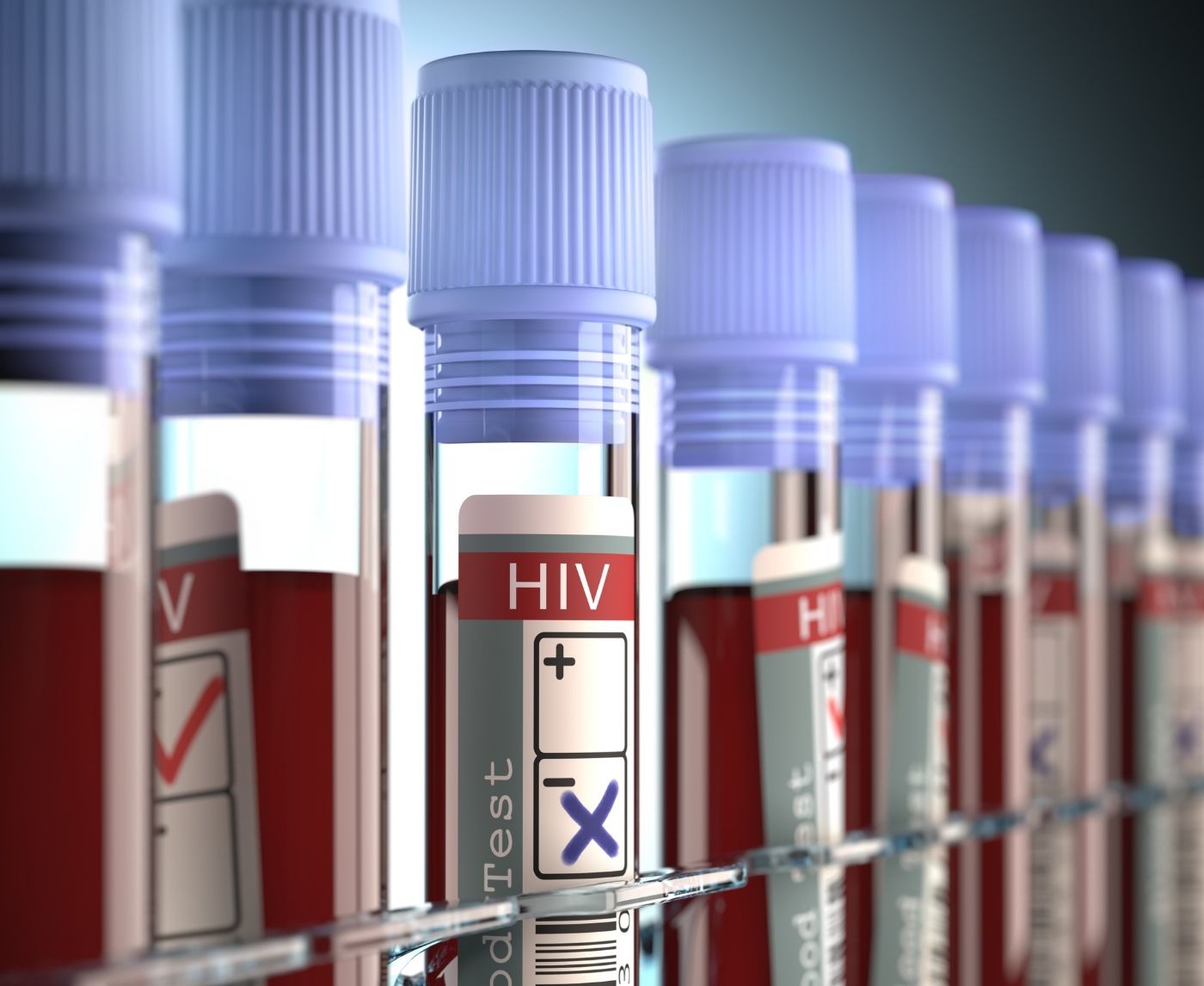

Quick Answer: Do antibiotics affect STD test results? Yes. Testing right after or during antibiotic treatment can lower the number of bacteria or leave behind genetic material that could affect the results. Most people should wait at least 3–4 weeks after treatment before retesting unless a provider advises otherwise.
What Antibiotics Actually Do, And Why That Matters for Testing
Antibiotics don't work like a switch. Infections don't go away right away. Instead, they slowly kill bacteria over time, which makes them weaker until your immune system can finish the job. It can be hard to test when bacteria are dying but not completely gone.
Modern STD tests often use NAAT or PCR methods, especially for infections like chlamydia and gonorrhea. These tests don't only look for bacteria that are alive. They look for genetic material. That means even after treatment has worked, fragments of bacterial DNA can linger for days or even weeks.
This is where confusion starts. Someone finishes antibiotics on Monday, tests on Friday, and gets a positive result. They panic. “Did the treatment fail?” Often, the answer is no. Sometimes the test is detecting leftover genetic debris, not active infection.
On the other hand, if antibiotics were started before testing, especially for another condition, they can suppress bacterial levels enough to create a false negative. That’s why timing matters so much.
The Timing Trap: Testing Too Soon After Treatment
Imagine this. You were treated for gonorrhea last week. You did everything right. You abstained from sex. You took the full dose. But anxiety doesn’t care about logic. By day six, you’re searching “false negative STD test after antibiotics” at 1:17 a.m.
Testing immediately after finishing antibiotics can give you one of three confusing outcomes. A true negative, which is great. A false negative, if bacterial levels were suppressed but not eradicated. Or a residual positive, if DNA fragments are still detectable even though the infection is no longer active.
Most clinical guidelines recommend waiting approximately three weeks before retesting for chlamydia or gonorrhea unless symptoms persist. This waiting period reduces the chance of detecting nonviable bacterial DNA and improves clarity.
It feels unbearable to wait. But accuracy is a function of timing.
How Different STDs React to Antibiotics and Testing
Not all infections behave the same way after antibiotics. Bacterial infections respond differently than viral ones. Understanding that difference helps explain why some test results shift and others don’t.
| STD | Caused By | Antibiotics Effective? | Testing Impact After Treatment |
|---|---|---|---|
| Chlamydia | Bacteria | Yes | Residual DNA may cause positive results up to 3–4 weeks |
| Gonorrhea | Bacteria | Yes | Early testing may show false negatives or residual positives |
| Syphilis | Bacteria | Yes | Blood antibodies can remain detectable even after cure |
| Trichomoniasis | Parasite | Yes | Testing too soon may detect remaining organisms |
| HIV | Virus | No | Antibiotics do not affect viral testing |
| Herpes | Virus | No | Antibiotics do not alter viral antibody tests |
Table 1. Impact of antibiotics on common STD test results. Bacterial infections are most affected by timing after treatment.
Notice the pattern. Antibiotics only affect bacterial or parasitic infections. They do not cure or mask viral infections like HIV or herpes. That distinction alone prevents a lot of midnight spiraling.
People are also reading: Can You Get Chlamydia from Giving Head? The Answer Might Surprise You
Can Antibiotics Cause a False Negative STD Test?
This is the question people whisper to themselves after urgent care hands them medication before testing. “If I already started antibiotics, will my STD test still be accurate?”
Sometimes, yes. Sometimes, not fully.
If antibiotics are started before a diagnostic sample is collected, they may lower bacterial load. In early infection, when levels are already low, that suppression can reduce detection probability. This is especially relevant for chlamydia and gonorrhea.
But here’s the nuance: NAAT tests are highly sensitive. They can often detect very small amounts of genetic material. That means a single dose does not automatically erase detection. However, multiple days of treatment before testing increases the chance of altered results.
Alyssa, 24, once described it this way: “I took doxycycline for acne. Two weeks later I tested negative for chlamydia, but I kept thinking, what if the antibiotics just hid it?” That fear is common. In most cases, standard acne dosing is not sufficient to fully eradicate an STD, but it can muddy timing and detection clarity.
If antibiotics were taken before testing and exposure was recent, retesting three weeks later provides better certainty.
Residual DNA: Why You Might Still Test Positive After Treatment
Now let’s talk about the opposite scenario. You completed treatment properly. You waited a week. You test again. It’s positive. Your stomach drops.
This does not automatically mean treatment failed.
NAAT testing identifies bacterial DNA, not whether bacteria are alive. After successful treatment for chlamydia, nonviable DNA fragments can remain in the body for several weeks. That’s why many clinical guidelines recommend waiting at least 3 weeks before a test-of-cure unless you’re pregnant or symptoms persist.
The science here matters because it protects you from unnecessary retreatment and panic. Reinfection is possible, yes. But premature testing is a much more common explanation for early post-treatment positives.
| Scenario | Testing Too Soon Risk | Recommended Wait Time |
|---|---|---|
| After completing chlamydia antibiotics | Residual DNA detected | 3–4 weeks before retest |
| After gonorrhea treatment | False reassurance or residual detection | 3 weeks minimum |
| After syphilis treatment | Antibodies remain positive for months | Follow provider-directed blood monitoring |
| Antibiotics taken for unrelated illness before STD test | Suppressed bacterial load | Retest 3–4 weeks after last exposure |
Table 2. Retesting timing recommendations after antibiotics to reduce false results.
What If You Still Have Symptoms After Antibiotics?
This is where medicine and emotion collide.
You took the medication. The discharge slowed. The burning improved. But something still feels off. Or maybe everything feels physically normal, yet your anxiety hasn’t loosened its grip.
Symptoms after antibiotics do not automatically mean treatment failed. Inflammation can linger. Tissue irritation can persist. Anxiety can amplify sensation. But persistent or worsening symptoms absolutely deserve follow-up testing or clinical evaluation.
Reinfection is also possible. If a partner was untreated, exposure can happen again quickly. That’s why provider guidelines often recommend retesting three months after treatment for chlamydia or gonorrhea, not because treatment fails often, but because reinfection is common.
If your brain keeps replaying the “what if,” you deserve clarity. You can explore discreet retesting options through STD Rapid Test Kits to regain control on your timeline.
At-Home STD Testing After Antibiotics: Is It Reliable?
You’re standing in your bathroom holding a test cassette, rereading the instructions for the third time. You finished antibiotics five days ago. You feel mostly better. But your brain is louder than your body. “Is this even going to be accurate?”
At-home STD testing after antibiotics can be reliable, but only if the timing is right. The technology used in most modern home kits mirrors the same nucleic acid amplification testing used in clinics. That means sensitivity is high. It also means the same rules about residual DNA and suppressed bacterial load apply.
The test itself is not weaker because it’s at home. What determines reliability is when you test relative to treatment and exposure.
If you are testing for a viral infection like HIV or herpes, antibiotics have no effect on detection. But for bacterial infections like chlamydia or gonorrhea, waiting the recommended 3–4 weeks after treatment dramatically improves clarity.
For people who need privacy or cannot easily return to a clinic, an at-home option can be empowering. If timing aligns with guidelines, accuracy aligns too. You can explore discreet options at STD Rapid Test Kits, including multi-panel testing that checks for several infections at once.
Check Your STD Status in Minutes
Test at Home with Remedium6-in-1 STD Test Kit
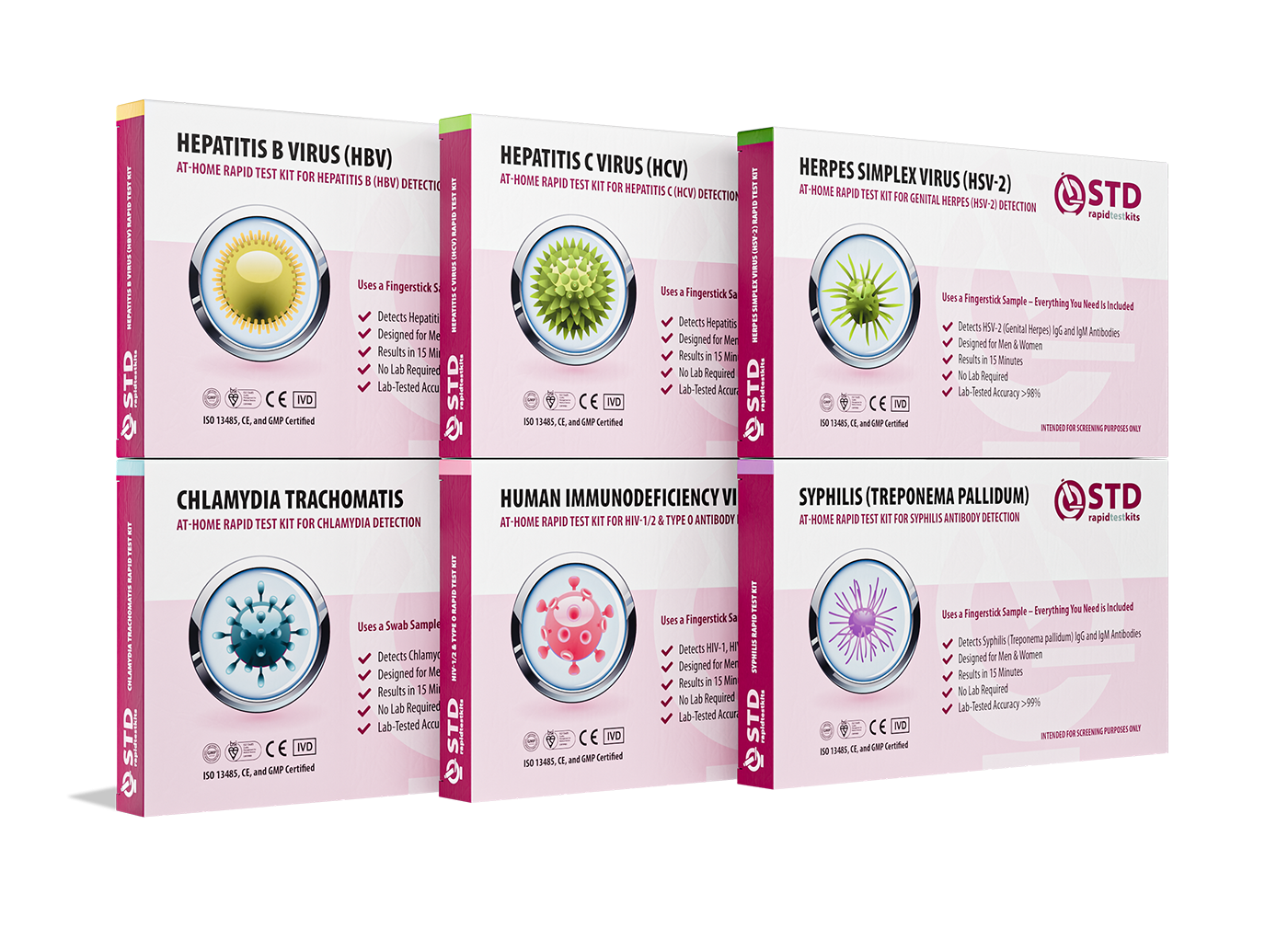
 For Men & Women
 Results in Minutes
 No Lab Needed
 Private & Discreet
Order Now $119.00 $294.00
For all 6 tests
Testing After Antibiotics: Rapid vs Lab-Based Options
Not all testing pathways feel the same emotionally. Some people want instant answers. Others prefer lab confirmation even if it takes a few days. After antibiotics, the decision often revolves around reassurance versus precision.
| Testing Method | Result Speed | Accuracy After Antibiotics | Best Used When |
|---|---|---|---|
| At-Home Rapid Test | Minutes | High if tested 3–4 weeks post-treatment | You need quick reassurance and privacy |
| Mail-In Lab Kit | 1–3 business days | Very high with proper timing | You want lab-grade documentation |
| Clinic NAAT Testing | Same day to several days | Very high with provider guidance | Symptoms persist or reinfection suspected |
Table 3. Comparing testing pathways after antibiotic treatment.
The method matters less than the timing. Testing at day five after finishing antibiotics, whether at home or in a hospital lab, still carries the same interpretive risk. Testing at week four, however, aligns biology with technology.
When Anxiety Pushes You to Test Early
Let’s be honest. Waiting three weeks feels like an eternity when your brain is replaying every exposure scenario. One night you think the condom slipped. Another night you’re convinced a minor itch is proof of reinfection.
There is a psychological pull to “just test now.” Even if you logically know it might be early, the act of testing feels like action. Control. Relief.
But early testing often leads to ambiguous answers. A negative result at day four after finishing antibiotics does not always equal certainty. A positive result at day seven may reflect DNA remnants, not active infection.
This is where education protects your peace. Knowing that timing shapes accuracy gives you power. It transforms waiting from passive anxiety into informed strategy.
Reinfection vs Treatment Failure: How to Tell the Difference
After antibiotics, two fears dominate. “What if it didn’t work?” and “What if I got it again?” These are not the same scenario, even though they feel identical at 2 a.m.
Treatment failure for uncomplicated chlamydia or gonorrhea is relatively uncommon when the correct medication is taken as prescribed. Reinfection, however, is much more common, particularly if partners were untreated or new exposure occurred.
One person once told me, “I kept thinking the antibiotics failed. It turned out my partner never picked up their prescription.” That detail changes everything. Timing of sexual activity after treatment matters just as much as the medication itself.
If sexual contact occurred before both partners completed treatment and waited the recommended abstinence period, reinfection becomes more likely than treatment failure.
The “Antibiotics for Something Else” Scenario
Sometimes the situation is murkier. You took amoxicillin for a sinus infection. Or doxycycline for acne. Or antibiotics for a UTI that may or may not have been correctly diagnosed.
Now you’re wondering whether those medications masked an STD or partially treated it without fully curing it.
Most standard antibiotic courses prescribed for non-STD conditions are not reliably curative for sexually transmitted infections. They may suppress bacterial levels, but not eradicate infection entirely. That suppression can complicate testing if performed mid-course.
If exposure occurred around the same time you were taking antibiotics for another reason, the safest strategy is to test at least three to four weeks after the last possible exposure, not simply after finishing the unrelated medication.
When You Should Not Wait
There are exceptions to every timing rule.
If you experience severe pelvic pain, fever, testicular swelling, rash, neurological symptoms, or any sign of systemic illness, waiting for the “perfect window” is not appropriate. Immediate clinical care overrides timing strategy.
Similarly, if you are pregnant and were treated for chlamydia, providers often recommend a test-of-cure approximately four weeks after treatment to confirm eradication. That timeline is deliberate and protective.
In high-risk exposures or persistent symptoms, provider-guided retesting may occur sooner than standard guidance. Individual circumstances matter.
People are also reading: The STD With No Symptoms: What Silent Chlamydia Really Does to Your Body
So, Can You Test Right After Finishing Antibiotics?
You can. But whether you should depends on what you’re hoping to learn.
If your goal is emotional reassurance, early testing may temporarily calm anxiety. If your goal is diagnostic certainty, waiting 3–4 weeks after completing antibiotics gives you stronger interpretive clarity for bacterial infections.
For viral infections, antibiotics do not alter detection windows. For bacterial infections, timing shapes truth.
If you’re ready for clarity, not guesses, a properly timed at-home test can provide discreet, reliable answers. You can explore options, including combination panels that screen for multiple infections, at this at-home combo STD test kit.
Peace of mind is not about rushing. It’s about choosing the right moment to ask your body a question and trusting the answer you receive.
The Three-Week Rule: Why Waiting Feels Hard but Works
Three weeks sounds arbitrary when you first hear it. It feels like something medical professionals say to slow you down. But biologically, it has logic behind it.
After treatment for chlamydia or gonorrhea, your body needs time to fully clear nonviable bacterial fragments. Testing too early risks detecting genetic leftovers. If you test too soon after starting antibiotics for something else, you might catch bacteria that are temporarily below detection thresholds.
That three-week window allows one of two things to happen. If treatment worked, residual DNA clears and your test becomes cleanly negative. If infection persists or reinfection occurred, bacterial levels rebound to detectable ranges, producing a result you can trust.
It is not about delay for delay’s sake. It is about aligning your biology with the technology that measures it.
How Window Periods and Antibiotics Intersect
There’s another layer that complicates this conversation: exposure timing. If you were exposed to an STD shortly before or during antibiotic treatment, you are dealing with both a window period and medication interference.
The window period is the time between exposure and when a test can reliably find an infection. Antibiotics, when taken early in that window, can suppress bacterial replication without fully eliminating infection. That combination can create a temporary diagnostic gray zone.
Consider this scenario. Marcus had unprotected sex. Two days later, he started antibiotics for bronchitis. Ten days after exposure, he tested negative for chlamydia. Relief hit hard. But because he tested within both the exposure window and shortly after antibiotics, the result carried more uncertainty than he realized.
The safest approach in overlapping timing scenarios is to count from the last possible exposure, not simply from when antibiotics ended. Testing three to four weeks after that exposure provides a clearer answer.
Accuracy, Sensitivity, and Why Modern Tests Are Still Powerful
It is easy to assume antibiotics make testing unreliable across the board. That is not accurate. Modern nucleic acid amplification tests are extremely sensitive. They are designed to detect even very small amounts of bacterial genetic material.
That sensitivity is why residual DNA can appear on early retesting. It is also why partial antibiotic suppression does not automatically erase infection from detection.
In real-world clinical practice, false negatives due to brief antibiotic exposure are less common than people fear. More often, anxiety fills in the blanks where science already has answers. The key variable remains timing, not test quality.
If you use a reputable testing platform and follow the collection instructions carefully, accuracy remains high once appropriate waiting periods have passed.
Sex After Treatment: The Reinfection Loop
Here is something that does not get talked about enough. Even perfect treatment cannot protect you from untreated partners.
After completing antibiotics for gonorrhea or chlamydia, guidelines typically recommend avoiding sexual contact for seven days after both you and your partner finish treatment. That waiting period allows bacterial eradication to complete.
One couple once described it as “passing it back and forth like a ping-pong ball.” Neither realized that restarting sex too early kept reinfecting them. When reinfection happens quickly, it can look like treatment failure. But the mechanism is completely different.
If you test positive again weeks later, ask yourself whether any sexual contact occurred before partners completed treatment. That question often answers itself.
Emotional Aftermath: Why a Negative Test Doesn’t Always Feel Like Relief
Sometimes the test is negative. The waiting period was respected. Antibiotics are finished. Science says you’re clear. Yet your nervous system hasn’t caught up.
This is normal. STD anxiety often lingers longer than infection itself. The shame narrative that society attaches to sexual health can embed deeply, especially if this was your first experience navigating diagnosis and treatment.
One patient once said, “The negative result didn’t calm me. I kept thinking maybe it was too early, maybe I did something wrong.” That spiral is not about bacteria. It is about fear of uncertainty.
Clarity comes from understanding the process. When you know why three weeks matters, when you know why residual DNA can show up, when you know antibiotics do not impact viral testing, you move from guessing to grounded confidence.
Check Your STD Status in Minutes
Test at Home with Remedium7-in-1 STD Test Kit
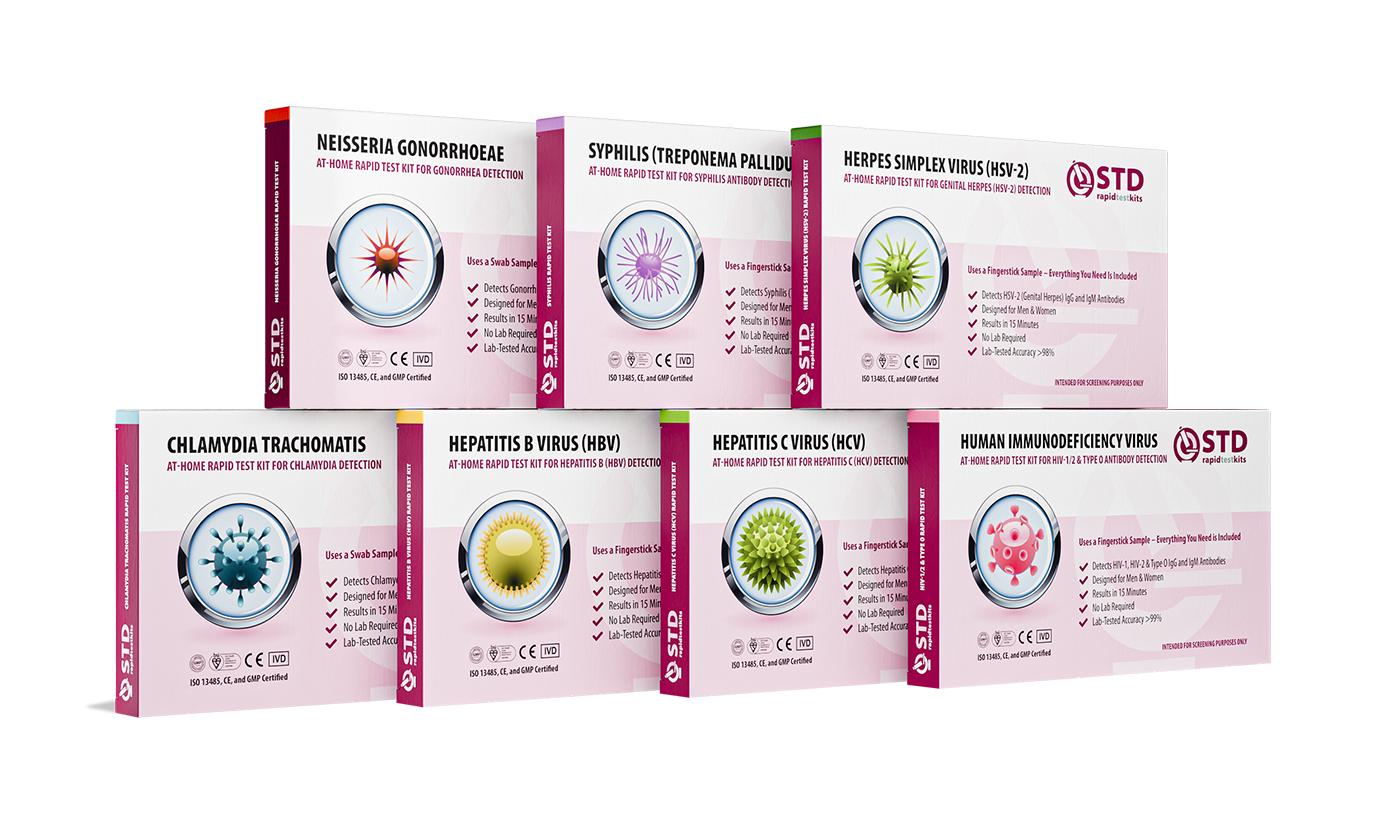 For Men & WomenResults in MinutesNo Lab NeededPrivate & Discreet
Order Now $129.00 $343.00
For all 7 tests
Putting It All Together: A Simple Mental Framework
If you are asking whether antibiotics affect STD test results, run through this framework calmly.
First, identify the infection type. Bacterial infections are influenced by antibiotic timing. Viral infections are not.
Second, count from your last exposure. Not just from when antibiotics ended.
Third, wait approximately three to four weeks before retesting for bacterial STDs unless a healthcare provider advises sooner testing.
Fourth, ensure partners were treated and abstinence guidelines were followed to reduce reinfection risk.
Finally, choose a reliable testing method that fits your privacy and comfort needs. If in-person clinics feel overwhelming, discreet home-based testing options remain medically sound when timed correctly.
Peace of Mind Is a Strategy, Not a Reaction
There is a difference between testing reactively and testing strategically. Reactive testing is driven by fear. Strategic testing is guided by biology and evidence.
When you finish antibiotics, the urge to “just check” is strong. But waiting until your body is ready to give a definitive answer protects you from unnecessary stress and misinterpretation.
If you are approaching the three-week mark and want discreet confirmation, you can choose a trusted at-home panel through STD Rapid Test Kits. You deserve results that mean something, not just numbers that fuel doubt.
The goal is not perfection. It is informed clarity.
FAQs
1. I finished antibiotics yesterday. Can I just test now and be done with it?
I get the urge. You want closure. You want to close the tab in your brain that keeps replaying everything. But if we’re talking about bacterial infections like chlamydia or gonorrhea, testing the day after you finish antibiotics can give you an answer that isn’t fully settled yet. Your body may still be clearing residual DNA, or bacterial levels may have been temporarily suppressed. Waiting about three weeks isn’t punishment, it’s strategy. It gives you a result you can actually trust.
2. If my test is negative right after antibiotics, can I relax?
Maybe, but context matters. If you tested too soon after treatment or too soon after exposure, that negative result might not be the final word. Think of it like taking a pregnancy test three days after sex. Timing shapes reliability. If you’re outside the window period and waited long enough after treatment, then yes, that negative result deserves your exhale.
3. Why would I test positive after treatment if the antibiotics worked?
Because modern tests are extremely sensitive. They don’t just look for live bacteria; they detect genetic material. After treatment for chlamydia, for example, nonviable bacterial DNA can linger for a few weeks. That doesn’t mean the infection is active. It means your body is still cleaning up the scene. Retesting too early can catch those leftovers.
4. Can antibiotics for something else, like acne or a sinus infection, mess up my STD test?
They can complicate timing, yes. A short course of doxycycline for acne or amoxicillin for a sinus infection usually won’t fully cure an STD, but it might suppress bacterial levels temporarily. If exposure happened around the same time you were on antibiotics, the safest move is to test three to four weeks after your last possible exposure. That’s when the picture becomes clearer.
5. Do antibiotics affect HIV or herpes tests?
No. Antibiotics do not treat viruses. They don’t mask them, weaken them, or change how viral antibody or antigen tests work. So if you’re testing for HIV or herpes, the presence of antibiotics in your system does not change detection accuracy. The window period for those infections is what matters, not your antibiotic history.
6. After treatment, I still feel strange. Does that mean it didn't work?
Not necessarily. Inflammation can linger even after bacteria are gone. Tissue irritation takes time to settle. And anxiety has a way of amplifying every sensation. But if symptoms are getting worse, not better, or something feels significantly off, that’s your cue to retest or seek clinical evaluation. Listening to your body is not overreacting, it’s smart.
7. What’s more common, treatment failure or reinfection?
Reinfection. By a wide margin. If a partner wasn’t treated, or if sex resumed before both of you completed medication and waited the recommended period, infection can bounce right back. It can feel like the antibiotics failed when in reality the exposure loop just never closed.
8. Is it bad to test too early after antibiotics?
It’s not dangerous to your health. It’s just risky for your peace of mind. Early testing can produce ambiguous results that leave you more confused than before. If you’re going to go through the emotional energy of testing, you deserve an answer that actually means something.
9. What if I can’t stop thinking about it while I wait?
That’s human. Sexual health anxiety hits differently because it blends intimacy, stigma, and uncertainty. Instead of spiraling, anchor yourself in timelines. Count from your last exposure. Mark the three-week retest date. Remind yourself that waiting is part of the plan, not avoidance. You’re not ignoring it. You’re handling it intelligently.
10. Bottom line, what’s the smartest move after antibiotics?
Find out what you were treated for, count from your last exposure, and wait about three to four weeks before getting tested again for bacterial STDs unless your doctor tells you to do something else. Make sure your partners were treated too, and use a testing method that you can trust. That's how you turn worry into understanding.
You Deserve Answers, Not Ambiguity
Antibiotics are strong medicines, but they don't immediately bring your body back to zero. Testing right after treatment can give you answers that are technically correct but emotionally confusing. Waiting the recommended three to four weeks makes biology and technology work together and gives you results you can trust.
If you are approaching that window and want discreet, reliable confirmation, consider a properly timed test through this at-home combo STD test kit. You have the right to clear information without shame, privacy without compromise, and information that gives you power instead of making you feel bad.
How We Sourced This Article: This guide integrates current recommendations from the Centers for Disease Control and Prevention, clinical laboratory testing standards, peer-reviewed infectious disease research, and lived-experience narratives to balance medical accuracy with real-world clarity.
Sources
1. CDC Sexually Transmitted Infections Treatment Guidelines
4. World Health Organization – Sexually Transmitted Infections Fact Sheet
5. PubMed – Studies on NAAT Testing and Residual DNA Detection
6. CDC – Chlamydial Infections Treatment Guidelines
7. CDC – Gonococcal Infections Treatment Guidelines
About the Author
Dr. F. David, MD is a board-certified expert in infectious diseases who works to stop, find, and treat STIs. He combines clinical accuracy with a sex-positive, stigma-aware approach that puts the patient's freedom and access to accurate information first.
Reviewed by: Angela Ruiz, RN, BSN | Last medically reviewed: February 2026
This article is only meant to give you information and should not be used instead of medical advice.


