







Quick Answer: Yes, you can get an STD without having penetrative sex. Skin-to-skin contact, oral sex, genital rubbing, shared toys, and even pre-ejaculate can transmit infections like herpes, HPV, and chlamydia.
Who This Article Is For (And Why This Conversation Matters)
This guide is for anyone who’s been told they’re “safe” because they’ve never had penetrative sex, and yet still feels that pit in their stomach when a sore shows up, a partner discloses a diagnosis, or a symptom won’t go away. It’s for men who are gay, bi, questioning, or straight and cautious. It’s for those who’ve only had oral sex or explored mutual masturbation, but now wonder if that was “enough” to catch something. It’s also for the ones who don’t even have symptoms, but feel like they should test just in case, and are scared of being judged for it.
In short: this is for you if you’ve ever been confused by your risk, dismissed at a clinic, or ashamed of even asking. This is about clarity, not condemnation. And if no one ever told you the truth about how STDs really work outside the framework of “intercourse,” let’s change that now.
Let’s Get Real: What Actually Counts As “Sex” in STD Risk?
Too often, people treat “virginity” as a protective bubble. But STDs don’t care about definitions, they care about contact. And in the medical world, any activity that involves bodily fluid exchange or mucosal contact can carry transmission risk. That includes oral sex (giving or receiving), dry humping with friction, sharing toys, and even rubbing genitals together during foreplay.
In one anonymous Reddit post, a 22-year-old shared how he contracted oral gonorrhea after receiving unprotected oral sex, his first ever sexual contact. “I felt like I was going crazy. I hadn’t even had ‘real’ sex yet. But the sore throat, the white patches, they wouldn’t go away. Turns out, I was positive.” Stories like this aren’t outliers. They’re warnings that most sex ed classes never delivered.
Medical authorities like the CDC have consistently stated that STIs can spread through oral, anal, and vaginal sex, but also through skin-to-skin contact, saliva, and fluids that never result in ejaculation. Herpes and HPV, in particular, can transmit via microscopic skin abrasions. In short: you don’t have to “go all the way” to go all the way into risk.

People are also reading: Your Gender-Affirming Doctor Isn’t Testing You for STDs, Here’s Why That Matters
Common STDs That Don’t Require Penetration
If you’ve only ever had oral sex or genital contact, you’re not automatically “in the clear.” Below is a breakdown of common infections and whether penetration is required for transmission. Hint: most aren’t that picky.
| STD | Requires Penetration? | Common Non-Penetrative Routes |
|---|---|---|
| Herpes (HSV-1 & HSV-2) | No | Oral sex, kissing, skin-to-skin genital contact |
| HPV (Human Papillomavirus) | No | Skin-to-skin, oral sex, genital rubbing |
| Gonorrhea | No | Oral sex, shared toys, contact with fluids |
| Chlamydia | No | Oral sex, fluid contact, possibly shared toys |
| Syphilis | No | Kissing with sores, oral sex, skin contact with chancre |
Figure 1: Common STDs and how they can be spread without intercourse.
Notice a pattern? Most of these infections live in fluids, skin, or mucous membranes, and your body has a lot of those outside your penis. So yes, you can test positive after just oral. Yes, you can have symptoms even if you haven’t “gone all the way.” And no, that doesn’t make you dirty, foolish, or alone.
Micro-Scene: “I Thought I Was Safe. Then I Saw a Bump.”
Raj, 21, had been with one person, only oral, no penetration. When he found a bump near his inner thigh, he assumed it was an ingrown hair. Three weeks later, it blistered. At the clinic, they swabbed it and told him it might be HSV-1. “I felt betrayed by my own caution,” he said. “Like I did everything right, and it didn’t matter.” The doctor reassured him that he wasn’t alone: many first-time cases of genital herpes happen after unprotected oral sex. “I wish someone had told me that mouth-to-genital herpes was a thing,” Raj said. “I didn’t even think of it.”
Raj’s story is why education matters more than labels. “Safe” isn’t about what you didn’t do, it’s about what you understand. And getting tested isn’t about judgment. It’s about knowing enough to take care of yourself and the people you care about.
Check Your STD Status in Minutes
Test at Home with Remedium6-in-1 STD Rapid Test Kit

 For Men & Women
 Results in Minutes
 No Lab Needed
 Private & Discreet
Order Now $119.00 $294.00
For all 6 tests
STD Symptoms Without Penetration: What They Look Like
One of the hardest parts about navigating STD testing when you haven’t had penetrative sex is that symptoms don’t play by the rules either. There’s no checklist that says, “Only people who had intercourse can get discharge” or “Only guys who ejaculated during sex can get burning when they pee.” The truth is more complicated, and more validating once you understand it.
Let’s break it down. Oral gonorrhea can cause a sore throat, white patches, or painful swallowing. Genital herpes often shows up as tingling, itching, or blistering around the base of the penis, groin, or thighs, sometimes days or weeks after exposure. HPV may cause no symptoms at all until warts appear. Chlamydia might quietly inflame the urethra, causing only minor discomfort or a vague “off” feeling while urinating. These can happen even if your only contact was rubbing or oral, especially if fluids were exchanged, even without penetration.
What doesn’t usually happen is dramatic, immediate fallout. STDs are sneaky. Symptoms may be mild, delayed, or dismissed as something else (yeast, allergies, irritation from soap). That’s why it’s not about how much you did, it’s about whether anything was exchanged that could carry bacteria or a virus. And since your genitals and mouth are both made of absorbent tissue, “just oral” doesn’t mean just safe.
Testing Without Penetration: Yes, It’s Valid, and Here’s How
Maybe you’ve hesitated to test because you weren’t sure it “counted.” Clinics can be dismissive, especially if you describe your sex life and they decide your risk is “too low.” But here’s the thing: you don’t have to convince anyone to care about your health. If you’ve had oral, shared toys, or genital contact, you have a reason to test. Period.
Testing for common STDs is generally done through urine, blood, oral/throat swabs, or genital swabs. If you’ve only received oral sex, a throat swab and urine test may be most appropriate. If you’ve done genital-to-genital rubbing or shared toys, urine or urethral swab tests can still catch infections. And yes, if you’ve never had penetration but still want peace of mind, you are absolutely entitled to request the full panel.
There are three main ways to get tested:
| Method | What It Tests For | Privacy | Best For |
|---|---|---|---|
| At-Home Rapid Test | Syphilis, HIV, some Herpes kits | Very high | Quick answers, anonymous testing, limited options |
| Mail-In Lab Kit | Full STD panel including chlamydia, gonorrhea, HSV | High | Thorough results without clinic visit |
| Clinic Testing | All STDs with custom sample collection | Moderate | Best for symptoms, follow-up, or visible issues |
Figure 2: STD testing options for men, including those without intercourse history.
If you’re nervous, remember: testing is private. No one sees the results but you. Kits arrive discreetly, and at-home tests don’t require explaining your sex history to anyone. You don’t have to justify your fears. Your body deserves clarity, even if your sex life doesn’t fit anyone else’s box.
If your head keeps spinning, peace of mind is one test away. Order a discreet STD rapid test kit and take control from the privacy of home.
Micro-Scene: “I Tested Even Though They Said I Didn’t Need To”
Elijah, 25, went to a walk-in clinic after a partner disclosed a positive chlamydia test. They’d only had oral. The nurse told him he “probably didn’t need to worry” since they hadn’t had penetrative sex. But he couldn’t shake the feeling. So he ordered a mail-in test anyway. A week later, the results came back: chlamydia, detected in his throat. “I was furious. I almost didn’t test because someone didn’t take me seriously,” he said. “But I trusted my gut, and I’m so glad I did.”
This isn’t uncommon. Clinics often use “guidelines” that overlook individual variation. You are not a guideline. You are a person. And if something feels off, it’s worth checking out, even if someone else tries to talk you out of it.
When to Test If You’ve Never Had Penetrative Sex
Timing your test is just as important as choosing to get tested at all. Even if you’ve never had intercourse, the type of contact and how recently it happened play major roles in whether a test will catch an infection. Every STD has a “window period”, the time between exposure and when a test can detect it. Test too early, and you might get a false negative, especially with HIV, syphilis, or herpes.
Here’s how it works. Let’s say you received oral sex two days ago. You’re anxious. Maybe your throat feels weird or you noticed a bump. Most tests won’t catch anything that early, not because you're safe, but because your immune system hasn’t built up a detectable signal yet. But by waiting 10–14 days (depending on the STD), your results become much more reliable.
| STD | Can Be Caught Without Sex? | Best Time to Test |
|---|---|---|
| Chlamydia | Yes (oral, rubbing, fluid contact) | 14 days after exposure |
| Gonorrhea | Yes (oral, pre-ejaculate) | 7–14 days |
| Herpes (HSV) | Yes (skin-to-skin, oral-genital) | 21 days for blood test; swab during active symptoms |
| HPV | Yes (skin contact) | Months, no standard window; visual or PCR diagnosis |
| Syphilis | Yes (oral, kissing with sores) | 3–6 weeks for reliable blood test |
Figure 3: Suggested testing timelines even without penetrative sex.
If you’ve had recent contact, give your body a chance to produce a detectable infection, but don’t wait so long that you forget. Put a note in your phone. Schedule a test kit. Think of it as brushing your teeth after candy. You don’t need a cavity to justify it, you just need to care about what happens next.

People are also reading: Can You Really Get Trichomoniasis from Oral? Here's the Truth
Should You Retest? Here’s When and Why
Let’s say you tested negative after your last encounter, but you’re still anxious. Or maybe you’ve had vague symptoms since, like a sore throat that won’t quit or a red spot that appeared then vanished. Do you test again?
The answer depends on two things: how much time has passed and whether you’ve had new contact since your first test. For most bacterial STDs like chlamydia or gonorrhea, testing again at 30–45 days after exposure can catch late-appearing cases. If you had symptoms during your first test but they’ve changed or worsened, it’s also smart to retest, even if nothing new happened sexually.
Also consider this: some STDs like herpes don’t always show up on initial blood tests unless enough antibodies have formed. That’s why many providers recommend waiting up to 12 weeks after a suspected exposure for a conclusive result. Yes, that’s frustrating. But it’s also about accuracy. False negatives can lull you into false confidence, and you deserve better than that.
Bottom line? If you still have symptoms, anxiety, or a hunch that something isn’t right, test again. You are allowed to double-check your health. You don’t need symptoms to deserve peace of mind.
Return to STD Rapid Test Kits to find test options based on your timeline, contact type, and privacy needs.
Can You Prevent STDs Without Giving Up Intimacy?
You don’t need to give up closeness to stay safe, you just need a smarter plan. Condoms and dental dams matter, but so does communication. Ask your partner if they’ve been tested recently. Use protection during oral. Wash shared toys. Consider antiviral suppression if one of you has HSV.
And get vaccinated. The HPV vaccine protects against strains linked to warts and cancer, and it’s available up to age 45. Hepatitis B is also preventable by vaccine. These aren't just tools for people having "real" sex. They're for anyone with skin and saliva and genitals, which is, well, everyone.
Take your sexual health seriously even if no one else seems to. You know your body, your habits, and your risks. The goal isn’t to be scared. It’s to be informed enough to feel safe being close to someone else, however that looks for you.
Check Your STD Status in Minutes
Test at Home with Remedium8-in-1 STD Test Kit
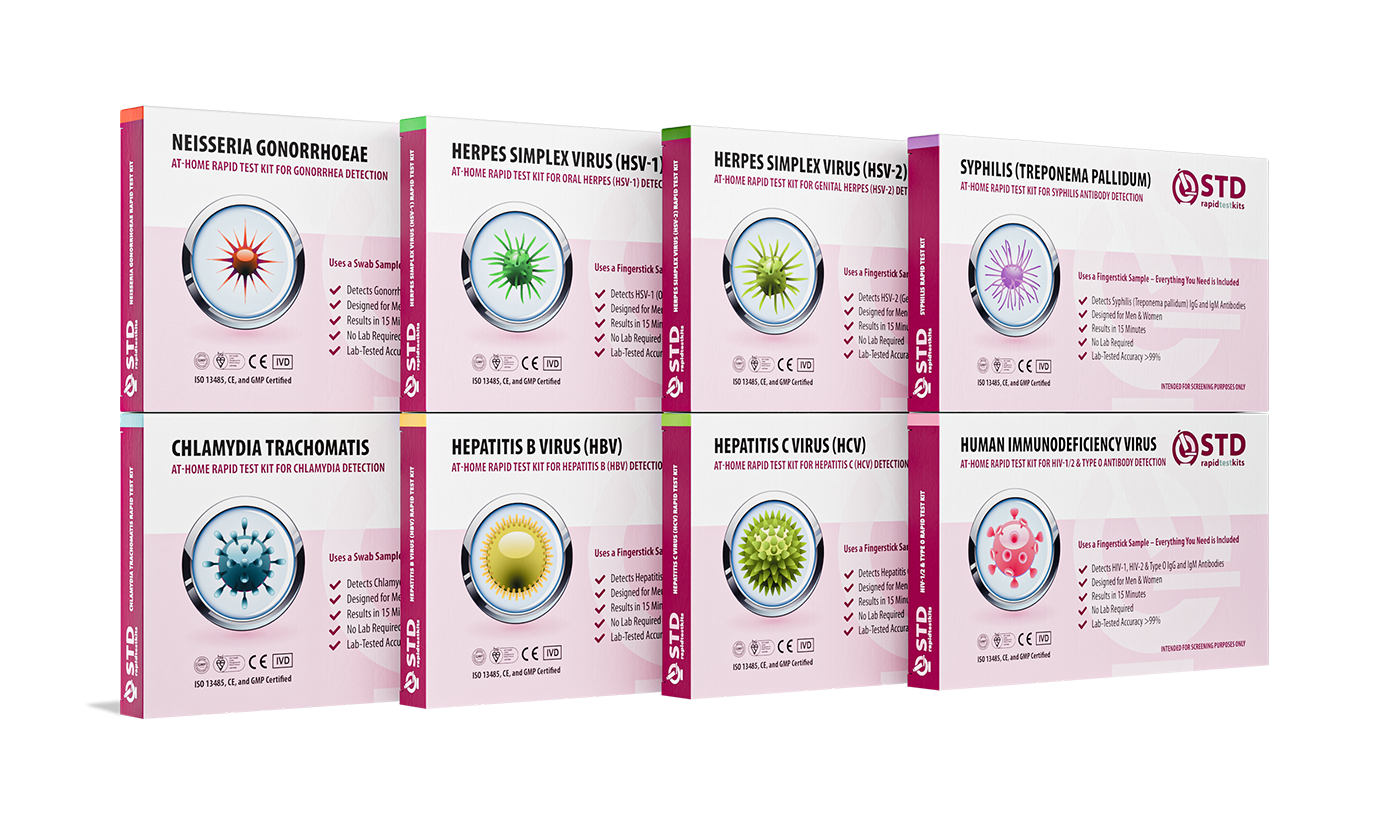 For Men & WomenResults in MinutesNo Lab NeededPrivate & Discreet
Order Now $149.00 $392.00
For all 8 tests
What If You Test Positive Without Ever Having Intercourse?
Let’s say the test comes back positive, and you’ve never had penetrative sex. Your first reaction might be confusion, even anger. You might want to call the lab and say, “There’s no way this is right.” But trust the test. And trust yourself.
Start with the basics. Was it oral sex? Rubbing? A shared towel after a partner masturbated? Skin contact when someone had a cold sore? All of these can lead to exposure, even if the moment didn’t feel like “real sex.”
If your result is unexpected, confirm it. Most clinics offer follow-up tests, especially for HSV, syphilis, and HIV. For treatable STDs like chlamydia or gonorrhea, treatment is usually a single dose of antibiotics, no drama required. You don’t have to tell the world. But do tell any partners, even if the contact felt low-risk. It’s about care, not blame.
Micah, 26, tested positive for oral gonorrhea after a single night involving mutual oral sex. “It was my first hookup ever,” he said. “I almost didn’t test because I felt like it couldn’t happen to me. But I’m glad I did. I treated it. I moved on.” That’s the goal here. You test, you treat, and then you live your life, no shame required.
If you’ve tested positive or want your partner to test after your own diagnosis, order a discreet STD test kit and keep the conversation going.
FAQs
1. Wait, can I seriously get an STD if I’ve never had “actual” sex?
Yeah. It sounds wild until you realize how many infections don’t care about your technical definitions. If your skin, mouth, or genitals touched someone else’s skin, mouth, or fluids, there’s a chance something got passed along. You don’t need penetration for transmission. Just contact.
2. What if I’ve only received oral sex, do I still need to test?
Yes. Plenty of guys catch gonorrhea, chlamydia, and herpes that way. One reader told us he felt “too embarrassed” to test after getting a sore throat post-hookup. He waited two months, then tested positive. If oral happened, testing matters.
3. I didn’t finish. No ejaculation. Doesn’t that mean I’m safe?
Not necessarily. Pre-cum can carry STDs. So can saliva, and even skin-to-skin friction if one of you has a sore. That “we didn’t go all the way” feeling is common, but your immune system doesn’t care about semantics. Exposure is exposure.
4. How long should I wait before testing if I didn’t have intercourse?
It depends on what happened. If it was oral or rubbing, aim for 10–14 days to catch early signals. For herpes and syphilis, the wait is longer, think 3 to 12 weeks. And if you notice a weird symptom before that, go in anyway. Some things are visible before they’re testable.
5. Can I get herpes even if no one “came”?
Absolutely. Herpes doesn’t need fluids, it just needs skin. You could get it from kissing someone with a cold sore, or grinding on someone during foreplay. It’s one of the sneakiest STDs out there because it spreads without anyone noticing until much later.
6. Is testing even worth it if I’ve never had “real” sex?
One thousand percent yes. Testing isn’t just for people who are “wild.” It’s for people who care about their bodies. It’s for peace of mind. Whether you’ve had a dozen partners or just one really intense makeout, you deserve clarity. That alone is worth it.
7. What if the clinic says I don’t need to test?
Then skip the clinic. No shade, but some providers dismiss non-penetrative risk. If you know what happened and it’s making you spiral, trust yourself. Order a home test, do it privately, and get the answers you need, on your own terms.
8. Can I really get an STD from just rubbing or mutual masturbation?
It’s rare, but not impossible. If fluids were involved and transferred between genitals or hands, yes. Especially with cuts, friction, or shared toys. Think of it this way: if something wet from someone else touched something sensitive on you, it’s not zero risk.
9. I got tested and it came back positive… but I’ve never had sex. How is that possible?
It’s more common than you think. Maybe it was oral. Maybe skin-to-skin. Maybe your partner didn’t know they had anything. You’re not broken or dirty. You’re just human, and so are the people you’ve been with. Take a breath. It’s treatable, or manageable, and you’ve already done the hardest part by finding out.
10. Will anyone judge me for testing even if I’m “technically” a virgin?
No one who matters. And if they do? Screw ’em. Virginity is a social construct; infection is a biological one. What counts is whether you feel safe in your body, not whether you meet someone else’s definition of what counts as sex. You’re allowed to take care of yourself, full stop.
You Deserve Answers, Not Assumptions
Too many men get left out of the STD conversation because they’ve “done less.” No penetration? No worries, right? But the truth is, infection doesn’t wait for a certain kind of sex to show up. It moves in silence, on skin, in saliva, through moments that didn’t feel like they should count.
If you’re reading this because something felt off, or because you’ve been carrying a quiet question for a while, this is your sign. You deserve real answers, not assumptions based on outdated sex ed or someone else’s idea of what “real” risk looks like. Your experience matters. Your caution matters. And your peace of mind is worth more than the shame you were taught to carry.
No one has to approve your reason for testing. If you’ve had contact, curiosity, or even just anxiety that won’t shut up, that’s enough. You’re enough. And you deserve clarity on your terms, without judgment, and without waiting for things to get worse.
How We Sourced This Article: We combined current guidance from leading medical organizations with peer-reviewed research and lived-experience reporting to make this guide practical, compassionate, and accurate.
Sources
1. CDC: STD Prevention & Risk Reduction
2. About STI Risk and Oral Sex | CDC
4. Sexually Transmitted Infections - NCBI Bookshelf
5. Sexually Transmitted Diseases (STDs) – Mayo Clinic
6. About Genital HPV Infection | CDC
About the Author
Dr. F. David, MD is a board-certified infectious disease specialist focused on STI prevention, diagnosis, and treatment. He blends clinical precision with a no-nonsense, sex-positive approach and is committed to expanding access for readers in both urban and off-grid settings.
Reviewed by: Dr. Lenora Michaels, MPH | Last medically reviewed: January 2026
This article is for informational purposes and does not replace medical advice.


