







Quick Answer: Yes, you can get an STD even if he didn’t ejaculate. Pre-cum, skin-to-skin contact, and asymptomatic shedding all carry transmission risk, regardless of whether anyone finishes.
Why This Still Happens to So Many People
Marisol, 24, thought she was in the clear. Her hookup had been brief, awkward, and cut short before either of them climaxed. “We barely started,” she said. “There was like… no way I could’ve caught something.” But two weeks later, she tested positive for chlamydia.
This scenario is incredibly common, and not because people are reckless or uninformed. The issue is that a lot of sex ed stops at pregnancy prevention. We’re told pulling out “might” prevent a baby, but barely anyone talks about the whole other world of STI risk. The biology behind transmission? Hardly mentioned. So it’s no wonder we associate ejaculation with risk, and overlook everything that comes before it.
Let’s break that down in plain terms.
What Makes STDs Transmissible, Even Without Ejaculation
There are three major reasons you can contract a sexually transmitted infection, even if no one orgasmed:
1. Pre-ejaculate fluid, or pre-cum, may contain infectious agents. Pre-cum is smaller than ejaculate, but it can still contain bacteria like gonorrhea, chlamydia, and even HIV. This is especially true if the urethra or prostate are already infected.
2. Many STDs can be spread through skin-to-skin contact without any fluid exchange. Genital herpes, HPV, and syphilis are infections that don't need fluids to spread. You can get them by touching someone who has them, even if the area is not covered by a condom.
3. Asymptomatic shedding happens even when a person feels healthy. You can still spread an STD even if you don't have any visible symptoms. A partner can spread virus particles or bacteria without knowing it, especially if they have herpes or trichomoniasis.
People are also reading: Trichomoniasis and HIV Risk: What Happens When You Leave It Untreated
STDs That Don’t Care If You Finish
Let’s get specific. Some STDs are more dependent on fluids, others on skin contact, and some can go either way. This matters when you’re assessing your real risk after a low-contact or interrupted encounter.
| STD | Can Spread via Pre-Cum | Can Spread via Skin Contact | Needs Ejaculation to Transmit? |
|---|---|---|---|
| Chlamydia | Yes | No | No |
| Gonorrhea | Yes | No | No |
| Genital Herpes (HSV-2) | Possible | Yes | No |
| HPV | No | Yes | No |
| Syphilis | Rarely | Yes | No |
| HIV | Yes (lower risk than semen) | Rare | No |
| Trichomoniasis | Yes | Possible | No |
Table 1. How common STDs spread, regardless of whether ejaculation occurs. All listed infections have documented cases of transmission without climax.
As you can see, not a single STD on this list requires ejaculation to pass from one person to another. In fact, relying on “finishing” as your safety metric is like judging a car crash based only on whether the horn honked, it misses the whole picture.
“Just the Tip” and Other Risky Myths
Let’s be honest, language shapes our assumptions. Phrases like “just the tip,” “we barely started,” or “we didn’t go all the way” are ways we try to minimize risk, often to reduce guilt or anxiety. But the body doesn’t operate on euphemisms. If genital skin touched, if fluids were present, if penetration (even partial) occurred, then STD risk exists.
Rey, 29, shared his confusion after a brief encounter. “We literally stopped after, like, ten seconds,” he said. “No finish, no full thrusts. It didn’t count, right?” When a painful urination started ten days later, his doctor confirmed gonorrhea. That ten-second decision became a three-week recovery and a tough conversation with a current partner.
Even brief exposure can be enough. Some STDs only need seconds of contact. Herpes, in particular, is notorious for silent transmission through areas that aren’t visibly infected.
Check Your STD Status in Minutes
Test at Home with Remedium7-in-1 STD Test Kit
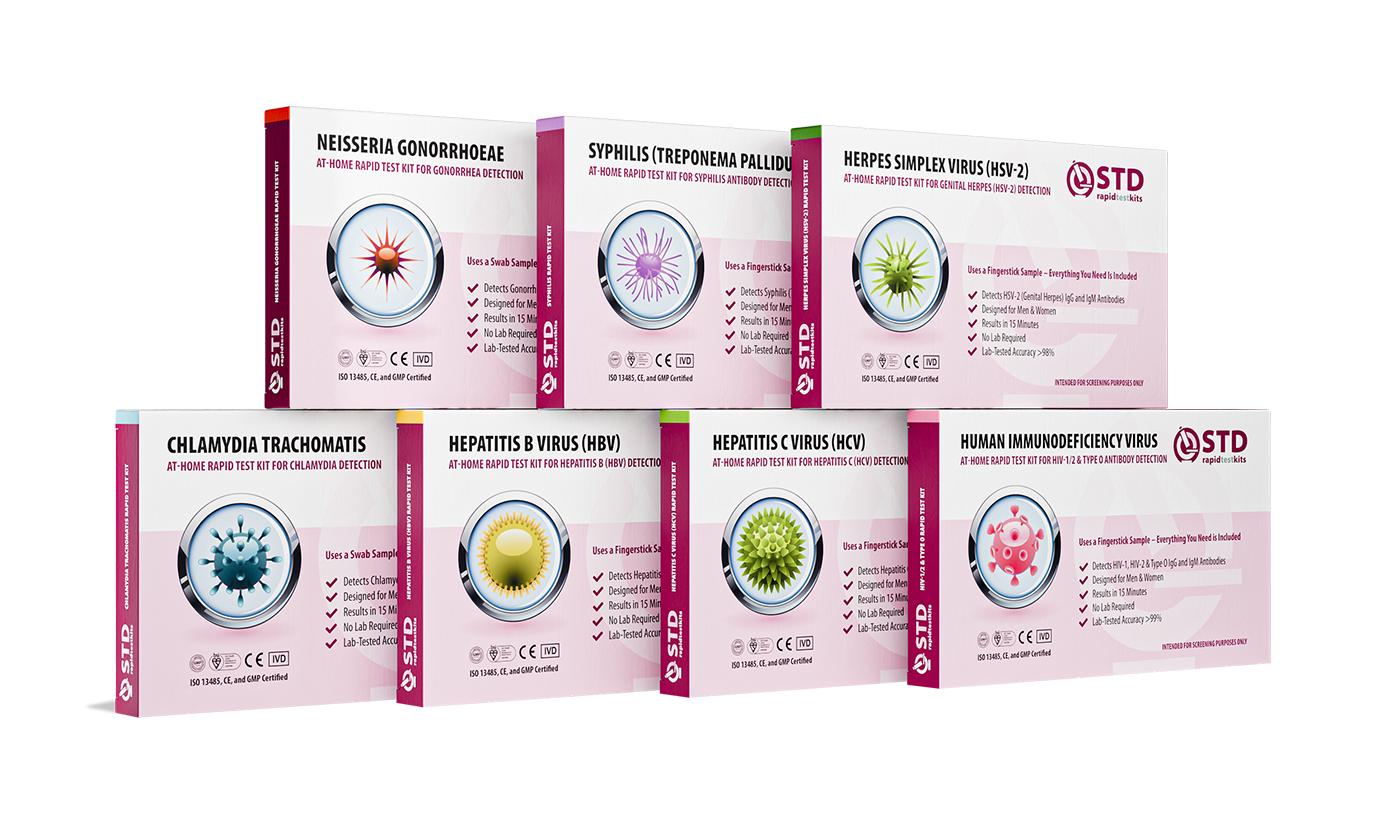
 For Men & Women
 Results in Minutes
 No Lab Needed
 Private & Discreet
Order Now $129.00 $343.00
For all 7 tests
What If It Was Just Oral? Or Just Rubbing?
When people think “we didn’t really have sex,” they’re often referring to acts like oral sex, dry humping, or genital rubbing. These don’t always feel like “real sex” because of how abstinence-focused narratives have shaped our understanding of intimacy. But from a transmission standpoint? The risk is still real.
Take oral sex. Herpes and gonorrhea are both easily transmitted this way, especially if the giver has oral herpes or the receiver has a urethral infection. The mouth is full of vulnerable mucous membranes. Saliva may not carry HIV well, but it’s a great transport system for other STDs.
As for grinding or genital rubbing, also called “outercourse”, that comes with risk if there’s skin-to-skin contact. People can and do contract HPV, herpes, and syphilis through contact that doesn’t involve penetration. You can’t talk your body out of that exposure by calling it something different.
The same goes for sex with fingers or toys. While the risk is lower, especially for viral infections, bacteria like chlamydia can be passed via fluids that stick to skin, nails, or unwashed items.
Why So Many People Wait to Get Tested, And Why That’s a Problem
When we don’t think something “counts” as risky, we delay testing. And that delay is often what lets infections spread further, to partners, to our own deeper tissue, or into complications like pelvic inflammatory disease (PID).
Kendra, 33, remembered thinking, “Well, we stopped before it got serious.” She ignored her mild itching, assuming it was stress or detergent. When she finally got tested six weeks later, she had both trichomoniasis and bacterial vaginosis. One had triggered the other. The emotional toll was worse than the physical one: the regret of waiting, the fear of passing it to someone else unknowingly.
According to the CDC, many STDs show no symptoms at all, yet still cause long-term damage. That’s why routine screening is recommended, especially after new partners or unprotected encounters.
But people often think they don’t “deserve” a test unless something happened that matches their idea of risk. If there was no ejaculation, they feel silly asking for care. That mindset is what keeps clinics busy, and patients ashamed.
STD Testing After No Ejaculation: What to Expect
Good news: You don’t need a dramatic exposure or visible symptoms to justify a test. The entire point of STD screening is to catch infections before they become visible, or spread.
Let’s say your encounter involved penetration without a condom, but no one finished. Or maybe it was oral, or just rubbing. You’re now in the window period zone: the critical stretch of time between potential exposure and when a test can detect infection accurately.
Here’s what you need to know about timing:
| STD | Can You Test Immediately? | Best Time to Test After Exposure | Retest Needed? |
|---|---|---|---|
| Chlamydia | Too early = false negative | 2 weeks | Yes, if tested before 14 days |
| Gonorrhea | Possible after 5–7 days | 1–2 weeks | Yes, if early symptoms appeared |
| Herpes | Only if sores are present | 3–12 weeks (blood test) | Yes, for confirmation |
| Syphilis | Too early = false negative | 3–6 weeks | Sometimes |
| HIV | Earliest: 10–14 days (NAAT) | 4–6 weeks | Yes, at 12 weeks for confirmation |
Table 2. Testing windows after unprotected contact, even without ejaculation. Retesting helps confirm early results, especially if symptoms develop or the exposure was recent.
The safest route? Get tested 14 days after any skin-to-skin or fluid-based sexual contact, even if there was no finish line. If you test earlier for peace of mind, plan to retest at the ideal window for confirmation. Think of it as checking your blind spot twice.
STD Rapid Test Kits offers discreet testing kits you can use at home, including options for early detection and retesting timelines. Whether you’re dealing with a maybe-situation or just don’t want to go into a clinic, you have options.
The Emotional Fallout: Shame, Silence, and That “What If” Loop
STD risk isn’t just physical. It hits your brain and your gut. If you’ve ever sat in bed after a hookup, wondering if a weird twinge or smell is a problem, you know exactly what this section is about. That voice in your head starts whispering: “It wasn’t even real sex,” “He didn’t finish,” “I’m probably overthinking it.”
But that whisper turns into a loop. You Google symptoms in private tabs. You replay every second. You weigh whether it's worth asking a friend, or worse, going to a clinic and having to explain that it was “barely anything.” This is how people stay sick longer. Not because they’re careless, but because they’re afraid of not being taken seriously.
Dante, 22, said it best: “I didn’t think they’d believe me if I said I thought I got herpes from just grinding. Like, who does that happen to?” But it did happen. He learned about asymptomatic shedding the hard way, and it took weeks to find the confidence to even get tested.
You’re allowed to feel confused. You're allowed to ask for care even when you're not sure it “counts.” The only thing you don’t owe anyone is silence. And the only mistake is assuming you’re safe just because it didn’t end in ejaculation.

People are also reading: The 3 Rashes That Get Mistaken for HIV (And What They Really Are)
So What Does Protection Actually Look Like?
Condoms are important. Dental dams matter. But so does knowledge. The only way to fully protect yourself is to understand how transmission works, and to test accordingly. That means shifting how we think about “sex” and what types of contact carry risk.
Withdrawal (pulling out) is not STD protection. It does absolutely nothing to block skin contact or manage fluids exchanged before ejaculation. It’s a pregnancy prevention tool with high failure rates, and an even worse record for STI prevention.
If you're relying on the fact that your partner “didn’t come,” you’re putting your trust in both timing and biology. And biology doesn’t follow your calendar.
Real protection includes:
- Using barrier methods consistently, including during oral sex and outercourse
- Getting tested after new partners, even without obvious symptoms
- Communicating openly about testing history, not just condom use
- Knowing that STDs can come from acts we don’t even think of as “sex”
It also means unlearning shame. Because you deserve to test without needing to justify it.
If you’ve had any contact, even without penetration, even without ejaculation, and something feels off, or even if it doesn’t, testing is a reasonable, responsible step. It’s not about panic. It’s about peace of mind.
What Happens If You Do Test Positive?
Let’s say the test comes back with a result you weren’t expecting. Maybe it’s chlamydia, or maybe something you thought “only happened to other people,” like herpes or HPV. Your first reaction might be shame, then fear, then confusion. What did you miss? How could this happen if there was no finish?
Take a deep breath. The majority of STDs are treatable or manageable. Many are extremely common. You didn’t mess up, you operated from the info you had. Now, you get to make a more informed choice about what happens next.
That starts with confirming your result, getting care, and informing any recent partners. It doesn’t mean broadcasting your status or living in fear. It means creating a plan with facts, not assumptions. Sites like the CDC and Planned Parenthood offer guidance for partner notification and treatment timelines.
And if you’re not ready for a face-to-face, that’s okay too. Discreet, at-home retesting can help you confirm results and manage exposure from a safe place. This combo test kit covers the most common infections, so you can stop guessing and start healing.
Check Your STD Status in Minutes
Test at Home with Remedium6-in-1 STD Rapid Test Kit
 For Men & WomenResults in MinutesNo Lab NeededPrivate & Discreet
Order Now $119.00 $294.00
For all 6 tests
Real Talk: The STD That Doesn’t Care About “Real Sex”
Herpes is the poster child for everything this article is about. It spreads without symptoms. It doesn’t care if there’s penetration. It shows up in people who swear they only “fooled around.” It doesn’t need ejaculation, climax, or even genital-to-genital contact.
Nadine, 31, contracted HSV-1 genitally from a partner who only gave her oral sex. “He didn’t even think he could give it to me,” she said. “He gets cold sores sometimes but thought they weren’t contagious unless you could see them.” That’s a common and dangerous assumption. Oral herpes can transmit even when lips look normal.
It’s not about scaring you. It’s about reality. These infections don’t play by the rules you were taught in health class. So if your experience didn’t fit the mold, and now you’re left wondering, don’t ignore that instinct. Testing isn’t about punishment. It’s about having answers in a world full of misinformation.
And the next time someone says, “But we didn’t even finish…” you’ll know exactly how to respond.
FAQs
1. Can I really catch something if he didn’t even finish?
Yes, and it surprises people all the time. Ejaculation isn't the moment STDs magically appear. Infections like chlamydia, gonorrhea, and even HIV can be present in pre-cum or pass through skin contact. So if there was unprotected contact, even for a short time, you're not overthinking it by testing.
2. How risky is “just the tip,” really?
Real talk? It’s not zero. Even a few seconds of genital contact can transfer herpes, HPV, or syphilis, especially if the infected area isn’t covered by a condom. We've heard from people who barely got started and still tested positive. It’s not about fear, it’s about facts.
3. But what if it was only oral? That is safer, isn't it?
Safer doesn’t mean safe. Oral sex can absolutely transmit gonorrhea, herpes, and syphilis. One reader got oral from a guy with no symptoms, and still ended up with throat gonorrhea. The mouth is full of mucous membranes. It’s kind of like an open door for certain infections.
4. Do I need to wait a full month to test?
Not always. Some STDs like gonorrhea and chlamydia can be detected after about a week. Others, like HIV or syphilis, take longer. A good rule: test around day 14, and retest later if symptoms pop up or you’re still unsure. Think of it like checking the rearview mirror before changing lanes, twice.
5. What if my doctor says it’s probably nothing?
Then get a second opinion, or use an at-home test to double-check. You don’t need someone else to validate your gut feeling. Plenty of people have been brushed off, only to test positive later. If something feels off, trust that instinct. It’s your body. You get to ask questions.
6. I got tested before the symptoms showed up. Was that too early?
Maybe. That’s why retesting exists. Early tests can miss infections, especially if done within a few days of exposure. If your test was negative but your body’s throwing up red flags, it’s totally okay to test again after the window period.
7. Do people really get herpes without seeing any sores?
All the time. Herpes can be passed even when the skin looks completely normal. It’s called asymptomatic shedding. You could be with someone who has no clue they’re even carrying it, and still walk away with the virus.
8. Is it embarrassing to test after a hookup that didn’t last long?
Absolutely not. You’re being proactive. That’s something to respect, not feel ashamed of. Whether it was a 2-hour marathon or a 30-second misfire, your health matters the same. No one at a clinic (or on the other side of a test result) is judging you.
9. If I used a condom but didn’t finish, do I still need to test?
Depends. Did the condom stay on the whole time? Was there any skin contact before or after? Did it break or slip? Even with perfect use, condoms don’t cover everything, especially for things like HPV or herpes. If you’re asking, it’s probably worth testing just to breathe easier.
10. Will I regret knowing?
Short answer: no. It might sting in the moment, but clarity gives you power. The only thing worse than a positive result is not knowing and passing it on, or letting it get worse. Testing is not a punishment. It’s self-respect in action.
You Deserve Answers, Not Assumptions
If you’ve read this far, you’re probably still turning over the memory of what did, or didn’t, happen. Maybe it was fast. Maybe it felt unfinished. But the risk is still real, and so is your peace of mind once you know for sure.
You don’t need anyone’s permission to test. And you don’t need to hit some invisible threshold of risk to justify caring for your own health. You can move forward today, regardless of whether you're anxious, inquisitive, or simply tired of speculating.
Don’t wait and wonder, get the clarity you deserve. This at-home combo test kit swiftly and covertly checks for the most prevalent sexually transmitted diseases.
How We Sourced This Article: We combined current guidance from leading medical organizations with peer-reviewed research and lived-experience reporting to make this guide practical, compassionate, and accurate.
Sources
1. CDC – STD Screening Recommendations
2. Planned Parenthood – STD Basics and Protection
3. About STI Risk and Oral Sex – CDC
5. Sexually Transmitted Infections (STIs) – WHO
6. Understanding How HIV Is Transmitted – NIH HIVinfo
7. Overview of Sexually Transmitted Infections (STIs) – MSD Manual
8. Sex Activities and Risk – NHS
9. Coitus Interruptus (Withdrawal) and STI Risk – CDC
10. Sexually Transmitted Infections Treatment Guidelines – CDC
About the Author
Dr. F. David, MD is a board-certified infectious disease specialist focused on STI prevention, diagnosis, and treatment. He blends clinical precision with a no-nonsense, sex-positive approach and is committed to expanding access for readers in both urban and off-grid settings.
Reviewed by: Alicia Tam, NP | Last medically reviewed: January 2026
This article should not be used as a substitute for medical advice; it is meant to be informative.


