




Can You Get an STD from a Virgin?
Sexually transmitted diseases, better known as STDs, have become very common on every continent of the world, but can you get an STD from a virgin? Although this is the correct question, it is rather


 2819
2819To answer whether hugging gives you an STD, you first need to understand how these infections are actually transmitted.
Sexually transmitted diseases (STIs), or STDs, are most often spread through:
Most STDs require:
Hugging, on the other hand, typically involves skin-to-clothing contact. Even if there’s skin-to-skin contact, it’s usually brief, non-intimate, and doesn’t involve the bodily exchange necessary for transmission.

Some worry about HPV or herpes being spread through skin contact. While these can spread via skin-to-skin contact, it typically involves sustained, intimate contact, definitely not quick hugs.
For example:
Casual hugging doesn’t meet the conditions required for STD transmission.
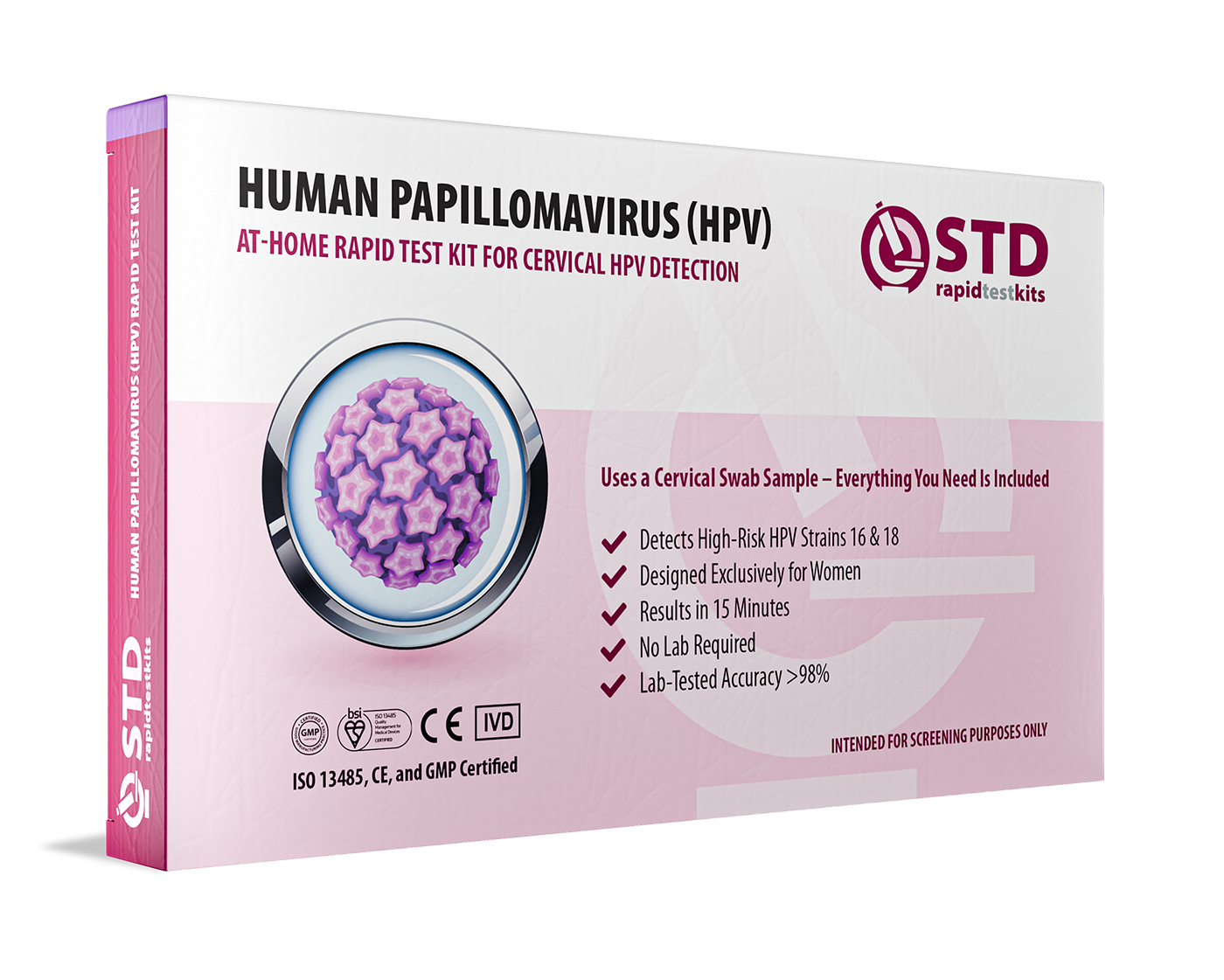
 For Women
 Results in Minutes
 No Lab Needed
 Private & Discreet
Order Now $33.99 $49.00
Understanding how STDs spread isn’t just good for your own peace of mind, it’s essential for public health and smarter decision-making.
When people wrongly believe STDs are spread through hugs, handshakes, or casual contact, it can cause harm by:
To end stigma, we need to start with facts.
You don’t need to avoid a friend with herpes or HIV. Knowing the real risk enables you to:

There’s already enough anxiety around STDs. Knowing what’s not a risk allows people to focus on what is:
If people stop fearing hugs and start focusing on safer sex practices, we’re all better off. Accurate knowledge leads to:
Myths surrounding transmission disrupt education campaigns and treatment initiatives. Dispelling them enables all of us to make wiser decisions, without humiliating anyone in the process.
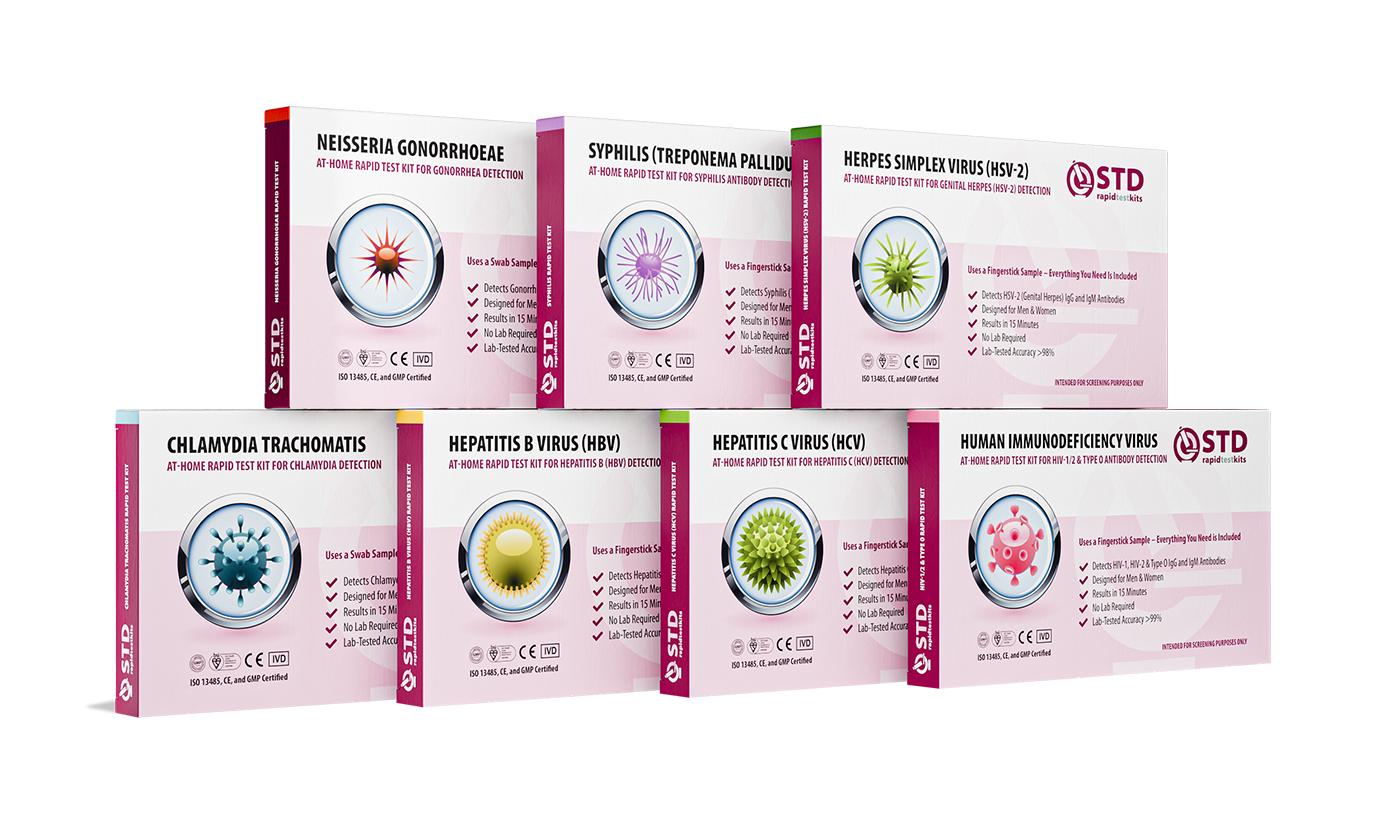
 For Men & WomenResults in MinutesNo Lab NeededPrivate & Discreet
Order Now $129.00 $343.00
Even now, an astonishing number of people are still reluctant to sit next to, shake hands with, or hug someone with an STD. The fear of “catching something” through casual contact lingers in public imagination.
Here are some of the most common concerns, and why they’re wrong:
Myth 1: You Can Get an STD from a Hug
Nope. As noted earlier, most STDs involve close contact with body fluids or exposed skin. Hugs, even extended ones, don’t provide this access.
Myth 2: If You Touch Someone’s Clothing, You Can Get Infected
False again. STDs don’t linger long on surfaces like clothing or skin. Most need a warm, moist environment and direct mucous contact to transmit.
Myth 3: Herpes Can Be Spread from a Cheek Kiss
This is wildly overblown. HSV-1 (oral herpes) spreads through kissing when there are active sores, but the cheek is a much less common site for transmission.
Myth 4: You Should Avoid Touching HIV+ Individuals
This is outdated and dangerous misinformation. Touching, hugging, sharing a fork, or using the same toilet does not spread HIV. It requires direct blood or sexual fluid contact, usually via sex, IV drug use, or childbirth.
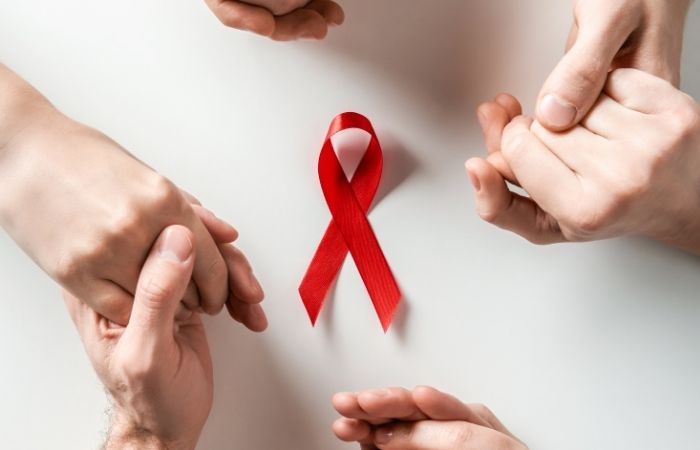
You don’t have to lock people, or yourself, out to avoid STDs. With trustworthy information, you can protect yourself and still be a loving, connected human being.
It’s easy to get caught up in myths and fears, but data grounds us. Let’s see what the research really says about STDs and casual contact.
According to the World Health Organization and UNAIDS:
The CDC reports:
Even in extremely rare cases where oral herpes is spread non-sexually, it involved a personal kiss with visible sores.
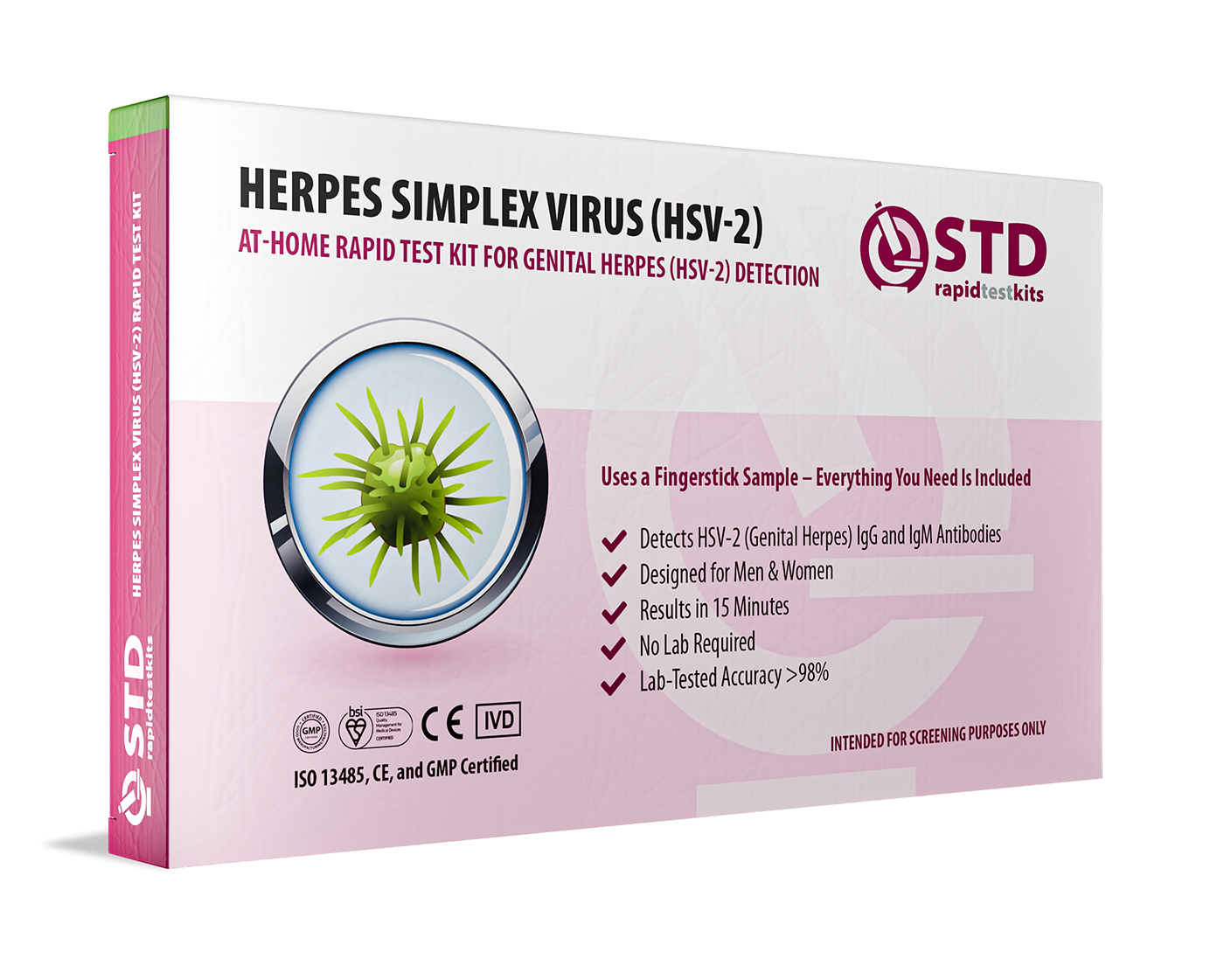 For Men & WomenResults in MinutesNo Lab NeededPrivate & Discreet
Order Now $45.99 $49.00
A PubMed Central study found that under 1% of STIs came from non-sexual contact. Most cases involved:
Hugging didn’t even register as a factor.
A 2023 public health survey showed:
Clearly, there’s still a massive education gap.

Forget the fearmongering. Here’s what doctors and patients actually say about STD transmission through hugs:
"You cannot get an STD from a hug. Period. We need to break the linkage between affection and infection."
She emphasizes that ignorance fuels stigma and keeps people from getting tested or treated.
"One of the saddest things is when a person with herpes or HIV is ostracized by friends or relatives who simply don't get it."
According to him, patients often feel emotionally punished, despite posing no risk to others.
"I informed a close friend of my diagnosis, and she stopped hugging me. It was more painful than the diagnosis itself."
Her friend believed she could get HIV from sweat or skin contact. After talking to a doctor and doing some reading, she apologized, and hugged Sarah again.
In a paper titled "Hugs and Kisses: HIV-Infected Parents' Fears About Contagion," researchers discovered that most HIV-positive mothers didn’t want to hug their children, even though they rationally knew it wasn’t a risk. This shows how deep myths run, even among people living with the virus.
 For Men & WomenResults in MinutesNo Lab NeededPrivate & Discreet
Order Now $33.99 $49.00
The fear of catching diseases through casual contact is nothing new, it predates our knowledge of bacteria and viruses.
When HIV first emerged, panic spread faster than the virus itself. The resulting discrimination was brutal:
This wasn’t science, it was moral panic in action.
In the early 20th century, women suspected of having STDs could be hospitalized in the U.S. under "moral hygiene" laws. No diagnosis required, just suspicion.
Thankfully, science and activism pushed back. Organizations like the CDC, WHO, and UNAIDS worked to replace myths with facts through:
We know better today, but those early lies still shape how people with STDs are treated.

STD discourse is evolving. Here's where it's headed, and how we can all move forward with facts, not fear.
More people are choosing discreet, easy-to-use testing kits. They remove the stigma of judgment from clinics and promote regular testing among young adults.
Contemporary sex education encompasses:
Social media platforms like TikTok and Instagram are filled with STD-positive creators who:
New technology helps people identify symptoms early and speak with professionals without shame. These tools replace fear with facts.

What are you going to do with everything that you've learned?
For Men & WomenResults in MinutesNo Lab NeededPrivate & DiscreetOrder Now $129.00 $343.00
At times, the emotional sting of stigma can land harder than the actual diagnosis. These stories illustrate how STD transmission myths, especially around hugs, impact lives in unexpected ways.
"When I informed my roommate that I had herpes, he stopped sitting beside me on the couch. We were friends for years. It wasn't until he read an article by a doctor that he learned that hugging me would not harm him. He apologized, but that silence between us for those couple of days? It stung."
"I've had patients weep because someone refused to hug them after learning they had an STI. I die a little inside. There's no health-based reason to act that way, that's stigma at work."
"Sometimes people still mutter behind their hands when I hug my nieces and nephews. Truth? I am undetectable. I could not give anyone HIV, let alone give anyone HIV in a hug."
These are reminders: affection is safe. Kindness is safe. The real danger is ignorance.

Let's talk about the most widespread misconceptions regarding hugging and STD transmission.
1. Can you get herpes from hugging someone?
No. Herpes is transmitted through contact with sores or mucous membranes, not hugs.
2. Is it safe to hug someone with HIV?
Yes. HIV is not transmitted by casual contact such as hugging or touching.
3. Are there any STDs that spread through clothing or shared furniture?
No. STDs need bodily contact, clothing or surfaces do not pose a realistic risk.
4. What if someone has a sore or rash while hugging me?
Unless that sore is actively contagious and touches your mucous membrane or open wound (which is highly unlikely), the risk is virtually nonexistent.
5. Should people with STDs avoid physical contact with others?
Not at all. They can and should lead normal, loving lives.
6. Can a child become infected with an STD by hugging an infected parent?
No. STDs are not spread through normal parental contact.
7. Is HPV spread by hugs?
No. HPV is most often spread by sexual or genital contact.
8. Can STDs survive on skin and infect others by being touched?
Only in very unusual circumstances, and never by a normal hug.
9. Would it be rude to decline touching if you have an STD?
Yes, unless absolutely medically required. It suggests risk where none exists and contributes to stigma.
10. Must I stop hugging someone who definitely has an STD?
Not on your life. Hugs are safe, and potent. Go hug them.
 For WomenResults in MinutesNo Lab NeededPrivate & Discreet
Order Now $33.99 $49.00
If you've made it this far, you've likely come to a crucial realization: worrying about getting an STD from a hug is not scientific. It's myth-based, shame-based, and rooted in generations of disinformation.
Let's touch on what we do know today:
If your friend has an STD:
What You Can Do Today:
Because knowledge isn't power, it's protection. And sometimes, a hug is what someone needs most.
1. Can I Get STDs Through Casual Contact Like Hugging or Touching? – MedicineNet
2. HIV and AIDS: Transmission Myths and Facts – Medical News Today
3. Common Misconceptions About HIV/AIDS Transmission – WebMD
4. Can You Get an STI from Hugging? – Teen Health Source
5. Herpes Myths vs. Facts – KMD Law
6. Busting STI Myths (including casual contact) – Northway Clinic
Next Story

 Fast discreet shipping
 Instant results
 No lab required