






Quick Answer: HPV, HIV, and, less clearly, herpes are all linked to increased cancer risks through chronic inflammation, immune suppression, and genetic disruption. But regular testing, vaccination, and treatment can dramatically lower your risk.
The Slow Burn: When a Virus Doesn’t Go Away
Karl, 34, was diagnosed with HIV three years ago. He’s healthy, undetectable, and on antiretrovirals. But his doctor recently recommended a yearly anal Pap smear, a screening he didn’t even know existed. Why? Because people with HIV are at higher risk for anal and other virus-linked cancers, especially if they’ve also had HPV.
This isn’t a scare tactic, it’s biology. Chronic viral infections like HPV and HIV alter your cells over time. Some viruses trigger changes that mess with DNA replication. Others weaken the immune system’s ability to kill off rogue cells before they spiral into tumors. And herpes? That one's still under debate, but the evidence is growing.
HPV: The Clearest Cancer Link of All
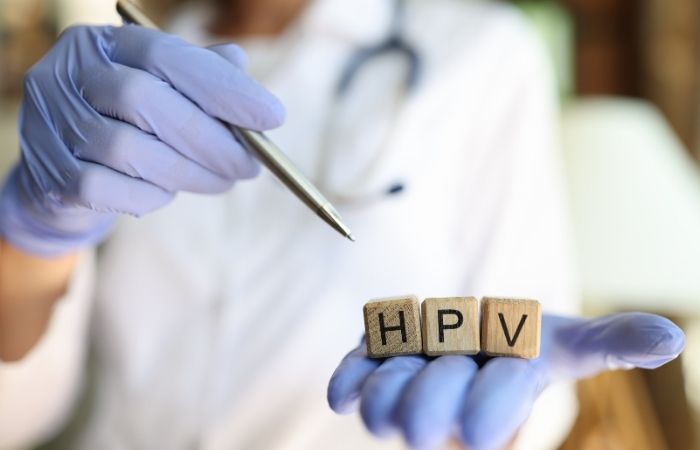
If there’s one STD that’s definitively linked to cancer, it’s HPV. The Centers for Disease Control and Prevention (CDC) confirms that high-risk strains of human papillomavirus are responsible for nearly all cervical cancers, and they also cause anal, throat, vaginal, vulvar, and penile cancers.
There are over 100 strains of HPV, but only about 14 are considered high-risk for cancer. The two most notorious? HPV 16 and 18. You can have these types for years without symptoms, and they’re not the ones that cause warts. That’s why you can’t rely on visible signs to tell if you're infected with a cancer-linked type.
| HPV Strain | Causes Warts? | Cancer Risk | Common Cancers |
|---|---|---|---|
| HPV 6 & 11 | Yes | Low | None or very rare |
| HPV 16 & 18 | No | High | Cervical, anal, throat |
| HPV 31, 33, 45, etc. | No | Moderate–High | Cervical, vulvar, penile |
Table 1: Not all HPV is equal, wart-causing types differ from high-risk strains that trigger cellular changes in mucous membranes.
People are also reading: Herpes? Nope. 7 Conditions That Just Look Like It
HIV and Cancer: The Immune System Connection
HIV doesn't directly cause cancer, but it makes it harder for your body to fight the changes that lead to it. When untreated, HIV slowly weakens your immune defenses, giving viruses like HPV and EBV more room to do damage. People living with HIV are significantly more likely to develop Kaposi sarcoma, non-Hodgkin lymphoma, and cervical cancer, all of which are classified as AIDS-defining illnesses by the CDC.
The risk of certain cancers, especially in the anus, liver, and lungs, is still higher even after treatment. Why? HIV causes chronic inflammation, which changes how cells repair themselves and can speed up processes that lead to cancer.
That’s why screening matters. If you’re HIV-positive, talk to your provider about annual Pap smears (yes, for men too, if you’ve had receptive anal sex) and other cancer screenings based on your sexual history.
Check Your STD Status in Minutes
Test at Home with Remedium6-in-1 STD Test Kit
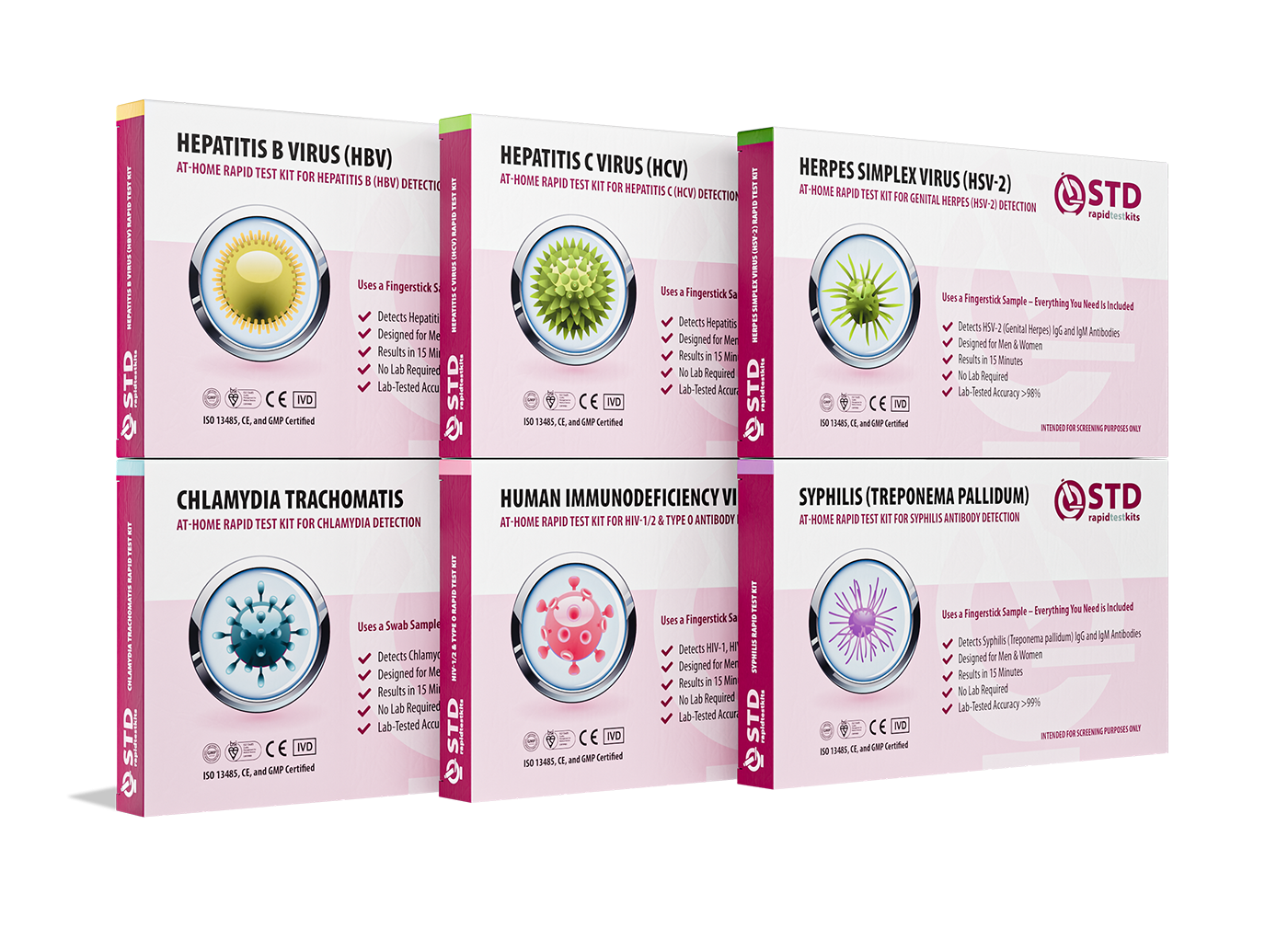
 For Men & Women
 Results in Minutes
 No Lab Needed
 Private & Discreet
Order Now $119.00 $294.00
For all 6 tests
Can Herpes Cause Cancer?
This one is harder. Researchers are very interested in herpes simplex virus (HSV-1 and HSV-2) because it does not directly cause cancer like HPV and HIV do. Some studies suggest that HSV-2 may help cause cervical cancer, especially when it is present with high-risk types of HPV. Other research suggests that chronic inflammation caused by repeated herpes outbreaks may lead to cellular stress, potentially heightening cancer susceptibility over time.
The evidence so far only points in one direction, not the other. Don't worry if someone told you that you have herpes, though. But that doesn't mean you'll get cancer. You should pay attention to your overall sexual health, though, by getting the HPV vaccine and getting tested for HIV.
Coinfections: When One STD Makes Another More Dangerous
Jazmine, 26, got an HPV diagnosis after a routine Pap. Six months later, she tested positive for HIV after a new relationship. What had started as a “minor” concern now carried far greater weight, because having both viruses changes the body’s ability to contain either.
This is what public health researchers call synergistic risk. HIV’s impact on the immune system can make it harder to clear or control high-risk HPV types, leading to faster progression to cervical or anal dysplasia. Conversely, active HPV can trigger chronic inflammation that makes HIV replication easier in the mucosa. It’s a feedback loop that multiplies danger quietly.
If you're HIV-positive, you’re more likely to carry persistent HPV. And if you already have HPV, a weakened immune system (from HIV, stress, or even medication) can speed up the transition from cellular change to cancer. That’s why coinfections require aggressive screening and early action.
Testing Realities: Most STD Tests Don’t Check for Cancer
Here’s a hard truth that often gets lost in clinic visits and Google rabbit holes: even comprehensive STD panels don’t check for cancer or precancerous changes. You can test negative for HPV and still have dysplasia. You can test positive for herpes and have zero cancer risk. And you might test positive for HIV and feel fine, but still need additional screenings.
At-home STD tests are powerful tools, but it’s crucial to know what they can and can’t detect. For example:
| STD | Detectable via Home Test | Cancer Risk Assessment? | Additional Screening Needed |
|---|---|---|---|
| HPV | Some mail-in DNA tests | No direct risk analysis | Pap test, colposcopy |
| HIV | Yes (blood or oral test) | No | Anal Pap, liver panels, chest imaging |
| Herpes | Yes (antibody or swab) | No | Regular checkups if co-infected with HPV |
Table 2: Most STD tests do not include cancer screening, separate tools like Pap tests or biopsies are needed.
If you’re wondering whether to test, don’t wait for symptoms. STD Rapid Test Kits offers confidential, lab-grade options you can use from home. The Combo Home Test Kit covers multiple infections discreetly and quickly.
How Testing Changes the Story (And the Outcome)
Malik, 39, avoided HPV testing for years. After his HIV diagnosis, his doctor insisted. The results came back showing high-grade anal dysplasia. Catching it then, rather than waiting until it turned into full-blown cancer, gave him a treatment window, and peace of mind.
This is the power of proactive testing. STDs don’t just exist in a vacuum, they interact with your immune system, your stress levels, your other infections. Knowing what’s going on in your body early changes everything. It’s the difference between catching a shift in your cells versus catching a tumor.
Whether you’re managing herpes, living with HIV, or unsure about your HPV risk, you deserve answers. Not shame. Not judgment. Just clarity.
If you’ve never tested, or it’s been a while, peace of mind is one test away. Order a discreet Combo Test Kit here and take back control.
What Prevention Really Looks Like (It’s Not Just Condoms)
Most people think that using condoms is the best way to avoid STDs that can cause cancer. And yes, that helps, but it's not the whole story. The things that really change the game are:
1. The CDC says that everyone up to age 26 should get the HPV vaccine, and some people up to age 45 should also get it. It protects against the most dangerous types.
2. HIV PrEP and Treatment: Reducing the amount of HIV in the body through PrEP or antiretroviral therapy improves immune function, which reduces cancer risk.
3. If you have more than one infection or have been in a high-risk situation, you should have regular screenings of your mouth, anus, and cervix.
4. Partner Testing: Knowing your partner's status can help you decide whether to use barrier methods or look into vaccines or medications together.
It's not about being afraid; it's about being strong. You have the power to choose, act, and get treatment early if something happens.
What If You Already Have One of These STDs?
First off, breathe. A positive result doesn’t mean cancer. It means it’s time to pay attention. That’s it. Think of it like getting an early fire alarm: annoying, sure, but also kind of a miracle. You’ve got time to act before anything serious develops.
Herpes? Keep an eye on your outbreaks, talk to your provider about suppression meds, and don’t let anyone make you feel dirty. There’s no link to cancer in most cases, and staying on top of your immune health matters more than obsessing over what-if’s.
HPV? This one’s sneaky, but manageable. If you’ve tested positive for a high-risk strain or gotten an abnormal Pap, your doctor will probably recommend follow-ups every 6–12 months. Most changes reverse on their own. And if they don’t? Treatments like LEEP, freezing, or laser therapy can prevent full-blown cancer from ever forming.
HIV? Being undetectable means being unstoppable. Keep taking your meds. Stay in care. And ask your doctor which cancer screenings make sense based on your gender, anatomy, and sexual history. You deserve more than survival, you deserve confidence in your body again.
The most powerful thing you can do after a diagnosis? Refuse shame. Refuse silence. And don’t let anyone, including that scared voice in your own head, tell you this is your fault. It’s not.
Partner Conversations (Without Panic)
Dani, 31, tested positive for HPV after a routine Pap. She’d just started dating someone new and didn’t know how to bring it up. “I kept rehearsing how to say it without sounding like a walking biohazard,” she said. Eventually, she just sent a screenshot of the CDC’s HPV page with a text that said: “Wanna talk about this tonight? I’m okay, just want you in the loop.”
Her new partner thanked her. They got vaccinated together the next month.
This is what partner care can look like. Honest, low-drama, mutual. No shame spiral. No lecture. Just two people trying to keep each other healthy.
If you’re worried about a convo like this, try writing it out first. Use science, but also be real. “I got tested. I found out I have [X]. It’s super common. Here’s what I’m doing. I just wanted you to know.” That’s it.
And if they react poorly? That’s about them, not about your worth.

People are also reading: Can Hepatitis C Be Cured After Cirrhosis Has Started?
One More Thing, Your Health Isn’t Gross
It bears repeating: STDs are not punishment. They are not a sign of recklessness. They are not the mark of being “unclean.” They’re viruses. Infections. Medical realities that don’t give a damn how good or bad a person you are.
We’ve got decades of science and solutions that make early detection, treatment, and prevention easier than ever. Cancer isn’t an inevitable outcome of an STD, it’s the exception. But when it does happen? Catching it early makes a world of difference.
So if you’re living with HPV, HIV, or herpes, or if you’re just finally ready to stop guessing and get tested, do it. Not because you’re broken. But because you’re brave enough to want answers.
STD Rapid Test Kits has options that meet you where you are, physically and emotionally. Fast shipping, private results, no side-eye. Just care, on your terms.
Check Your STD Status in Minutes
Test at Home with Remedium8-in-1 STD Test Kit
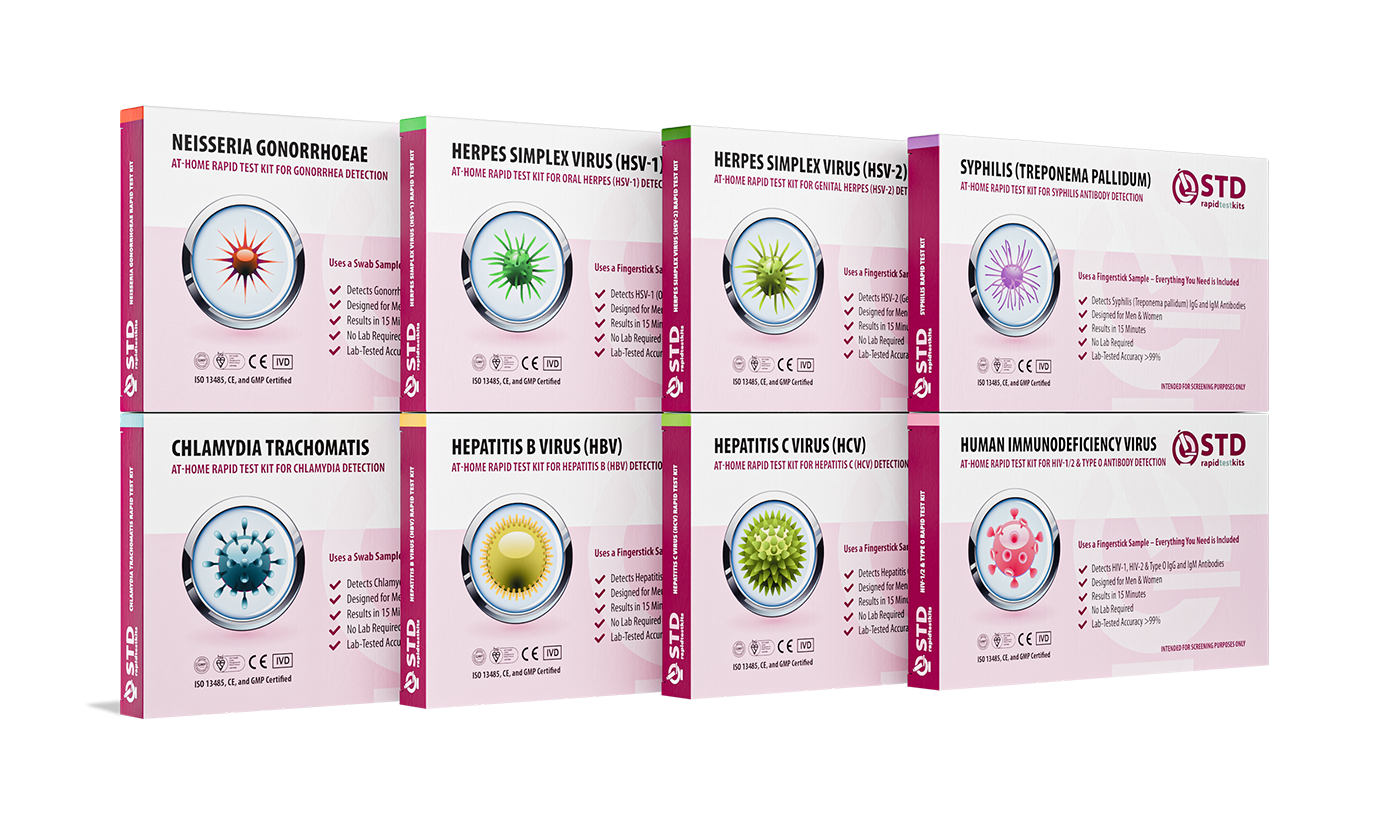 For Men & WomenResults in MinutesNo Lab NeededPrivate & Discreet
Order Now $149.00 $392.00
For all 8 tests
Time Doesn’t Mean Doom, It Means Data
Niko, 43, didn’t know he’d had HPV until his doctor found early-stage throat cancer during a routine dental exam. “I wasn’t sleeping around,” he said. “I didn’t even know men could get cancer from oral sex.” His voice cracked, not from sadness, but from the scar tissue where the tumor used to be.
He’s cancer-free now. But his story is a wake-up call, not a tragedy. Niko caught it early. He listened when something felt off. And he used that diagnosis as a reason to talk to his partners, get vaccinated, and show up for follow-up care. His timeline didn’t start when he got HPV, it started when he got answers.
This is what early detection looks like. Not just peace of mind. Not just “better safe than sorry.” But actual, life-saving intervention. And it’s worth repeating: HPV doesn’t mean cancer. HIV doesn’t mean cancer. Even herpes, while still under the microscope, does not doom you to anything.
What raises the risk isn’t the virus, it’s the silence.
If you’ve been delaying testing, now’s the time. Not because something’s wrong. But because catching something early, or confirming everything’s okay, gives you back control.
You can order a Combo STD Test Kit that checks for the most common infections quickly and quietly. You don't have to make an appointment or wait in line. You are the only one who can control your body and your next step.
FAQs
1. Can HPV really lead to cancer?
Absolutely, but only some types. High-risk strains like HPV 16 and 18 are the culprits behind most cervical and anal cancers. The tricky part? They don’t cause visible symptoms like warts. So you could be carrying one without ever knowing. That’s why regular screening, especially Pap tests or anal Paps, isn’t just busywork. It’s how we catch the quiet stuff early, before it snowballs.
2. I thought herpes was just annoying, can it really cause cancer?
That’s still up for debate. Herpes doesn’t have the same direct link to cancer as HPV, but researchers are digging into whether chronic inflammation from HSV-2 could raise cancer risk over time, especially when paired with HPV. Think of it more like background noise that might help cancer find a way in. But alone? Herpes isn’t the villain people make it out to be.
3. If I have HIV, should I be worried about cancer?
Worry? No. Do you know? Yes. HIV doesn't directly cause cancer, but it makes it harder for your immune system to fight off other bad viruses like HPV. That's why people with HIV are more likely to get some cancers, especially if the virus isn't well-controlled. You can greatly lower that risk by taking antiretrovirals and going to the doctor regularly.
4. Do you only get HPV from sex?
Mostly, yes, but “sex” includes way more than just penetration. HPV spreads through skin-to-skin contact, especially around genitals, mouth, and anus. So oral sex, grinding, sharing toys? All fair game. That’s why even people who’ve only had one partner, or none, can still get it.
5. Can I have HPV and not know it?
Oh, 100%. Most people do. It’s one of the stealthiest STDs out there. No pain, no smell, no bumps. Many strains clear on their own, but the high-risk types can stick around silently for years. That’s what makes routine screening such a lifesaver. You’re not looking for symptoms, you’re looking for what you can’t feel.
6. Is there a test to see if HPV will turn into cancer?
Not exactly, but there are tests to detect early cell changes that could become cancer. Pap smears look for those abnormal cells. If something’s off, your provider might do a colposcopy or biopsy. It’s all about catching the dominoes before they fall.
7. Does getting the HPV vaccine still help if I’m over 30?
Yes, and it’s worth the convo. The vaccine protects against several high-risk strains, and even if you’ve had HPV before, you probably haven’t had all the types it covers. It won’t cure an existing infection, but it can still prevent new ones from taking hold. People up to age 45 can benefit, depending on their history.
8. How do I know if my STD test covered HPV?
Check the fine print. Many standard at-home kits don’t include HPV, especially for folks with penises. HPV testing is usually part of cervical cancer screening (Pap + HPV co-test) for those with cervixes. If you’re not sure, ask. It’s your health, you get to know what’s being tested.
9. Can I still have sex if I have HPV, herpes, or HIV?
Yes, yes, and yes. Having an STD doesn’t cancel your sex life, it just adds layers of communication and care. Use protection, talk to your partners, consider meds or vaccines where relevant. People have joyful, safe, consensual sex every day with all three of these viruses. You’re not broken. You’re informed.
10. If I test positive, does that mean I’m doomed?
Not even close. Testing positive is just a starting point, not a sentence. It means you now have information you didn’t before, and that info lets you take action. Get follow-up care, explore treatment or monitoring, talk to your provider. Most STD-linked cancers are highly treatable when caught early. This is how you take your power back.
You Deserve Answers, Not Assumptions
There’s nothing shameful about getting tested, asking questions, or protecting your body. If you’re living with HPV, herpes, or HIV, or even if you’re just afraid you might be, you deserve clarity, not confusion. And you absolutely deserve to live without fear of the unknown.
Take the guesswork out of your health. Order an at-home Combo STD Test Kit and take the first step toward peace of mind. It's care without compromise: quick, private, and backed by science.
How We Sourced This Article: We combined current guidance from leading medical organizations with peer-reviewed research and lived-experience reporting to make this guide practical, compassionate, and accurate.
Sources
2. HIV Infection and Cancer Risk – National Cancer Institute
4. HIV‑Associated Cancers and Related Diseases (PMC)
5. Herpes Simplex Virus: An Expanding Relationship to Human Cancer – PubMed
6. Herpes Simplex Type 2 Linked to High‑Risk HPV – Infectious Disease Advisor
About the Author
Dr. F. David, MD is a board-certified infectious disease specialist focused on STI prevention, diagnosis, and treatment. He blends clinical precision with a no-nonsense, sex-positive approach and is committed to expanding access for readers in both urban and off-grid settings.
Reviewed by: J. Ramos, MPH | Last medically reviewed: November 2025
This article is not meant to give you medical advice; it is meant to give you information.


