
Published: August 2025 | Last updated: May 2026 | Editorial review and quality control: Martina N.
Hearing the word “cirrhosis” after a hepatitis C diagnosis can feel like a final verdict. It is not. Decades of progress in liver medicine, especially the arrival of direct-acting antiviral (DAA) pills in the mid-2010s, mean that even people whose livers have already scarred can still clear the virus. Cure rates run above 95% in compensated cirrhosis and roughly 80 to 90% in decompensated disease, depending on the regimen and the underlying liver function. Clearing the infection does not undo existing scarring. It does stop further damage, lower the long-term risk of liver cancer, and in many cases let the liver recover function it seemed to have lost.
The harder question is rarely whether treatment will work. It is how quickly you can start, which regimen fits your stage, and what care continues for life once the virus is gone. This article walks through what cirrhosis actually means, how the modern cure works when scarring is already present, what changes after the virus is cleared, and what stays the same. The two stages of cirrhosis behave very differently when it comes to treatment, side effects, and recovery, so knowing which stage applies to you is the foundation of every decision your care team will help you make.
Key Takeaways
- Direct-acting antiviral pills cure more than 95% of compensated cirrhosis cases and roughly 80 to 90% of decompensated cases, even in advanced liver disease.
- Clearing the virus stops further damage and sharply lowers cancer risk, but liver ultrasound every six months remains lifelong once cirrhosis is established.
Compensated Versus Decompensated Cirrhosis
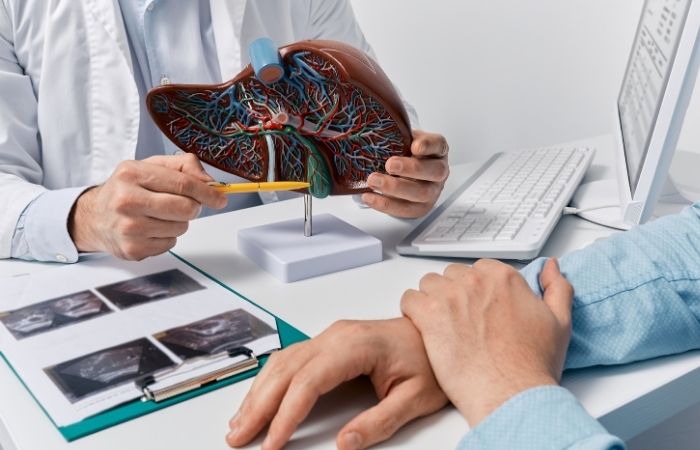
Cirrhosis is not a single moment. It is the slow rearrangement of the liver's internal architecture as scar tissue replaces working liver cells. Chronic hepatitis C drives that scarring across years or decades, often without obvious warning signs. In the first stage, called compensated cirrhosis, the surviving liver tissue can still cover the basics: filtering toxins, making clotting proteins, processing medications, regulating cholesterol and blood sugar. You may feel tired, notice subtle changes in lab work, or pick up signs only on imaging, but daily life looks mostly normal.
When the remaining healthy tissue can no longer keep up, the liver crosses into decompensated cirrhosis. That tipping point shows up as visible problems. Fluid pooling in the abdomen, called ascites, is a common first sign. So is yellowing of the skin or eyes (jaundice), confusion from toxins the liver fails to filter (hepatic encephalopathy), or bleeding from enlarged veins in the esophagus called varices. Decompensated cirrhosis is serious. It can be life-shortening if it is not addressed.
Decompensation is not a closed door. Treatment for the underlying hepatitis C still has a strong track record of clearing the infection at this stage, and in a meaningful share of people, some liver function returns once the inflammation stops. The clinical term for that partial recovery, sometimes called recompensation, is still being studied, and it is well documented in recent literature on people who reached sustained viral clearance after starting treatment with advanced disease.
How Modern DAA Treatment Works
Hepatitis C treatment was very different ten years ago. Older regimens combined interferon injections with ribavirin, ran for 24 to 48 weeks, and produced cure rates closer to half. Side effects were significant, ranging from depression and flu-like symptoms to anemia, and many people with cirrhosis were considered too fragile to tolerate the regimen at all.
Direct-acting antivirals replaced that era. Instead of asking the immune system to fight the virus, DAAs interrupt the virus's own replication machinery. Combinations such as sofosbuvir/velpatasvir, glecaprevir/pibrentasvir, and elbasvir/grazoprevir act on multiple viral proteins at once, including the NS5A and NS5B sites that the virus needs to copy itself. The result is a regimen built around one to three pills per day, taken for 8 to 24 weeks depending on genotype, prior treatment history, and the stage of liver disease. According to the CDC's hepatitis C information, treatment is now recommended for nearly all adults with detectable infection, including those with advanced liver disease.
Sustained virologic response (SVR) is the medical term for cure: no detectable hepatitis C virus in the blood 12 weeks after the last dose. Unlike HIV, hepatitis C does not hide in reservoirs after SVR. Reinfection only happens through a new exposure, never from the original infection coming back.
Cure Rates When Cirrhosis Is Already Present
Across multiple large clinical trials and real-world cohorts, DAA regimens cure more than 95% of people with compensated cirrhosis. The World Health Organization's hepatitis C fact sheet summarises treatment as typically 8 to 24 weeks, with the longer end of that range applying to people with cirrhosis. The figures hold up across genotypes, age groups, and most coexisting conditions, including diabetes and well-controlled HIV coinfection.
Decompensated cirrhosis is harder, but the numbers are still strong. Cure rates in this group typically range from 80% to 90% in published trials, consistent with AASLD-IDSA treatment guidance for decompensated disease, depending on which regimen is used and how the protocol is adjusted. Some people benefit from longer courses, from adding ribavirin to the DAA combination, or from regimens that exclude protease inhibitors, which can stress an already struggling liver. The fact that nearly all decompensated patients can be treated at all is itself a major change from the interferon era. Even people listed for liver transplant are routinely offered DAA therapy now, either before transplant when feasible or shortly after the new liver is in place to prevent reinfection of the graft.
Cure rates this high have practical consequences for the conversation with your clinician. Hepatitis specialists rarely talk about whether treatment will work for a given person. They talk about timing, regimen selection, drug interaction screening, and how to manage the rest of the liver disease around the cure. That shift in framing, from “if” to “how soon,” is the single biggest change of the DAA era.
Clearing hepatitis C halts further viral damage and lets some scarring soften over years. It does not erase cirrhosis. The structural changes to liver tissue, and the elevated cancer risk that comes with them, remain part of long-term care for life.
What Clearing the Virus Changes
The benefits of cure stack up across years, not weeks. Inflammation in the liver subsides once the virus is gone, which means liver enzymes typically normalize and many people report less fatigue, less of the foggy concentration that hepatitis C is known for, and a steadier appetite. Skin and eyes often look healthier as bilirubin levels drop. People with mild fluid retention sometimes see swelling decrease as the liver resumes its job of making albumin.
In compensated cirrhosis, follow-up studies have found that liver function can hold steady or improve modestly over the years after SVR, and the long-term risk of progressing to decompensation drops sharply. In decompensated cirrhosis, a meaningful fraction of people see enough improvement that they move back into the compensated category and, in some cases, off the active transplant list. Recompensation does not happen for everyone, and predicting who will respond well is still imperfect. Even so, it is now a recognized outcome rather than a rare surprise.
The biggest single benefit, in survival terms, is what cure does to cancer risk. Hepatocellular carcinoma, the most common liver cancer linked to chronic hepatitis C, develops in people with cirrhosis at roughly 1 to 4% per year before treatment, per AASLD-IDSA HCV guidance on surveillance. After SVR, that annual rate falls substantially, though it does not reach zero in people who already have established cirrhosis. The gap between “lower” and “absent” is why surveillance continues for life, and the size of the reduction is what makes treatment worthwhile even at advanced stages.
Hepatitis C is a curable disease. Direct-acting antiviral medicines can cure more than 95% of persons with hepatitis C virus infection, but access to diagnosis and treatment remains low.
Cancer Surveillance Stays for Life
After cure, the standard of care for anyone with cirrhosis is liver ultrasound every six months, often paired with an alpha-fetoprotein (AFP) blood test. This twice-yearly cadence catches small hepatocellular carcinomas at a stage where they can be removed surgically, ablated, or treated with localized therapies such as transarterial chemoembolization. Major liver societies recommend this schedule continue indefinitely in people who had cirrhosis at the time of treatment.
Some people are surprised that surveillance does not stop once they are cured. The reasoning is straightforward: the structural risk for liver cancer lives in the scarred tissue itself, not in the active virus. Years of inflammation rewired some of the regulatory pathways inside liver cells, and those changes do not unwind when the virus disappears. Surveillance is the difference between catching a 1 cm lesion that is highly treatable and finding a larger tumor that may have spread beyond the liver.
Routine blood panels, including a complete blood count, liver enzymes, kidney function, and clotting times, are usually done at the same six-month intervals or annually. An endoscopy may be added for people who have or have had esophageal varices, since varices can develop or worsen even after cure. None of this monitoring is heroic. It is the steady baseline that protects what the cure achieved, and it slots into most people's lives as two clinic visits a year rather than a constant presence.
For anyone who had cirrhosis at the time of cure: liver ultrasound plus an alpha-fetoprotein blood test every six months, indefinitely. Endoscopy is added when varices have ever been present. Routine blood panels typically run twice yearly or annually.
What Treatment Actually Feels Like
For most people, the DAA course is the least disruptive part of the whole journey. You pick up the pills at the pharmacy, sometimes through a specialty pharmacy if insurance routes it that way. You take them once or twice daily, ideally at the same time, and you keep your follow-up labs. There is no infusion suite, no port placement, no week of recovery from each treatment cycle.
Side effects exist, and they tend to be mild. Headache, fatigue, mild nausea, and trouble sleeping are the most commonly reported. According to the NHS hepatitis C overview, most people do not experience significant side effects and complete the course normally. Many continue to work, parent, travel, and exercise normally throughout the 8 to 12 weeks.
The picture shifts slightly for decompensated cirrhosis. These patients usually need more frequent lab checks, since DAAs are cleared partly by the liver and dosing has to be considered against advanced disease. Drug interactions also need careful review, especially with antiarrhythmics like amiodarone, certain statins, and some antiseizure drugs. Treatment is still on the table for these patients. It just runs as a more closely monitored season, with specialist input rather than as a routine prescription.
Adherence matters. Missing doses can let the virus develop resistance to the specific DAA combination, which limits options for retreatment. Setting a daily reminder and pairing the pill with another routine, like brushing teeth or starting coffee, helps make consistent dosing feel less like a project and more like a small daily anchor.

Why Timing Still Matters
A 95% cure rate is reassuring, and it is not a license to wait. Every additional year of active hepatitis C in a cirrhotic liver is another year of inflammation, another year for fibrosis to deepen, another year in which the chances of complications climb. Decompensation can take a stable, compensated cirrhosis and convert it into a life-threatening situation within months. Variceal bleeding, in particular, can present as a medical emergency before any other warning signs.
Liver cancer risk before cure is higher than after cure. Treating earlier means less cumulative inflammation, less established scarring at the time the virus is cleared, and a better chance the liver recovers function rather than just stabilizing. People who treated their hepatitis C when fibrosis was at stage 2 or 3 often see their liver stiffness measurements improve noticeably after SVR. People who waited until cirrhosis was severe see those measurements stabilize, which is still good even if it falls short of a full bounce-back.
Insurance access has improved across the United States and many other countries. Most state Medicaid programs and private insurers no longer require advanced fibrosis to authorize DAA therapy, in part because population-level modeling repeatedly showed that treating earlier saves money and prevents downstream cancer and transplant costs. If your last conversation about treatment was several years ago and you were told to wait, that advice almost certainly no longer applies. A return visit to a primary care provider, hepatologist, or infectious disease specialist is worth the appointment slot.
Protecting a Healing Liver
Treatment does the heavy lifting on the virus, and the rest of the liver's environment matters for years after cure. Alcohol is the most important variable. Even modest amounts add inflammation to a liver that already has scarring, and the general guidance for anyone with cirrhosis is to stop drinking. There is no reliably “safe” threshold in this group, and the cumulative damage from alcohol stacks with the structural damage already present.
Body weight is another lever. Nonalcoholic fatty liver disease, now sometimes called metabolic dysfunction-associated steatotic liver disease (MASLD), can develop on top of post-hepatitis cirrhosis and accelerate scarring. Keeping weight stable, managing type 2 diabetes if present, and treating high cholesterol all reduce the metabolic load on the liver. People who cleared hepatitis C in their 40s or 50s and then gained significant weight over the next decade sometimes see fibrosis progress despite the virus being gone, which is why post-cure weight and metabolic care are not optional add-ons.
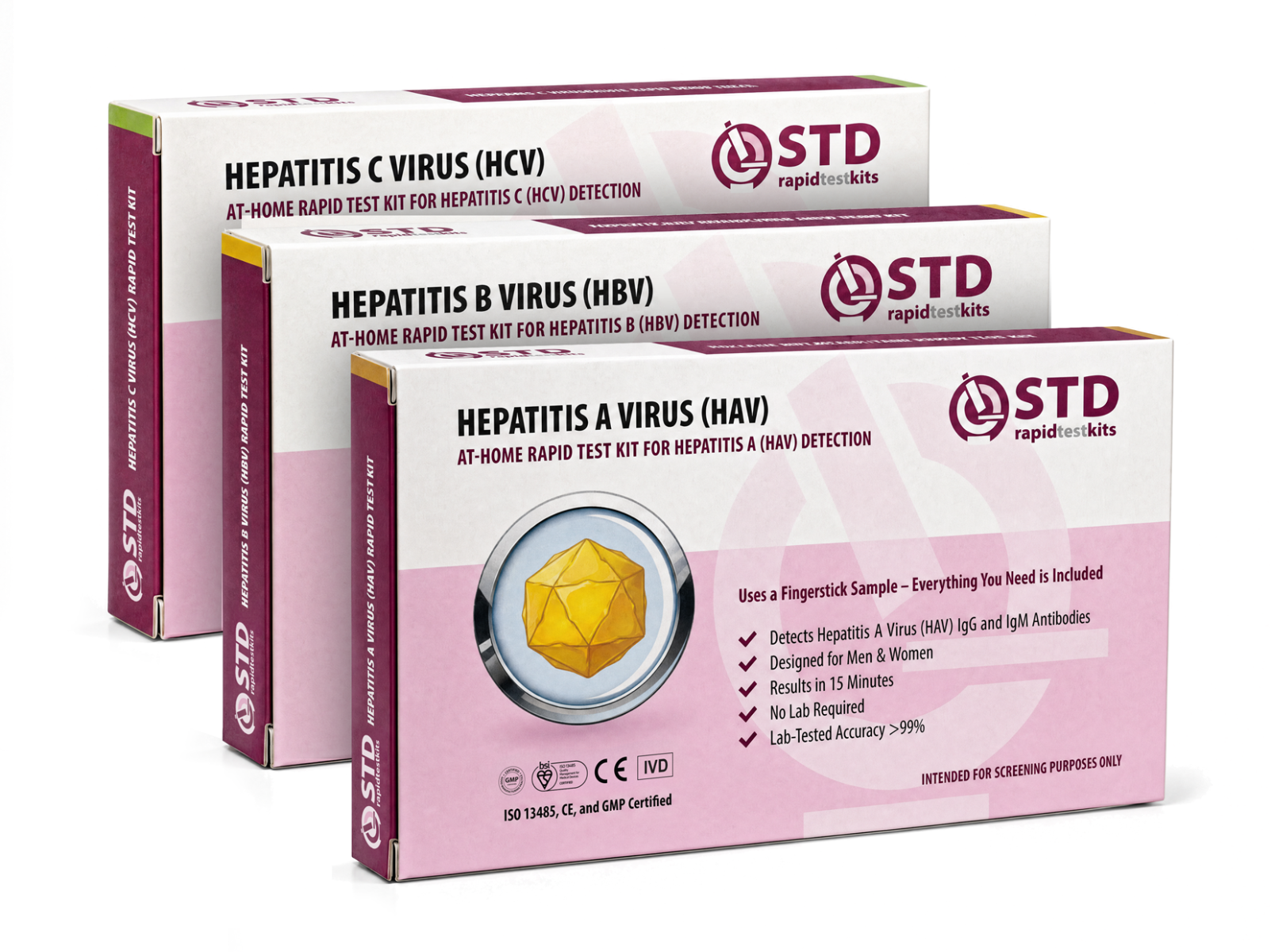
Vaccines round out the protection. Hepatitis A and hepatitis B vaccinations are recommended for anyone with chronic liver disease who has not already been immunized, since coinfection with another hepatitis virus can be much harder on a damaged liver. Annual flu shots and recommended pneumonia vaccines lower the risk of severe respiratory illness, which is dangerous for people with cirrhosis.
Medication review matters too. Acetaminophen is generally safe at modest doses, and nonsteroidal anti-inflammatories like ibuprofen and naproxen are usually avoided because they raise the risk of bleeding from varices and can worsen kidney function in advanced cirrhosis. Any new prescription, supplement, or over-the-counter remedy is worth running past your liver team first, including herbal products marketed for “liver support,” some of which have been linked to acute liver injury.
Four Ways to Protect a Healing Liver
- Stop drinking once cirrhosis is present — there is no clearly safe alcohol threshold in this group.
- Keep body weight stable and manage type 2 diabetes and cholesterol to limit metabolic stress on the liver.
- Get hepatitis A and hepatitis B vaccines if you have not already been immunized, plus annual flu and recommended pneumonia shots.
- Avoid routine NSAIDs like ibuprofen and naproxen, and run any new medicine, supplement, or herbal product past your liver team first.
Testing When You Don't Know Your Status
A large share of hepatitis C infections are discovered late, after cirrhosis is already underway, because the virus rarely causes obvious symptoms in its early years. The CDC recommends that all adults aged 18 and older get tested for hepatitis C at least once in their lifetime, with more frequent testing for people who inject drugs, people with HIV, people on hemodialysis, pregnant people during each pregnancy, and anyone with known exposures.
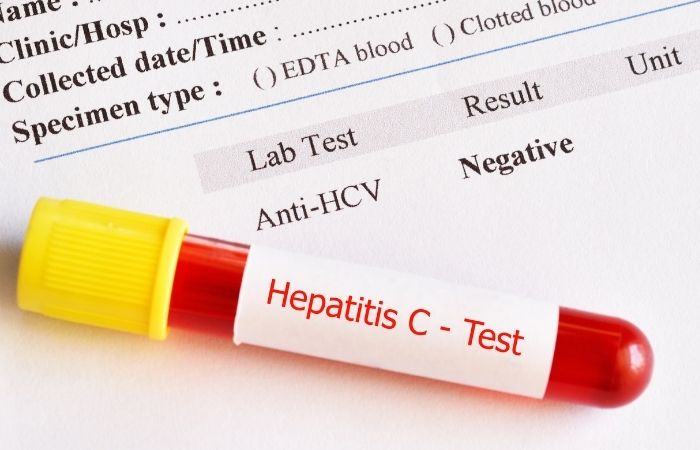
The standard sequence is a hepatitis C antibody test, which screens for past or current exposure. A reactive antibody result triggers a follow-up RNA test (also called a viral load), which confirms whether the infection is active. Some people clear hepatitis C spontaneously after early infection, so a positive antibody with a negative RNA usually means past infection that resolved without treatment.
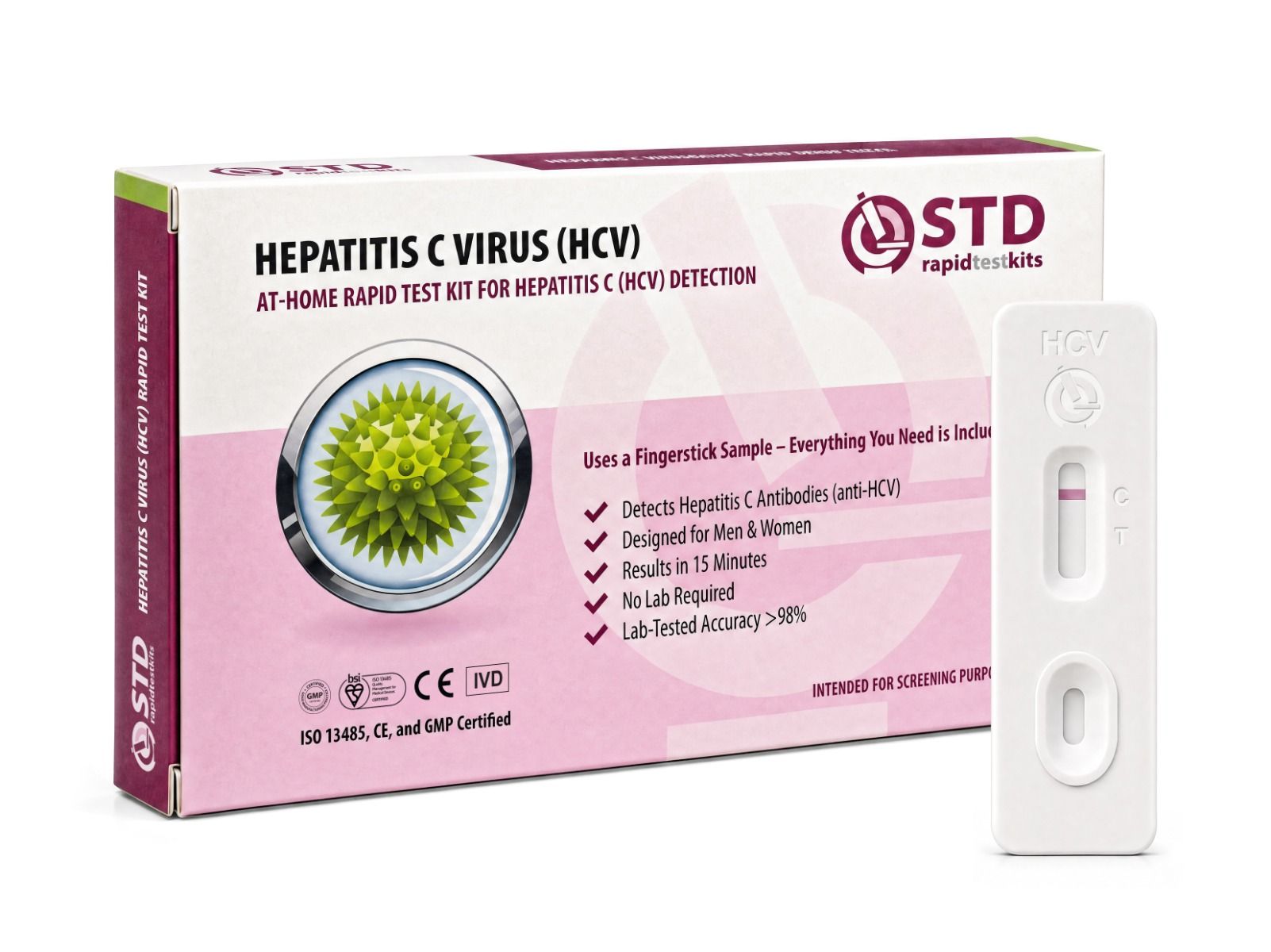
At-home rapid tests have made the first step more accessible. A fingerstick sample can return an antibody result within 15 minutes, which is useful for people who want privacy or who would not otherwise come into a clinic. A reactive at-home result is a screening signal, not a final diagnosis. Take it as the cue to book the follow-up RNA test and a conversation about treatment. A non-reactive result more than six months after any possible exposure usually rules out chronic infection.
For anyone with a history that includes blood transfusions before 1992, shared injection equipment, tattoos or piercings in unregulated settings, intranasal drug use with shared straws, or sexual exposure to someone with hepatitis C, testing is the only way to know. Hepatitis C is not spread by sharing food, hugging, or casual contact, so screening exists to find the silent infections that quietly cause cirrhosis decades later.
This article is published by stdrapidtestkits.com, which sells at-home STI testing kits. We sell a rapid at-home hepatitis C antibody test for this first-step screen, and recommend products based on fit-for-purpose for the reader's concern.
An at-home antibody test is a screen. Confirmation comes from a clinic-ordered RNA (viral load) test, which distinguishes active infection from past, resolved infection. Treatment decisions wait for that RNA confirmation rather than acting on the rapid result alone.
When Specialist Care Is the Right Call
Primary care providers can and increasingly do prescribe DAA therapy for straightforward cases. National guidelines, including those summarized at HCVGuidelines.org, were updated specifically to support primary-care prescribing, in part to expand access in areas where hepatologists are scarce. For an adult with compensated cirrhosis, a common DAA combination, and no major drug interactions, a well-prepared primary care team is often sufficient.
A hepatologist or gastroenterologist with liver expertise is the right call when cirrhosis is decompensated, when there is a history of liver cancer, when prior DAA treatment has failed and a second course is being considered, when significant kidney disease or HIV coinfection complicates the picture, or when transplant evaluation is on the table. Specialist clinics are also better resourced for the imaging, endoscopy, and pressure measurements that more advanced cirrhosis sometimes requires, such as measuring the hepatic venous pressure gradient.
Liver transplant remains an option for people whose cirrhosis is too advanced for the liver to support life even after the virus is cleared. Outcomes after transplant have improved significantly in the DAA era, since the new liver can be protected from reinfection by treating either before or shortly after surgery. Being referred to a transplant center early is not a sign that surgery is imminent. It is the way to make sure all options stay open and that you are on the right list at the right time if your disease ever crosses that threshold.
When to Escalate to a Liver Specialist
- Decompensated cirrhosis with ascites, jaundice, hepatic encephalopathy, or variceal bleeding.
- Prior DAA treatment failure that needs a second course or a different regimen.
- History of liver cancer, or surveillance imaging findings that need a closer look.
- Active transplant evaluation or referral to a transplant center.
- Significant kidney disease or HIV coinfection complicating drug selection and dosing.
Frequently Asked Questions
- If I already have cirrhosis, is hepatitis C treatment still worth it?
- Yes. Direct-acting antiviral pills cure the infection in more than 95% of compensated cirrhosis cases and 80 to 90% of decompensated cases. Clearing the virus stops further damage, often improves how you feel, and sharply lowers the long-term risk of liver cancer. The earlier you start, the more liver function you preserve, and treatment is recommended at every stage.
- Can my liver recover after I am cured?
- Some recovery is possible, especially in compensated cirrhosis. Inflammation drops, liver enzymes typically normalize within a few months, and many people see their fatigue ease. Deep scarring is unlikely to fully reverse. What does change is the rate of further damage. It slows dramatically after SVR, and a meaningful share of people with decompensated disease move back into the compensated category.
- Do I still need cancer screening after I am cured?
- Yes. People who had cirrhosis when they started treatment continue twice-yearly liver ultrasound, often paired with an alpha-fetoprotein blood test, for life. The structural risk for hepatocellular carcinoma lives in the scarred tissue, not in the virus, so it does not disappear with cure. Catching small lesions early is how surveillance saves lives.
- How long does DAA treatment take?
- Most regimens run 8 to 12 weeks. People with decompensated cirrhosis or prior treatment failure may need up to 24 weeks, sometimes with the addition of ribavirin. You will have follow-up blood work at 12 weeks after the last dose to confirm sustained virologic response, the medical definition of cure.
- Are side effects from DAA pills manageable?
- For most people, yes. Headache, mild fatigue, and occasional nausea are the most commonly reported side effects, and they rarely interfere with daily life. People with advanced cirrhosis usually need more frequent lab checks during treatment, and dose changes are uncommon. The regimen is far easier to tolerate than the older interferon-based therapy it replaced.
- Can I drink alcohol after I am cured?
- Anyone with cirrhosis is generally advised to stop drinking. Alcohol adds inflammation to scarred liver tissue, and there is no clearly safe amount once cirrhosis is present. Avoiding alcohol protects the recovery that the cure makes possible and lowers the risk of further decompensation.
- Do I need a hepatologist, or can my primary care doctor handle it?
- Primary care providers can prescribe DAAs for straightforward cases, and current guidelines explicitly support this. A hepatologist or gastroenterologist is the right choice for decompensated cirrhosis, history of liver cancer, prior treatment failure, transplant evaluation, or complications from coinfection with HIV or significant kidney disease.
- Can I test for hepatitis C at home?
- Yes. Fingerstick rapid antibody tests can return a result in about 15 minutes from the comfort of your home. A reactive antibody result is a screening signal, not a final diagnosis. A follow-up RNA test confirms whether the infection is active, and a clinician helps decide the next step, which for most people now means starting DAA therapy.
- U.S. Centers for Disease Control and Prevention. Hepatitis C overview, screening recommendations for adults 18 and older, and information about direct-acting antiviral treatment.
- World Health Organization. Hepatitis C fact sheet covering global burden, transmission, diagnosis, and treatment with direct-acting antivirals.
- UK National Health Service. Hepatitis C overview, symptoms, treatment course, and side-effect tolerability of modern antiviral therapy.
- U.S. National Library of Medicine, MedlinePlus. Hepatitis C patient information, testing pathways, and treatment expectations.
- AASLD-IDSA hepatitis C guidance. Clinical recommendations for testing, treatment selection, HCC surveillance, and follow-up across compensated and decompensated cirrhosis.
