Published: December 2025 | Last updated: May 2026 | Editorial review and quality control: Martina N.
If you've ever had chlamydia, herpes, or HPV and you're starting an IVF cycle, the same question keeps surfacing at every appointment: did my past quietly sabotage this? Reproductive medicine guidelines from the American Society for Reproductive Medicine and the CDC are consistent on this: most past or properly treated STIs do not ruin IVF success. Fertility clinics screen for active untreated infection that could harm an embryo, complicate pregnancy, or interfere with lab safety. They are not screening for a diagnosis you cleared in your twenties.
This article walks through what clinics look for, which infections matter most during a cycle, why herpes outbreaks rarely cancel transfers, and how to test discreetly before your first appointment so a curable infection doesn't pause the cycle you've spent months preparing for.
Key Takeaways
- Past treated STIs rarely lower IVF success; active untreated infection is the actual concern, and it is almost always fixable with a short course of antibiotics.
- Both partners are screened for HIV, hepatitis B and C, syphilis, chlamydia, and gonorrhea before any cycle, but a positive result usually triggers a brief delay rather than cycle cancellation.
What fertility clinics actually screen for
Before any stimulation medication is prescribed, both partners undergo a standard infectious disease screen. Mayo Clinic's IVF overview and ASRM practice guidelines recommend testing for HIV, hepatitis B, hepatitis C, syphilis, chlamydia, and gonorrhea. Some clinics add herpes (HSV-1 and HSV-2 antibodies), HTLV, and rubella immunity depending on the lab and the patient's history.
The screening serves three concrete purposes. First, it identifies active untreated infection that could inflame the uterine lining or compromise an embryo. Second, it flags blood-borne viruses so the embryology lab can use specific handling protocols and prevent cross-contamination between samples stored in shared cryotanks. Third, it protects the future pregnancy from preventable complications like vertical transmission of hepatitis B or congenital syphilis.
None of those purposes involve gatekeeping. A positive result usually triggers treatment, a brief delay, or a coordinated care plan. It almost never ends the IVF journey.
How untreated bacterial STIs damage fertility before IVF
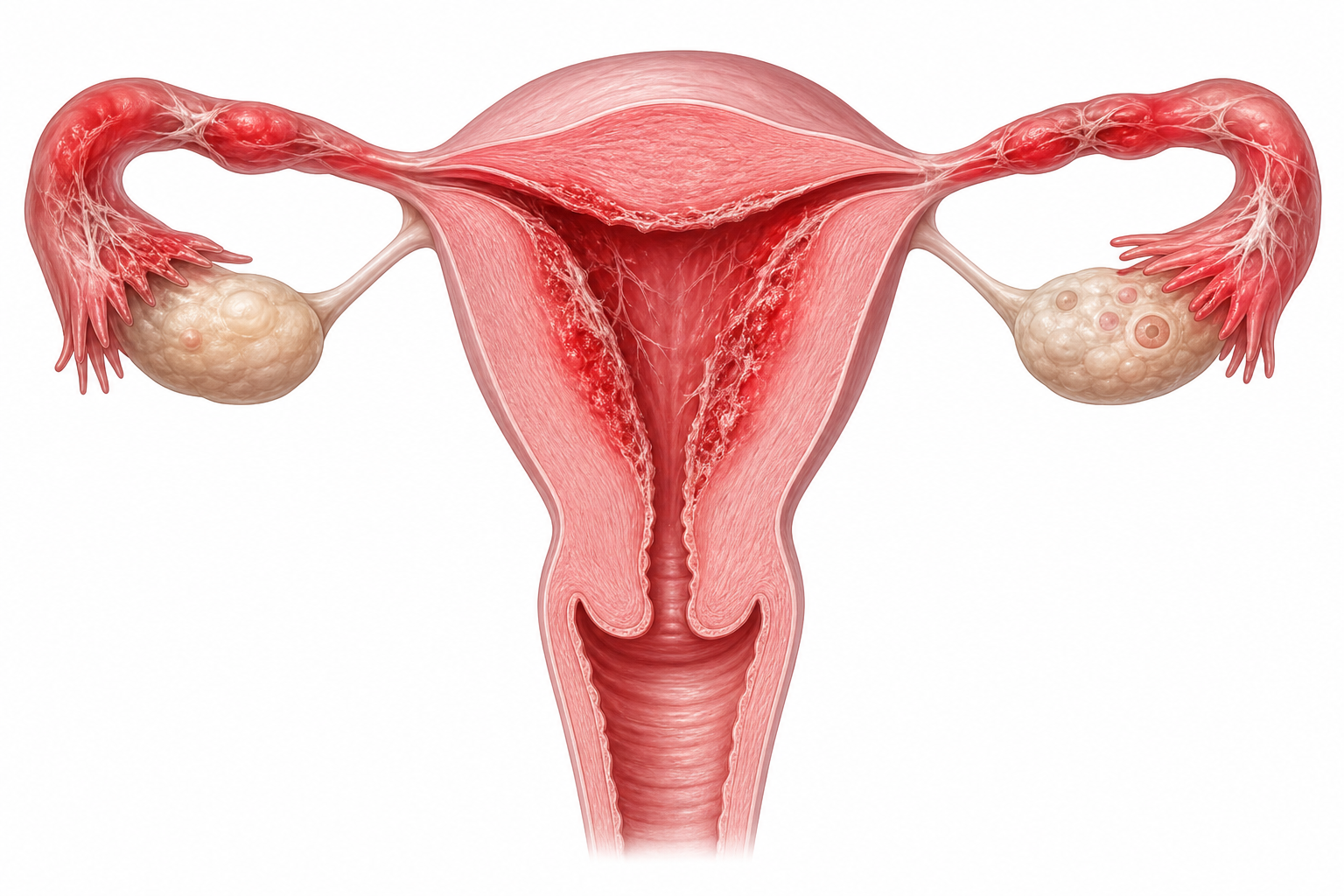
The most consequential fertility damage from STIs happens long before IVF is on the table. Untreated chlamydia and gonorrhea can ascend from the cervix into the upper reproductive tract and trigger pelvic inflammatory disease (PID). The CDC's chlamydia overview notes that chlamydia and the PID it can cause often progress without obvious symptoms, which is why annual screening is recommended for sexually active women under 25 and others at risk regardless of how anyone feels.
Once PID develops, scar tissue can form on the fallopian tubes, narrowing them or sealing them shut. The CDC's PID basics page reports that about 1 in 8 women with a history of PID experience difficulty getting pregnant. That same scarring can also raise the risk of ectopic pregnancy, where a fertilized egg implants in a damaged tube instead of the uterus.
Here is the part that matters for IVF specifically. The procedure was originally designed to bypass exactly this kind of tubal damage. Eggs are retrieved directly from the ovaries, fertilized in the lab, and the resulting embryo is transferred straight into the uterus. Blocked or scarred tubes simply stop being part of the equation. What still matters is the current state of the uterus and whether any active inflammation is present.
The table below summarizes how the most common bacterial and protozoal STIs map onto fertility risk before and during a cycle.
| Infection | Primary Fertility Risk if Untreated | Can IVF Bypass It? | Impact After Treatment |
|---|---|---|---|
| Chlamydia | PID, tubal scarring, ectopic pregnancy | Yes, IVF bypasses tubes | Minimal once cleared |
| Gonorrhea | PID, epididymitis in men, tubal damage | Often yes | Low after antibiotic treatment |
| Syphilis | Systemic infection, congenital transmission risk in pregnancy | No bypass for systemic spread | Very low after adequate treatment |
| Trichomoniasis | Cervicitis, low-grade uterine inflammation | Not relevant once cleared | Minimal after treatment |
| Bacterial vaginosis (not strictly an STI) | Altered vaginal microbiome, possible implantation impact | Not relevant once cleared | Minimal after treatment |
Active infection during a cycle: when timing actually matters
This is the only window where active STI status genuinely affects an IVF cycle. During ovarian stimulation, egg retrieval, and embryo transfer, an active untreated bacterial infection in the cervix or uterus can raise inflammation in tissues that need to stay calm and receptive. Inflammation interferes with implantation by altering the immune signaling that normally welcomes an embryo into the uterine lining.
The infections that prompt the most caution when active are chlamydia, gonorrhea, untreated syphilis, and bacterial vaginosis (which is not technically an STI but commonly co-occurs and matters here too). HIV and hepatitis B and C are flagged for a different reason than uterine inflammation: lab safety protocols change when handling samples from blood-borne viral carriers.
The clinic response is almost always pause, treat, then resume. A positive chlamydia or gonorrhea result before stimulation usually means a single course of antibiotics for both partners, a re-test to confirm clearance, and a postponed cycle of two to four weeks. That delay feels brutal in the moment, especially after months of preparation. It is also far better than transferring an embryo into an inflamed uterus and watching the cycle fail.
Why herpes and HPV rarely cancel an IVF cycle
Two viruses generate the most patient anxiety and the smallest actual clinical impact: herpes simplex virus (HSV) and human papillomavirus (HPV). Both are extraordinarily common, both sound alarming when first diagnosed, and both rarely change IVF management.
The CDC's genital herpes page describes HSV as a virus that causes recurrent sores or blisters and can shed from the skin even without visible symptoms. Reactivations are localized skin or mucosal events. They do not circulate through the bloodstream attacking embryos. Embryos in laboratory culture are physically separated from the vaginal canal entirely. A herpes outbreak two days before an embryo transfer is uncomfortable and may, in severe cases, lead to a brief postponement for the patient's own comfort. By itself, it does not damage embryo quality or implantation rates.
HPV is even more common. The CDC's HPV overview describes it as nearly universal among sexually active adults at some point in life. It lives in epithelial tissue, often clears on its own within two years, and rarely interferes with ovarian stimulation or uterine receptivity. Some small studies have explored possible links between high-risk HPV strains and implantation outcomes, but evidence is inconsistent. Clinics do not routinely cancel cycles for HPV positivity alone, and a past abnormal Pap result does not lower IVF odds.
HSV and HPV are the two viruses fertility patients ask about most often. They are also the two least likely to change cycle management. Clinics rarely cancel transfers for either, and a past Pap with HPV findings does not lower IVF odds.
Male factor screening: untreated infection in sperm
Most STD-and-IVF anxiety focuses on the partner carrying the pregnancy, but male partners go through the same infectious disease panel and the same potential consequences. Untreated chlamydia or gonorrhea in men can cause epididymitis, urethritis, and chronic inflammation that lowers sperm count and motility. The CDC's gonorrhea overview notes that untreated infection can lead to epididymitis, a painful condition that can rarely cause infertility in men.
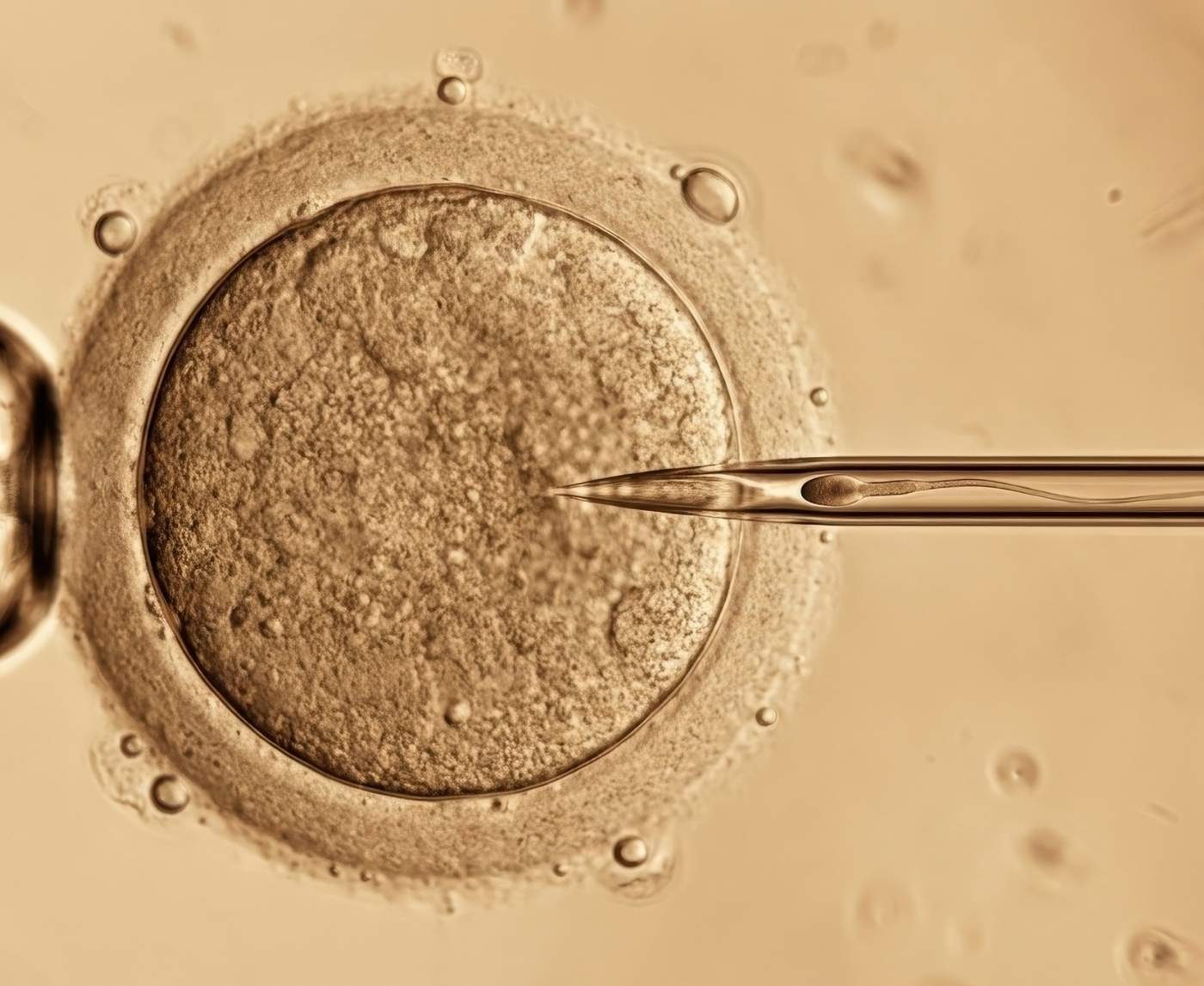
The reassuring part: most men who receive prompt antibiotic treatment recover normal sperm parameters within a few months. ICSI (intracytoplasmic sperm injection), where a single sperm is injected directly into an egg, can work around motility issues entirely. ICSI is now used in well over half of IVF cycles in the United States.
Even when sperm motility never fully recovers from past infection, ICSI places a single sperm directly into the egg in the lab. Motility stops being part of the fertility equation, and most clinics recommend ICSI by default when a male partner has any history of infection-related sperm changes.
Past versus active infection: why an antibody-positive result is not the disaster it sounds like
Many panic moments at fertility clinics come from misreading the difference between an antibody result and an active infection result. Antibody tests show that the immune system has, at some point, encountered a pathogen. They do not necessarily mean the pathogen is currently present.
Syphilis screening illustrates this best. Treponemal antibody tests can stay positive for years or for life after successful treatment. A reactive treponemal result alone does not mean a current infection. Confirmatory non-treponemal tests (RPR or VDRL) and a clinical history determine whether treatment is needed.
Herpes follows similar logic. A positive HSV-2 antibody test simply confirms past exposure: no lesions need to be present, and the embryo is not at risk during a standard transfer. Hepatitis B is more nuanced: surface antigen positivity indicates current infection, while surface antibody positivity from vaccination or recovered infection is protective. The clinic interprets each result in context.
Most STI tests detect immune-system memory, not active infection. A positive treponemal test for syphilis or an HSV-2 antibody result usually points to past exposure that the immune system has already filed away. Confirmatory tests separate old exposure from active disease, and clinics treat the two very differently.
HIV and hepatitis in IVF: still possible with the right protocols
Decades ago, an HIV diagnosis or active hepatitis B or C made IVF nearly impossible. Today, the picture is dramatically different. The CDC's HIV overview explains that suppressive antiretroviral therapy reduces viral load to undetectable levels in most patients, and an undetectable viral load means functionally no risk of sexual transmission, a public health principle known as Undetectable equals Untransmittable (U=U).
For serodiscordant couples (one partner HIV-positive, the other not), modern protocols include sperm washing for HIV-positive male partners, careful timing of intrauterine insemination or IVF, and pre-exposure prophylaxis (PrEP) for the HIV-negative partner. Hepatitis B and C are managed similarly: antiviral suppression, careful lab handling protocols to prevent cross-contamination of stored gametes, and coordinated care with hepatology.
What changes with HIV or hepatitis is the team and the timeline, not the possibility of becoming a parent. Many fertility clinics now have established programs specifically for serodiscordant or chronically infected patients, with success rates broadly comparable to those of seronegative patients.
For people living with HIV who maintain an undetectable viral load on antiretroviral therapy, the CDC notes there is functionally no risk of sexual transmission to partners. The same therapy that protects partners also makes IVF safer to coordinate, and dedicated fertility programs handle these cycles routinely.
What triggers a cycle pause
Cycle pauses for STI-related reasons fall into a narrow set of triggers. The first is a positive screening result for active chlamydia, gonorrhea, syphilis, or trichomoniasis in either partner. Treatment is usually one to two weeks of antibiotics followed by a re-test, and most clinics resume the cycle the next month.
The second is a severe symptomatic herpes outbreak in or around the genital area at the time of egg retrieval or embryo transfer. The pause is usually for patient comfort and to avoid procedural complications, not because HSV threatens the embryo. Once the outbreak resolves, the cycle moves forward.
The third is a newly diagnosed blood-borne viral infection (HIV, hepatitis B, or hepatitis C) that requires baseline workup, antiviral therapy initiation, and lab-protocol coordination before proceeding. This pause is usually weeks rather than months and ends with a clear path forward, not a closed door.
What clinics do not pause cycles for: positive antibody results from previously treated infection, a past PID episode without active inflammation, a prior abnormal Pap with cleared HPV, or a remote chlamydia diagnosis from years ago.
The CDC's PID fact sheet notes that untreated PID can cause scar tissue to form in the fallopian tubes and lead to infertility. About 1 in 8 women with a history of PID have difficulty getting pregnant. The reassuring side of that statistic: PID caught early and treated with antibiotics rarely produces this kind of damage, which is why pre-cycle screening is so useful.
Should you test before your IVF cycle starts?
If you have not been screened for STIs in the past year, yes. Testing before your first fertility appointment removes a category of last-minute disruption that can derail a carefully timed cycle. The American Society for Reproductive Medicine's patient resources recommend pre-cycle screening for both partners as standard practice.
The practical case for proactive testing is straightforward. A positive chlamydia or gonorrhea result discovered two days into ovarian stimulation forces a cycle pause that can feel devastating after months of preparation. The same result discovered six weeks before the cycle starts is a brief course of antibiotics and a routine re-test, with no impact on stimulation timing.
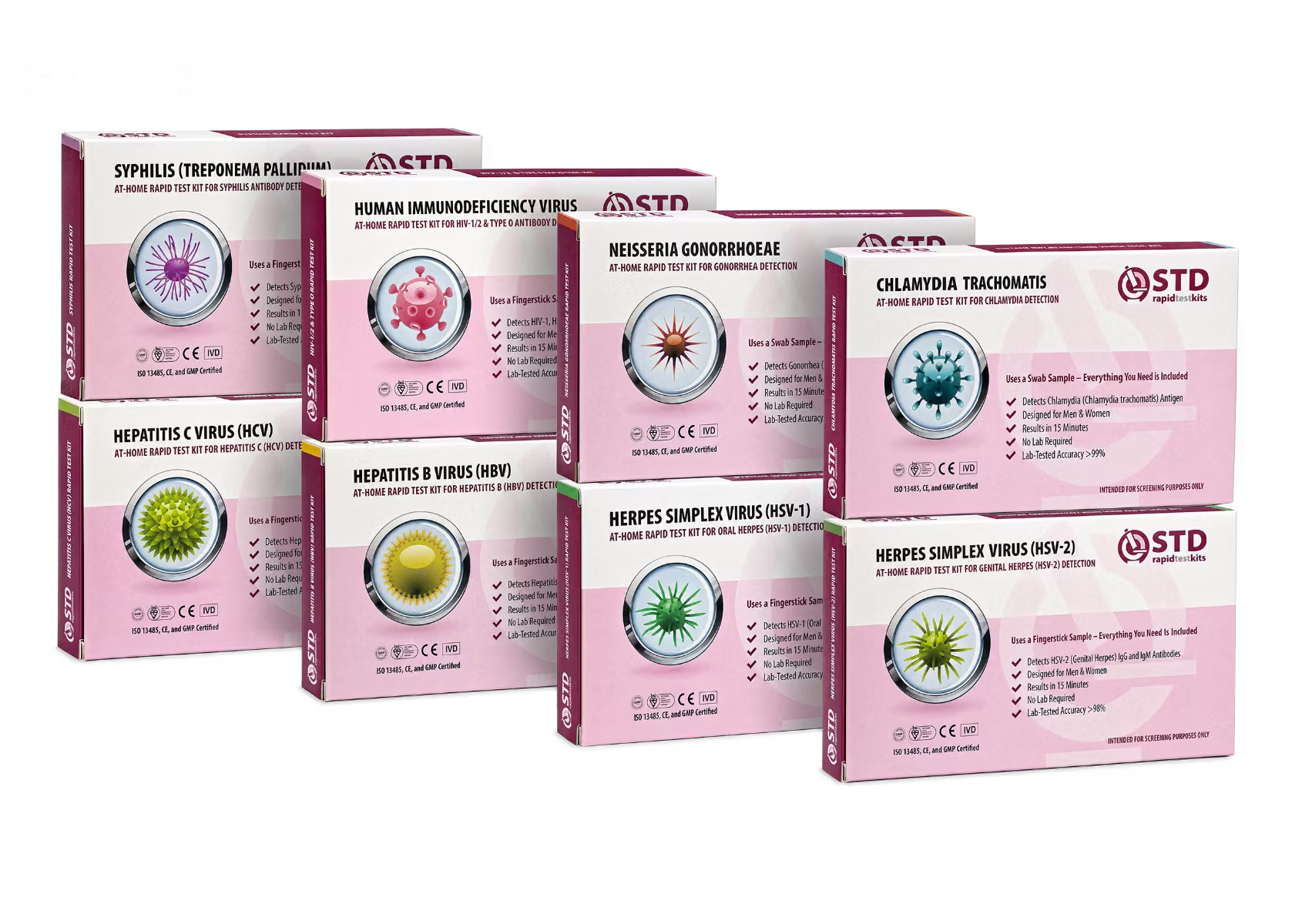
At-home rapid testing kits provide a discreet first-pass screen for the most common infections. They are lateral-flow tests, not laboratory NAAT, so a positive result is worth confirming with a clinic test. The strength of testing at home early is timing: if anything needs attention, you find out before the IVF clock starts ticking.
Note: stdrapidtestkits.com sells the rapid lateral-flow tests described below.
What past STIs don't change about your IVF chances
Step back from the specific infection question and the picture clears up quickly. The factors that statistically drive IVF success are, in roughly descending order of impact: maternal age, embryo chromosomal status, ovarian reserve, sperm quality and DNA fragmentation, uterine structural health, and active untreated infection. A past treated STI sits well below the top of that list.
That ordering matters for emotional reasons too. When a cycle fails, the search for a hidden cause often lands on whatever feels most personal: a college diagnosis, a partner from before this one, a treatment course that felt incomplete. The reproductive biology rarely supports those narratives. More commonly, the cause is age-related egg quality or chromosomal issues in the embryo, neither of which a past STI created.
Frequently Asked Questions
- I had chlamydia in my early twenties and treated it. Could it still affect my IVF cycle?
- Almost certainly not in the way you're worried about. Once chlamydia is cleared with antibiotics, the bacteria are gone. The only lingering risk is if the infection caused pelvic inflammatory disease and tubal scarring before treatment, and even then, IVF bypasses the fallopian tubes entirely. What matters now is whether you currently have an active infection or unresolved inflammation, not the diagnosis itself.
- If I have a herpes outbreak right before embryo transfer, will the clinic cancel the transfer?
- Most likely no, though they may briefly delay it. A localized herpes outbreak does not infect embryos sitting in a laboratory incubator and does not damage the uterine lining in a way that affects implantation. Severe outbreaks or active lesions at the transfer site can prompt a short postponement for your comfort and to avoid procedural complications. HSV by itself does not lower IVF success rates.
- I tested positive for HPV on a recent Pap. Will it cause implantation failure?
- There is no consistent evidence that HPV positivity, including high-risk strains, causes implantation failure. HPV lives in the cervical epithelium, often clears on its own within two years, and rarely interferes with ovarian function or uterine receptivity. Clinics do not routinely cancel cycles for HPV alone, and a past abnormal Pap does not lower your IVF odds.
- Can an active untreated STD actually cause my IVF cycle to fail?
- An active untreated bacterial infection like chlamydia or gonorrhea can raise uterine inflammation enough to interfere with implantation. That is precisely why clinics screen before stimulation and treat anything active before transfer. After successful treatment, your odds return to being shaped mostly by age, embryo quality, and uterine receptivity.
- Do fertility clinics test the male partner too, or just the person carrying the pregnancy?
- Both partners are screened. Untreated chlamydia or gonorrhea in men can lower sperm count and motility, and blood-borne viruses in either partner change lab handling protocols. Pre-cycle screening of both partners is standard at virtually every accredited fertility clinic in the United States.
- Will a positive HIV or hepatitis test stop my IVF cycle entirely?
- No, in most cases. Modern protocols allow people living with HIV, hepatitis B, or hepatitis C to safely undergo IVF. Care becomes more coordinated, including viral suppression, sperm washing for HIV-positive male partners, and specific lab protocols, but parenthood through IVF is absolutely possible. Many clinics have dedicated programs for these patients.
- If I test positive for chlamydia right before starting stimulation, what happens to my cycle?
- Expect a pause of two to four weeks, not a cancellation. The standard protocol is antibiotics for both partners, a confirmatory re-test at the two-week mark, then resuming when clearance is confirmed. Clinics handle this routinely, and most couples are back on schedule within one cycle window.
- How early should I test for STIs if I'm planning to start IVF?
- Ideally at least four to six weeks before your scheduled cycle start. That window allows time to treat any positive result, confirm clearance through a follow-up test, and avoid last-minute cycle pauses. At-home rapid tests can give you an early read so anything that needs confirmatory clinic testing can be handled before stimulation begins.
How we sourced this article: Our editorial team summarizes current public-health and reproductive medicine guidance from the Centers for Disease Control and Prevention, the World Health Organization, the American Society for Reproductive Medicine, and the Mayo Clinic. We do not provide clinical diagnosis. For decisions about your specific cycle, work with your fertility clinic and a licensed clinician.
- U.S. Centers for Disease Control and Prevention. Sexually Transmitted Infections (STIs) overview, screening recommendations, and surveillance data.
- U.S. Centers for Disease Control and Prevention. Pelvic Inflammatory Disease (PID) basics, including the relationship between untreated chlamydia or gonorrhea and tubal scarring leading to infertility.
- U.S. Centers for Disease Control and Prevention. HIV basics, antiretroviral therapy, viral load suppression, and the Undetectable equals Untransmittable (U=U) principle.
- U.S. Centers for Disease Control and Prevention. Genital herpes overview, including HSV symptoms, viral shedding, and transmission.
- World Health Organization. Sexually transmitted infections (STIs) fact sheet covering global incidence, transmission, complications, and treatment.
- American Society for Reproductive Medicine (ASRM). Patient resources, including pre-cycle screening recommendations for IVF.
- Mayo Clinic. In Vitro Fertilization (IVF) overview.
