







Quick Answer: Yes, some STDs can be passed to a baby during birth, especially through vaginal delivery. However, many risks can be reduced, or even prevented, through testing, treatment, and, in some cases, choosing a C-section.
It’s Not Just a Yes or No, Here’s What “Passing It to Your Baby” Really Means
When people search “can a baby catch an STD during birth,” they’re usually picturing a single moment, the baby passing through the birth canal and being exposed. That’s part of the story, but not the whole thing.
Some infections can be transmitted before birth through the placenta. Others are passed during delivery, especially through contact with infected fluids or skin. And a few can even be transmitted after birth, like through breastfeeding or close contact.
Doctors call this vertical transmission, but you don’t need the term to understand the reality: timing matters, type of infection matters, and what you do next matters most.
“I thought it was all about delivery,” another patient said. “No one told me some infections could affect the baby before I even felt symptoms.”
This is why prenatal screening isn’t optional, it’s one of the most important safety nets in pregnancy.
Which STDs Actually Pose a Risk During Birth?
Not all STDs behave the same way. Some rarely affect the baby, while others can cause serious complications if left untreated. The key is understanding which ones doctors are watching closely.
| STD | Can It Pass During Birth? | Main Risk to Baby |
|---|---|---|
| Herpes (HSV) | Yes (especially active outbreak) | Skin, brain, or systemic infection |
| HIV | Yes | Immune system infection |
| Chlamydia | Yes | Eye infections, pneumonia |
| Gonorrhea | Yes | Severe eye infection, blindness |
| Syphilis | Often before birth | Organ damage, miscarriage |
Seeing this laid out can feel overwhelming. But here’s the part most people don’t tell you: most of these risks are highly preventable with early detection and treatment.
That’s why testing isn’t about fear, it’s about control.

People are also reading: What Happens If You Have Chlamydia While Pregnant?
Vaginal Delivery: Where Most Transmission Risk Happens
During vaginal birth, the baby comes into direct contact with the vaginal canal, which means exposure to fluids, tissues, and any active infections present.
This is why certain infections, especially herpes, gonorrhea, and chlamydia, are more likely to be passed during this stage.
If there’s an active herpes outbreak, for example, the virus can transfer through skin-to-skin contact in seconds. That’s not meant to scare you, it’s just the biological reality doctors plan around.
“They told me I could still deliver vaginally if there were no symptoms,” one parent said. “That made me realize it wasn’t about the diagnosis, it was about the timing.”
And that’s exactly it. Many people with STDs deliver vaginally without passing anything to their baby, because the infection is treated, suppressed, or inactive at the time of birth.
C-Section: Protection Tool, Not a Guarantee
There’s a common belief online that a C-section completely eliminates STD risk. That's not always true, but in some cases, it can make it a lot less likely.
A planned C-section is often recommended if:
- Active herpes lesions are present at delivery
- HIV viral load is not fully suppressed
In these cases, avoiding the birth canal reduces direct exposure, which can make a meaningful difference in preventing transmission.
But here's the catch: a C-section won't stop an infection that has already crossed the placenta (like untreated syphilis).
So, even though C-sections are a powerful tool, they are not a stand-alone solution.
The Part That Changes Everything: Prevention and Timing
This is where the story shifts, from risk to control.
Because the truth is, most babies exposed to STDs during pregnancy or delivery are born healthy. Not by chance, but because of proactive care.
| Strategy | What It Does |
|---|---|
| Prenatal screening | Identifies infections early |
| Antibiotic or antiviral treatment | Reduces or eliminates infection before birth |
| Viral suppression (HIV) | Lowers transmission risk to near zero |
| Delivery planning | Chooses the safest way to do things based on the current situation |
This is why it's so important to know where you stand. Not because something is wrong, but because it gives you options.
If you're not sure or haven't tested in a while, you can start quickly and privately at home with STD Rapid Test Kits, which are made for early detection without drawing attention to yourself.
You don’t have to wait in uncertainty. And you don’t have to figure it out alone.
“Wait… Does This Mean My Baby Is in Danger?”
This is usually the moment where anxiety spikes. Not just concern, panic. Because once you hear “STD” and “baby” in the same sentence, your brain fills in the worst-case scenario.
But here’s what doctors actually see every day: people test positive during pregnancy, follow a treatment plan, and go on to deliver completely healthy babies.
“I was convinced I had already failed as a parent,” one patient shared. “But my doctor looked at me and said, ‘We caught this. That’s what matters.’”
That shift, from fear to action, is everything. Because the biggest risk isn’t the diagnosis itself. It’s not knowing, not testing, or delaying care.
Once you know what you’re dealing with, there’s a clear path forward. And in most cases, it works.
Check Your STD Status in Minutes
Test at Home with Remedium7-in-1 STD Test Kit
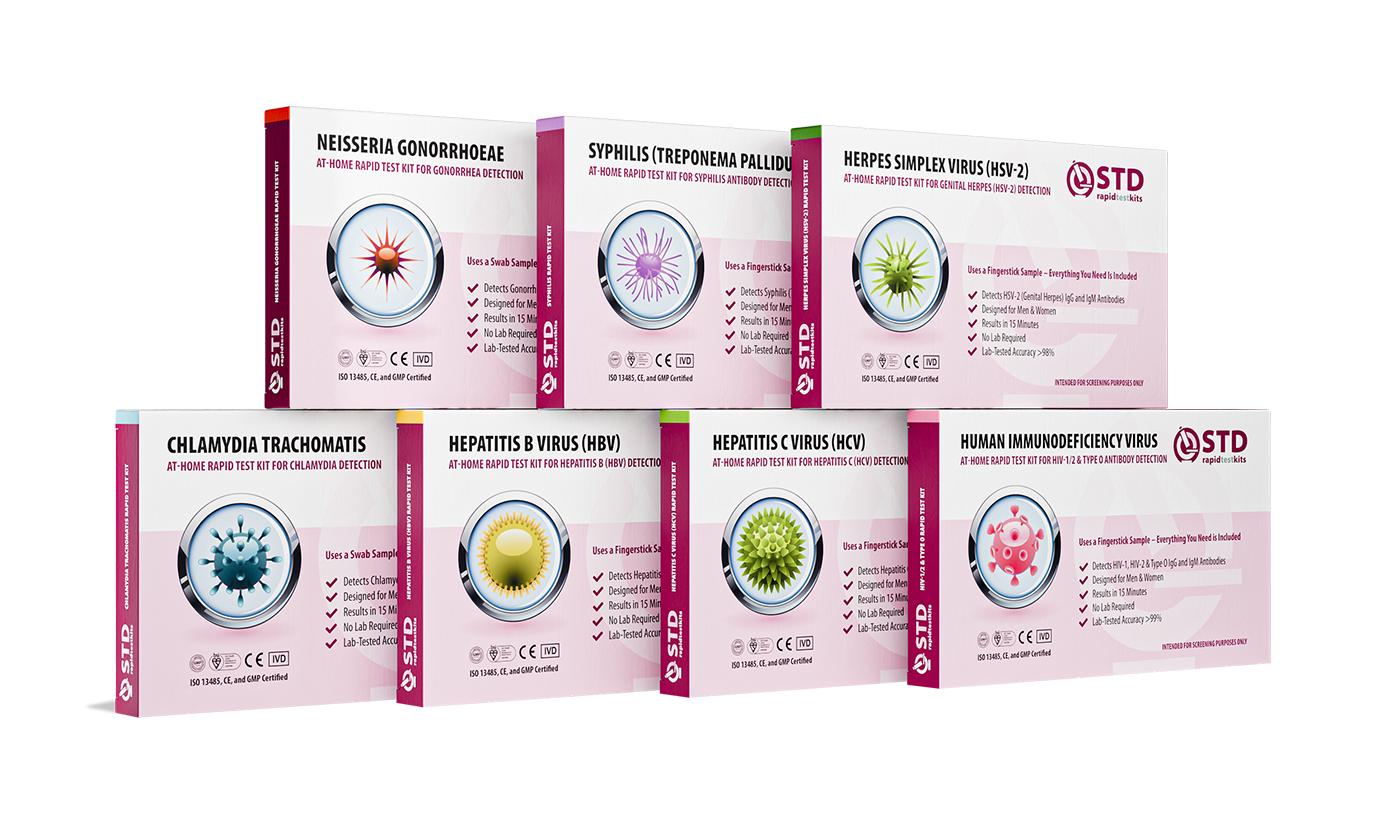
 For Men & Women
 Results in Minutes
 No Lab Needed
 Private & Discreet
Order Now $129.00 $343.00
For all 7 tests
Let’s Break the Biggest Myth: “All STDs Will Harm Your Baby”
This is one of the most damaging misconceptions online. People assume that any STD automatically means danger for the baby. That’s simply not true.
Some infections carry higher risks, yes. But some are manageable, treatable, and not likely to hurt anyone, especially if they are caught early.
The real difference isn’t just what infection you have. It’s:
- Whether it’s treated
- Whether symptoms are active at delivery
- How far along you are when it’s detected
Take chlamydia, for example. Untreated, it can cause complications. But treated early? The risk to your baby drops dramatically.
The same goes for gonorrhea, which doctors routinely prevent from affecting newborns with simple interventions right after birth.
This is why blanket fear doesn’t help, but specific information does.
What Actually Happens If an STD Is Passed to a Baby?
Let’s talk about the part people are often afraid to ask out loud: what does transmission actually look like?
It’s not always dramatic or immediately obvious. In many cases, symptoms show up hours or days after birth, and they’re often treatable when caught early.
Here’s how it can present, depending on the infection:
| Infection | What You Might Notice | Timing |
|---|---|---|
| Chlamydia | Eye discharge, swelling | 5–12 days after birth |
| Gonorrhea | Severe eye infection | 2–5 days after birth |
| Herpes (HSV) | Skin blisters, fever, lethargy | 1–3 weeks |
| Syphilis | Rash, organ complications | At birth or later |
This table isn’t here to scare you, it’s here to show that these conditions are known, monitored, and treatable when detected.
Hospitals don’t just “wait and see.” Newborns are routinely checked, protected, and treated when necessary. There’s a system in place for this.
The Quiet Reality: Many STDs Have No Symptoms During Pregnancy
This is where things get tricky, and why so many people are caught off guard.
You can feel completely fine, have no visible symptoms, and still carry an infection that could affect delivery. That’s especially true for infections like chlamydia, gonorrhea, and even early HIV.
“I didn’t have pain, discharge, nothing,” one patient said. “If they hadn’t tested me, I would’ve had no idea.”
This is why routine prenatal screening exists. Not because doctors assume something is wrong, but because silence doesn’t equal safety when it comes to infections.
And if you’re reading this outside of a clinical setting, late at night, unsure, maybe replaying a moment, you still have options.
You can check your status privately using a combo STD home test kit, which screens for multiple infections at once without needing an appointment.
It’s not about panic. It’s about clarity.
So… Is a C-Section Safer Than Vaginal Birth?
This question comes up constantly, and the answer is more nuanced than most headlines make it seem.
A C-section can reduce the risk of transmission for certain infections, especially when there’s active exposure in the birth canal. But it’s not automatically “safer” in every case.
Here’s how to think about it:
| Factor | Vaginal Delivery | C-Section |
|---|---|---|
| Exposure to fluids | Higher | Lower |
| Herpes outbreak risk | Higher if active | Lower |
| Already transmitted infection | No difference | No difference |
| Medical intervention | Less invasive | Surgical procedure |
Doctors don’t choose delivery method based on fear, they choose based on current risk at the time of birth.
If an infection is treated and under control, vaginal delivery is often completely safe. If there’s active risk, a C-section becomes part of the plan.
It’s not about one being “better.” It’s about choosing what’s safest in your specific situation.
People are also reading: I Tested Positive for Gonorrhea, Here’s What Actually Happens Next
What Doctors Actually Do to Protect Your Baby (This Part Matters Most)
There’s a version of this story that lives online, one where everything feels uncertain and risky. But inside hospitals and clinics, the reality is much more structured, calm, and controlled.
Because when an STD is identified during pregnancy, doctors don’t just note it and move on. They build a plan around it.
“My OB didn’t panic. She just said, ‘Okay, here’s what we’re going to do,’” one parent recalled. “That’s when I finally exhaled.”
That plan is designed to reduce transmission risk as close to zero as possible, and in many cases, it succeeds.
- 1. Treatment Happens Early, Not at the Last Minute
For bacterial infections like chlamydia, gonorrhea, and syphilis, treatment during pregnancy is straightforward and highly effective. Antibiotics can clear the infection well before delivery, removing most of the risk entirely.
This is why early testing is so important. The earlier something is found, the easier it is to treat, and the less it impacts your baby.
For viral infections like herpes or HIV, the goal isn’t always elimination, it’s control. Antiviral medications can suppress the virus, reducing the chance of transmission during birth.
- 2. Timing Is Everything at the End of Pregnancy
As delivery gets closer, your care team reassesses your status. This isn’t a one-and-done decision, it’s an ongoing evaluation.
For example, someone with herpes may have no symptoms for months, then develop a late outbreak. That changes the delivery plan immediately.
This is why last-minute decisions about vaginal birth vs C-section aren’t failures, they’re adjustments based on real-time safety.
- 3. Babies Are Protected Immediately After Birth
Even after delivery, there are built-in protections for newborns.
One of the most common is preventive eye treatment, which helps protect against infections like gonorrhea that could otherwise cause serious complications.
If there’s known exposure, doctors may also monitor the baby more closely or begin treatment early, before symptoms even appear.
This isn’t reactive care. It’s proactive protection.
The Emotional Side No One Prepares You For
Let’s step out of the clinical for a second, because this isn’t just about transmission rates and delivery methods. It’s about what it feels like to sit with this information.
There’s often guilt. Even when there shouldn’t be.
There’s fear. Even when the risk is manageable.
And there’s that persistent question: “Did I do something wrong?”
“I kept replaying everything in my head,” one patient said. “Who, when, how. Like I needed a reason to justify it.”
But here’s the truth most people need to hear, clearly and without judgment:
Getting an STD during pregnancy does not mean you failed your baby.
What matters is what happens next. Testing. Treatment. Communication. Those are the things that protect your child, not perfection.
When Risk Is Highest (And When It’s Surprisingly Low)
Not every situation carries the same level of risk, and understanding that can take a lot of the fear out of the unknown.
| Situation | Risk Level |
|---|---|
| Untreated infection at delivery | Higher |
| Active herpes outbreak during labor | Higher |
| HIV without viral suppression | Higher |
| Treated bacterial infection early in pregnancy | Low |
| No active symptoms at delivery | Lower |
| Medical monitoring + delivery planning | Lowest |
The pattern here is clear: risk isn’t random. It’s influenced by awareness, timing, and care.
And the earlier you engage with it, the more control you have.
Check Your STD Status in Minutes
Test at Home with Remedium6-in-1 STD Test Kit
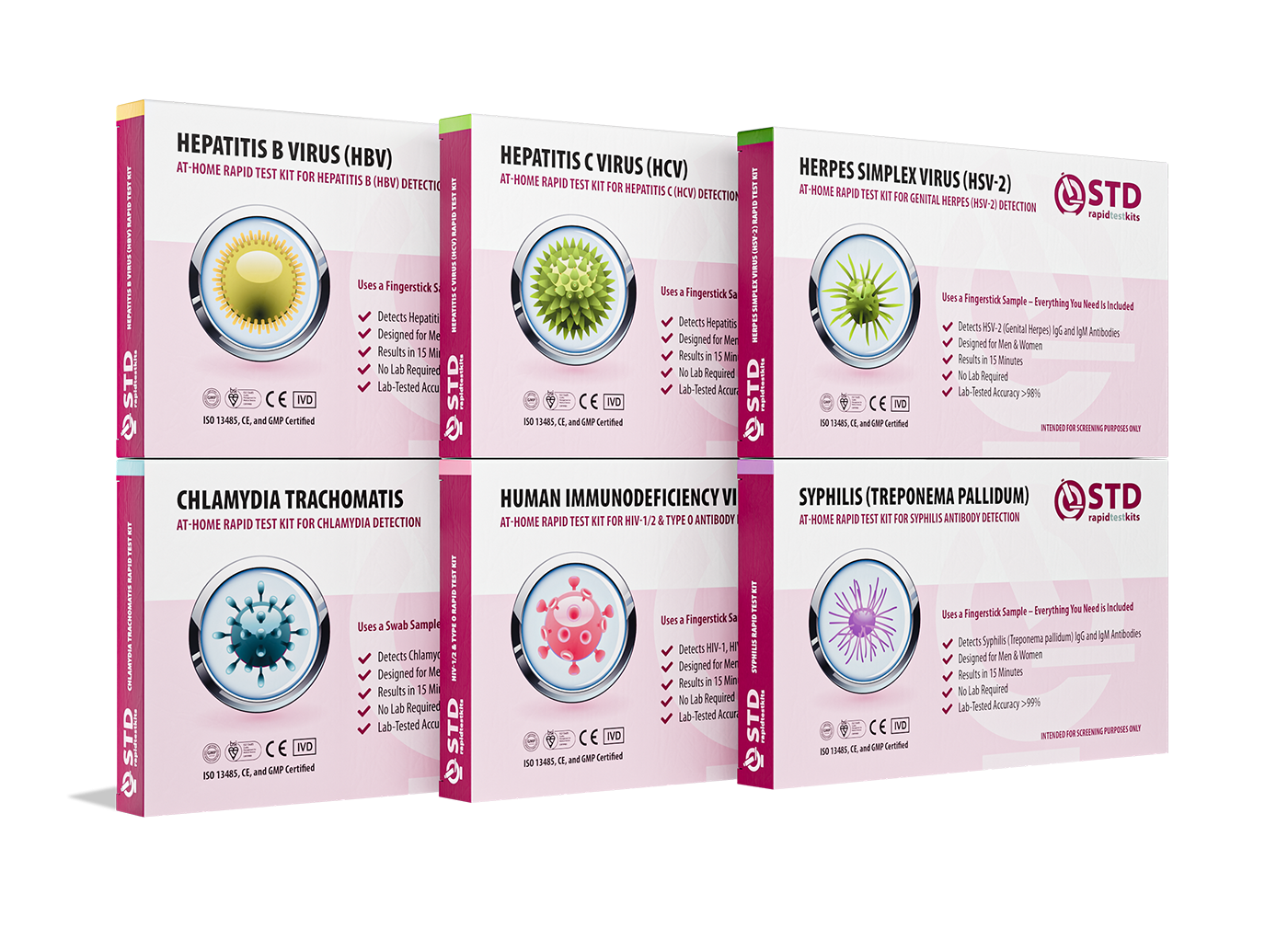 For Men & WomenResults in MinutesNo Lab NeededPrivate & Discreet
Order Now $119.00 $294.00
For all 6 tests
If You’re Unsure Right Now, Start Here
If you’re reading this and thinking, “I don’t actually know my status right now,” you’re not alone. A lot of people fall into that gap between appointments, between assumptions, between “I think I’m fine” and “I should probably check.”
You don’t need to wait for your next prenatal visit to get clarity.
You can start with a discreet, at-home option like this combo STD test kit, which screens for multiple infections quickly and privately.
Because the biggest shift in this entire process isn’t treatment, it’s awareness.
Once you know, everything else becomes a plan instead of a question mark.
FAQs
1. Can a baby catch an STD during birth even if I feel completely fine?
Yeah, and that’s the part that throws people. A lot of STDs don’t come with obvious symptoms, especially during pregnancy. You can feel totally normal and still carry something like chlamydia or gonorrhea, which is why doctors test even when nothing “feels off.”
2. If I have an STD, does that mean my baby will definitely get it?
No, far from it. Most babies don’t get infected, especially when the parent is tested and treated in time. This isn’t a guaranteed outcome, it’s a managed risk, and medicine is really good at managing it.
3. Is a C-section the “safe option” if I have something like herpes?
Sometimes, but not always. If there’s an active outbreak right before delivery, a C-section can reduce the risk a lot. But if there are no symptoms and everything’s under control, many people still have safe vaginal births.
4. Can infections reach the baby before labor even starts?
They can, depending on the STD. Infections like syphilis or HIV can cross the placenta during pregnancy, which is why early testing matters just as much as delivery decisions. It's not just about the birth; it's about the whole timeline.
5. What would it actually look like if a baby got exposed?
It’s usually not dramatic in the way people imagine. It might show up as eye irritation, a rash, or flu-like symptoms days later, and doctors are already watching for that. The key thing is this: when it’s caught early, it’s usually treatable.
6. I tested positive late in pregnancy… did I miss my chance to protect my baby?
No. Late doesn’t mean too late. Doctors can still treat infections, adjust your delivery plan, and protect your baby right after birth. It’s not ideal timing, but it’s absolutely still actionable.
7. Will my doctor judge me for this?
No, and if they do, that’s a problem with them, not you. In reality, OB-GYNs see this all the time. Their focus is on keeping you and your baby safe, not questioning how you got here.
8. Can I still have a normal birth experience if I have an STD?
In many cases, yes. The word “STD” doesn’t automatically rewrite your entire birth plan. It just means there are a few more decisions to make along the way, and those decisions are there to protect you, not take control away from you.
9. What if I’m sitting here and I honestly don’t know my status?
Then this is your moment to check, not panic, just check. A quick test (even at home) can turn a spiral into a plan. And once you have answers, everything feels a lot less abstract and a lot more manageable.
10. Why does this feel so much scarier than it actually is?
Because no one talks about it until you’re in it. There’s stigma, silence, and a lot of worst-case scenarios floating around online. But in real life, with real care, most of these situations are handled calmly, and the outcomes are far better than people expect.
You Deserve Clarity, Not Guesswork
Hearing “STD” and “pregnancy” in the same sentence can hit hard. It turns something that should feel steady into something uncertain. But this isn’t about assuming the worst, it’s about understanding what actually carries risk and what doesn’t.
If you know your status, follow the plan. If you’ve been treated, trust the process. If you’re unsure, test. Most of the real danger comes from not knowing, not acting, or waiting too long to get clear answers. Each step you take replaces fear with control.
Don’t sit in that gray area longer than you need to. If there’s even a small question mark, start with a private screen like the Combo STD Home Test Kit. Your results stay discreet. Your decisions stay yours. And clarity changes everything.
How We Sourced This Article: This article pulls together real medical guidance on STDs during pregnancy with research on how infections can pass to a baby. We used trusted health sources and paired that with real-world concerns people have during pregnancy, so it’s accurate, but still grounded in what this actually feels like.
Sources
1. NHS – Infections That May Affect Your Baby
2. World Health Organization – Sexually Transmitted Infections Fact Sheet
3. World Health Organization – HIV and Pregnancy Overview
4. CDC – Genital Herpes Fact Sheet
5. Centers for Disease Control and Prevention – About STIs and Pregnancy
6. American College of Obstetricians and Gynecologists – Management of Genital Herpes in Pregnancy
7. MedlinePlus Medical Encyclopedia – Pregnancy and Herpes
8. World Health Organization – Mother-to-Child Transmission of Syphilis
About the Author
Dr. F. David, MD is a board-certified infectious disease expert who focuses on preventing STIs, passing them on from mother to child, and teaching sexual health in a way that puts the patient first. His writing combines clinical accuracy with a direct, stigma-free style that lets readers make smart choices without feeling ashamed or scared.
Reviewed by: Board-Certified OB-GYN | Last medically reviewed: March 2026
This article is only for informational purposes and should not be used in place of professional medical advice, diagnosis, or treatment.


