







Quick Answer: Yes, Black women can get chlamydia from oral sex. The infection can live in the throat and spread even without vaginal or anal contact. Testing is the only way to know for sure.
Why This Article Exists: The Risks No One Talks About
If you’re a Black woman who’s ever been told oral sex is low-risk, or risk-free, you’ve likely inherited a dangerous myth. Public health messaging rarely centers Black women, and almost never addresses how power dynamics, pleasure gaps, and shame impact the ways we experience sexual health. This gap leaves space for misinformation and delayed care.
We’ve heard the dismissals: “You probably just have strep.” “It’s allergies.” “You can’t get an STD if it wasn’t real sex.” That’s how real infections get ignored. That’s how pain gets normalized. That’s how testing gets skipped, and how people with treatable infections end up sick, silenced, and stigmatized.
This guide is for you if you’ve ever felt unsure after a hookup, Googled symptoms at 3AM, or been told you were overreacting. We’ll walk through exactly how oral chlamydia happens, what it can feel like, when to test, how to test, and what to do if your throat turns out to be more than just scratchy.
What Even Is Oral Chlamydia?
Oral chlamydia is when the bacteria Chlamydia trachomatis infects the throat. It can be passed during oral sex, specifically, from giving unprotected oral sex to someone with chlamydia in their genitals or anus. It doesn’t matter if the penis was clean, if you didn’t swallow, or if it only lasted a few seconds. Transmission can happen through contact with pre-ejaculate, semen, or vaginal fluids.
Once in the throat, the bacteria can settle in quietly. That’s part of the problem. Most people with oral chlamydia have no symptoms at all. Others might experience mild sore throats, swollen tonsils, or what feels like a cold that won’t quit. But without testing, there's no way to tell the difference between harmless irritation and an active infection.
The good news? It’s curable. The better news? You can test for it discreetly from home. The hard part is knowing when to test, and believing yourself enough to act, even when no one else is taking your concerns seriously.
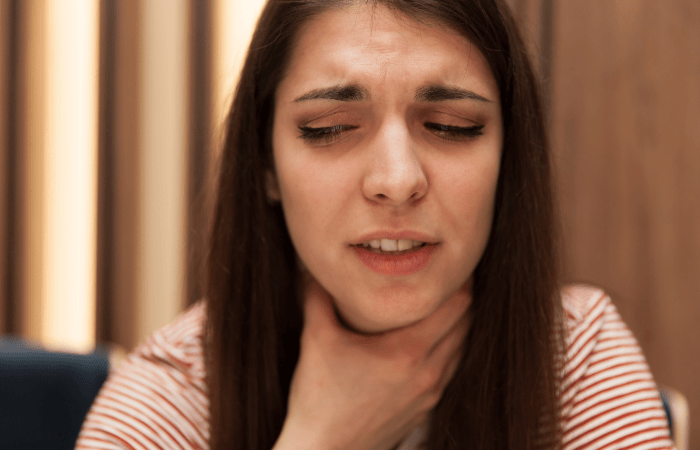
People are also reading: Think You’d Know If You Had an STD? Think Again
How It Spreads Without Penetration: The Anatomy of a Myth
“We didn’t even have sex.” That’s the most common phrase in the stories we hear. But what most people mean by “sex” is penetration, and that’s the trap. Chlamydia doesn't care about our definitions. It spreads through contact with infected fluids, and the throat is fair game.
Let’s break it down:
| Action | Can Chlamydia Spread? | Why It’s Risky |
|---|---|---|
| Giving oral sex (mouth to penis) | Yes | Chlamydia bacteria from the urethra can infect the throat |
| Giving oral sex (mouth to vulva) | Yes | Infected vaginal fluids can carry chlamydia to the throat |
| Receiving oral sex (mouth on you) | Less common, but possible | If the giver has oral chlamydia, it may spread to genitals |
| Kissing or using toys | No (for chlamydia) | Chlamydia doesn’t spread through saliva or casual contact |
Figure 1. How oral chlamydia spreads during non-penetrative sex.
Part of the danger is that it feels low-risk. Oral sex is often used as a way to “stay safe,” especially in new relationships or casual hookups. For Black women in particular, the stakes can be higher, socially, medically, emotionally. The idea that you can get an STI without “doing anything risky” can feel deeply unfair. But risk isn’t about judgment, it’s about biology. And biology doesn’t care how careful you felt in the moment.
Check Your STD Status in Minutes
Test at Home with Remedium6-in-1 STD Test Kit
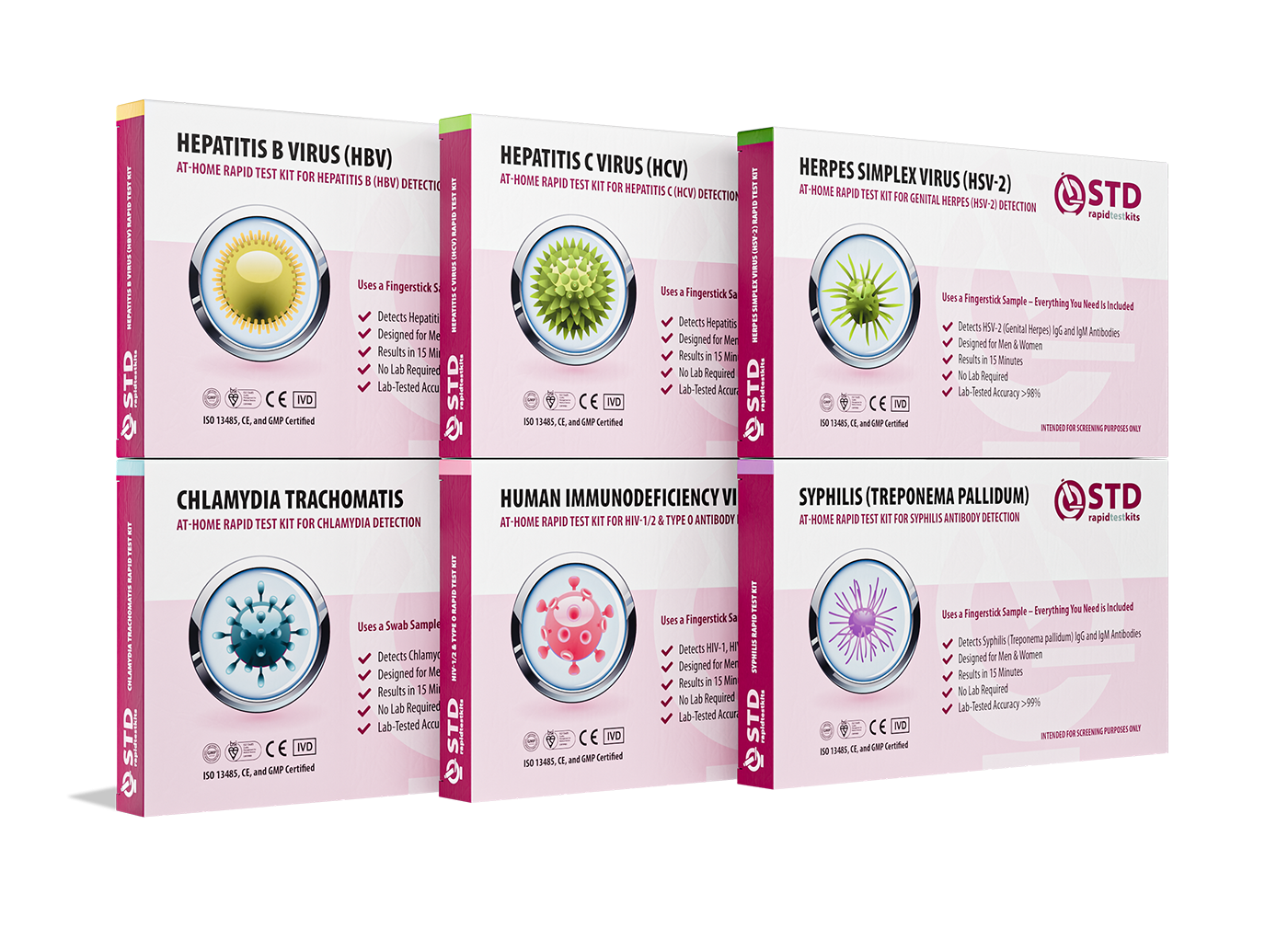
 For Men & Women
 Results in Minutes
 No Lab Needed
 Private & Discreet
Order Now $119.00 $294.00
For all 6 tests
What Oral Chlamydia Can Feel Like (And What Gets Missed)
Most people with oral chlamydia never feel a thing. That’s why it spreads quietly. But when symptoms show up, they’re often mistaken for something else, especially if your provider isn’t asking about oral sex history.
Here’s what people have reported, though none of these are guaranteed:
| Symptom | How It’s Misread | What to Do |
|---|---|---|
| Sore throat | Strep, allergies, post-nasal drip | Test if it lingers beyond a week after oral sex |
| Swollen tonsils | Tonsillitis | Ask your provider to swab for STDs, not just strep |
| White patches in throat | Oral thrush | Especially if antifungal meds don’t help, test for STDs |
| No symptoms | N/A | Still test if exposed, absence of symptoms ≠ absence of infection |
Figure 2. Common oral chlamydia symptoms and why they’re misdiagnosed.
Take the case of Danielle, 24, who was treated for strep three times in one semester. She kept testing negative but still felt raw, especially after oral sex. It wasn’t until a roommate told her to try an STD throat swab that she got the right answer: oral chlamydia. A round of antibiotics cleared it up in days, but the months of confusion took a toll.
You shouldn’t have to be a detective for your own body. But until oral STD testing becomes routine, especially for Black women, you might have to advocate harder than feels fair. That’s where knowledge becomes power.
So When Should You Get Tested?
Timing matters more than most people realize. Test too early, and the bacteria might not have replicated enough to show up. Wait too long, and you risk unknowingly passing it to others, or mistaking your symptoms for something benign. The ideal window to test for oral chlamydia is about 14 days after exposure. That gives the infection time to incubate and show up reliably on a swab test.
But let’s be real: most people don’t mark the calendar after a hookup. You might be reading this because you feel off. Your throat’s been sore longer than usual. Your partner said something weird. Or you just have that gut feeling. If it’s been more than a week since oral sex and you’re feeling symptoms, or even just uneasy, getting tested is a smart, proactive move.
Here's how one reader put it: "I didn't know you could test your throat. I just assumed they'd do a urine test like before. But I finally found a kit online that let me swab my mouth. The relief of knowing? Worth every second."
How Oral STD Testing Actually Works
Most people assume all STD tests are pee-in-a-cup. But for oral chlamydia, you’ll need a throat swab, similar to a strep test, but sent to a lab that screens for STDs. Unfortunately, many clinics don’t offer it unless you specifically ask. And too many providers skip it entirely unless you're showing extreme symptoms or disclose oral exposure.
That’s where at-home tests are changing the game. Some kits now include an oropharyngeal swab designed to test the throat for chlamydia, gonorrhea, and even syphilis. These tests are processed in certified labs and give results in days. They're discreet, private, and don’t require you to explain your sex life to a stranger in a white coat.
Want control over the process? STD Rapid Test Kits offers discreet, FDA-approved home tests that include options for throat sample collection. Order a discreet chlamydia test kit here if you’re ready to get answers without the awkward clinic visit.
Can You Treat Oral Chlamydia? Absolutely.
If you have chlamydia in your throat, it's easy to treat with a round of antibiotics, usually doxycycline or azithromycin. During treatment, it's very important to follow through completely and not have oral sex. Reinfection is common, especially when partners aren’t tested and treated at the same time.
In many cases, providers don’t even need a second confirmatory test unless symptoms persist. But you should still alert any partners from the past 60 days. That conversation can feel heavy, but remember, this isn’t about blame. It’s about breaking the chain.
After finishing antibiotics, wait around three weeks before retesting, especially if your symptoms were stubborn or you suspect your partner may still be infected. Some providers recommend a "test of cure" in oral cases because the bacteria can be slightly more persistent in throat tissue.
Retesting After Treatment: What You Need to Know
There’s no one-size-fits-all answer for when to retest, but here’s a general guide: if you were treated for oral chlamydia, wait 3–4 weeks before swabbing again. Why? Because testing too soon can show residual bacterial DNA even after you’re cured, leading to a false positive.
Let’s say Kenya, 28, took antibiotics on a Friday and swabbed herself again the following Tuesday, just to feel safe. Her test came back “positive” again, and she spiraled. But when she called the helpline, they explained: it was likely leftover DNA, not reinfection. She waited another two weeks, swabbed again, and this time it was clear.
That waiting period can feel like forever when you’re anxious, but accurate results are worth it. If your partner didn’t test with you, encourage them to. One-sided treatment is how the ping-pong effect starts: one person treats, the other doesn’t, and the infection just bounces back and forth.
What If You Have No Symptoms But Still Worry?
This is more common than you think. Most oral chlamydia cases are totally asymptomatic. That’s why many experts recommend regular testing if you’re sexually active, especially if oral sex is part of your routine and condoms aren’t always used. Routine doesn’t mean every week, but once every 3 to 6 months is reasonable for people with new or multiple partners.
If you’re not sure whether you were exposed, or your partner’s status is unclear, a test is the most grounded thing you can do. Not a panic move. Not a punishment. Just data. Just care. Testing doesn’t mean you’re dirty. It means you’re informed.
Peace of mind is one test away. Order a kit today and know for sure. You deserve clarity, not more guessing.
Why Black Women Get Overlooked in STD Testing
Here's something most sexual health campaigns won’t say: the system wasn't built with Black women in mind. Data shows that Black women face higher rates of STDs, including chlamydia, but not because of riskier behavior. The real culprits are delayed diagnoses, provider bias, under-testing, and gaps in public health messaging that overlook the realities of Black women’s sex lives.
When someone doesn’t believe your sore throat might be an STD, or skips over your concerns during a routine exam, that’s not just a missed opportunity, it’s a failure of care. Studies have shown that providers are less likely to ask Black women detailed sexual histories, and even less likely to offer extragenital testing (throat, rectum) unless explicitly requested.
And here’s the kicker: oral chlamydia isn’t included in many routine panels. That means you could be “fully tested” and still have a throat infection no one checked for. If you’ve ever walked away from a clean test but still felt off, you’re not imagining it.
This blind spot hurts more than our health, it erodes trust. It teaches Black women to downplay symptoms, to feel like they’re overreacting, or to avoid care altogether. The impact isn’t just medical, it’s emotional, intimate, relational. It shows up in the way we talk (or don’t talk) to partners, friends, even ourselves.
When Shame Hides the Symptoms
Let’s talk about the other infection that travels silently: shame. For many Black women, asking for a throat STD test feels like confessing something. There's fear of being judged, not just for having sex, but for what kind, how often, with whom, and how loudly you claim pleasure.
That fear runs deep. In clinics. In conversations. Online. It shows up when we hesitate to ask a provider to “just swab my throat,” because that might suggest something “extra.” It shows up when you convince yourself your sore throat is just allergies, because it's easier than wondering if it's chlamydia.
But here’s what’s true: being cautious is not overreacting. Protecting yourself is not dramatic. Testing your throat is not “doing too much.” It’s doing exactly enough.
Every person deserves to be taken seriously when something doesn’t feel right. And until the system evolves, we have to be our own fiercest advocates. That starts with understanding how to test, when to test, and how to navigate treatment without fear.

People are also reading: Testicle Pain Without Discharge: What Should You Test For?
Let’s Be Real About Discreet Testing and Support
If you’re already navigating work, caretaking, maybe a partner who doesn’t believe in testing, or no partner at all, you need sexual healthcare that fits your life. The rise of discreet at-home testing gives you back some control. You get to choose the time, the place, the privacy level.
Shipping is discreet. No logos. No need to explain to your cousin why there’s a lab envelope in the mailbox. Most test results are delivered online within 2–5 business days, and some even offer telehealth consultations if you test positive.
But beyond testing, support matters too. If you feel alone or unsure, there are spaces built for you. Planned Parenthood offers inclusive care and anonymous support. So do many Black-led health collectives and telehealth platforms. If you need treatment and don’t have insurance, ask about sliding scales or local STI clinics, many operate confidentially and affordably.
Check Your STD Status in Minutes
Test at Home with Remedium8-in-1 STD Test Kit
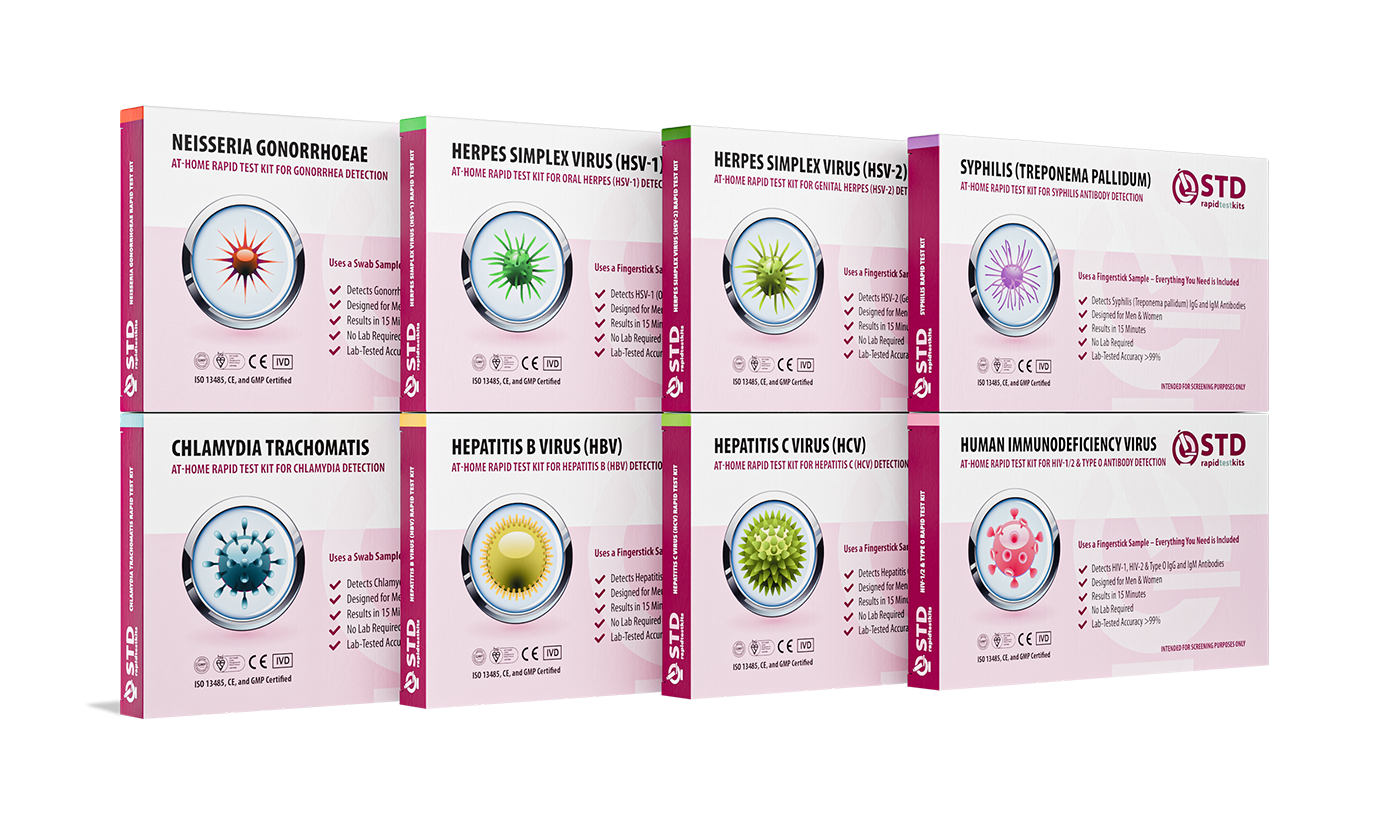 For Men & WomenResults in MinutesNo Lab NeededPrivate & Discreet
Order Now $149.00 $392.00
For all 8 tests
What If the Test Comes Back Positive?
Take a deep breath. Chlamydia is one of the most common and treatable STDs. If you test positive, it doesn’t mean you’re dirty. It doesn’t mean you’re broken. It means the bacteria landed where it shouldn’t, and now you can clear it out. That’s not shame, it’s science.
Your next steps: confirm the result, take the antibiotics as directed, and let partners know. That last part can feel brutal, especially if you don’t feel like it was your “fault.” But transmission isn’t always about fault, it’s about awareness. And the more we normalize those conversations, the easier they get.
If you don’t feel safe telling a partner, some testing services offer anonymous partner notification tools. Use them. Protect yourself. Protect others. Break the cycle.
And remember: you did the right thing by testing. You gave your body attention. You gave your future clarity. That’s power.
FAQs
1. Wait, can you really get chlamydia just from oral?
Yes. No penetration needed. If your mouth touches genitals infected with chlamydia, penis or vulva, you can catch it in your throat. It doesn’t matter if it was quick, if there was no ejaculation, or if it was “just oral.” The bacteria aren’t picky.
2. What does chlamydia in the throat even feel like?
That’s the wild part, it often feels like nothing. But if it does show up, it might feel like a sore throat that won’t quit, or swollen tonsils that seem off. Some people get white patches and think it’s strep. Others feel totally fine and still test positive. It’s sneaky like that.
3. If I had a “clean” STD test, wouldn’t that have caught this?
Not unless they specifically tested your throat. Most clinics only check urine or genital swabs unless you ask for extragenital screening. So you could test negative and still have an oral infection flying under the radar.
4. I gave head once. Like, once. Should I really be worried?
If it was unprotected and the person had chlamydia, then yes, it’s possible. It doesn’t matter how many times it happened. One time is enough for transmission. And if your throat’s felt weird since, it’s worth checking.
5. How long should I wait to get tested after oral sex?
Ideally, wait about 14 days. That gives the infection time to show up on a test. But if you’re feeling symptoms, or spiraling with anxiety, it’s okay to test sooner and plan for a possible retest later. Peace of mind is worth the plan.
6. Can oral chlamydia go away on its own?
Probably not. Even if symptoms fade, the bacteria can stick around and quietly do damage or spread to others. It’s like a houseguest who seems quiet, but keeps inviting their friends over when you’re asleep. Don’t leave it untreated. Antibiotics are simple and effective.
7. Do I have to tell my partner if I test positive?
We get it. That talk is hard. But yes, you should. Chlamydia is super treatable, but they won’t know to get tested unless someone tells them. If you don’t feel safe or comfortable, some test providers offer anonymous partner notification tools. You don’t have to do it alone.
8. I tested positive. Can I get it again?
100%. Reinfection happens all the time, especially when partners don't get tested or treated. If one person still has it, the ball just keeps going back and forth, like in ping-pong. That's why it's important to test again and take care of each other.
9. Can I use a home test for this, or do I have to go to a clinic?
You can absolutely test at home. Just make sure the kit includes a throat swab and lab processing (not just a urine test). Many at-home kits now include this, especially the combo ones. They’re private, discreet, and let you test without leaving the house or explaining your sex life to a stranger in scrubs.
10. I don’t have symptoms, but I can’t shake the feeling something’s wrong. What now?
Trust that feeling. Your gut knows things before your brain catches up. You don’t need symptoms to justify a test. You just need a reason, and “I don’t feel right” is reason enough. Test. Know. Breathe easier.
You Deserve Answers, Not Assumptions
If no one’s ever told you that oral sex could lead to an STD, it’s not your fault. If you’ve been dismissed, misdiagnosed, or ignored, that’s not on you either. But now you know, and now you get to choose what comes next. Your sexual health is yours to own, protect, and understand, no matter how the system tries to ignore your reality.
Don’t wait and wonder, get the clarity you deserve. This at-home combo test kit checks for the most common STDs discreetly and quickly, including options for oral testing.
How We Sourced This Article: We combined current guidance from leading medical organizations with peer-reviewed research and lived-experience reporting to make this guide practical, compassionate, and accurate.
Sources
1. CDC – Chlamydia: Basic Fact Sheet
2. Planned Parenthood – Chlamydia Overview
4. About STI Risk and Oral Sex – CDC
5. Chlamydial Infections – CDC Treatment Guidelines
6. Chlamydia: Symptoms and Causes – Mayo Clinic
7. Chlamydia: Diagnosis and Treatment – Mayo Clinic
8. Chlamydia Overview – NCBI Bookshelf (NIH)
9. Extragenital Infections Caused by Chlamydia trachomatis – NCBI PMC
About the Author
Dr. F. David, MD is a board-certified infectious disease specialist focused on STI prevention, diagnosis, and treatment. He blends clinical precision with a no-nonsense, sex-positive approach and is committed to expanding access for readers in both urban and off-grid settings.
Reviewed by: J. McClellan, NP, MPH | Last medically reviewed: January 2026
This article is meant to give information and should not be taken as medical advice.


