





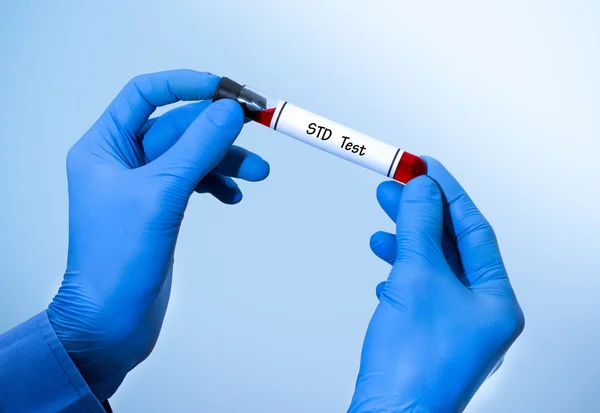

Quick Answer: Your first STD test varies depending on whether you choose a clinic or a home test kit. A clinic visit offers professional sample collection, rapid guidance, and same-day treatment access, while at-home testing gives privacy and convenience but requires mailing samples and scheduling follow‑up if results are positive. Both are valid options, with trade-offs in support, accuracy, and logistics.
Scheduling or Ordering Your Test
In‑clinic: You’ll need to find a provider, public health clinic, Planned Parenthood, or sexual health center. Many clinics accept walk-ins, but you might wait longer. You may also need to provide ID or insurance, though Title X clinics and youth-focused sites offer low-cost or no-cost options, often with confidential billing. Expect a short intake form about your sexual history.
At‑home: You order online or via phone from providers like NST or STD Rapid Test Kits. Delivery is private, discreet, and often arrives within days. Kits clearly list which infections they test for, what samples to collect (urine, swab, finger‑prick), and instructions. Kits typically cost between $40 and a few hundred dollars, and may not be covered by insurance.
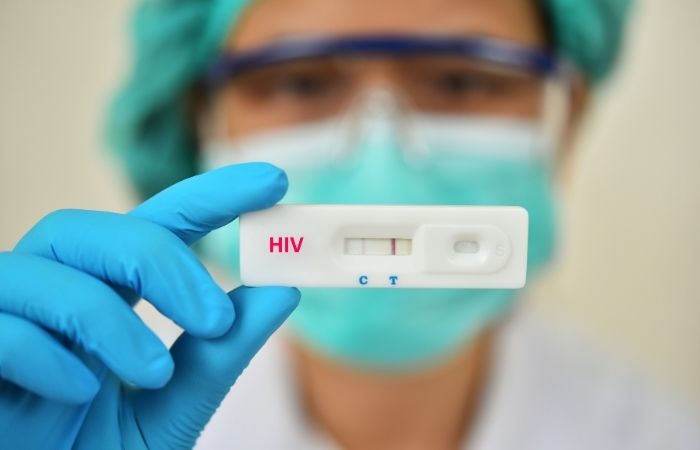
People are also reading: Post-Exposure Pills and STD Prevention: What to Know
Sample Collection, Privacy vs. Professional Support
At a clinic: A trained staff member will guide you. They may collect blood via finger‑prick or venipuncture (for HIV, syphilis, hepatitis), request a urine cup for chlamydia or gonorrhea, and may offer genital or throat swabs based on your exposure history. You can request a provider of your chosen gender or a chaperone for comfort. Visual exams or swabbing may feel awkward, but staff are trained to be respectful and trauma-informed. Clinics also offer rapid HIV tests with results in minutes, though other results may take a few days.
At home: You self-collect samples following detailed instructions. You might pee into a tube, swab your throat/genitals, or collect blood via finger-prick. Then you mail your sealed specimens in pre-paid packaging to a certified lab. Accuracy can be high, 80–98%, if instructions are followed carefully, but user error, improper collection, or delayed shipping can cause false negatives or positives. For positive findings, clinic confirmation is often recommended.
Waiting for Results (Timeline & Emotional Space)
Clinic results: Some clinics provide rapid HIV or syphilis results same-day. Others send results by secure portal, phone, or mail within 2–5 days for bacterial infections like chlamydia, gonorrhea, or syphilis. If results are positive, staff often offer treatment onsite or via referral immediately.
Home kit results: Expect a wait of a few days up to a week once your samples arrive at the lab. You’ll typically receive results through a secure web portal or app. Some platforms offer optional telehealth counseling if results are positive, but that may cost extra. No confirmation comes automatically, you must reach out or schedule a clinic visit if you test positive.
Privacy, Confidentiality & Comfort
Clinic: Public clinics follow HIPAA and Title X confidentiality rules. Some allow anonymous visits or use patient ID numbers instead of names. You may still encounter the existence of medical records or billing statements, so ask about confidential services if needed.
Home: Discreet packaging arrives and results come to you privately via portal. No one needs to see you in person. But that also means no immediate support, if positive, you'll need to initiate follow-up care yourself. And home kits are less likely to be covered by insurance unless you can pay with HSA/FSA funds.
Check Your STD Status in Minutes
Test at Home with Remedium7-in-1 STD Test Kit
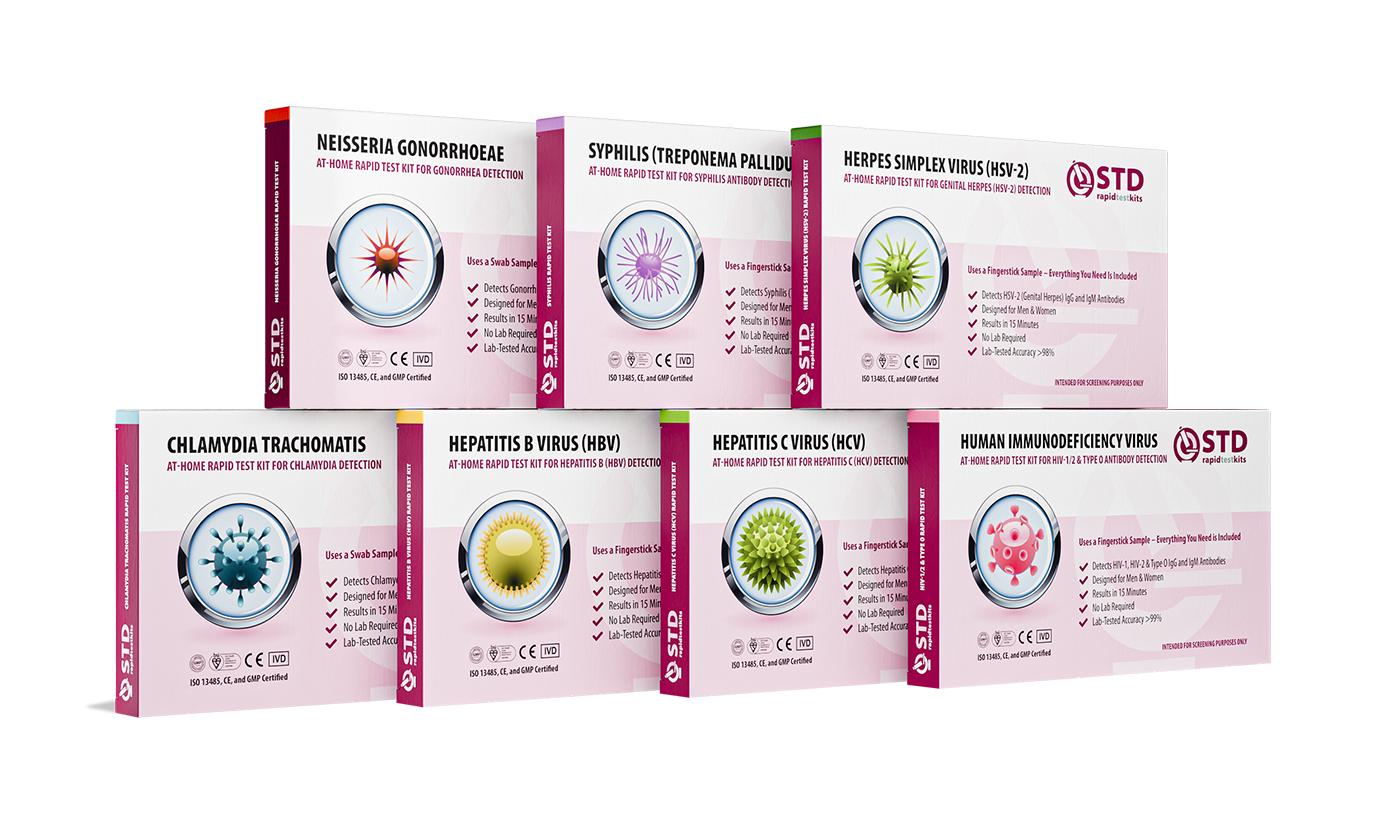
 For Men & Women
 Results in Minutes
 No Lab Needed
 Private & Discreet
Order Now $129.00 $343.00
For all 7 tests
Accuracy & Reliability: Is One More Trustworthy?
Clinic tests tend to be more accurate overall because trained professionals handle every step, from sample collection to lab analysis. Blood draws are cleaner, swabs reach the right locations, and urine samples are checked for contamination. Clinics also know how to match your risk with the right type of test. If you’ve had oral sex, for example, they’ll know to do a throat swab, not just a urine test.
At-home tests are improving rapidly, but their accuracy still depends on you doing every step right. Missing instructions, contaminating a swab, or not mailing the sample quickly enough can reduce reliability. That said, when used correctly, most home kits have sensitivity and specificity rates above 90%, especially for bacterial STDs like chlamydia and gonorrhea.
HIV self-tests, like the OraQuick oral swab, have slightly lower sensitivity for early infections compared to blood-based lab tests. But they still offer a good first step if you're testing outside of a clinic. If positive, a follow-up blood test is always recommended.
Emotional Comfort: Dealing with Fear, Shame & Questions
Your first STD test can be emotionally loaded. Whether you're nervous about the results, embarrassed about being there, or just overwhelmed by the stigma, you’re not alone. These feelings are common. And they’re okay.
Clinics offer built-in support. You can ask questions, talk through risks, and process results with someone who understands sexual health. Many providers are trained in trauma-informed care, LGBTQ+ issues, and reproductive justice. Some clinics have peer navigators or case managers on staff to help with the emotional load. If you're anxious, let them know, most are more than willing to go slow and explain things clearly.
Home testing can feel safer emotionally for people who fear being judged, outed, or recognized at a clinic. You’re in your own space, at your own pace. But that privacy can also leave you feeling isolated if the results are confusing or scary. Some home services offer telehealth counseling after results, but not all. You may still need to find an in-person clinic for treatment or confirmation.
Remember: Getting tested isn’t something to be ashamed of, it’s something to be proud of. It means you care about yourself, your partners, and your health. That’s something a lot of people never do. You’re already ahead of the game.
What If I Test Positive?
First, breathe. A positive result doesn’t mean your life is over. Many STDs are curable (like chlamydia, gonorrhea, and syphilis), and others like herpes or HIV are manageable with treatment.
If you’re at a clinic: You’ll get counseling on the spot, and in many cases, treatment can start immediately, especially for bacterial infections. For HIV, clinics will connect you to confirmatory testing and rapid start programs for medication. You can also get help with partner notification, emotional support, and legal rights if you need them.
If you’re using a home kit: Some companies offer follow-up consultations, but most positive results will need confirmation at a clinic. This can feel like a second hurdle, but remember, you’ve already taken the first step. That momentum matters. Bring your results (printed or digital) and ask for nonjudgmental care.
No matter what the result, you’re not dirty, reckless, or broken. You're informed. And that knowledge lets you take control, not just of your health, but your future.
People are also reading: Can Birth Control Make Herpes Worse?
What to Do After the Test, Regardless of Results
Whether your results are negative or positive, testing is just one part of a bigger picture. If you’re negative, consider routine testing every 3–6 months depending on your sexual activity. If you’re positive, follow through with treatment, ask about partner testing, and explore options like PrEP for HIV prevention or vaccinations for HPV and hepatitis B.
Talk to your partners. It’s never easy, but honesty helps everyone stay healthy. You don’t need to reveal every detail, just enough for them to take action if needed. There are anonymous partner notification tools from health departments.
Celebrate your courage. Getting tested, especially for the first time, can be a huge emotional lift. Whether you went to a clinic or mailed a test in secret, you faced your fear. That’s powerful. You’re building a relationship with your body that’s based on information, not guesswork. Keep going. You’re doing this right.
Myths People Believe Before Their First Test
Your brain can play tricks on you when you're scared, especially about STDs. First-timers often carry misinformation from school, Reddit, or half-heard stories from friends. Let’s clear a few of the biggest myths before they sabotage your courage:
- “If I don’t have symptoms, I’m fine.”, Nope. Many STDs, like chlamydia or HPV, don’t show any signs at first. You could carry and spread them without knowing.
- “Only people who sleep around get STDs.”, Nope again. All it takes is one partner, one time. STDs don’t care if it’s your first or fiftieth encounter.
- “Home tests are fake.”, Wrong. While they require careful instructions, many home kits use the same lab processes as clinics. They’re real, certified, and valid.
- “I’ll be reported if I’m positive.”, In the U.S. and most countries, your health info is protected. Some STDs like HIV or syphilis must be reported to health departments (without your name in most states), but it’s for tracking trends, not punishment.
Getting tested doesn’t mean you’re guilty. It means you’re responsible. And you deserve to base your sexual health on facts, not fear.
LGBTQ+, Women, and Nonbinary People: What’s Different for You?
Gender and sexual orientation change what you’re tested for, and how. Unfortunately, many clinics aren’t inclusive by default, so it’s important to advocate for yourself or find a queer-affirming provider.
- Trans and nonbinary people: Ask what samples they’ll collect based on anatomy and exposure, not assumptions. You may need throat, rectal, or genital swabs depending on your activity, not your gender marker.
- Queer women: STD risk is real even without penetration. HPV, herpes, and chlamydia can spread through oral sex, toys, or fingers. If you're told you "don’t need to test," find a better provider.
- Gay and bi men: Make sure the test includes rectal and throat screening. Many infections won’t show up in urine alone. Ask if they follow CDC MSM testing guidelines.
Some of the best clinics for inclusive care include LGBTQ+ health centers, Planned Parenthood locations, and youth-focused clinics. You can also bring a friend or advocate to help ask questions. Your care should respect your identity, not erase it.
Check Your STD Status in Minutes
Test at Home with Remedium10-in-1 STD Test Kit
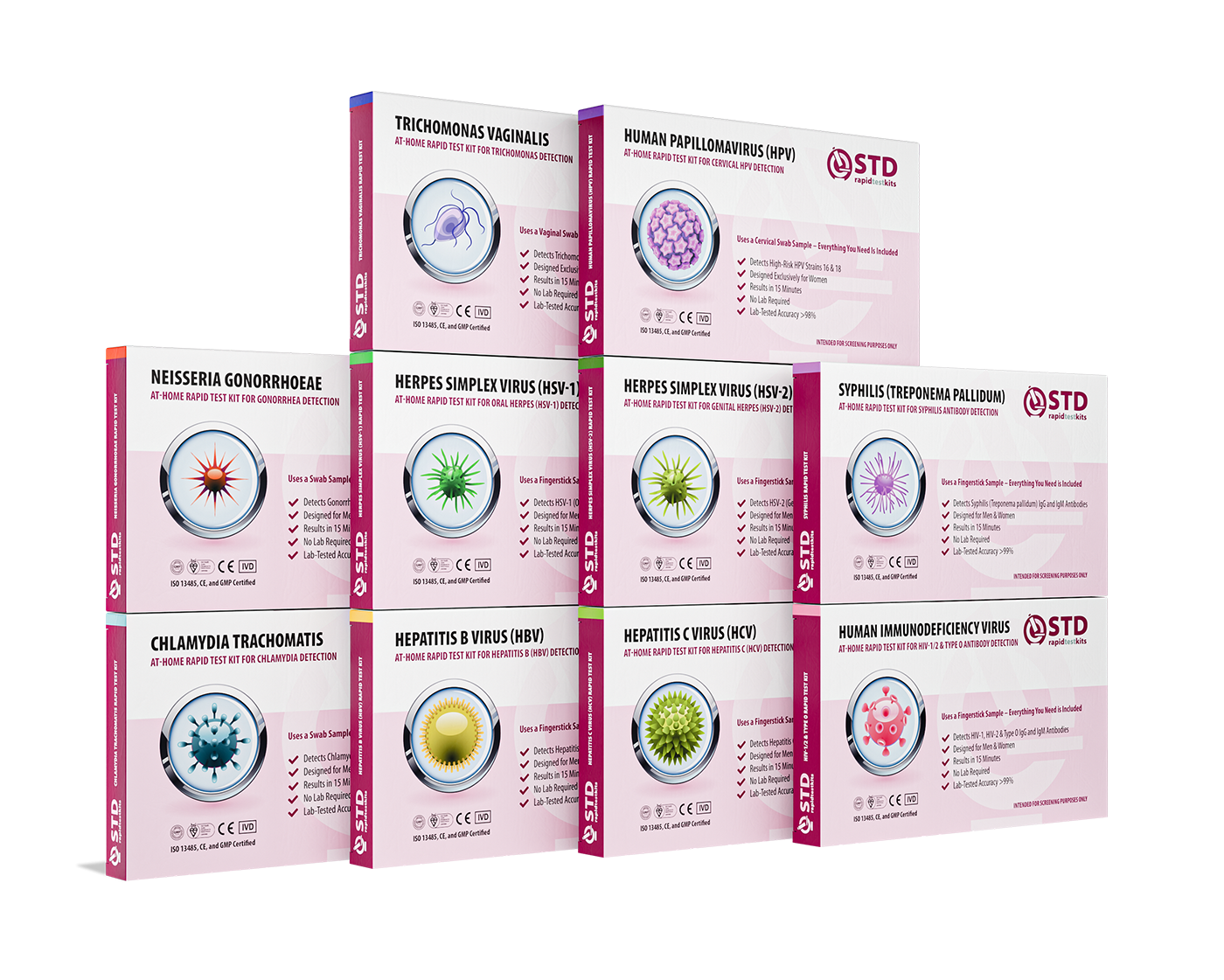
 For WomenResults in MinutesNo Lab NeededPrivate & Discreet
Order Now $189.00 $490.00
For all 10 tests
Tips to Reduce Stress Before and After the Test
The fear doesn’t end when the swab goes in. It often spikes while waiting for results. Here’s how to protect your mental space during that time:
- Don’t Google symptoms obsessively. It feeds anxiety. Most STDs are treatable, and many cause no visible signs.
- Distract yourself with a plan. Whether that’s a post-test treat, movie night, or therapy session, build a soft landing.
- Tell someone you trust. Even if it’s vague (“I’m waiting on test results”), it helps share the emotional load.
- Remember why you did this. Testing is an act of self-respect. It means you’re showing up for your future, not hiding from it.
And if results do come back positive? You’ll deal with it. You’ll get treated. You’ll move forward. Thousands of people test positive every day, and they still date, love, thrive, and build powerful lives.
What Testing Teaches You Beyond the Results
STD testing doesn’t just tell you if something’s wrong. It teaches you how to check in with your body, how to set boundaries, and how to advocate for care. It builds trust, with yourself, your partners, and your choices.
It also shows you what kind of support system you have, or need. Who did you tell? Who made you feel safe? Who made it harder? Those answers matter. They’re data points for the next time. Because there will be a next time. That’s how sexual health works: it’s ongoing, not a one-and-done.
Every test builds a map of who you are, what you value, and how you love. And knowing that map makes every step less scary next time.
FAQs
1. How often should I get tested for STDs?
If you're sexually active, the CDC recommends testing at least once a year. Every 3–6 months is better if you have multiple partners, new partners, or engage in higher-risk sex.
2. Is home testing really accurate?
Yes, when used correctly. Many home kits use the same labs as clinics. Accuracy is high, especially for bacterial STDs. Just follow instructions carefully and confirm positives with a clinic.
3. Will I get judged at the clinic?
No. Most clinic staff are trained, compassionate, and want you to feel safe. If someone makes you uncomfortable, you can ask for a different provider or file a complaint.
4. Can I go to a clinic if I don’t have insurance?
Yes. Many public health and Title X clinics offer free or sliding scale testing. Planned Parenthood and LGBTQ+ centers often serve uninsured patients.
5. Can I get tested without my parents knowing?
In many states, yes, especially if you're over 12. Ask about confidential or anonymous services. Home tests are also a discreet option.
6. What’s the difference between STD and STI?
They're often used interchangeably. Technically, "STI" refers to infections that may not show symptoms, while "STD" refers to diseases with symptoms. Both need care and testing.
7. How long after sex should I wait to get tested?
Some STDs show up in days, others take weeks. A good rule is to wait 1–2 weeks for chlamydia/gonorrhea, and up to 3 months for HIV. If you're unsure, test now and retest later.
8. What if my test is positive?
Breathe. Most STDs are treatable or manageable. Clinics will help you get medication, support, and referrals. You are not dirty or broken.
9. Will people find out I got tested?
Not unless you tell them. Medical info is private. Ask about anonymous or confidential options if you’re worried about privacy.
10. What if I’m too scared to go through with it?
It’s okay to be scared. But testing is how fear turns into facts, and facts give you power. Bring a friend, call ahead, or try a home kit if that feels safer. You’ve got this.
You’re Not Alone, and You’re Not Late
Whether it’s fear, confusion, shame, or just logistics, something probably held you back until now. But here you are, asking the question, preparing for your first STD test. That’s huge. Testing is one of the most self-respecting things you can do, even if no one ever taught you how. Clinic or home test, it’s not about being perfect, it’s about being proactive. About saying: I care what happens to my body, and I want the truth, whatever it is.
You deserve clarity. You deserve support. And most of all, you deserve to take care of yourself without fear. Keep testing. Keep learning. Keep choosing your health, even when it’s hard.
Sources
1. CDC: STD Screening Recommendations
2. Planned Parenthood: Get Tested
3. SELF: What At-Home STI Tests Can and Can’t Do


