






Quick Answer: STD vaccines do exist, most notably for HPV and Hepatitis B. There is no approved vaccine for Herpes, Chlamydia, or HIV, yet. Research is ongoing.
Wait, STD Vaccines Are a Thing?
Yes. And no. Most people are shocked to learn that a few STDs have highly effective vaccines, while others don’t even have one in trials. This isn’t because scientists don’t care. It’s because some viruses are sneakier than others, mutating fast, hiding inside your cells, and confusing your immune system.
Here’s the breakdown:
- HPV: Vaccine available (Gardasil 9), prevents cervical cancer and genital warts.
- Hepatitis B: Vaccine available, protects against a liver-damaging virus spread through sex and blood.
- Herpes (HSV-1 & HSV-2): No vaccine approved, research ongoing.
- HIV: No vaccine yet. Some promising trials, but nothing widely available.
- Chlamydia, Gonorrhea, Syphilis: No vaccines. Prevention = safer sex and testing.
So yes, some STDs are preventable by vaccine. But a lot aren’t, which is why regular testing and smart protection still matter.

People are also looking for: Can Birth Control Make Herpes Worse?
HPV: The Vaccine You Wish You Knew About Sooner
HPV (Human Papillomavirus) is the most common STD in the world, and it doesn’t always come with symptoms. It spreads through skin-to-skin contact, including oral, vaginal, and anal sex. You can even get it without full-on intercourse.
The Gardasil 9 vaccine protects against 9 strains of HPV, including the ones that cause most cervical, anal, throat, and penile cancers, as well as genital warts.
- Best time to get it: Ages 9–26 (but approved up to 45 years old)
- Dose schedule: 2–3 doses over 6 months
- Effectiveness: Over 90% if given before exposure
“I didn’t get the HPV shot because I thought it was just for girls,” says Ty, 32, who found out he had HPV after noticing a lesion in his throat. “Now I’m playing catch-up with treatments I could’ve avoided.”
Men, queer folks, and people assigned male at birth often get left out of the HPV vaccine convo. But anyone who has sex with people of any gender can benefit. The key is: the earlier, the better, but it’s never too late to talk to your doctor about it.
Hepatitis B: The Vaccine You May Already Have
Here’s something wild: you may already be protected against Hepatitis B without even knowing it. In many countries, the Hep B vaccine is part of childhood immunizations. But if you missed it? This virus can absolutely be sexually transmitted, and it's no joke.
Hep B affects the liver and can become chronic, especially if you’re exposed as an adult. It spreads through semen, vaginal fluids, and blood, so it’s not just a needle-sharing risk. It’s a sex risk, too.
- Symptoms: Fatigue, abdominal pain, dark urine, jaundice
- Vaccine status: Widely available and highly effective
- Who should get it: Anyone not vaccinated as a child, especially those with multiple partners or exposure to bodily fluids
Pro tip: You can ask your doctor for a simple antibody test to see if you're already immune. If not? A three-shot series can give you lifetime protection.
Check Your STD Status in Minutes
Test at Home with RemediumHepatitis B Test Kit
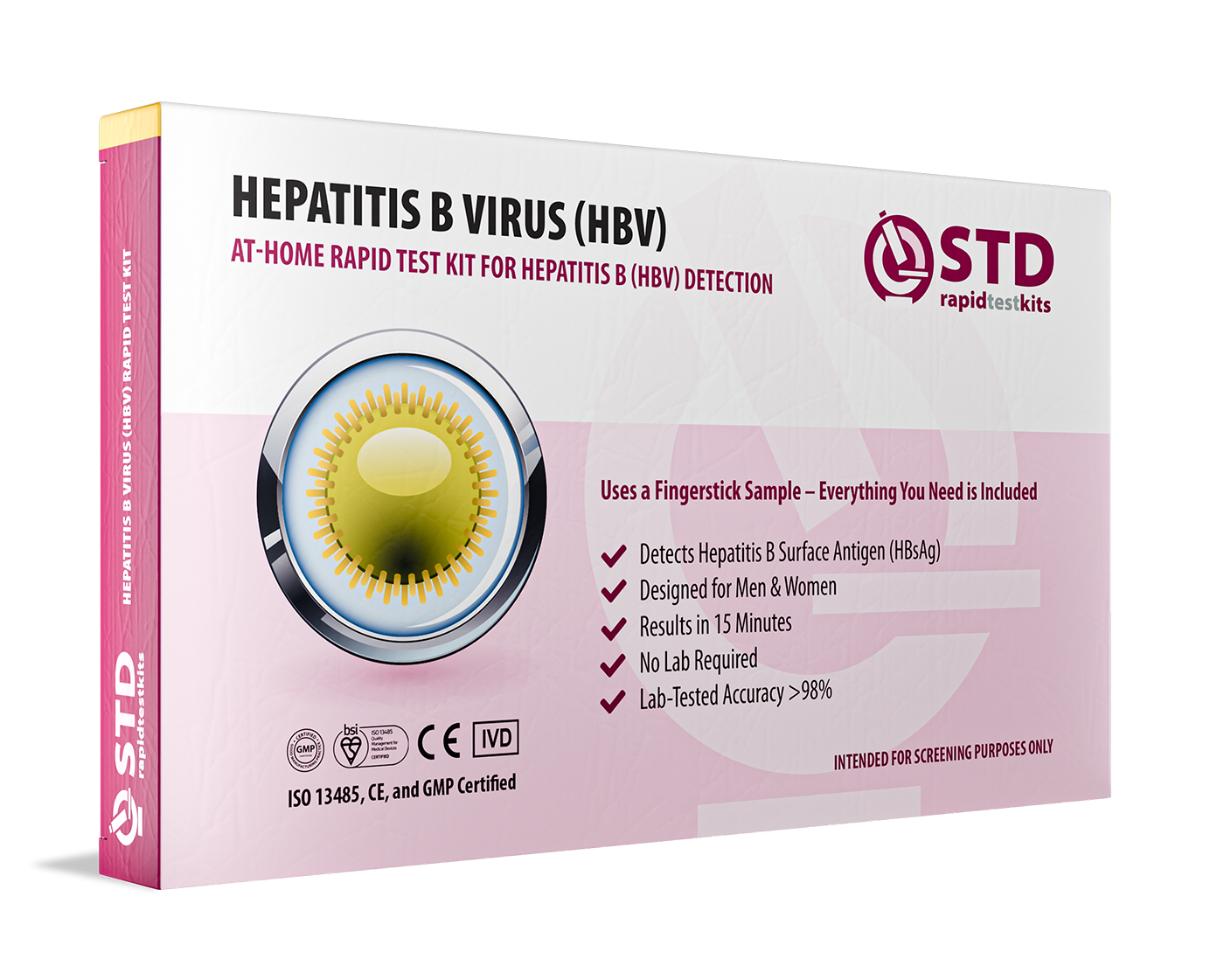
 For Men & Women
 Results in Minutes
 No Lab Needed
 Private & Discreet
Order Now $33.99 $49.00
Herpes: The Vaccine That Doesn’t Exist, Yet
Let’s rip the Band-Aid off: There is no approved vaccine for Herpes. And yes, that sucks. Especially since 1 in 6 Americans has genital herpes, and the stigma is often worse than the symptoms. The herpes virus (HSV-1 and HSV-2) is a shape-shifting, nerve-dwelling monster that makes vaccine development hellishly hard.
But that hasn’t stopped scientists from trying. As of mid-2025, there are at least five herpes vaccines in clinical trials, including:
- Therapeutic vaccines: Designed to help people already infected reduce outbreaks and transmission.
- Preventive vaccines: Aim to protect people before exposure, especially promising for HSV-2.
“When I was diagnosed with HSV-2, I Googled ‘herpes vaccine’ for hours,” says Ellie, 26. “Finding out there wasn’t one broke me. I just wanted something to fix it.”
Until something gets approved, herpes management comes down to antiviral meds, safer sex practices, and reducing stigma. That last one? It might be the most important.
HIV: Breakthroughs, But No Shot, Yet
HIV is the holy grail of STD vaccine research. It’s a virus that mutates rapidly, integrates into your DNA, and has evaded vaccine scientists for decades. Still, progress is happening.
In 2024 and 2025, researchers launched new HIV vaccine trials using mRNA technology (think COVID vaccines). Some early results are promising, but we’re still years away from approval.
For now, HIV prevention relies on:
- PrEP (Pre-Exposure Prophylaxis): Daily or on-demand pills that reduce HIV risk by up to 99%.
- PEP (Post-Exposure Prophylaxis): Emergency meds taken within 72 hours of possible exposure.
- Condoms & testing: Always essential, especially in casual or non-monogamous relationships.
There’s no HIV vaccine yet, but that doesn’t mean you’re powerless. PrEP is one of the most revolutionary STD tools available. It’s discreet, effective, and can literally save lives.
Chlamydia, Gonorrhea, and Syphilis: Why There Are No Vaccines
If you’ve ever asked, “Why can’t they just make a chlamydia shot?”, you’re not alone. These bacterial STDs are super common, but no vaccine exists for any of them. Here’s why:
- Chlamydia: In trials. Immune response is tricky, and the bacteria hides inside cells.
- Gonorrhea: Highly antibiotic-resistant, mutates quickly, and dodges immunity.
- Syphilis: Ancient and elusive. No vaccine even close to approval yet.
Even though these infections are curable with antibiotics, their long-term effects can be serious, especially if left untreated. That’s why routine testing and early detection are crucial.
Good news? The Combo STD Home Test Kit can screen for these in one go, without the awkward clinic wait.
Don’t wait until symptoms appear. Most people with these STDs don’t have obvious signs until the damage is done.
People are also reading: Used a Condom, Still Got an STD? You’re Not Alone
Are You Too Old for STD Vaccines?
One of the biggest myths in sexual health is that you “age out” of STD protection. Not true.
- HPV vaccine: Approved for people up to age 45. Even if you’ve been sexually active, it can still protect you from strains you haven’t been exposed to.
- Hepatitis B vaccine: Recommended for any unvaccinated adult, especially those with new or multiple partners.
If your doctor shrugs off the idea of adult vaccination? Find a new one. Your sexual health doesn’t expire at 26.
“I got the HPV vaccine at 38. My doc was supportive, but said most adults never ask,” shared Jerome, 39. “It felt good to finally do something proactive.”
You have the right to protect yourself, no matter your age, gender, or body count.
What About the Future? Vaccines in the Pipeline
Here’s the good news: the STD vaccine pipeline is hotter than ever. Thanks to mRNA breakthroughs and global interest in sexual health post-COVID, major pharmaceutical companies and university labs are racing toward new prevention tools.
Some of the most promising developments in 2025 include:
- Herpes (HSV-2) vaccines: At least two mRNA-based candidates are in Phase II and III trials.
- Chlamydia vaccine: University of Southampton’s prototype is undergoing early human testing.
- Gonorrhea vaccine crossover: A meningitis B vaccine (Bexsero) has shown partial protection in some studies.
- HIV vaccine (mRNA-based): Moderna and NIH-backed candidates are generating cautious optimism.
Still, don’t hold your breath for over-the-counter STD vaccines any time soon. Approval takes years. In the meantime, your best defense is still proactive testing, condoms, PrEP, and honest conversations.
And yes, at-home testing is absolutely part of that toolbox.
Why Don’t We Talk About STD Vaccines More?
This part’s personal. STD vaccines exist. They work. And yet? Most people have no idea.
Why? Because our sex ed system is broken. Because we don’t teach boys about HPV. Because talking about adult vaccinations feels weird. And because anything related to STDs still carries a heavy, unnecessary shame cloak.
That silence is deadly. Literally. HPV causes over 36,000 cancers a year in the U.S. And most of them are preventable.
“I got HPV from my first boyfriend. I didn’t even know men could carry it,” said Lina, 27. “If someone had told me about the vaccine earlier, maybe I wouldn’t have to explain why I had surgery on my cervix before 30.”
It’s time to normalize this conversation. STD vaccines aren’t just for teens, they’re for anyone who has sex. That includes you, your partners, your friends, and your future.
Check Your STD Status in Minutes
Test at Home with Remedium3-in-1 STD Test Kit
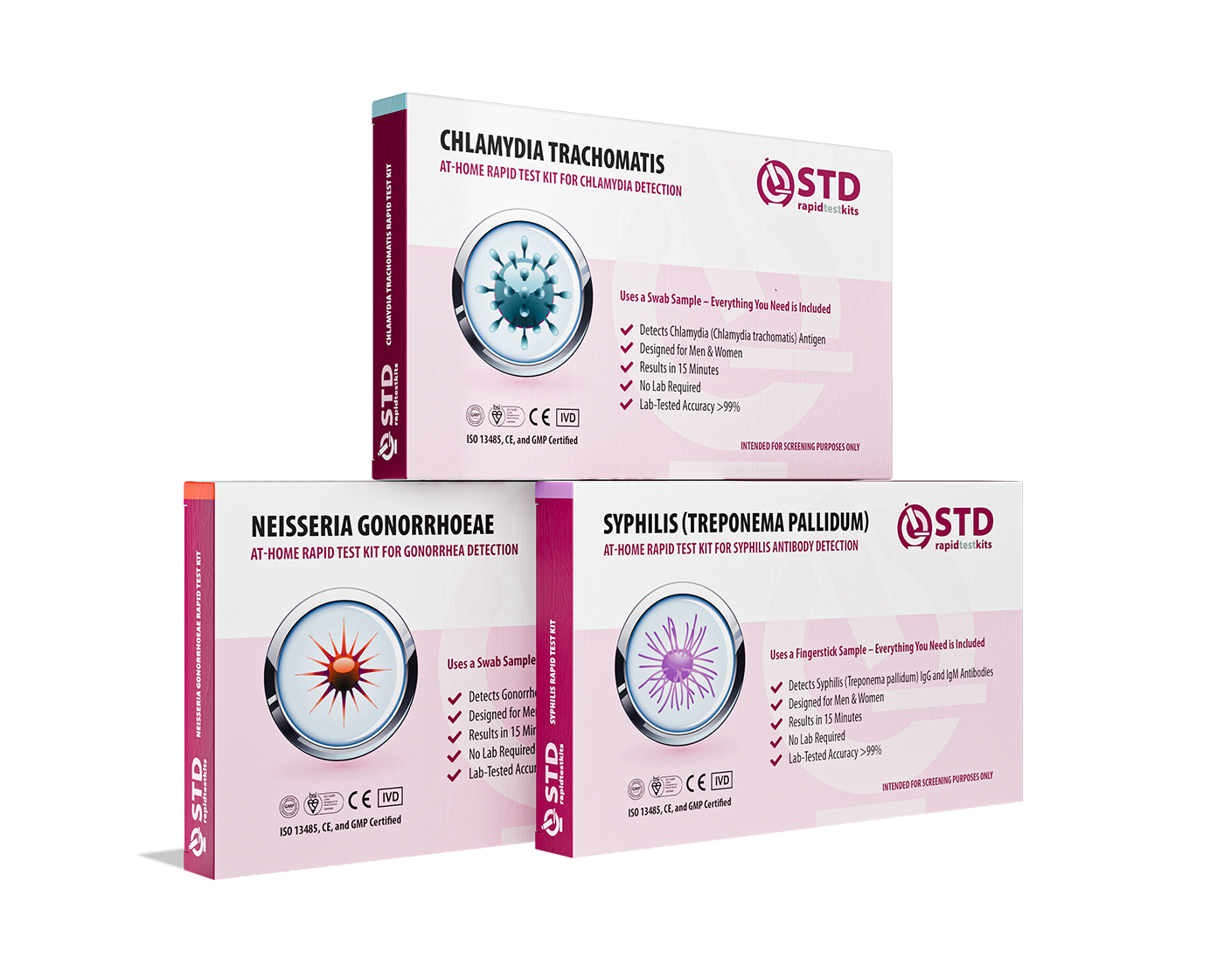 For Men & WomenResults in MinutesNo Lab NeededPrivate & Discreet
Order Now $69.00 $147.00
For all 3 tests
Vaccine Myths That Need to Die
Let’s clear out some of the internet’s worst lies, shall we?
Myth: “STD vaccines are only for women.”
Truth: Anyone with skin and genitals can get STDs. The HPV and Hep B vaccines are for all genders.
Myth: “If you’re already sexually active, it’s too late.”
Truth: Vaccines still protect against strains you haven’t been exposed to. It’s not all or nothing.
Myth: “You don’t need the Hep B vaccine if you’re not an IV drug user.”
Truth: Hep B spreads through sex just as easily. It’s not just about needles.
Myth: “There’s a herpes vaccine, but Big Pharma is hiding it.”
Truth: No approved vaccine exists yet. Clinical trials are slow, not a conspiracy.
The biggest myth of all? That asking about STD vaccines makes you “dirty,” “promiscuous,” or “irresponsible.” Nah. It makes you informed. And safer. And powerful.
“I Thought I Was Covered”: The False Sense of Protection
One of the most dangerous misunderstandings out there? That being vaccinated against one STD means you’re safe from them all. It’s an easy assumption to make, especially if you got your shots in childhood and no one ever explained what they were for.
Hep B vaccine? Good. HPV vaccine? Great. But that doesn’t protect you from herpes, chlamydia, syphilis, or HIV.
This false sense of security can delay testing and cause people to skip condoms or routine screenings. You deserve better than that.
“I tested positive for chlamydia during a routine check,” says Marcus, 24. “I was so confused. I thought I was vaccinated. No one had ever explained the difference.”
Bottom line? Vaccines are powerful, but they’re not comprehensive. The real protection comes from knowing which ones you’ve had, what they cover, and where the gaps are.

People are also reading: How Hepatitis B Can Spread Without Sex
How to Ask Your Doctor About STD Vaccines (Without the Awkward)
Bringing up STD vaccines with your healthcare provider can feel like tiptoeing into a minefield. But it doesn’t have to be. Here’s how to keep the convo chill, direct, and stigma-free.
- Start with a question: “Can you check if I’ve had the HPV or Hep B vaccines?”
- Ask for clarification: “If I haven’t had them, am I still eligible?”
- Be clear about your life: “I’m dating again and want to be proactive about protection.”
If your provider dismisses you, talks down to you, or refuses to check your vaccination history? That’s a red flag. You deserve care without judgment. Switch doctors if needed.
Remember: Advocating for yourself isn’t shameful. It’s sexual health 101. And you don’t owe anyone an explanation for wanting to protect your body.
FAQs
1. Is there a shot that can help with herpes?
There is no FDA-approved vaccine for herpes (HSV-1 or HSV-2) at this time. As of 2025, though, there are several vaccine candidates in clinical trials.
2. What STDs can vaccines stop?
There are vaccines that can help prevent two sexually transmitted diseases (STDs): HPV and Hepatitis B. These are good for teens, adults, and anyone who hasn't been vaccinated before.
3. Can you still get an STD if you get vaccinated?
Yes. Vaccines for STDs only protect against certain viruses, such as HPV or Hep B. You can still get other STDs, like chlamydia, gonorrhea, syphilis, or herpes.
4. Should adults get the HPV shot?
Yes, especially if you're under 45 and haven't finished the series. Adults who are sexually active can also benefit from protection against strains they haven't been exposed to.
5. Does the hepatitis B vaccine stop sexual transmission?
Yes. Hepatitis B can be spread through blood, sex, and other body fluids. The vaccine gives you strong, long-lasting protection against all ways the virus can spread.
6. Why isn't there a vaccine for chlamydia yet?
Chlamydia is a bacterial infection that hides inside human cells, which makes it hard to make vaccines. Researchers are working on it, but there isn't a vaccine that has been approved yet.
7. Can guys get the HPV shot?
Yes, for sure. The HPV vaccine is good for people of all genders because it stops genital warts and some cancers that are linked to the virus.
8. Is PrEP an HIV vaccine?
No. PrEP is a pill that you take every day or when you need it to help prevent HIV. It is not a vaccine. Until a vaccine is made, this is the best way to keep people from getting sick.
9. Could you see if you've already gotten the Hep B shot?
Yes. A simple blood test for hepatitis B antibodies can show if you are already immune.
10. Are there any side effects of STD vaccines?
Most vaccines have mild side effects, like sore arms, tiredness, or a low-grade fever. In clinical trials, serious side effects are rare and closely watched.
You Deserve Answers, Not Assumptions
STD vaccines aren’t science fiction, they’re real, powerful tools. But the fact that so many people don’t know which ones exist? That’s a public health failure. If you’ve ever felt confused, overlooked, or scared about what’s out there, you’re not alone. And you’re not wrong for wanting clarity.
Here’s the truth: your sexual health is worth protecting. Vaccines can help. So can testing, honest conversations, and refusing to accept shame as part of your care plan.
Don’t wait and wonder, get the clarity you deserve.
Sources
1. Vaccines That Can Prevent STIs – ASHA (HPV, hepatitis A & B; herpes and HIV in development)
2. STIs – History of Vaccines (only HPV and HBV vaccines exist; herpes & HIV still in development)
4. HPV Vaccine – Wikipedia (Gardasil 9 protects against multiple high-risk HPV types)


