





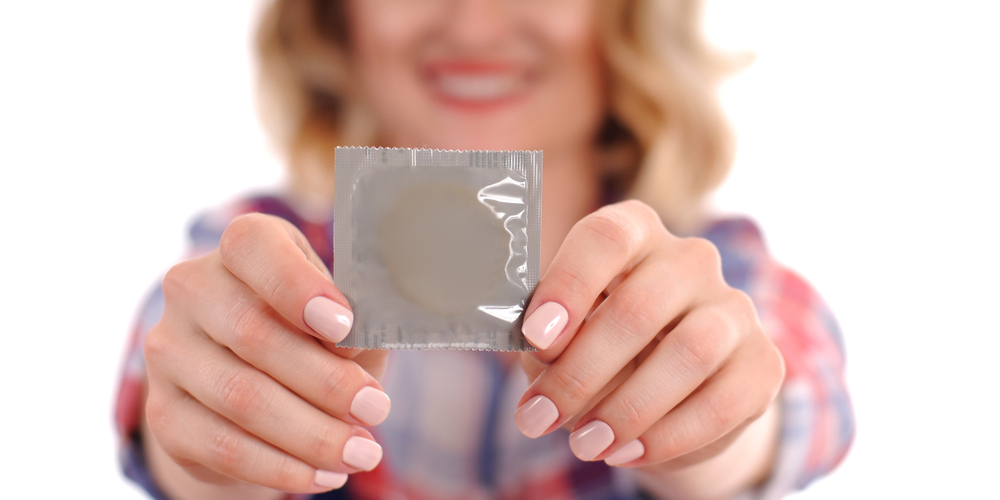

Quick Answer: Condoms lower STD risk, but don’t eliminate it. Infections like HPV, Herpes, and Syphilis can still spread through skin-to-skin contact. Real protection comes from combining methods: condoms, routine testing, vaccines, communication, and safer sex tools.
This Isn’t Just About Condoms, It’s About Gaps No One Talks About
Let’s be brutally honest: we’ve made condoms the face of safe sex for decades. And yes, they work. They reduce HIV risk by over 80%, and lower the chances of catching Chlamydia and Gonorrhea too. But condoms don’t cover everything. Literally.
Skin-to-skin STDs like Herpes, HPV, and Syphilis can spread from areas the condom doesn’t protect, think inner thighs, scrotum, vulva, or even the base of the penis. One study found that women using condoms consistently were still infected with HPV at rates only marginally lower than those who didn’t use them at all.
Kayla, 24, learned that the hard way. She’d only had one partner and always used condoms. “It felt like a slap in the face,” she said. “I thought condoms meant I was safe. No one told me about skin contact or oral transmission.”
“I was more embarrassed than anything. Like, how did this happen when I was trying to be responsible?”

People are also reading: Can Birth Control Make Herpes Worse?
What No One Told You About STD Transmission
Most people assume STDs require penetration. But that’s not true. Here’s how some of the most common infections sneak past condoms:
- Risk: Herpes lives in the skin and spreads through oral or genital contact, even if no sores are visible.
- Risk: HPV (human papillomavirus) transmits through genital contact, not just intercourse.
- Risk: Syphilis can pass through oral sex or skin abrasions near the genitals.
- Risk: Even Gonorrhea and Chlamydia can spread through unprotected oral or anal play.
That means even if you’re using condoms every time, there’s still a window for exposure. Especially if you’re not combining protection with testing, open communication, and other tools. Which brings us to the next point...
Protection That Works: The Real STD Safety Stack
Think of STD protection like layers, not just a single move. Here’s how to stack your defenses:
- Condoms: Still essential. Latex or polyurethane options reduce transmission for many STDs.
- Vaccines: HPV and Hepatitis B vaccines are game changers, don’t skip them.
- Testing Regularly: You can’t treat what you don’t know. Many STDs are asymptomatic.
- Suppressive Therapy: If you or your partner have herpes, antivirals like valacyclovir cut risk significantly.
- Lube: Reduces friction and microtears, especially important for anal sex.
- Barriers for Oral: Dental dams and flavored condoms aren’t just cute, they’re protective.
- Talk About It: Sharing testing history, symptoms, or worries isn’t “too much”, it’s self-respect.
Protection isn’t just a product, it’s a practice. It’s not just what you use, but how consistently and consciously you use it.
Whether you're worried about a specific exposure or just trying to play it smarter going forward, routine testing is one of the most protective moves you can make. This at-home combo test kit makes it easy, quick, and discreet to check for the most common STDs.
Check Your STD Status in Minutes
Test at Home with Remedium8-in-1 STD Test Kit
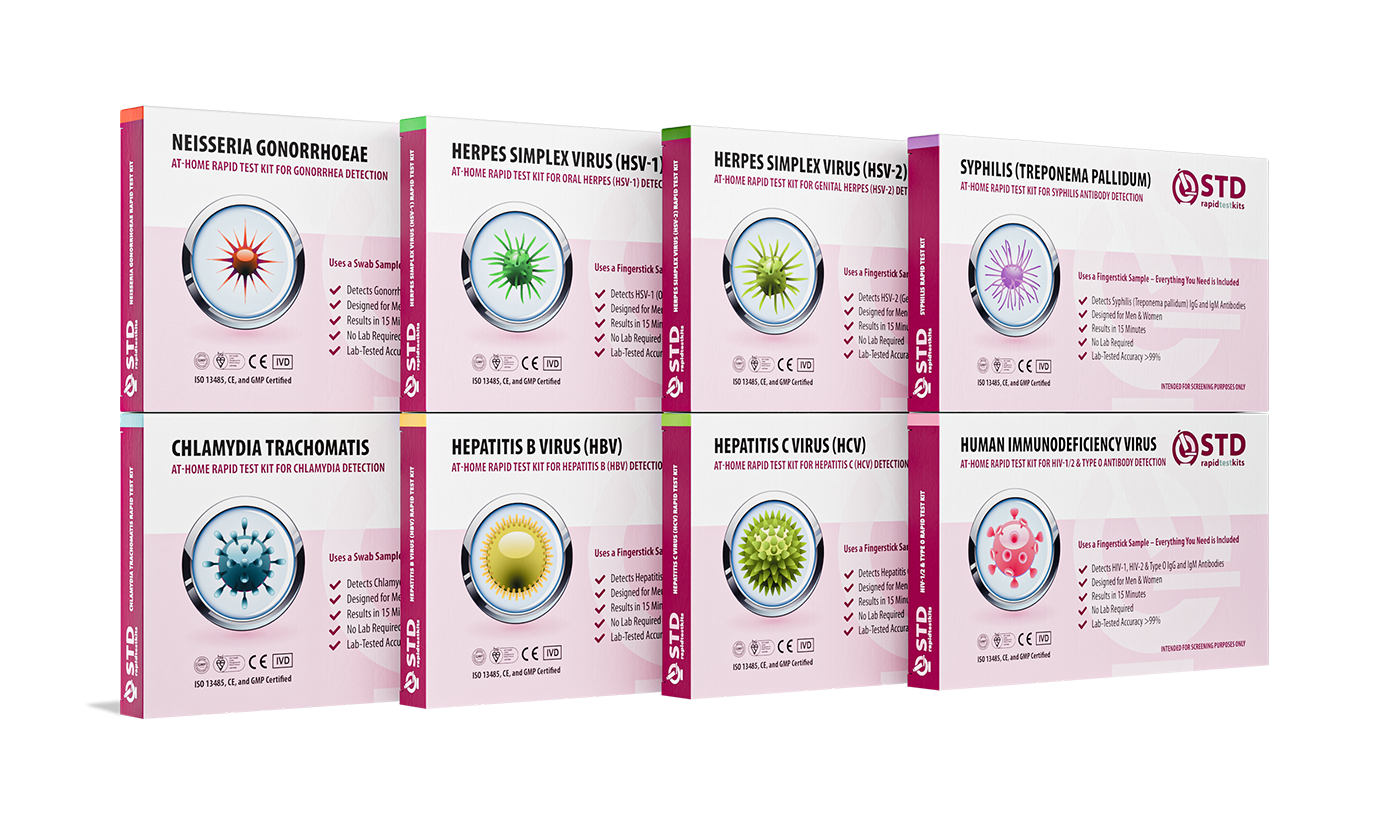
 For Men & Women
 Results in Minutes
 No Lab Needed
 Private & Discreet
Order Now $149.00 $392.00
For all 8 tests
Case Study: “We Used Protection, But I Still Got Herpes”
Ty, 29, had been in a monogamous relationship for six months. They used condoms religiously. So when his doctor told him he had HSV-2 (genital herpes), his first thought was betrayal. “I accused my partner of cheating. I was so sure condoms would protect us.”
But his partner hadn’t cheated. In fact, they’d had cold sores since childhood, caused by HSV-1, which can also infect the genitals. They’d had oral sex during an active outbreak, not knowing that it could transmit even without visible sores.
“I felt so stupid. Like I should have known. But no one ever told me oral sex could give you herpes.”
Herpes can be passed with no symptoms at all. And many people don’t realize cold sores = herpes. Suppressive therapy, barriers for oral sex, and honest conversations would have helped, but most couples skip those talks because they’re awkward.
Why Routine Testing Is Real Protection
Here’s the truth: condoms protect during sex, but testing protects before and after. That’s the missing piece most people overlook. Many STDs are asymptomatic, meaning they give zero warning signs. You can have Chlamydia, Gonorrhea, or even HIV and feel totally fine.
Testing helps you:
- Catch STDs early, before symptoms or complications develop
- Protect future partners by treating and reducing transmission
- Build trust in your sexual relationships by having facts, not assumptions
You don’t need a clinic appointment to stay on top of your sexual health. At-home STD test kits let you test discreetly, without awkward conversations or long waits. And they’re FDA-approved for accuracy.
Testing regularly, every 3 to 6 months if you're sexually active with new partners, is one of the most underrated protection tools out there.
Lube, Dams, and Internal Condoms: The Overlooked Heroes
Most people associate protection with just one thing: condoms. But there’s a whole world of safer sex tools that can make a huge difference, especially for people having oral or anal sex, or using toys.
- Lube: Reduces tears in genital and anal tissue that can let STDs in, especially important with condoms.
- Dental Dams: Thin latex sheets placed over the vulva or anus during oral sex. They stop STDs without killing the vibe.
- Internal Condoms: Worn inside the vagina or anus. Covers more area than external condoms, offering extra skin protection.
- Gloves + Toy Barriers: Keep fingering, fisting, and toy play from becoming accidental exposure.
Most of these tools are underused not because they’re ineffective, but because people feel weird asking for them or don’t know how to use them. That’s where communication comes in.

People are also looking for: What is the safest way to protect yourself during oral sex?
“Let’s Talk Before We F*ck”: Why Communication Is Protection
Silence is not sexy when it comes to sexual health. The most protective thing you can do, besides using condoms and getting tested, is talking to your partner.
That means asking:
- “When’s the last time you got tested?”
- “Have you ever had an STD?”
- “Are you on any treatment or suppressive meds?”
- “What kind of protection do you usually use?”
Yeah, it might feel awkward the first time. But if you can have sex, you can have a sex talk. And real talk? Most people respect you more for bringing it up.
If your partner refuses to discuss their sexual health, won’t test with you, or mocks protection, you just got your answer. That’s not a vibe. That’s a risk.
True protection isn’t just physical, it’s emotional, informed, and mutual.
What Sex Ed Got Wrong, and What It Forgot Completely
If you're feeling let down, confused, or even ashamed for catching an STD despite “doing everything right,” it’s not your fault. Traditional sex ed, when we even got it, focused almost entirely on condoms and abstinence. It rarely mentioned:
- How HPV and Herpes transmit without penetration
- The importance of regular testing for all genders, orientations, and relationship styles
- The emotional side of sex: consent, communication, trauma, boundaries
- Queer, trans, and kink-friendly safety practices
The truth is, we weren’t taught the full picture. So if you’re learning now, as an adult, that condoms aren’t invincible, you’re not alone. And you’re not late. You’re just catching up to a more complete, inclusive version of what safer sex really means.
Even better? You have options now that no one told you about then.
The New Rules of Safer Sex
Let’s rewrite the safety manual, based not on fear, but facts and autonomy. Here’s what actually protects people today:
- Layer your protection: Use condoms, lube, and barriers together.
- Test frequently: Especially with new partners or non-monogamous dynamics.
- Normalize the convo: Practice asking about testing and boundaries before sex.
- Use suppressive treatment: If you or a partner has Herpes or HIV, medication helps keep everyone safer.
- Get vaccinated: The HPV vaccine protects against cancer-causing strains and genital warts. Hep B vaccine is standard and crucial.
- Play smarter: Use gloves, toy condoms, and clean surfaces. Kink and pleasure can absolutely be safe too.
It’s not about being perfect. It’s about being informed, aware, and proactive. And it’s never too late to level up your safety game.
If you’ve ever worried you were exposed, or if you're just ready to get clear, try a discreet STD test kit from the privacy of home. No judgment. Just results.
Check Your STD Status in Minutes
Test at Home with Remedium3-in-1 STD Test Kit
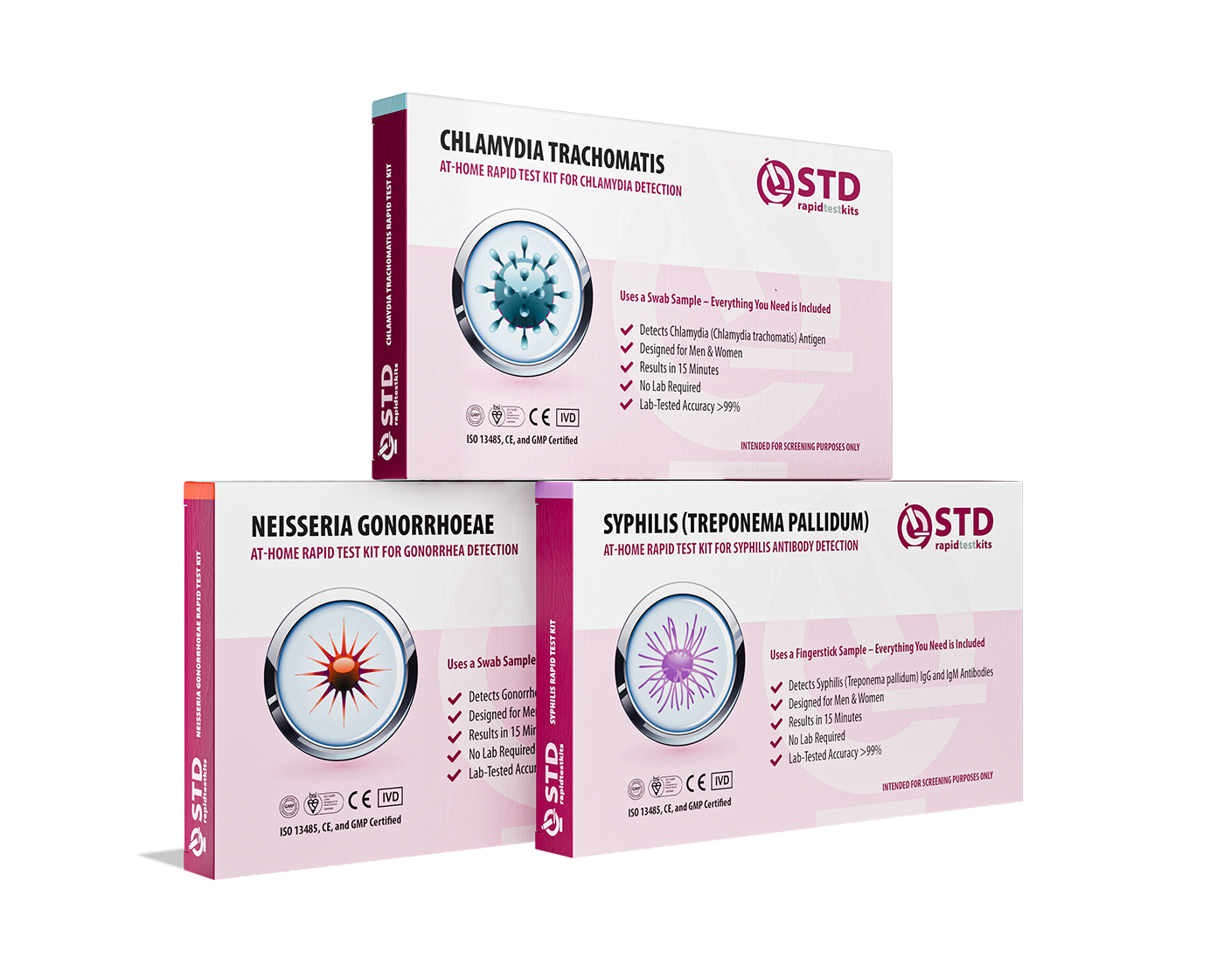 For Men & WomenResults in MinutesNo Lab NeededPrivate & Discreet
Order Now $69.00 $147.00
For all 3 tests
What to Do If You Still Caught Something
Here’s where we keep it real: even with all the best protection, you might still catch something. That doesn’t make you dirty, reckless, or irresponsible. It makes you human.
Most STDs are treatable. Some, like Herpes or HIV, are lifelong but manageable. You can still have great sex, fulfilling relationships, and full health with any diagnosis. What matters most is knowing, treating, and disclosing with care.
Next steps:
- Get tested: Confirm what you have so you can treat it properly.
- Tell your partner(s): Use facts, not fear. Scripts help if you’re nervous.
- Start treatment: Many STDs clear up with a single dose of antibiotics. Others need ongoing care.
- Join support: Online or IRL communities help reduce shame and increase confidence.
You’re not alone in this. You’re not broken. You just need good info, and a plan.
HPV: The Most Common STD You Probably Didn’t Realize You Could Get
HPV (Human Papillomavirus) is the most common sexually transmitted infection in the world. Nearly 80% of sexually active people will get it at some point. Most don’t even know they have it. And yes, you can get HPV even with perfect condom use.
That’s because HPV spreads through skin contact, not just penetration. If someone has the virus on the outer genital area or thighs, condoms won’t stop the transmission. It’s one reason why people feel blindsided by an abnormal Pap smear or genital warts when they thought they were being safe.
The real game-changer? The HPV vaccine. It protects against high-risk strains that can cause cervical, anal, and throat cancers, as well as genital warts. It’s safe, effective, and recommended for people of all genders, ideally before sexual debut but valuable at any age up to 45.
If you’re vaccinated, tested, and using protection, you’re covering all the major bases. That’s real empowerment.
Safer Sex for Every Body: Inclusive Tools for LGBTQ+, Kink, and Non-Monogamy
If you’ve ever felt like STD advice doesn’t apply to you, because you're queer, kinky, or non-monogamous, you’re right to be skeptical. Most mainstream sex ed centers cis, straight, monogamous people. But safety should belong to everyone.
Here’s how to tailor protection to your body, orientation, and community:
- Anal sex: Use condoms, water-based lube, and test regularly for Gonorrhea, Chlamydia, and Hepatitis A/B.
- Oral play: Dental dams, flavored condoms, and avoid oral during cold sore outbreaks or symptoms.
- Kink & BDSM: Use gloves for fisting, disinfect shared toys, and negotiate play scenes that include STI disclosure and safety plans.
- Poly & open relationships: Testing calendars help manage exposure. Disclosure isn’t just respectful, it protects everyone involved.
Being outside the sexual “norm” doesn’t make you more at risk. But ignoring inclusive safety advice does. Safer sex means tools, transparency, and autonomy, for every body, every time.
FAQs
1. Can you still get an STD if you wear a condom?
Yes. Condoms lower the risk of getting STDs, but they don't stop them all. Condoms don't cover everything, so skin-to-skin infections like herpes and HPV can still spread.
2. How can you best protect yourself from STDs?
Use condoms, get tested often, get vaccinated, and talk openly with your partners about your health and past to protect yourself.
3. Does using lube keep you from getting STDs?
Yes. Lube makes things less slippery and less likely to tear, which lowers the risk of infection, especially during anal sex or when using condoms.
4. Is it possible to get an STD from oral sex?
Yes, for sure. You can get herpes, HPV, gonorrhea, and syphilis from oral contact. Barriers lower risk.
5. Does suppressive therapy work for herpes?
Yes. Taking antivirals like valacyclovir every day lowers the risk of spreading herpes to a partner, even if you don't have any symptoms.
6. Should I get tested even if I don't have any symptoms?
Of course. Many STDs don't show any symptoms. Even if you feel fine, it's very important to get tested regularly.
7. How often should I get checked for STDs?
If you have new or multiple partners, you should do this every three to six months. Once a year if you are in a monogamous relationship and still have sex.
8. What is the purpose of a dental dam?
Dental dams lower the risk of STDs when you have oral sex on the vulva or anus. Like condoms do for penetration, they keep fluids and contact from getting through.
9. What if my partner doesn't want to use protection?
That's a warning sign. Everyone should be responsible for keeping each other safe. If they don't want to, they're putting their own comfort ahead of your health.
10. Can I still have sex if I have a sexually transmitted disease?
Yes. While having STDs, many people have satisfying sex lives. It is safer for everyone involved to be open about what happened, get treatment, and protect themselves.
You Deserve Answers, Not Assumptions
If you’re here because you’re scared, confused, or frustrated after “doing it right” and still ending up with an STD, you’re not alone. Condoms help. But protection is more than latex. It’s layered. And it’s powerful when you use it with intention.
Don’t wait and wonder, get the clarity you deserve.
Sources
1. Condom Use: An Overview – CDC (correct and consistent use reduces STI risk)
2. Condoms – WHO (effective in preventing most common STIs and HIV globally)
3. Condom Effectiveness – Wikipedia (barrier protection details, limitations by STI type)
4. Condom Effectiveness for STD Prevention – PMC (latex condoms block pathogens; materials matter)
5. Dental Dam: Effectiveness and How to Use One – Medical News Today (barrier for oral sex protection)


