





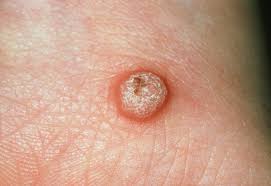

Quick Answer: Itching, bumps, and burning sensations can all be early signs of STDs, including herpes, chlamydia, gonorrhea, syphilis, HPV, and more. If you’ve had sexual contact (oral, anal, vaginal, or even skin-to-skin), don’t ignore those signals. Some STDs can be symptomless for weeks, but others leave warning signs you need to catch early. Testing is the only way to know for sure, and fast, discreet options are available.
Itching: Normal Annoyance or STD Red Flag?
Genital itching can stem from a dozen different causes, including yeast infections, allergies, sweat, or shaving. But it can also be one of the first symptoms of an STD like:
- Genital herpes: Often starts with a tingling or itching sensation before sores appear
- Pubic lice: Intense itching at the base of pubic hair, often with visible bugs or eggs
- Trichomoniasis: Itchy, frothy discharge and inflammation in women; often no symptoms in men
- Chlamydia or Gonorrhea:May cause internal or urethral itching in some cases
Pro tip: If itching persists for more than a few days, is accompanied by discharge or odor, or spreads beyond the genitals, it’s time to test. Yeast and STDs can coexist, so don’t assume it's one or the other.
People are also reading: Everyone Knows Everyone: The Hidden Shame of STDs in Small Towns
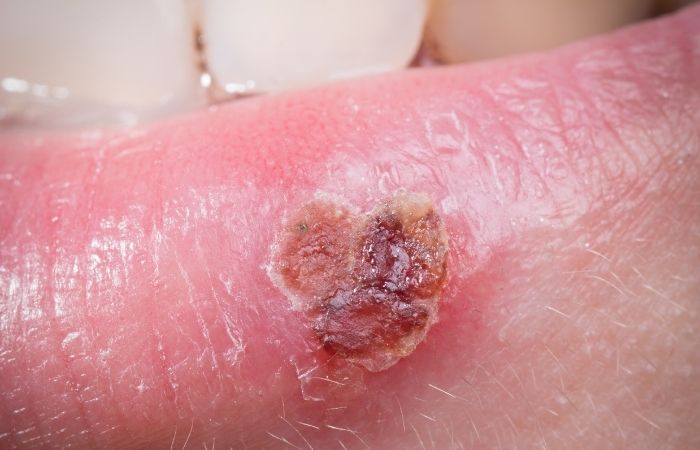
Bumps, Blisters, or Sores: What’s Normal, What’s Not
Bumps on or around the genitals can be pimples, ingrown hairs, or razor burn, but if they:
- Are painful or tingly
- Appear in clusters or groups
- Break open or ooze fluid
- Occur alongside flu-like symptoms
...they could be red flags for herpes, syphilis, or HPV.
Genital herpes is the most common cause of painful clusters of blisters or open sores. Syphilis can present as a single, painless sore (called a chancre) that often goes unnoticed. HPV may lead to painless flesh-colored warts.
Don’t pop it. Don’t wait it out. Test instead. A swab of an active sore or a blood test can give you answers fast.
Burning or Pain When You Pee
Burning urination is a common STD symptom and is often mistaken for a UTI. The most likely culprits include:
- Chlamydia – causes burning, discharge, and testicular pain in men; vaginal discomfort and spotting in women
- Gonorrhea – often presents similarly but may progress faster and be more intense
- Trichomoniasis – causes irritation and foul-smelling discharge, mostly in women
Bottom line: If it burns when you pee and you’ve had any kind of sexual contact, don’t guess. UTIs and STDs require different treatments, and misdiagnosing yourself can lead to worse infections.
Unusual Discharge: Color, Smell, and Texture Matter
Let’s talk about discharge. Everyone has some, but if yours changes in smell, texture, or color, it could mean an STD is at work. Here’s what to watch for:
- Green, yellow, or gray discharge: This may signal gonorrhea, chlamydia, or trichomoniasis
- Foul-smelling or “fishy” odor: Could be bacterial vaginosis (not an STD itself, but often triggered by STDs or new partners)
- Thick, cottage cheese-like: Often yeast, but can coexist with STDs
- Bloody or brown discharge: May indicate PID (pelvic inflammatory disease), often caused by untreated STDs
Don’t ignore sudden changes. Vaginal or penile discharge that deviates from your baseline, especially with odor or itching, is a key red flag.
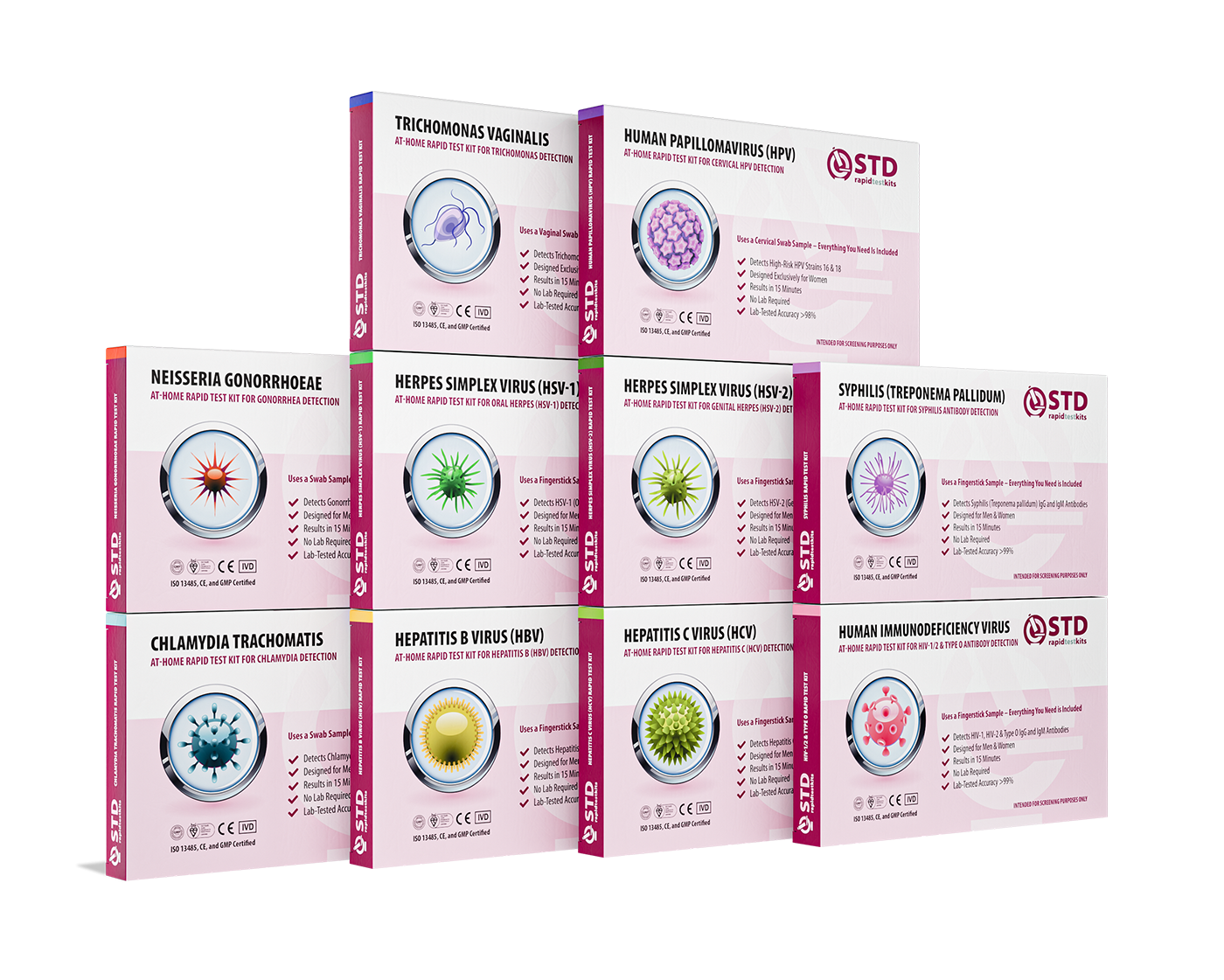
Check Your STD Status in Minutes
Test at Home with Remedium10-in-1 STD Test Kit
 For Women
 Results in Minutes
 No Lab Needed
 Private & Discreet
Order Now $189.00 $490.00
For all 10 tests
Rashes and Skin Changes on Genitals or Anus
Redness, irritation, or rash in your genital or anal region can come from heat, tight clothing, or allergic reactions, but if it’s persistent, painful, or blistering, think STD-related dermatitis from:
- Herpes: Clusters of painful sores often mistaken for pimples
- Syphilis: May cause a widespread rash, especially on palms and soles
- HPV: Skin-colored or whitish warts in genital/anal area
Rashes that don’t improve after a few days or seem to spread quickly should be seen as serious signs, especially if you’ve had any recent sexual exposure.
Pain During Sex (Dyspareunia)
Painful sex isn’t just a mood killer, it’s a potential sign that something’s wrong. While causes range from dryness to trauma, persistent pain during penetration (vaginal or anal) can signal:
- Chlamydia or gonorrhea: Can inflame the cervix and pelvic region, causing sharp pain
- PID (Pelvic Inflammatory Disease): Often a result of untreated STDs, with deep pelvic pain during sex
- Trichomoniasis: Inflammation and irritation that cause burning or soreness
Note: STD-related pain often builds over time and may worsen with deeper thrusting or specific positions. Don’t tough it out, testing and early treatment are key.
Flu-Like Symptoms with No Obvious Cause
Fever, body aches, sore throat, and swollen lymph nodes? If you haven’t had a cold, it could be a less obvious STD red flag, especially when these symptoms follow recent sexual activity.
Here’s why it matters:
- HIV: Often starts with flu-like symptoms 2–4 weeks post-exposure (acute HIV infection)
- Herpes: First outbreaks are sometimes accompanied by fever, fatigue, and malaise
- Syphilis: Secondary stage can present with flu-like symptoms and a body rash
When flu symptoms don’t match seasonal illness and you’ve had recent sexual contact, it’s worth ruling out an STD as the underlying cause.
People are also reading: How an STD Diagnosis Saved My Sex Life
Bleeding Between Periods or After Sex
If you’re bleeding outside your normal cycle, or spotting after intercourse, it could be a signal that something deeper is wrong. While many non-STD causes exist (like fibroids or hormonal changes), untreated STDs are a common culprit.
Specifically, bleeding can be linked to:
- Chlamydia and gonorrhea: Inflammation of the cervix causes irritation and bleeding after penetration
- HPV-related cervical changes:Abnormal cells can lead to post-coital bleeding
- Pelvic Inflammatory Disease:Causes irregular bleeding and intense cramping
Don’t dismiss unexpected blood. If it’s not your period and happens more than once, testing for STDs and cervical health is vital.
Swollen Lymph Nodes or Glands
Lymph nodes, those small, bean-shaped lumps in your neck, groin, or underarms, are part of your immune response. When they’re swollen, your body is fighting an infection. That includes STDs like:
- Syphilis:Can cause generalized swelling or isolated lumps in the groin
- HIV:Early infection often leads to persistent, swollen lymph nodes in multiple areas
- Herpes:Especially during initial outbreaks, may trigger groin swelling and tenderness
If your lymph nodes are tender or swollen, especially if paired with other symptoms, don’t chalk it up to random illness. It could be your immune system alerting you to a silent STD.
Anal Discomfort, Discharge, or Bleeding
Anal STDs are on the rise, particularly among people who engage in receptive anal sex, whether that’s through penetration, toys, or rimming. Watch for these signs:
- Burning or itching around the anus
- Rectal bleeding or discharge not linked to hemorrhoids
- Unexplained anal pain or swelling
STDs like gonorrhea, chlamydia, herpes, HPV, and syphilis can all affect the anal region, and often go undiagnosed because people assume the discomfort is hemorrhoids or irritation.
Don’t let shame stop you. Rectal swabs are a standard part of full-panel testing when anal sex is part of your risk profile.
Check Your STD Status in Minutes
Test at Home with Remedium8-in-1 STD Test Kit
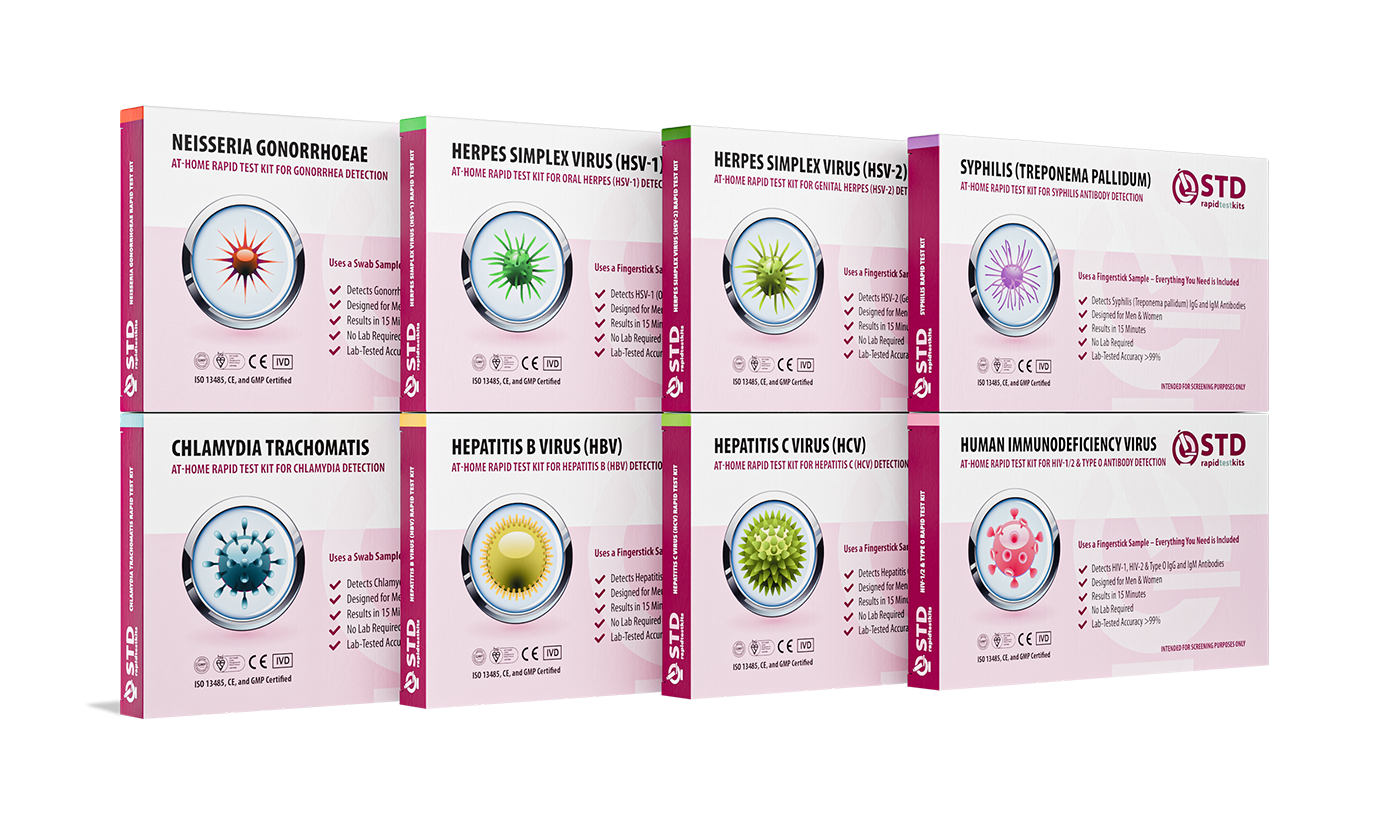
 For Men & WomenResults in MinutesNo Lab NeededPrivate & Discreet
Order Now $149.00 $392.00
For all 8 tests
STD Symptoms That Don’t Go Away, or Come Back
You tried an OTC cream. You stopped shaving. You waited two weeks. But the symptoms are still there, or even worse, they cleared up for a while and then came back.
Here’s the reality: many STDs cycle in and out of visibility. Herpes goes dormant. Trichomoniasis flares after menstruation. HPV warts can shrink and return months later. Some, like chlamydia, may cause no symptoms at all but still damage your reproductive system over time.
If something keeps recurring, never quite heals, or gives you that gut feeling, don’t wait. Test again. Get clear.
Pain or Swelling in the Testicles
Guys, this one’s easy to overlook, but it matters. Testicular pain or swelling isn’t just a sports injury or random ache. When caused by an STD, it usually comes on gradually and worsens over days. It’s most commonly associated with:
- Chlamydia: Especially if it spreads to the epididymis (epididymitis)
- Gonorrhea: Similar symptoms with more intense swelling or burning when urinating
Swelling or dull pain in just one testicle? That’s a red flag. Left untreated, it can cause fertility issues or chronic discomfort. Always test if symptoms persist.
Sore Throat After Oral Sex
Most people don’t realize that oral STDs are a thing, but they’re not only real, they’re rising. If you’ve had unprotected oral sex and develop a sore throat, swollen tonsils, or white patches in your mouth, it could be:
- Gonorrhea: Can infect the throat and cause pain or redness
- Chlamydia: Less common in the throat, but possible
- Syphilis: Can cause sores or ulcers in the mouth or throat
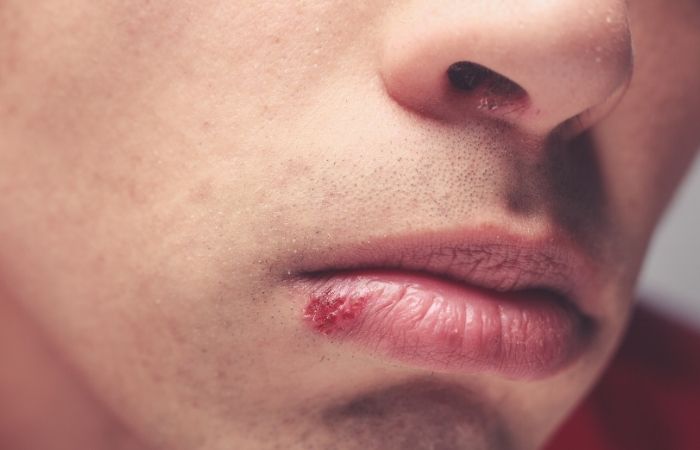
- Herpes: May present as painful blisters inside the mouth
Don’t assume it’s strep. If you’ve had oral sex, ask for a throat swab when getting tested.

People are also reading: From Dirty to Empowered: Reclaiming Your Sexual Health
Lower Back or Abdominal Pain
This one gets tricky. Lower back or pelvic pain is often attributed to periods, stress, or posture, but when tied to STDs, it could signal internal inflammation or infection:
- PID (Pelvic Inflammatory Disease): Caused by untreated chlamydia or gonorrhea, leading to chronic pelvic and lower back pain
- Advanced syphilis or herpes outbreaks: May trigger nerve-related pain in some cases
If your pain lingers, worsens with sex, or comes with fever or discharge, it’s time to rule out an STD.
Eye Redness or Discharge (Yes, Really)
It’s rare, but STDs can infect the eyes, especially if genital fluids come into contact with them during oral or manual sex. Called ocular STIs, symptoms may include:
- Red, swollen eyes
- Pus-like discharge
- Blurred vision or pain
Gonorrhea and chlamydia are the most common culprits. If you’ve had recent exposure and eye symptoms appear, see a doctor immediately. Untreated eye STDs can lead to serious complications.
Check Your STD Status in Minutes
Test at Home with Remedium7-in-1 STD Test Kit
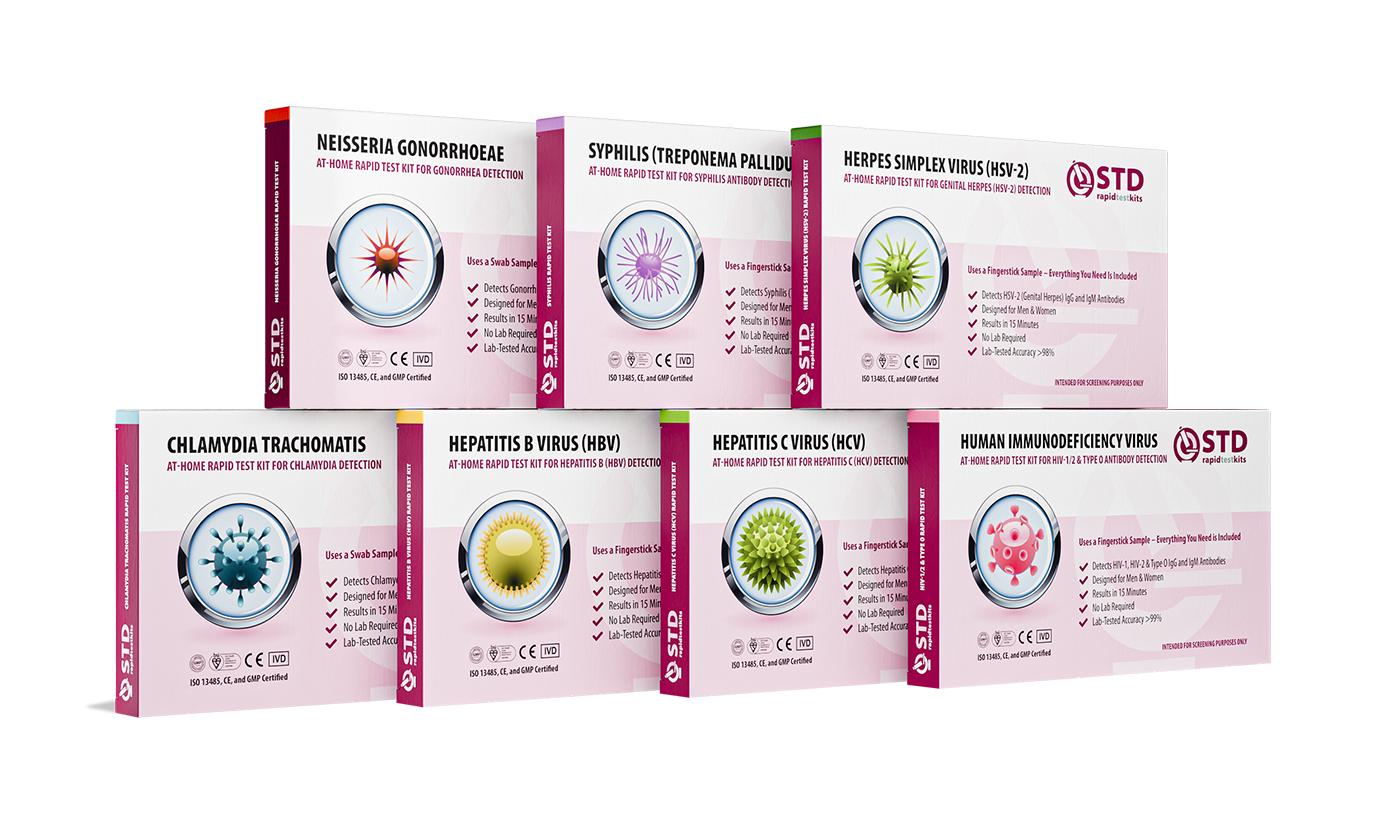 For Men & WomenResults in MinutesNo Lab NeededPrivate & Discreet
Order Now $129.00 $343.00
For all 7 tests
FAQs
1. Is itching always a sign of an STD?
Not always, it can be caused by shaving, yeast, or allergies. But persistent or intense itching should be evaluated, especially with other symptoms.
2. What do STD bumps look like?
They may look like pimples, blisters, or warts, often clustered or painful. If they break open or ooze, they’re more likely to be viral, like herpes.
3. Can STDs cause burning when you pee?
Yes. Chlamydia, gonorrhea, and trichomoniasis are common culprits of painful urination, often misdiagnosed as a UTI.
4. How long after exposure do symptoms show up?
Some STDs show up in days (like gonorrhea); others take weeks (like syphilis). Herpes can lie dormant for months or years.
5. Can I have an STD with no symptoms?
Absolutely. Many STDs, especially chlamydia and HPV, are silent. Regular testing is the only way to catch them early.
6. What’s the difference between STD warts and regular bumps?
HPV warts are usually soft, flesh-colored, and cluster-like. Pimples are often red, firm, and have a white head.
7. Should I get tested after every new partner?
It’s smart to test after each new sexual partner or every 3–6 months if you’re sexually active, especially without barriers.
8. Do condoms prevent all these symptoms?
Condoms reduce risk but don’t protect against skin-to-skin infections like herpes or HPV. Testing is still important.
9. Can I test from home for these symptoms?
Yes. At-home STD kits can detect chlamydia, gonorrhea, syphilis, HIV, and more, privately and accurately.
10. What if I’m scared to know?
That fear is real, but clarity is freedom. Most STDs are treatable or manageable, and knowing lets you protect yourself and others.
Your Body Talks; Don’t Ignore the Signal
Itching. Burning. Bumps. Bleeding. These aren’t just annoyances; they’re messages. And when it comes to your sexual health, every signal matters.
STD symptoms are often vague, overlapping, or easy to misinterpret. That’s why it’s not enough to guess or hope it’s “just a rash.” The only way to know for sure is to get tested.
And the good news? Testing doesn’t have to be expensive, invasive, or public. With STD Rapid Test Kits, you can take control of your health discreetly, privately, and on your own terms.
Your body isn’t betraying you; it’s trying to protect you. Listen to it. Trust it. Test early. Treat fast. And reclaim the power to move through your sex life with confidence.
Sources
1. Mayo Clinic – STD Symptoms: Itching, burning, soreness, bumps, blisters, ulcers
2. Medical News Today – STDs that cause itching: chlamydia, gonorrhea, trichomoniasis, herpes, warts
3. NHS – STI Symptoms: discharge, itching, lumps, sores, rash
4. Cleveland Clinic – STI symptoms: itching, burning, discharge, bumps, swelling
5. Urology Health – STI Symptoms: burning, discharge, sores or blisters
6. OBGYN News – Six STD Symptoms: bumps, sores, discharge, itching, burning, pain


