





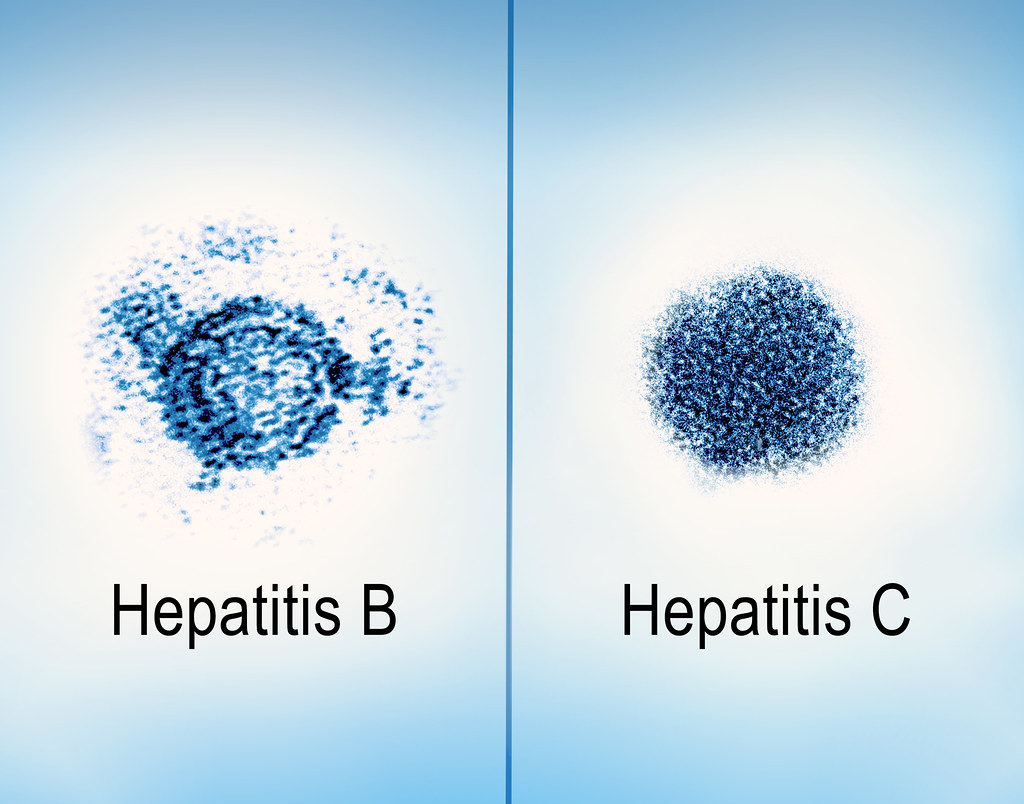

Quick Answer: Hepatitis B spreads easily through sex and has a vaccine but no cure. Hepatitis C spreads mostly through blood, is rarely passed sexually, and is curable. Both can be silent for years. You won’t know unless you get tested.
What Are Hepatitis B and C?
Hepatitis B (HBV) is a DNA virus. It can be short-term (acute) or long-lasting (chronic), and it’s commonly passed through sex, birth, or blood exposure. It’s globally common, especially in parts of Asia, Africa, and Latin America. There’s a vaccine, but no cure.
Hepatitis C (HCV) is an RNA virus. It’s almost always transmitted through blood, usually from shared needles, unsterile tattoos, or unsafe medical procedures. Unlike B, there’s no vaccine, but there is a cure. Direct-acting antivirals clear the virus in over 95% of cases today.
Both target the liver. Both can lead to cirrhosis, cancer, or even death. But they don’t impact your life, or your sex life, in the same way.
People are also reading: Everything I Feared After My STD Diagnosis (And What Really Happened)
How They Spread: Sex, Blood, Birth, and Beyond
Hepatitis B spreads through:
- Unprotected sex (vaginal, anal, oral)
- Birth from parent to baby
- Shared razors, toothbrushes, or needles
- Open wounds or blood contact
Hepatitis C spreads through:
- Blood-to-blood contact (needle sharing, unsterile tattoos)
- Rarely through sex (except when blood is present or trauma occurs)
- Less commonly via birth or transfusions (mostly before 1992)
Hepatitis B is highly infectious, up to 100x more contagious than HIV. Hepatitis C is harder to catch, but far more dangerous if ignored. You can’t rely on symptoms. You need a test.
What Does It Feel Like? (Spoiler: Nothing... At First)
Most people with Hepatitis B or C feel completely fine for years. That’s what makes these viruses so insidious, they don’t scream. They whisper. Silently. While they damage your liver.
When symptoms do appear, they may include:
- Fatigue or brain fog
- Yellowing of skin or eyes (jaundice)
- Dark urine, light stools
- Nausea, belly pain, or loss of appetite
But many people don’t notice anything until liver damage is advanced. That’s why early hepatitis testing is essential, especially if you’ve had any possible exposure.
Check Your STD Status in Minutes
Test at Home with Remedium7-in-1 STD Test Kit
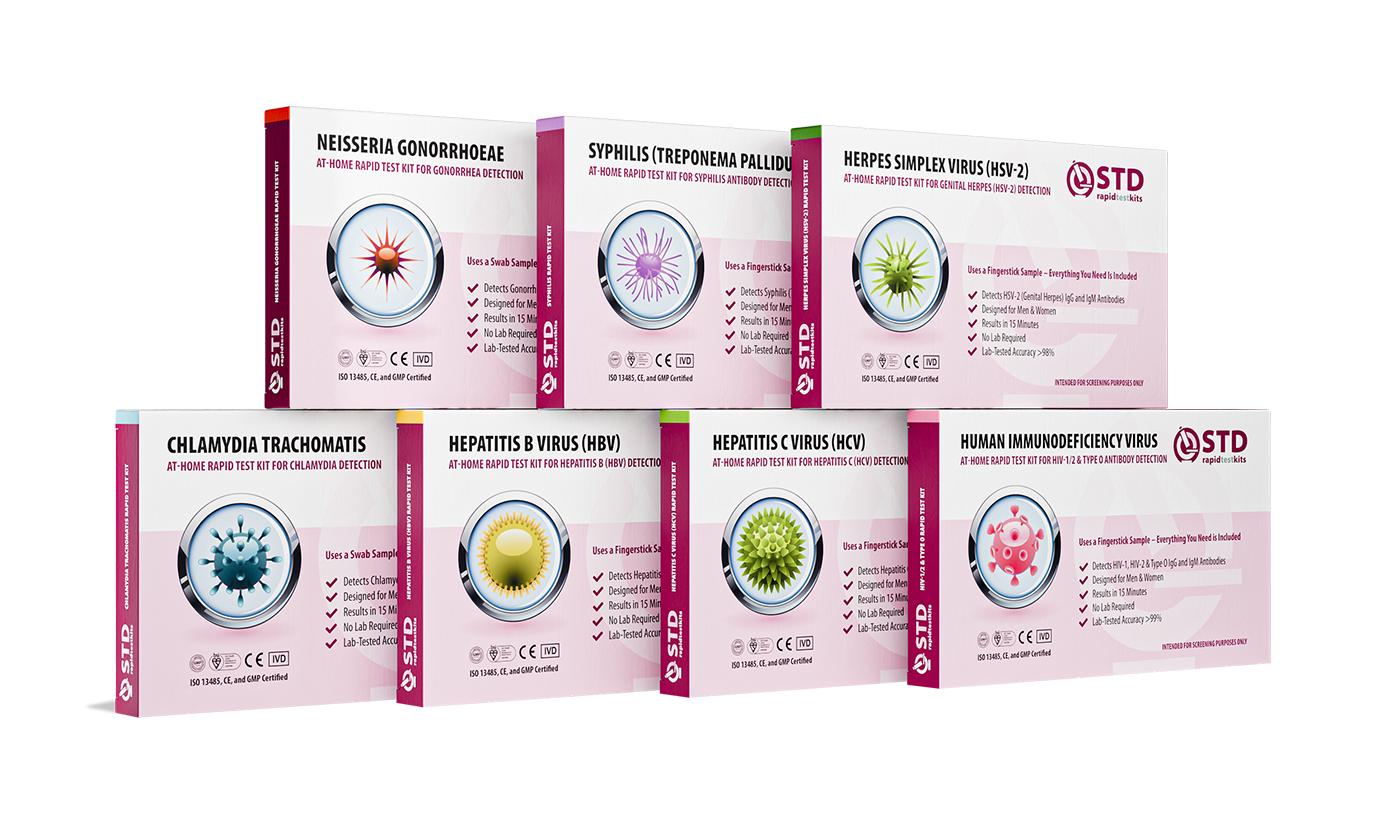
 For Men & Women
 Results in Minutes
 No Lab Needed
 Private & Discreet
Order Now $129.00 $343.00
For all 7 tests
Testing: The Only Way to Know
You can’t feel Hepatitis B or C in the early stages. And unless your liver’s already damaged, most doctors won’t test unless you ask. That’s a problem.
Testing for Hepatitis B includes:
- HBsAg (surface antigen): tells if the virus is active
- Anti-HBs: shows immunity (from vaccine or recovery)
- Anti-HBc: indicates past or current infection
Testing for Hepatitis C includes:
- HCV antibody test: shows exposure
- If positive, RNA PCR test: confirms active infection
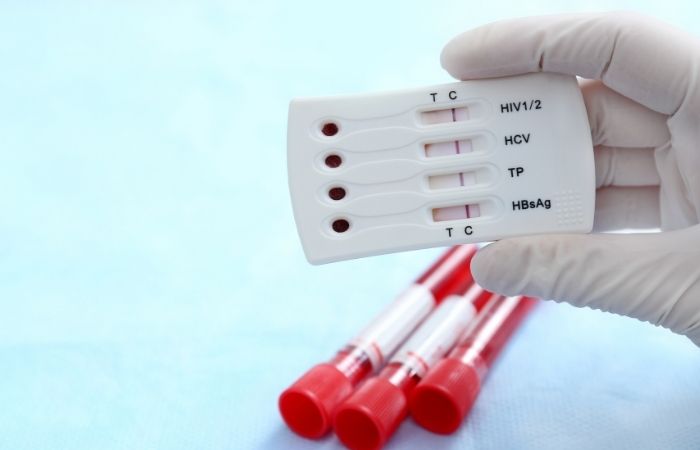
Whether through a clinic or STD Rapid Test Kits, testing is discreet, quick, and often painless. Blood or finger-prick samples can give you answers in days. No insurance needed. No drama required.
Treatment: Management vs. Cure
This is where the biggest difference lies.
Hepatitis B: There’s no cure, yet. But it can be managed long-term with antivirals like tenofovir or entecavir. Regular liver checkups help prevent damage. If your viral load is low and liver function is stable, you may not need treatment right away. But you’ll still need lifelong monitoring.
Hepatitis C: Modern antiviral drugs cure most people within 8–12 weeks. These pills are easy to take, with few side effects. Once the virus is cleared, it’s gone, but if liver damage occurred before treatment, long-term follow-up is still essential.
If you’ve avoided treatment because you were scared, broke, or embarrassed, now is your time. The stigma is outdated. The science is on your side.
Is There a Vaccine?
Yes, for Hepatitis B. It’s a three-shot series that gives lifelong protection. If you’re sexually active, use injection drugs, or were born in a high-prevalence country, you should be vaccinated yesterday. It’s one of the best defenses we have.
No, for Hepatitis C. But the cure makes up for it. Still, prevention matters. Don’t share needles, razors, or anything that could carry blood. Make sure your tattoo or piercing studio is licensed and sterile. And don’t assume sex is “safe” just because condoms are used, testing fills the gaps.
What About Sex?
Hepatitis B is a sexually transmitted infection. It lives in semen, vaginal fluids, and blood. It’s 50–100 times more infectious than HIV. That’s why the vaccine is so important. Condoms help, but aren’t bulletproof. Oral sex can transmit HBV, especially if there are cuts or sores present.
Hepatitis C is rarely spread through sex, unless blood is involved (menstruation, rough or anal sex, other STIs). It’s more likely in people living with HIV, those who practice chemsex, or who have multiple partners without barrier protection.
If your partner has Hepatitis B or C, you can still have sex safely. Get vaccinated. Use protection. Talk openly. And get tested together.

People are also reading: Grindr, Hookups, and a Rise in Syphilis: What You Should Know
Stigma, Silence, and the Stories We Don’t Tell
Let’s get real: Hepatitis carries more than just viral weight. It comes with shame, judgment, and silence. People often assume you did something “wrong”, had risky sex, used drugs, made bad choices. That’s a lie built on ignorance and stigma.
Here’s the truth: You can get hepatitis from a parent at birth. From sharing a razor. From a medical procedure overseas. From a partner who never knew they had it. You don’t need to have “done something bad” to carry a virus. You just need to have been human.
We’ve heard stories like:
- Maria, 28, diagnosed with Hep B after donating blood, her parents never told her she was exposed at birth.
- Dante, 41, got Hep C from a jailhouse tattoo in 1999, cured in 2023, but still fights to get life insurance.
- Sasha, 24, lives with chronic Hep B. Still dates. Still has sex. Still deserves respect.
These aren’t cautionary tales, they’re people. And if you’re one of them, you deserve care without fear. Testing, treatment, and truth should never come with shame.
Can You Tell Who Gave It to You?
Probably not. Hepatitis B and C can live in your body for months, or even years, before symptoms show up. You could’ve been exposed during childhood, from a tattoo years ago, or from a partner who never knew they had it. The virus doesn’t leave a timestamp.
If you’ve just tested positive, don’t spiral into blame. That won’t heal your liver or help your mental health. What matters is what you do next: get a confirmatory test, talk to a provider, and plan for treatment or monitoring. You are not a failure for getting infected. You’re human. And now, you’re informed.
If you’re in a relationship, talk to your partner honestly. Encourage them to get tested too. Most couples navigate this just fine, with vaccines, protection, and shared care. Hepatitis might complicate things, but it doesn’t end love, sex, or trust.
The Emotional Fallout: Grief, Guilt, and Getting Through
No one talks enough about the emotional side of a hepatitis diagnosis. It can feel like a betrayal by your body, or by someone else’s. Some people shut down. Others lash out. Many stay silent, feeling dirty, scared, or broken.
You are not broken. You are adjusting to a medical reality, and you’re allowed to grieve. Maybe you lost a sense of safety. Maybe you feel isolated. Maybe the stigma cuts deeper than the virus itself.
This is your reminder that:
- Therapy helps, even just one session.
- Support groups are full of people with similar stories.
- You deserve love, sex, and confidence, now, not “after the cure.”
For some, hepatitis is a wake-up call. For others, it’s a detour. But for everyone, it’s a chance to reclaim health on your own terms. Get tested, get treated, and give yourself some damn grace. You’ve got this.
Check Your STD Status in Minutes
Test at Home with Remedium7-in-1 STD Test Kit
For Men & WomenResults in MinutesNo Lab NeededPrivate & DiscreetOrder Now $129.00 $343.00
For all 7 tests
Living With Hepatitis: A Real Life, Not a Death Sentence
Chronic Hepatitis B means regular checkups, liver scans, and sometimes lifelong antivirals. But it does not mean your life is on hold. Many people live for decades with HBV and never need medication, just monitoring. Staying alcohol-free, eating liver-friendly foods, and avoiding re-infection make a huge difference.
After Hepatitis C cure, you still need to protect your liver, especially if damage was already done. But cleared infection means no more transmission risk, and a full return to life. You’re not contagious. You’re not “dirty.” You’re done. And you’re powerful for making it through.
Things that help:
- Finding a doctor who listens (hepatologists or infectious disease specialists are best)
- Joining online support groups, many people are going through this too
- Setting boundaries with people who shame you for your status
You deserve peace. You deserve pleasure. You deserve partnership, even with a virus.
If you don’t know your status yet, now’s the time. Order a hepatitis test kit here, it’s fast, private, and comes in plain packaging. Knowledge changes everything.
Co-Infection Complexities: When Hep B and C Meet
It’s possible, and not uncommon, for someone to be infected with both Hepatitis B and C simultaneously. This duo is more than a double hit; it creates a complex and dangerous interplay in your liver and treatment strategy.
Why Co-Infection Matters
- Worsened liver damage: Both viruses accelerate inflammation and fibrosis, increasing the risk for cirrhosis, liver cancer, or liver failure.
- Immune system confusion: Hep C can suppress immune responses to Hep B, allowing HBV to reactivate even in someone who cleared it years ago.
- Treatment conflicts: Antiviral meds used for one virus may not work, or may even interfere, with clearance of the other.
Testing That's Actually Complete
If you've ever had risk factors for either virus, your screening panel should include:
- HBsAg, anti-HBs, and anti-HBc to check for active, past, and vaccine-based immunity to Hep B.
- HCV antibody + HCV RNA PCR to detect both past exposure and active Hep C infection.
Relying on a single antibody test, or skipping RNA testing, could miss a co-infection entirely and leave serious liver damage unchecked.
Treatment Plan Must Be Tailored
- Co-infected patients often start with direct-acting antivirals (DAAs) for Hep C, while enrolling in HBV antiviral therapy like tenofovir to avoid reactivation.
- Close monitoring is essential during and after treatment, to track liver enzyme levels, viral loads, and potential flare-ups.
- All too often, people are started on Hep C treatment alone, only to suffer HBV reactivation months later. That’s why specialists recommend parallel care for both viruses.
Integrated Care Saves Lives
Managing co-infection requires a coordinated care team: hepatologists, infectious disease specialists, and often social workers. It’s more complex and resource-intensive, but it’s what distinguishes survival from relapse or serious liver complications.
So if you test positive for either Hep B or C, don’t stop there. Ask your provider, “Should I be screened or treated for the other one too?” Co-infection isn’t just possible; it’s probable in many at-risk communities. And knowing your full status means you get the full care you deserve.

People are also reading: At-Home STD Testing for Couples: A Shared Responsibility
FAQs
1. Can you have both Hepatitis B and C at the same time?
Yes. It’s called co-infection. It requires more careful treatment and monitoring, but it’s manageable with medical care.
2. Is Hepatitis B more serious than Hepatitis C?
It depends. Hepatitis B is more contagious and chronic. Hepatitis C is more likely to cause long-term liver damage if untreated, but it’s curable.
3. Can I get tested for both Hep B and C with one kit?
Yes. Some labs and home kits offer combo testing. STD Rapid Test Kits offers discreet testing for both infections.
4. Is there a vaccine for Hepatitis C?
No. Only Hepatitis B has a vaccine. If you’re negative for HBV, get vaccinated ASAP, it’s highly effective.
5. Can I give hepatitis to my partner through oral sex?
Hepatitis B can be passed this way. Hepatitis C is much less likely to spread orally, but possible if there’s blood or sores present.
6. How long can someone live with untreated Hepatitis B or C?
Many people live decades without symptoms, but liver damage can build silently. Untreated infection increases the risk of cirrhosis, cancer, and death.
7. Will having hepatitis affect my ability to have kids?
No, but you should talk to your doctor. With proper management or treatment, parenthood is totally possible and safe.
8. I had Hepatitis C and got cured. Can I get it again?
Yes. There’s no lasting immunity. If you’re re-exposed to contaminated blood, you can be reinfected.
9. What’s the best test for Hepatitis B?
The HBsAg blood test detects current infection. Many labs include a full panel that also checks for immunity and past exposure.
10. Where can I get tested anonymously?
At-home kits like those from STD Rapid Test Kits are 100% private. You can also try local clinics, Title X providers, or LGBTQ+ health centers.
Sources
1. CDC: Viral Hepatitis Resource Center
2. WHO: Hepatitis B Fact Sheet
3. WHO: Hepatitis C Fact Sheet


