





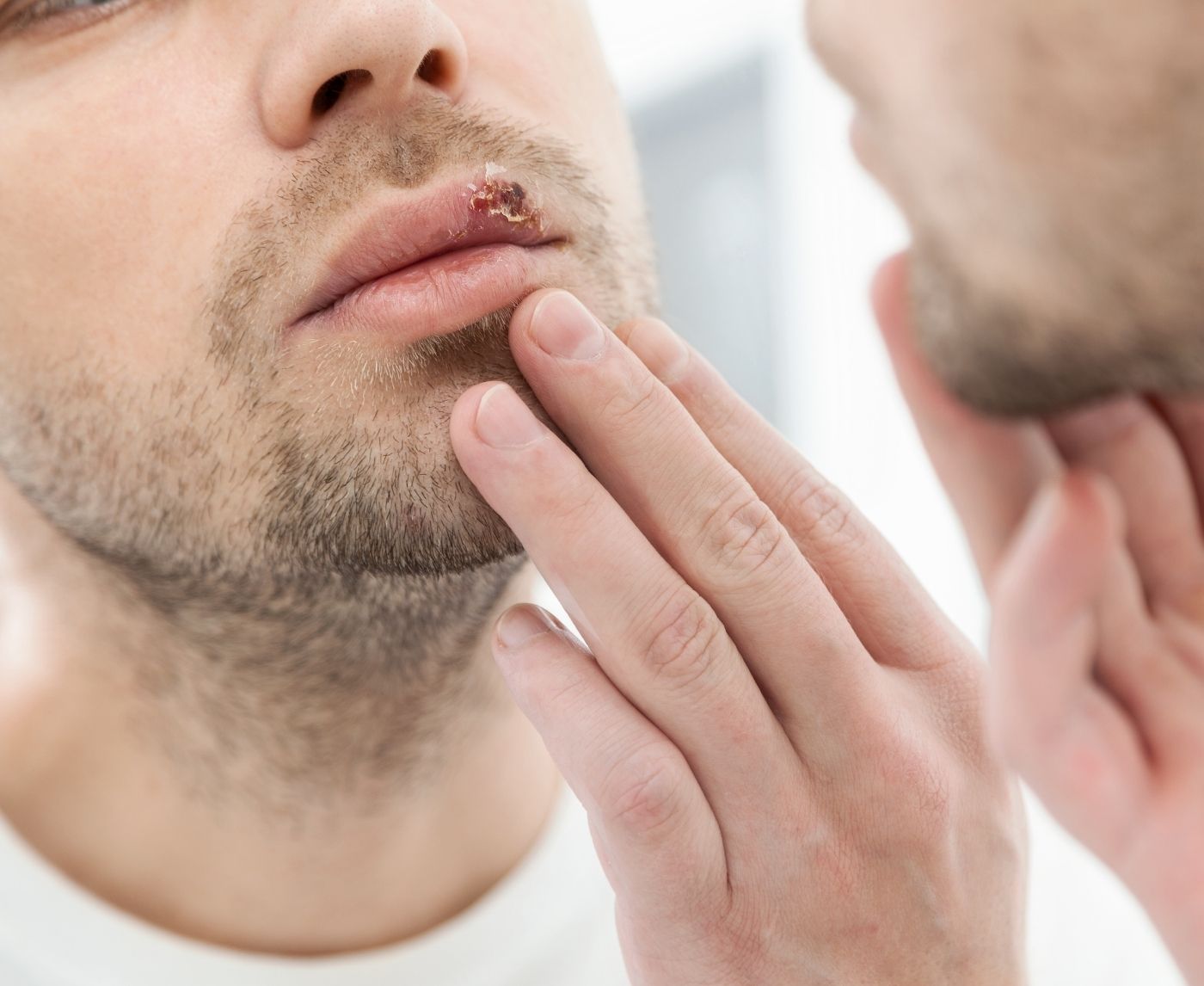

Quick Answer: A cold sore is herpes, usually caused by HSV-1. But not every lip sore is a cold sore. Some are pimples, allergic reactions, or signs of other STDs. If your sore is new, painful, or persistent, get tested to be sure.
When “Just a Cold Sore” Is Actually Herpes
Here’s the truth most people don’t realize: cold sores are herpes. Specifically, they’re caused by the herpes simplex virus, type 1 (HSV-1). This virus lives in your body for life, hiding in nerve cells and flaring up when triggered.
But just because something’s on your lip doesn’t make it a cold sore. Other conditions, including impetigo, allergic reactions, canker sores, and even syphilis, can mimic a cold sore’s appearance. The only way to know for sure? Testing.
People are also reading: How Accurate Are Home STD Tests? A Doctor Breaks It Down
What a Cold Sore Typically Looks Like
A classic cold sore goes through five stages:
- Tingling: A tight, itchy, or burning sensation appears on or near the lip.
- Blistering: Small fluid-filled blisters cluster together.
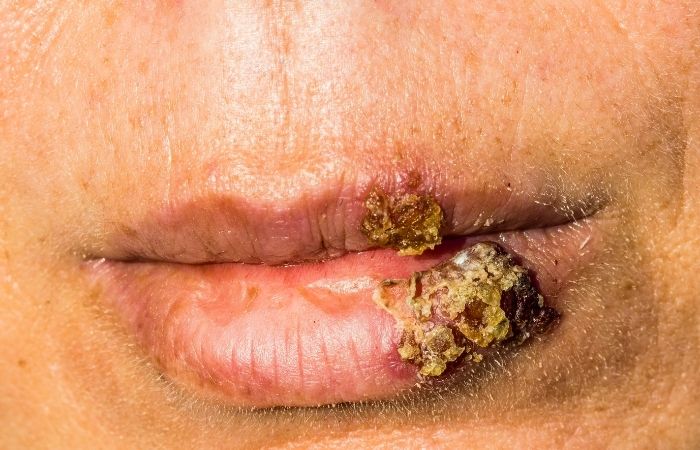
- Oozing: Blisters rupture and leak fluid (this is the most contagious stage).
- Crusting: The sore scabs over and begins healing.
- Healing: The scab flakes off within 7–14 days.
Cold sores usually appear around the edges of the lips or nostrils, but they can also show up inside the mouth, on the tongue, gums, chin, or even genitals if transmitted via oral sex.
But It Doesn’t Look Like a Cold Sore…
Sometimes, what seems like a cold sore doesn’t behave like one. Here’s when to be suspicious:
- It's not healing after 2 weeks
- It's inside your mouth (herpes gingivostomatitis or HSV-1 spread)
- It came with a fever, body aches, or swollen lymph nodes
- You’ve never had one before and recently had oral sex
- It’s extremely painful or spreading rapidly
These could point to your first herpes outbreak, or even to something else entirely, like syphilis or an allergic reaction. Either way, this is your body’s way of saying: test now, don’t guess later.
Check Your STD Status in Minutes
Test at Home with RemediumOral Herpes Test Kit

 For Men & Women
 Results in Minutes
 No Lab Needed
 Private & Discreet
Order Now $33.99 $49.00
Case Study: “I Thought It Was Just a Cold Sore, Until It Wasn’t”
Ty, 24, had dealt with cold sores since college. But one day, after a new partner and a few long nights out, a sore appeared inside his mouth, on his tongue. It felt different. It hurt more. It didn’t go away.
“It didn’t look like my usual cold sore. It was inside my mouth, not on my lip. I ignored it for a week until I couldn’t eat without pain. Turns out, I’d caught oral gonorrhea. No one tells you STDs can look like this.”
Ty’s story isn’t rare. From oral gonorrhea to syphilitic chancres, STDs can and do masquerade as innocent sores. The only way to know? Get it swabbed.
Cold Sore or Something Worse? How to Tell
The line between a harmless cold sore and a sign of something more serious isn’t always obvious. Here’s how to compare:
- Cold Sore (HSV-1): Tingling, clusters of small blisters, heals in 7–14 days, often recurs in same spot
- Oral Gonorrhea: Red or white lesions, sore throat, swollen tonsils, persistent pain, no blisters
- Syphilis (oral chancre): Painless round sore, doesn’t hurt but lasts longer, usually single lesion
- Impetigo (bacterial): Honey-colored crust, usually in children, spreads rapidly, no tingling
If your sore breaks the mold, if it’s inside your mouth, lasts more than 2 weeks, spreads, or comes with systemic symptoms like fever or body aches, it’s time to rule out STDs.
The Kissing Confusion: How Did I Even Get This?
Cold sores are incredibly contagious, even when you don’t see a sore. They can spread through:
- Kissing (even quick pecks)
- Oral sex (giving or receiving)
- Sharing drinks, utensils, or lip balm
That’s why it’s possible to get oral herpes from someone who swears they’re “clean.” They may have no idea they carry HSV-1, especially since many people contract it as kids, with no symptoms for years.
About 50–80% of adults have HSV-1, even if they’ve never had a visible sore. So if this is your first outbreak, know this: it doesn’t mean you’re dirty. It doesn’t mean your partner cheated. It means you’re human, and you deserve answers.
The Emotional Side: Shame, Silence, and Stigma
“Is it herpes?” That question still carries weight, and unnecessary shame. Most people don’t realize that cold sores = herpes. We’ve just rebranded them because the word sounds scarier than the reality.
But ignoring symptoms out of fear leads to delayed diagnosis, accidental transmission, and way more anxiety than is necessary. That’s why taking a test is an act of self-respect, not panic. You’re allowed to want answers. You’re allowed to ask questions. You’re allowed to be scared, and still take action.

People are also reading: Chlamydia in the Mouth: Yes, It’s Real, Here’s What It Feels Like
Testing 101: What to Do If You’re Not Sure
If you’re staring at a sore wondering if it’s herpes, or something else, the next step is simple: test it. Swab tests can detect the herpes virus or rule out bacterial infections like gonorrhea or syphilis. Here’s how:
- Viral swab: Best done in the first 72 hours after a sore appears; can confirm HSV-1 or HSV-2
- STD panel: Blood and swab combo tests that screen for multiple infections, including syphilis and gonorrhea
- At-home test kits: Convenient, private, and surprisingly accurate when used early
If you're not ready to visit a clinic, you can order a Combo STD Test Kit that includes herpes and bacterial STI detection. It’s fast, discreet, and takes the guesswork out of what’s on your face.
Recurring Cold Sores: Should You Be Worried?
Recurring cold sores aren’t usually a sign of something worse, but they do mean HSV-1 is active in your body. If you get sores frequently (more than 4–6 times a year), it’s worth talking to a doctor about suppressive antiviral therapy like acyclovir or valacyclovir.
Triggers that can reactivate the virus include:
- Stress
- Sun exposure
- Illness or fever (“fever blisters”)
- Dental work or lip trauma
While there’s no cure for herpes, managing outbreaks is completely possible. The goal isn’t to erase the virus, it’s to control symptoms and prevent spread. And yes, you can still kiss, have sex, and live a full life.
Why Some Sores Just Won’t Heal
If a sore sticks around longer than two weeks, or gets worse, that’s not normal. It could mean:
- The sore was misdiagnosed (not herpes)
- You have a co-infection (e.g., syphilis or bacterial STI)
- Your immune system is compromised (e.g., from HIV or medications)
This is especially important if you’re living with a condition that weakens immunity. Cold sores can become larger, deeper, and more painful in immunocompromised people. If that’s you, see a provider ASAP or consider a home STI screening with symptom guidance.
When It’s More Than Just a Skin Issue
In rare cases, herpes isn’t just a nuisance, it can cause more serious complications. These include:
- Herpetic keratitis: Infection of the eye that can cause blindness if untreated
- Herpetic whitlow: Painful finger infection often seen in healthcare workers or through autoinoculation
- Herpes encephalitis: Extremely rare but severe brain infection from HSV
These conditions aren’t common, but they’re a reminder: cold sores aren’t always harmless. If you notice sores in unusual places, or have neurological symptoms like confusion, fever, or light sensitivity, don’t wait.
You Deserve Answers, Not Assumptions
There’s no shame in being confused about a sore on your mouth. Whether it’s your first time or your fifth, cold sores come with more emotional baggage than they should. But knowing what you're dealing with doesn’t just protect your partners; it protects your peace of mind.
If something feels off, get it tested. It’s not about being paranoid, it’s about being informed. And if it’s herpes? You’re still worthy of love, sex, and softness. Cold sores might stick around, but so will the facts, and the tools to manage them.
Check Your STD Status in Minutes
Test at Home with Remedium10-in-1 STD Test Kit
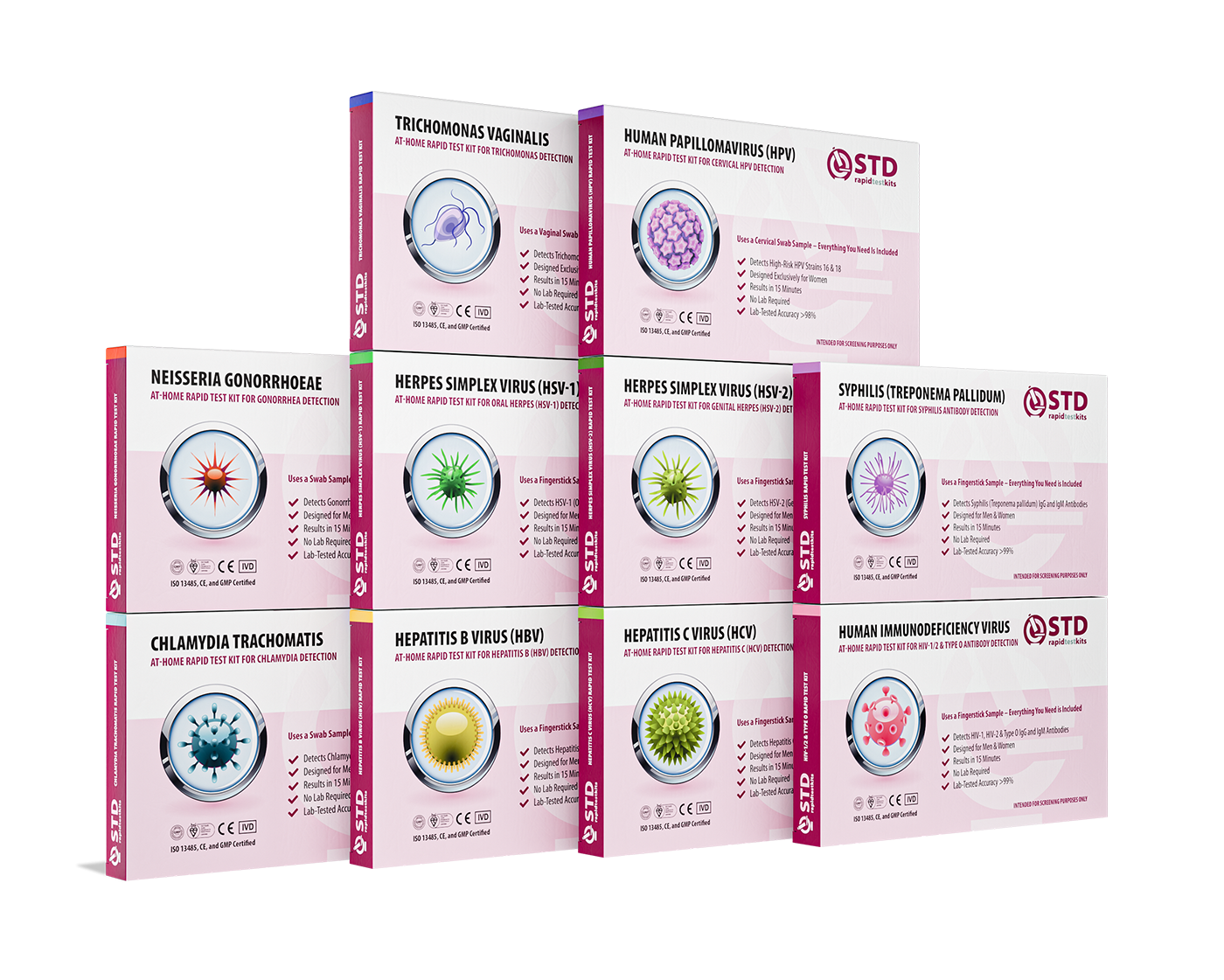
 For WomenResults in MinutesNo Lab NeededPrivate & Discreet
Order Now $189.00 $490.00
For all 10 tests
When a Cold Sore Is Something More Serious
Most mouth sores are harmless, but sometimes what looks like a cold sore could actually be an early sign of something more serious, like a syphilis chancre or another condition. Knowing the differences helps you decide when to get tested.
- Cold sore (HSV‑1): Usually painful clusters of blisters on or around the lips, sometimes triggered by stress or sun. They erupt, ooze fluid, crust over, and heal within 7–10 days
- Syphilis chancre: A single, typically painless ulcer that can appear on the lips or inside the mouth; it's firm and deep, unlike the superficial blisters of herpes
- Canker sore: A non-contagious mouth lesion inside the lip or cheek. Round, soft, painful, with a white-gray center and red border, unlike cold sores, they don’t crust or ooze
If you notice a mouth sore that’s painless, firm, and lingers beyond 2–3 weeks without the typical blister-crust-heal cycle, you should get a syphilis test. These chancres often go unnoticed and untreated, but early detection is key to preventing later-stage complications.
When in doubt, ask your provider for both a herpes swab and syphilis testing. Mouth sores can look alike, but their causes, and treatments, are very different.
FAQs
1. Is a cold sore the same as herpes?
Yes. Cold sores are caused by herpes simplex virus type 1 (HSV-1), which is a form of herpes.
2. Can you get a cold sore from kissing?
Absolutely. HSV-1 spreads through saliva, even when no sore is visible.
3. How long does a cold sore take to heal?
Typically 7–14 days. If it lasts longer, you should get it checked out.
4. Can syphilis look like a cold sore?
Yes. A syphilis chancre on the lip can mimic a cold sore but is usually painless.
5. Is it herpes if it’s inside my mouth?
It could be. HSV-1 can affect the tongue, gums, and inner cheeks, especially during a first outbreak.
6. What’s the difference between HSV-1 and HSV-2?
HSV-1 usually causes oral herpes; HSV-2 typically affects the genitals, but both can appear in either location.
7. Should I tell my partner I get cold sores?
Yes. It’s part of informed consent. You can still have a healthy sex life with precautions.
8. Can you get herpes from someone without symptoms?
Yes. HSV-1 can shed even when there’s no visible sore, especially in the early days of a new infection.
9. Are at-home tests accurate?
Yes, especially when used during the active stage of symptoms. Choose FDA-approved kits from reputable sources.
10. Do I need to get tested every time I get a cold sore?
Not if you already know you have HSV-1. But if it looks different, lasts longer, or you have new partners, testing is smart.
Sources
1. Mayo Clinic – Cold Sore Overview
3. StatPearls – HSV-1 Clinical Overview
4. Canker Sore vs. Cold Sore: How to Tell the Difference – Medical News Today
5. Fever Blisters & Canker Sores: Causes, Symptoms & Treatment – NIH/NIDCR
6. Canker Sore vs. Cancer: Identifying and Treating Oral Ulcers – Verywell Health


