Sexually transmitted diseases, or STDs, are infections that can be spread by having unprotected vaginal, anal, or oral sex with an infected partner. Anybody, regardless of age or gender, can get or pass on an STD. For everyone, the symptoms of STDs vary and can take some time to appear. In some instances, no symptoms at all may appear in young people or adults. It is sometimes difficult to determine whether or not you have contracted an STD, and the only surefire way to do so is to be tested. Recommendations for testing vary slightly depending on the individual's social grouping. Men who have sex with other men are at a higher risk than heterosexual men and should be tested more regularly. Risk factors also include having multiple sexual partners or not being in a monogamous relationship. One of the groups needing special care in consideration of the issues of STDs is pregnant women.
30 September 2024
5 min read
955
What are STDs and Their Consequences?
Infectious diseases that you can get when you have unprotected sex are called sexually transmitted diseases. These infections may be caused by viruses, bacteria, or parasites. If these diseases are not treated, serious complications can result. The diseases require timely treatment, especially when one is pregnant. This is because being infected with an STD during pregnancy has dire consequences for the mother and the unborn child.
There are many types of STDs. They include herpes, HIV/AIDS, genital warts, hepatitis B, chlamydia, syphilis, gonorrhea, and trichomoniasis. Some of the most common signs and symptoms that may indicate you have an STD include the following:
Discharge from your vagina or penis
Pain or a burning feeling when you urinate
Skin rash
Sores or bumps on your genitals
Fever
Yellowish skin called jaundice
Bleeding from the vagina, and this is not your usual menstrual cycle
Painful sex
Itching on the genitals
Can You Get STDs During Pregnancy?
You can get an STD any time you're sexually active, even during pregnancy. Pregnancy does not protect you from STDs. What's more, many STDs don't show symptoms right away or at all. This can make it hard to know you have an infection. Some STDs, such as chlamydia, can be very harmful to your baby even though they're usually easy to treat. For this reason, testing is part of the process before and during pregnancy. In case you happen to test positive, it would be advisable for your partner to get tested too.
STD Testing During Pregnancy: To Do or Not?
It is very necessary to get tested for STDs before and during pregnancy if you are sexually active or have unprotected sex. If left untreated, an STD can cause serious problems for you and your baby. All pregnant women are often tested for HIV, hepatitis B, chlamydia, and syphilis during the first prenatal visit. Your doctor may also suggest testing for gonorrhea and hepatitis C at least once during your pregnancy.
STDs can harm your baby in many ways. How serious the effects are depends on the timing of the infection. For example, a baby is most likely to get hepatitis B from its mother if she becomes infected just before delivery. A baby may also get HIV from its mother during pregnancy, childbirth, or through breastfeeding. If diagnosed early though, these infections can be prevented.
Chlamydia causes the birth of the baby to come early or at low birth weight. It can also make the water break too early in the mother. Generally, chlamydia is usually treatable with the assistance of antibiotics during pregnancy.
If left untreated, syphilis may lead to life-threatening complications for both mother and the infant. In general, most of the STDs increase the risk of early birth, low birth weight, and breaking of early water.
Some of the more common birth defects in babies born to mothers with STDs include the following:
Infection of the eyes and/or blood,
Pneumonia.
Brain or liver damage.
A lifetime of hearing or vision loss.
STD's and Pregnancy
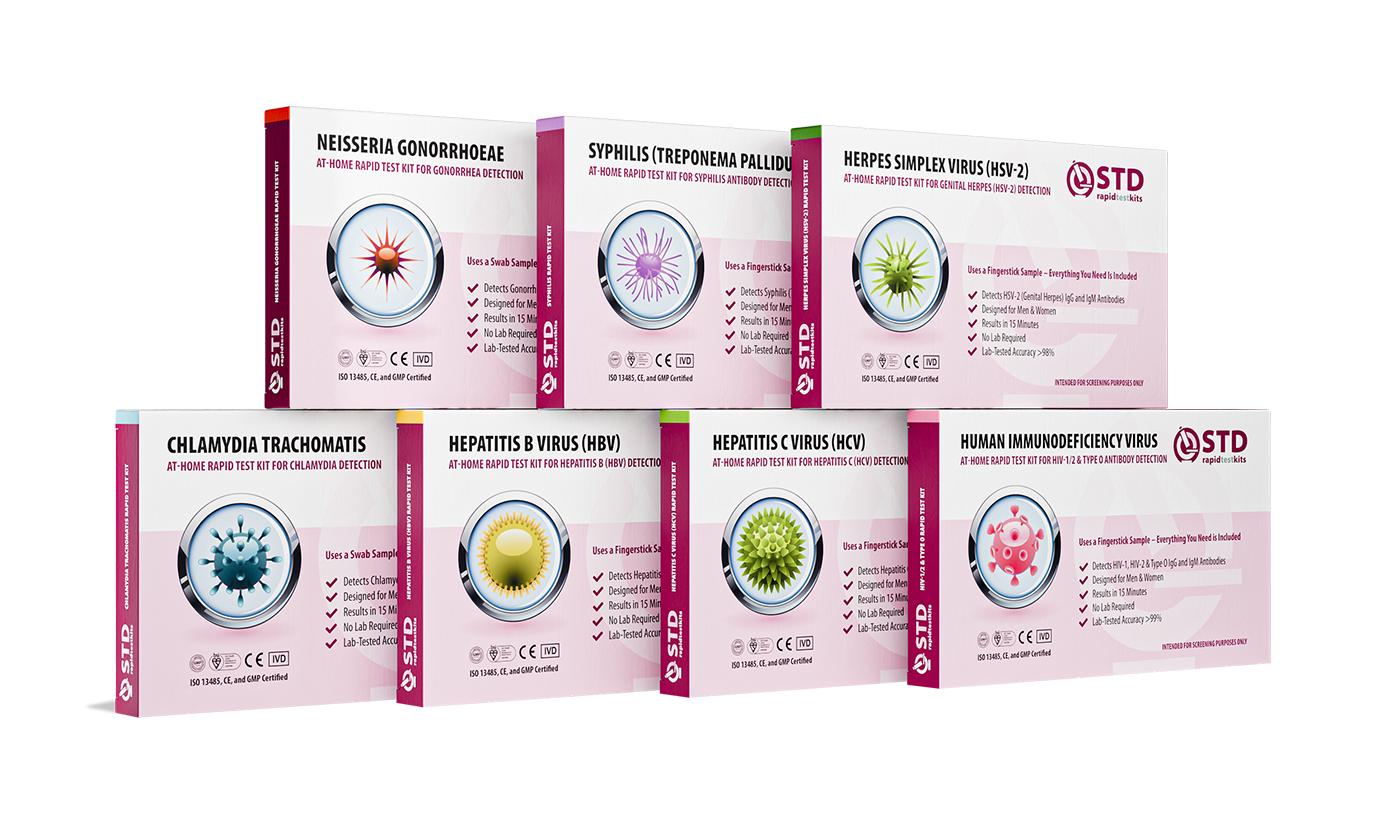
Bacterial STDs like chlamydia, gonorrhea, or syphilis have treatment options with the use of antibiotics. These are best used when the treatment has started as early as possible. In regard to viral STDs, such as hepatitis B or C and also HIV, though these are not curable, doctors will try with measures for preventing the baby from infection. This can be achieved through early interventions and antiviral medication. The mode of delivery also helps prevent infection. For example, a woman with HIV may have to use a C-section. If you are considering becoming pregnant or are pregnant, you need to get yourself tested for STDs, which you can do using a home STD rapid kit test.
Getting Tested for STDs During Pregnancy
In the case of pregnancy, or even planning for a baby, one can take a regular STD rapid kit test for testing. The test will be the same whether someone is pregnant or not. Just follow the instructions on the kit, and one shall get the results in under twenty minutes.
Prevention of STDs in Pregnancy
There are some ways to lower your chances of getting an STD when you are pregnant. Abstinence, or not having sex, is the best way. But if you choose to be sexually active during your pregnancy, your partner must be uninfected and have sex only with you. If you have a new partner during your pregnancy, you and your partner should get tested for STDs and avoid having sex until you know for sure that neither one of you has an infection. If you have oral sex, use protection, such as a condom. Always use a fresh condom for vaginal, oral, or anal sex. Latex condoms or dental dams should not be used with oil-based lubricants. Take these precautions to lower the chance that you will get an STD while you are pregnant.








 For Men & Women
 Results in Minutes
 No Lab Needed
 Private & Discreet


