Syphilis is an infection that is transmitted through sexual intercourse, characterized by a bacterium known as Treponema pallidum. Individuals in all age brackets are at risk, though it more commonly affects people who have unprotected sex or engage in other unsafe sexual behaviors. Syphilis is a genital ulcerative disease and, if not treated, has four stages that may bring lethal outcomes. Testing is specifically recommended among the most at-risk groups, including MSM, sex workers, pregnant women, people living with HIV, and those whose sexual partners have syphilis. Congenital syphilis, transmitted from mother to child, also is an issue. Meanwhile, researchers emphasize the need for arresting the transmission of syphilis and the use of safe sex.
06 October 2024
4 min read
4983
Syphilis Overview
Syphilis is an infection that is transmitted through sexual intercourse, characterized by a bacterium known as Treponema pallidum. Individuals in all age brackets are at risk, though it more commonly affects people who have unprotected sex or engage in other unsafe sexual behaviors. Syphilis is a genital ulcerative disease and, if not treated, has four stages that may bring lethal outcomes. Testing is specifically recommended among the most at-risk groups, including MSM, sex workers, pregnant women, people living with HIV, and those whose sexual partners have syphilis. Congenital syphilis, transmitted from mother to child, also is an issue. Meanwhile, researchers emphasize the need for arresting the transmission of syphilis and the use of safe sex.
Stages of Syphilis
Syphilis is thus staged depending on the areas it affects in the four ways below:
Primary Stage:
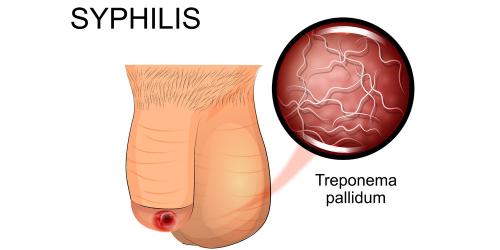
The first stage is characterized by a painless small, rounded sore called a chancre. The site of this sore is usually at the place where the bacteria invaded the body, which is the area between the anus and the genitals or in the mouth and rectum.
Secondary Stage:
This is the stage when the syphilis infection progresses, if left untreated, because of an appearing rash, sometimes in the skin, mouth, genitals, or anus. Other general signs and symptoms may appear.
Latent Stage:
The latent stage is where the person infected has no symptoms visibly of the infection on the body.
Tertiary Stage:
This stage may occur anytime ten to thirty years after the infection has taken hold and could be life-threatening due to one of the outcomes, neurosyphilis.
When Does the Syphilis Rash Appear?
The rash of syphilis usually appears during its secondary stage, when the primary sore has disappeared. It generally begins within three weeks after the initial sexual exposure that infected the individual. This type of rash includes firm, round sores and is painless. It thus does not itch. The rash mostly begins on the upper trunk and eventually covers the whole body, including even the palms and soles, where the brown or red spots appear. Other nonspecific manifestations at this stage include fever and other signs of a constitutional illness.
What Does a Syphilis Rash Look Like?
A rash of syphilis consists of colored, nonitching patches known as macules, typically brown or red. While the rash can start from the trunk, it can spread all over. The common manifestations of secondary syphilis are manifested as follows:
Skin lesions (90%)
Mucous oral lesions (35%)
Genital lesions (20%)
Constitutional symptoms include fatigue, malaise, and fever, which occur in about 70% of patients
There is also a more virulent variant of secondary syphilis. Malignant syphilis is rapidly progressive, with ulceration and thick crusts overlaying the rash. Patients can also present with toxemia and hepatitis.
What Else Could It Be?
Because its clinical course is so variable, secondary syphilis can present in many ways and often can be mistaken for other dermatologic conditions. Some of the more common differential diagnoses are reviewed below:
Pityriasis Rosea:
This condition presents with an oval patch on the trunk or back called the herald patch and will then spread. One important differentiating symptom is that pityriasis rosea is itchy.
Viral Exanthem:
The viral infections that can cause this rash are adenovirus, enterovirus, and measles. Viral exanthema is contagious; therefore, infected people need to isolate themselves from others. Generalized fatigue, fever, and sore throat occur commonly.
What To Do If You Have This Kind Of Rash?
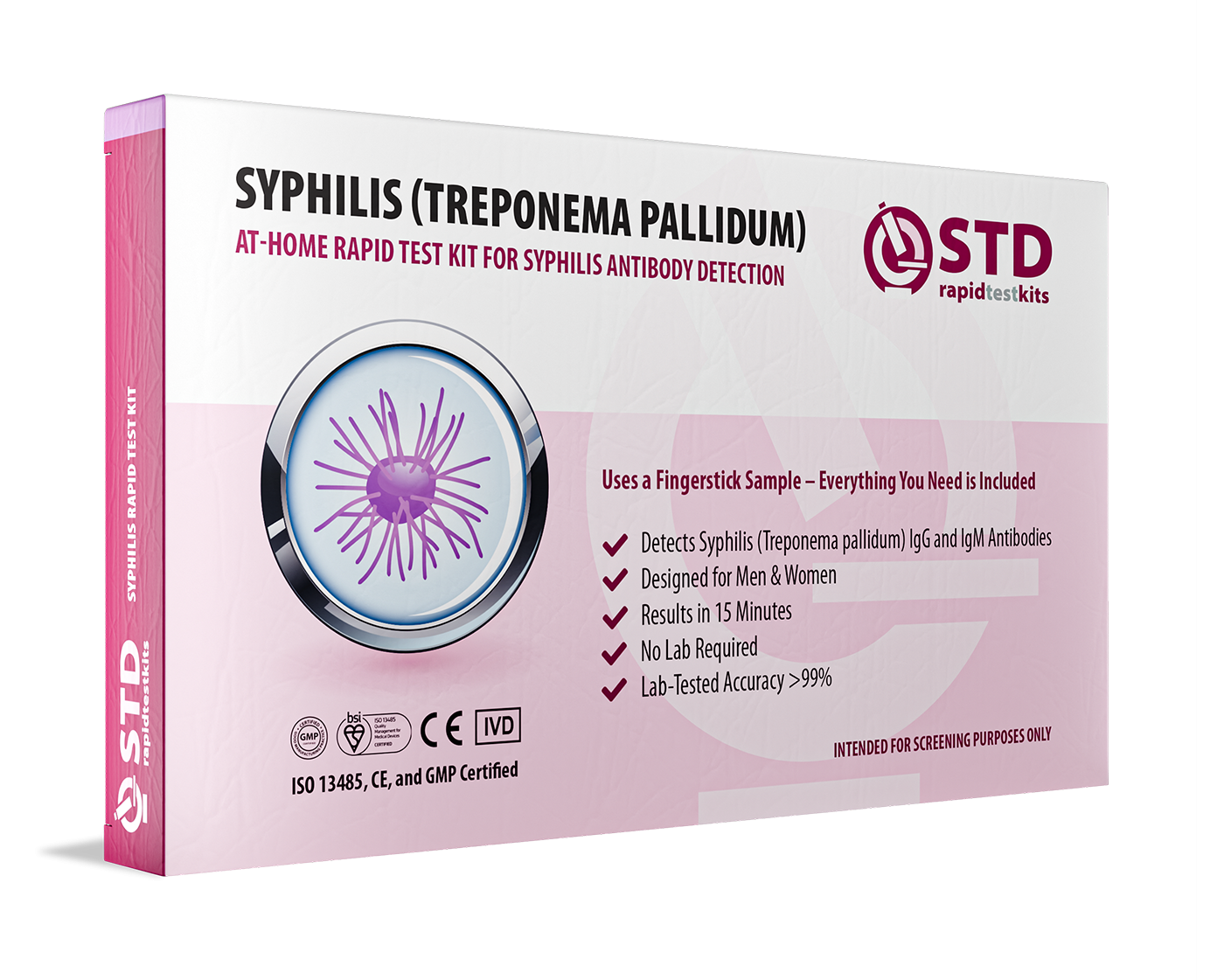
If you experience any of the symptoms of syphilis, it is important that you get tested immediately. Syphilis is one of those sicknesses that can "hide" as other diseases, making diagnosis quite complicated. You can get yourself tested for syphilis by using an STD test kit, which gives rather accurate results in twenty minutes. If your test result shows positive, treatment is required to be completed, after which testing again is required.
Yes, syphilis is treatable, especially in the early stages. A rash means you are in the second stage of syphilis, still treatable. If untreated, the disease progresses to the tertiary stage, which can result in organ failure and finally death. The syphilitic rash usually disappears of its own accord without treatment, but that does not mean the disease has been cured. Untreated syphilis will go to the latent stage and then on to the possibly lethal tertiary stage.
Practice safe sexual behaviors, including using protection during sex. Screening yourself regularly is an important preventive measure that will help avoid syphilis and its severe complications.







 For Men & Women
 Results in Minutes
 No Lab Needed
 Private & Discreet


