






When most people think of Hepatitis C, they imagine needles, IV drug use, or risky sex. And yes, those are high-risk transmission routes, but they’re not the only ones. In fact, many people who test positive for Hep C have no idea how they got it.
That’s because this virus can move quietly, through shared spaces, small cuts, and overlooked tools. It’s not about living a “high-risk lifestyle.” It’s about not knowing where the risks actually are.

People are also looking for: Is it safe to treat chlamydia while pregnant?
Why Hepatitis C Isn't Just a "Junkie Disease"
Let’s get one thing straight: the idea that Hepatitis C only affects people who use IV drugs is a myth. Yes, injection drug use is a major risk factor, but it’s not the only one, and it doesn’t make someone less deserving of care or empathy.
Here’s what we know: Hep C is a bloodborne virus. That means it spreads when infected blood enters someone else’s bloodstream. And blood exposure isn’t always dramatic or obvious.
Many people contracted Hep C from everyday situations, especially years or decades ago, when safety standards were looser and awareness was low.
- Fact: Before 1992, donated blood wasn’t screened for Hepatitis C.
- Risk: People born between 1945 and 1965 are at especially high risk, even without symptoms.
- Reminder: Hep C can be cured, but only if it’s caught.
How Long Can Hepatitis C Live Outside the Body?
Unlike some viruses that die quickly on surfaces, Hepatitis C is surprisingly durable. It can live outside the body for days or even weeks, especially in blood traces that aren’t visible to the naked eye.
A 2013 study published in the Journal of Infectious Diseases found that Hep C can survive on surfaces for up to 6 weeks at room temperature. That means dried blood on a razor or nail clipper could still carry risk long after it’s been used.
- Surfaces where HCV survives: Metal tools, bathroom counters, toothbrush bristles, tattoo guns
- High-risk environments: Group homes, prisons, barbershops, shared bathrooms
This doesn’t mean you should panic every time you enter a salon or share a sink. But it does mean cleaning, sterilizing, and not sharing personal tools should be non-negotiable.
Check Your STD Status in Minutes
Test at Home with RemediumHepatitis C Test Kit
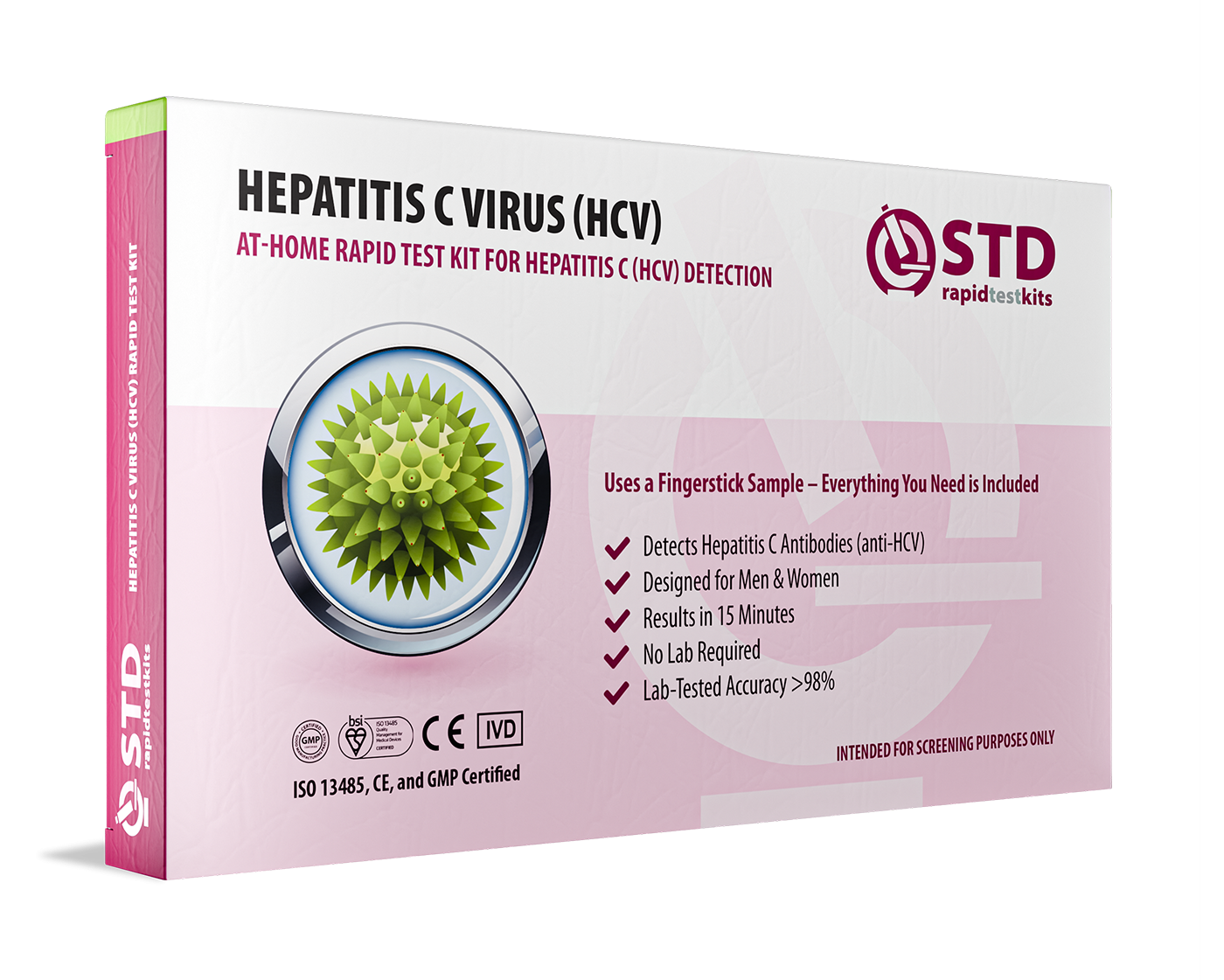
 For Men & Women
 Results in Minutes
 No Lab Needed
 Private & Discreet
Order Now $33.99 $49.00
High-Risk Household Items You Should Never Share
Living with roommates, partners, or family? You probably share a lot more than space, and in some cases, that means potential exposure to Hepatitis C.
Here are the most common culprits hiding in plain sight:
- Razors: Even microscopic blood traces can carry Hep C.
- Toothbrushes: Bleeding gums can leave behind viral particles.
- Nail clippers: If one person bleeds while trimming, the next person is at risk.
- Tweezers: Used for ingrown hairs or splinters, often involving tiny cuts.
Designate your own personal care tools and store them in separate containers. Clean thoroughly with disinfectant after each use, and don’t assume a quick rinse is enough.
And if someone in your household is Hep C–positive, this isn’t about fear, it’s about respect, hygiene, and mutual safety.
Salons, Barbershops, and Nail Studios: When Clean Isn't Clean Enough
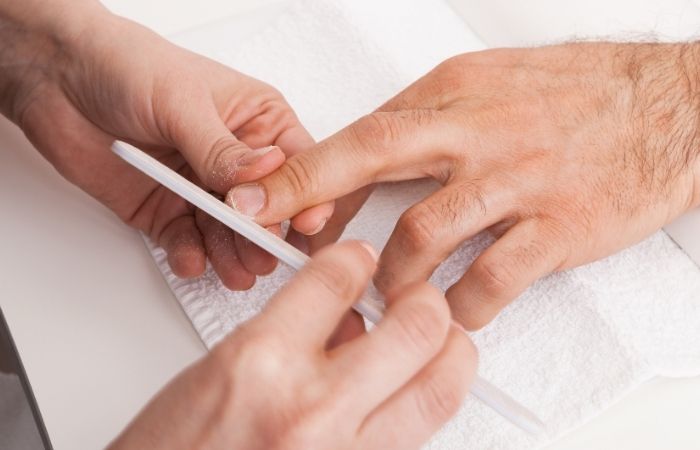
Manicures shouldn’t come with medical risks, but without proper sterilization, they can. Hepatitis C can spread via reused or improperly disinfected tools in nail salons, piercing studios, and barbershops.
This is especially true in places where regulations are inconsistent, or enforcement is lax. The danger isn’t dirt, it’s blood. Think cuticles, micro-cuts, or even knicks from clippers.
- Ask: Do they autoclave their tools between clients?
- Bring: Your own nail kit to reduce risk completely
- Avoid: Getting services if you have cuts, blisters, or fresh wounds
You deserve to feel pampered without the anxiety. Ask questions, and don’t let politeness override your safety.
People are also looking for: Is drug-resistant gonorrhea more painful?
Hepatitis C and Shared Living Spaces: What You Need to Know
From dorms to prisons to halfway houses, any group living environment can raise the risk of Hepatitis C, especially if shared grooming tools or first aid supplies are part of the equation.
Hep C doesn’t spread through kissing, hugging, sharing food, or using the same toilet. But if blood gets involved, even a trace, you’ve got a real risk.
Here’s where it gets tricky: In places where privacy and personal items are hard to protect, the risk isn’t always intentional. That’s why education and access to testing are key.
Can You Get Hepatitis C From Sex? It’s Complicated.
This part trips a lot of people up. Technically, Hepatitis C is not classified as an STD, but that doesn’t mean it can’t be sexually transmitted.
The risk of sexual transmission is low in monogamous, heterosexual relationships. But it goes up in certain situations:
- Anal sex: Higher risk due to tissue trauma and blood exposure
- Multiple partners: Increased chance of microtears or co-infections
- Co-infection with HIV: Makes Hep C transmission more efficient
- Men who have sex with men (MSM): Documented higher rates of sexual Hep C transmission
So yes, you can get Hep C from sex, but it depends on the context. Condoms, lube, and regular testing can significantly reduce your risk.
What Doesn’t Spread Hepatitis C?
Let’s cut through the panic. You cannot get Hep C from:
- Hugging or kissing
- Sharing food or drinks
- Coughing or sneezing
- Using the same toilet
- Casual contact like shaking hands
There is no evidence that Hepatitis C is airborne or spreads via saliva unless there’s blood present. The virus needs a bloodstream entry point. Without it, there’s no route for infection.
If someone in your life has Hep C, you don’t need to be afraid to touch them. You just need to be smart about shared items and potential blood contact.
Check Your STD Status in Minutes
Test at Home with Remedium8-in-1 STD Test Kit
 For Men & WomenResults in MinutesNo Lab NeededPrivate & Discreet
Order Now $149.00 $392.00
For all 8 tests
Should You Get Tested for Hepatitis C?
If you’ve ever:
- Shared razors, toothbrushes, or nail tools
- Gotten a tattoo or piercing at an unregulated shop
- Lived in group housing or been incarcerated
- Had unprotected sex with someone who has Hep C
- Were born between 1945 and 1965
Then yes, you should get tested.
Testing is quick, affordable, and available privately. Early detection matters because Hep C often causes no symptoms for years, but left untreated, it can damage your liver silently.
The Myth of “Clean” vs “Dirty” People
Let’s be brutally honest: A lot of stigma around Hep C comes down to outdated ideas about who’s “clean” and who’s “dirty.” These words show up in dating apps, doctor visits, and even our own inner dialogue.
But Hep C isn’t a moral failing. It’s a virus. You don’t have to be reckless to get it, you just have to be human in a world that doesn’t talk enough about blood safety.
“I got it from borrowing my sister’s razor when we were teenagers. I didn’t find out until my thirties. She doesn’t even know.” Anna, 34
Whether you got Hep C from a partner, a prison, or a pedicure, your story matters, and you deserve support, not shame.
What to Do If You Think You’ve Been Exposed
Step one is testing. Whether it was 20 years ago or two weeks ago, a simple Hep C test can give you clarity. No guesswork. No stigma.
- Home option: Hepatitis B + C Test Kit – discreet and affordable
- Clinic option: Ask for an HCV antibody test; if positive, confirm with RNA testing
If you test positive, treatment is not only possible, it’s highly effective. In most cases, a short course of antivirals can completely cure Hepatitis C.
Don’t wait until symptoms show up. Most people feel totally fine until liver damage has already started.
FAQs
1. Can you get Hepatitis C from a razor?
Yes. Even microscopic blood traces on razors can transmit the virus if they cut the next person’s skin.
2. Does Hepatitis C live on surfaces?
Yes. Hep C can survive on dry surfaces for days or even weeks, especially metal tools with dried blood.
3. Can you get Hep C from a nail salon?
It’s possible if tools aren’t properly sterilized. Bring your own kit or ensure salons use autoclaves between clients.
4. Can Hep C spread through saliva?
Not unless there’s blood involved. It’s not spread by kissing, sharing food, or casual contact.
5. How is Hepatitis C transmitted in households?
Mostly through shared grooming tools like razors or toothbrushes that may have blood on them.
6. Do you need to avoid touching someone with Hep C?
No. Casual contact like hugging or shaking hands does not spread the virus.
7. What if I was exposed years ago?
Hep C can remain in the body for decades. If you’re unsure of your past exposure, get tested now.
8. Is there a vaccine for Hepatitis C?
No. There is no vaccine yet for Hep C, unlike Hep A and Hep B.
9. Can you be cured of Hep C?
Yes. Most people can be cured with a short course of antiviral medication.
10. Where can I get tested discreetly?
At-home kits like the Hepatitis B + C Test Kit offer confidential results without clinic visits.
Make Sure. Get Tested.
Hepatitis C doesn’t just live in stereotypes. It lives in toothbrushes, razors, and old regrets, hidden behind everyday habits no one ever warned us about.
But here’s the truth: You don’t need to be scared to be safe. Once you know the facts, you can protect yourself and the people around you, without panic, without shame.
Getting tested is a brave move, not a scary one. You can do it privately with the Hepatitis B + C Test Kit, or through your provider. Either way, knowledge is power, and treatment is possible.
Your habits aren’t dirty. They’re just human. Now you’re one step smarter, and a whole lot safer.
References
2. Hepatitis C Fact Sheet – WHO (transmission including perinatal, global burden, prevention)
3. Epidemiology of Acute Hepatitis C – PMC (rising incidence among reproductive-age women globally)
5. Hepatitis C in Pregnancy – Oxford Academic (perinatal transmission rates and maternal outcomes)


