







Can You Have an Anal STD With No Symptoms?
The Role of Normal Penile Discharge
The normal functions of penile discharge are for the protection and lubrication of the penis. This is usually comprised of pre-ejaculate, ejaculate, and a substance known as smegma.
Pre-Ejaculate Fluid
Stimulated through sexual arousal and stimulation, pre-ejaculate fluid is secreted by the Cowper's glands that are located underneath the prostate. In structure, this is a thick and alkaline fluid. It functions as a lubricant in easing semen's passage from the ejaculatory ducts through the urethra. In addition, pre-ejaculate makes vaginal entry smoother through lubricating the head of the penis. Being alkaline in nature, it neutralizes the acidity of the urethra and the vagina to allow transport of sperm.
Although the pre-ejaculate and the ejaculate come from different structures, some men's pre-ejaculate has been found to contain traces of semen, which would indicate that sperm contamination may occur. Exactly when this happens is not known, with various theories existing that range from the contamination happening shortly after a previous ejaculation to leftover sperm from an earlier ejaculation being the culprit.
Ejaculate or Semen
Semen, or ejaculate, is the fluid that is typically released from the body during sexual intercourse and male orgasm. Like pre-ejaculate, this cloudy, milky fluid moves through the urethra and leaves the body. The built-up energy from orgasm propels it through the urethra to the tip of the penis.
The sperm, produced by visible glands called the testes, which are located under the penis, travel out of the penis during orgasm and first go to the epididymis and then the vas deferens where they mature. Sperm, however, makes up only about 1-5% of the semen; the rest of the semen is made up of secretions from the bulbourethral glands and prostate mixed with seminal fluid.
Smegma
Smegma, more correctly termed a penile accumulation and not, strictly speaking, a discharge, is made up of dead skin cells and moisture collected around the head of the penis. It has a repulsive odor but it serves as a lubricant between the foreskin and the head of the penis. When smegma builds up, it attracts bacteria; hence, it is recommended to wash off smegma daily, with water if possible.
Recognizing Penile Discharge that Should be a Cause for Alarm
Discharge from the penis without sexual arousal may indicate an underlying medical disorder. We will categorize abnormal penile discharge as STD-related and non-STD-related causes, covering disorders such as UTIs, balanitis, urethritis, and trichomoniasis.
Urinary Tract Infections
UTI's are one of the most common bacterial infections. The infections occur more in women compared to men. However, when men contract a UTI, they may be more likely to develop penile discharge along with other symptoms. The course of UTIs usually starts from an infection of the lower urinary tract system, which then proceeds upwards to involve the bladder, ureters, and kidneys in a progressive fashion. Usually, bacteria originate from the skin or the rectum. UTIs may make the urine cloudy with pus or pink or red as a result of blood cells. Other symptoms involve pain, a burning feeling when urinating, increasing frequency of urination, and systemic symptoms like nausea and vomiting during severe cases.
Balanitis
Balanitis is the inflammation of the skin that folds over the head of the penis. This may be associated with poor hygiene, allergic reactions, and secondary infections associated with STD, bacterial infection, or a skin reaction like psoriasis or eczema. Symptoms appear as a red, swollen head of the penis, along with a thick, yellowish or white discharge that is repulsively odorous. Irritation, itching sensation, and a burning effect when passing urine are also felt.
Urethritis
Urethritis is the inflammation of the urethra and may be infectious or non-infectious. Caused by an STI, associated penile discharge may appear cloudy or white. The most common STI responsible is gonorrhea, although the infection may be due to viruses, such as Herpes Simplex Virus and Epstein-Barr virus.
Trichomoniasis
Trichomoniasis is an infection caused by the parasite Trichomonas vaginalis. Symptoms manifest as a thin, white penile discharge. Only about 30% of patients become symptomatic. These may include frequent urination, painful ejaculation, a burning sensation during urination, and inflammation of the skin and foreskin covering the penile head.
STD-Related Penile Discharge
Sexually transmitted infections are those infections that generally affect our genital organs and are passed from one person to another through unprotected anal, vaginal, or oral sex. These infections usually remain asymptomatic in men. However, if left untreated, this infection can cause a lot of troubling signs and might prove fatal as well. Among the bacterial sexually transmitted infections that lead to penile discharge, the infections caused by Chlamydia and gonorrhea rank at the top.
Chlamydia
Chlamydia is the most commonly reported STD in the United States, and it is caused by a bacterial infection transmitted through unprotected sex. For men, symptoms of chlamydia include the genital area or, in some cases, the mouth. Discharge from the penis caused by chlamydia is white, cloudy, or watery. Painful or burning urination and testicular pain may also arise with discharge.
Check Your STD Status in Minutes
Test at Home with RemediumChlamydia Test Kit

Claim Your Kit Today
Save 31%
 For Men & Women
 Results in Minutes
 No Lab Needed
 Private & Discreet
Order Now $33.99 $49.00
Gonorrhea
Gonorrhea is another prevalent cause of penile discharge that commonly occurs among young adults. Like chlamydia, the penile discharge brought about by gonorrhea may be white, yellow, or green. Other symptoms include inflammation of the head of the penis, swelling of one testicle, and irritation while urinating.
Check Your STD Status in Minutes
Test at Home with RemediumGonorrhea Test Kit
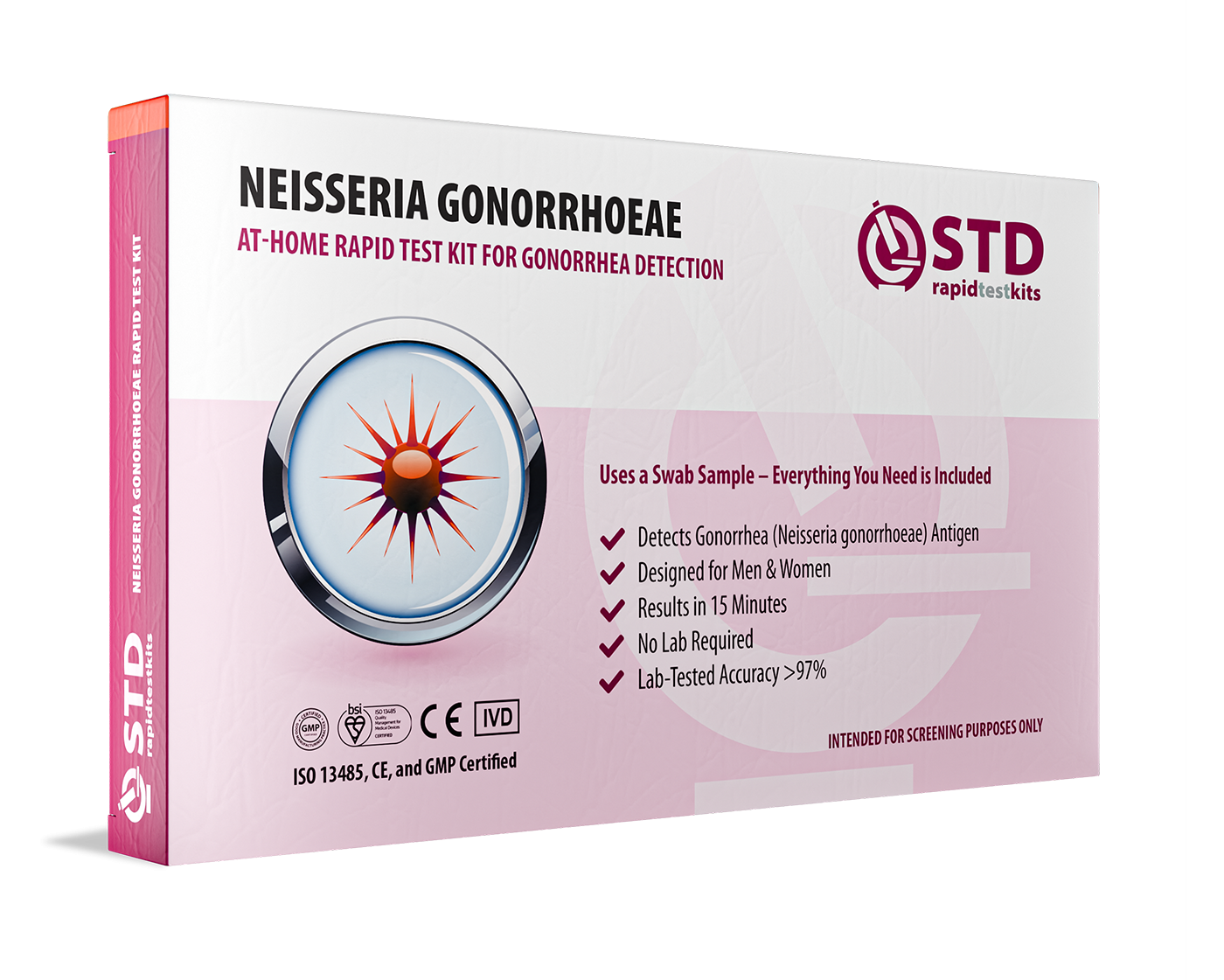
Claim Your Kit Today
Save 31%
For Men & WomenResults in MinutesNo Lab NeededPrivate & DiscreetOrder Now $33.99 $49.00
What To Do If You Notice Abnormal Penile Discharge
Any man who develops penile discharge, which is outside the normal types of penile secretions like pre-ejaculate, ejaculate, or smegma, should seek medical evaluation. If the patient has had recent unprotected sexual exposure, then testing for sexually transmitted diseases is warranted. This can be performed in the comfort of the patient's own home by using an STD rapid kit test. After the possibility of an STI has been ruled out, your healthcare provider will be much better positioned to make a differential diagnosis and advise further treatment if necessary.
References
-
"Penile Discharge" - Harvard Health Publishing, Harvard Medical School. Link
-
"Urethritis" - Mayo Clinic. Link
-
"Balanitis" - National Health Service (UK). Link
-
"Urinary Tract Infections in Males" - MedlinePlus, U.S. National Library of Medicine. Link
-
"Trichomoniasis - CDC Fact Sheet" - Centers for Disease Control and Prevention. Link
-
"Gonorrhea - CDC Fact Sheet" - Centers for Disease Control and Prevention. Link
-
"Chlamydia - CDC Fact Sheet" - Centers for Disease Control and Prevention. Link


