







The February 2025 Study That Changed Everything
In February 2025, researchers from Dartmouth and the University of Kansas dropped a quiet bomb in PLOS Pathogens: in a controlled mouse study, even small, symptom-free HSV exposures in neonates resulted in chronic brain infection and long-term learning problems. “These mice weren’t able to learn as well,” said virologist Dr. David Leib.
“It’s a slightly scary concept, that even a mild or undetectable infection early in life can lead to major consequences later on.”
Even more striking? The study found that a maternal vaccine given before birth protected the baby mice from neurological harm, even when exposed to the virus. The takeaway: prevention may be the only real defense.
While this research was in mice, it echoes what pediatricians have long suspected: neonatal herpes might do more damage than we can see, and it doesn’t always come with obvious symptoms.
People are also looking for:
What Does Neonatal Herpes Look Like in Real Life?
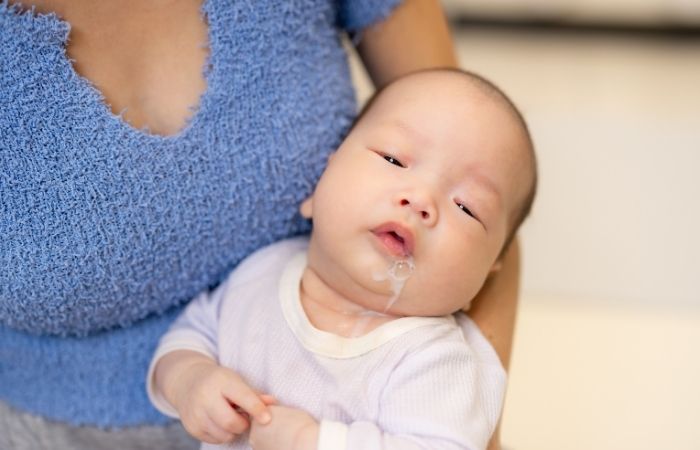
Neonatal herpes affects around 14,000 infants globally every year, often in the first few weeks of life. But it doesn’t always scream “emergency.” Many cases start subtle, maybe a few blisters, some fussiness, or a vague fever.
There are three types:
- SEM (Skin, Eye, Mouth): Vesicles near the lips, scalp, or eyes. Often misdiagnosed as a bug bite or rash.
- CNS (Central Nervous System): Seizures, tremors, lethargy, or a bulging fontanelle.
- Disseminated: Affects organs like liver or lungs, can look like sepsis or jaundice.
For a deeper dive into what herpes symptoms can look like in different body parts, check out our guide on Herpes Transmission.
Real case studies back this up. In one 2024 report, a newborn with mild limb tremors turned out to have extensive brain inflammation and liver damage, despite no initial fever or skin lesions. Their herpes diagnosis wasn’t made until day 5, after a seizure. In neonatal care, every hour counts.
The Problem with “Silent” Infections
Many parents assume no rash means no virus. But asymptomatic shedding is a known herpes trait, even in babies. That means a newborn could have been exposed during delivery or through contact, and still not show any signs for days or weeks.
In the 2025 mouse study, viral traces lingered in brain tissue long after the infection appeared cleared. When the mice grew up, they struggled with basic memory tasks. Their brains looked fine under the microscope, but their behavior said otherwise.
For parents, this raises urgent questions: Should we be testing more babies? Watching for subtler signs? And why aren’t all pregnant people offered herpes screening before birth?
Check Your STD Status in Minutes
Test at Home with RemediumGenital & Oral Herpes Test Kit
 For Men & Women
 Results in Minutes
 No Lab Needed
 Private & Discreet
Order Now $75.00 $98.00
For all 2 tests
How Neonatal Herpes Can Disrupt a Lifetime
Once herpes gets into the brain, the risks multiply. Even babies who survive neonatal HSV can face long-term consequences:
- Speech and language delays
- Learning disabilities and memory issues
- Behavioral problems like ADHD or impulse control
- Cerebral palsy or other motor disorders
A Stockholm study from 1989–2000 followed 14 children with neonatal CNS herpes. Most had normal early scans. But years later, over half had cognitive or developmental impairments. The virus didn’t leave scars, it rewired their potential.
We can’t see everything HSV does in the moment. That’s why long-term follow-up is crucial. And why early, proactive treatment is everything.
The Case for Testing and Early Treatment
Testing isn’t always offered. But maybe it should be. Here’s what current guidelines suggest:
- During pregnancy: Serology for HSV-1 and HSV-2, especially if no history is known.
- At delivery: C-section if visible lesions are present or if mom has primary HSV outbreak.
- After birth: Test baby if any HSV signs arise: lesions, seizures, lethargy, or unexplained fever.
Once herpes is suspected, acyclovir is started immediately. Time matters. And ongoing suppressive therapy might follow for six months or more to prevent relapses and reduce long-term damage.
The Long Shadow of Neonatal HSV
When HSV strikes a newborn, it’s not just a short-term crisis, it’s a lifelong pivot. Survivors of neonatal herpes often walk an invisible tightrope. Some may seem perfectly fine until school age, when learning delays or behavioral issues emerge. Others need early interventions just to walk or talk.
A meta-analysis from 2020 found that over 40% of children who survived neonatal HSV encephalitis developed long-term neurological impairments. These included cognitive deficits, speech delays, and even sensory processing disorders. And yet, many of these children had no obvious signs of infection at birth.
It’s not about blame, it’s about biology. HSV is a neurotropic virus. It hides in nerve cells and can create inflammation in delicate, developing tissue. The brain of a newborn is still forming connections. Herpes can quietly reroute them.
That’s why early diagnosis and ongoing developmental monitoring aren’t luxuries, they’re lifelines.
People are also reading: Think You’re Too Young for Herpes? Think Again.
Could a Vaccine Protect Future Babies?
This is where hope comes in. The same February 2025 study that revealed the danger of silent HSV also tested a potential solution: maternal vaccination.
When mother mice were vaccinated before pregnancy, their pups were almost completely protected from the long-term effects of neonatal HSV infection, even when exposed at birth. The antibodies passed through the placenta and milk, shielding the newborns in those first critical weeks.
While no such vaccine is yet approved for humans, this breakthrough adds weight to the HSV vaccine pipeline. Several human trials are underway, including some targeting maternal immunity.
Until then, the best defense is knowledge. If you’re pregnant, or planning to be, consider herpes screening as part of your prenatal checklist.
Real Talk: What Should Parents Watch For?
If you’re a new parent, or just preparing to become one, here’s what to keep an eye on during those early weeks of life:
- Any blister-like lesion: Especially near the mouth, eyes, or genitals.
- Unexplained fever or fussiness beyond normal colic levels.
- Lethargy, poor feeding, or jittery movements.
- Seizure-like activity or eye rolling.
If something feels off, ask for HSV testing. Most hospitals can do a blood test or PCR on spinal fluid. And don’t let anyone dismiss your instincts. Herpes doesn’t always scream, it whispers.
The Big Picture: A Virus That Doesn’t Care About Symptoms
Here’s the paradox of neonatal herpes: the most dangerous infections aren’t always the dramatic ones. A fever you catch might be your baby’s only chance. The real threat is the one you don’t see, the baby who acts fine until they suddenly aren’t.
That’s why researchers are pushing for broader screening, more preventive testing, and, eventually, vaccination. But until that future arrives, parents and providers have to rely on vigilance, testing, and fast antiviral intervention.
Check Your STD Status in Minutes
Test at Home with Remedium10-in-1 STD Test Kit
 For WomenResults in MinutesNo Lab NeededPrivate & Discreet
Order Now $189.00 $490.00
For all 10 tests
FAQs
1. Can a baby get herpes without visible symptoms?
Yes. Many neonatal herpes cases are “silent,” meaning there are no obvious signs at birth. The virus may still cause long-term brain damage.
2. How do babies catch herpes?
Most babies get herpes during vaginal delivery if the mother has genital HSV. Less commonly, it can happen in utero or from postnatal contact.
3. Can herpes in babies be cured?
Herpes can’t be cured, but early antiviral treatment like acyclovir can reduce symptoms and limit long-term complications. Timing is critical.
4. Should pregnant women be tested for HSV?
Yes. Knowing your HSV status helps guide delivery plans and reduces neonatal transmission risk. At-home test kits are a private option.
5. What are signs of neonatal herpes?
Look for blisters, seizures, poor feeding, fever, lethargy, or irritability. If any of these appear, testing for HSV should be done immediately.
6. Is there a vaccine for neonatal herpes?
Not yet. But a 2025 mouse study showed promising results for maternal vaccination. Human trials are underway for future prevention.
7. How fast do symptoms show in babies?
Symptoms usually appear within 2 to 21 days after birth. Some cases may remain silent for weeks, especially in central nervous system infections.
8. Can a baby get herpes from kissing?
Yes. If someone with an active oral HSV infection kisses a newborn, the virus can transmit, especially if the baby has a compromised immune system.
9. Is it safe to breastfeed with herpes?
Yes, unless there’s a lesion on the breast. Otherwise, breastfeeding is safe and encouraged, even in mothers with HSV.
10. How can I protect my baby from herpes?
Get tested, avoid contact with cold sores during pregnancy, ask about suppressive therapy before delivery, and avoid skin-to-skin contact with infected areas.
Take Control of HSV with a Simple Test
If you're expecting, or just want to know where you stand, now is the time to act. Your choices today could change a child’s future. Don’t wait. Know your status, and protect the ones who can’t protect themselves yet.
Sources
1. Neonatal HSV Infection Disrupts Adult Cognition in Mice – PLOS Pathogens
2. Neonatal Herpes with CNS Involvement: Long-Term Outcomes – PubMed
3. CDC: Genital Herpes – Fact Sheet


