






How Did We Forget About Crabs?
For a while, it seemed like pubic lice were going the way of the dodo. Thanks to widespread pubic hair removal and better hygiene, cases started dipping in the 2010s. But make no mistake, crabs haven’t vanished. They’ve just gone quieter, hiding under the radar of more sensational STDs like syphilis and gonorrhea.
Crabs, or Phthirus pubis, are parasitic insects that prefer coarse hair: think pubes, armpits, chest hair, and even eyelashes. Unlike head lice, they don’t hang out on your scalp. And while they're not a "disease" per se, they're absolutely sexually transmissible.
People often don’t report them because they’re embarrassed, or they misidentify the symptoms. This leads to delayed treatment and, unfortunately, more transmission. In 2025, crabs are making a slow-but-steady comeback, not an epidemic, but enough that sexual health clinics still see them regularly.
People are also looking for: Can You Have Chlamydia Without Symptoms?
What Pubic Lice Feel Like, And Why It’s So Uncomfortable
There’s a reason they’re called crabs. These little creatures cling on tight and don’t let go without a fight. Here’s what to expect if you’ve caught them:
The first symptom is usually itching. Not just an occasional scratch, but a relentless, burning need to claw at your crotch. It often gets worse at night, when the lice are most active.
Next come the red spots. These are either bites or tiny bruises left from the lice feeding. In some cases, you might see gray-blue discoloration or small nits (lice eggs) clinging to the base of the hair shafts. And yes, some people can actually see the bugs themselves, crawling around under a magnifying mirror. That’s the horror-movie moment most folks don’t forget.
Because the symptoms overlap with things like scabies, genital herpes, or even a shaving rash, people often misdiagnose themselves, or assume it’s just bad hygiene. This is where testing becomes essential. While you can’t test for crabs via blood or urine, you can (and should) get screened for other STDs at the same time, especially if you’ve had recent exposure.
The Real Numbers: Are Crabs Still Common?
In 2023, a global review published in the journal Sexually Transmitted Diseases estimated that pubic lice still affect 1–2% of sexually active adults, especially those aged 18–35. That’s millions of people, even if nobody’s posting about it on Instagram.
The CDC doesn’t track pubic lice as closely as chlamydia or HIV, but sexual health clinics do, and most report that while cases dipped after 2010, they’ve stabilized in recent years. Anecdotal evidence suggests that crabs are more common in:
- College dorms and shared housing with close living quarters
- Communal gyms, saunas, or sex clubs where towels or clothing might be shared
- Hookup culture scenarios where people meet casually and don’t discuss sexual health histories
It’s also worth noting that unlike head lice, pubic lice aren’t associated with socioeconomic status or hygiene. You can be squeaky clean and still end up with an itch you can’t explain.
Check Your STD Status in Minutes
Test at Home with RemediumGenital Herpes Test Kit
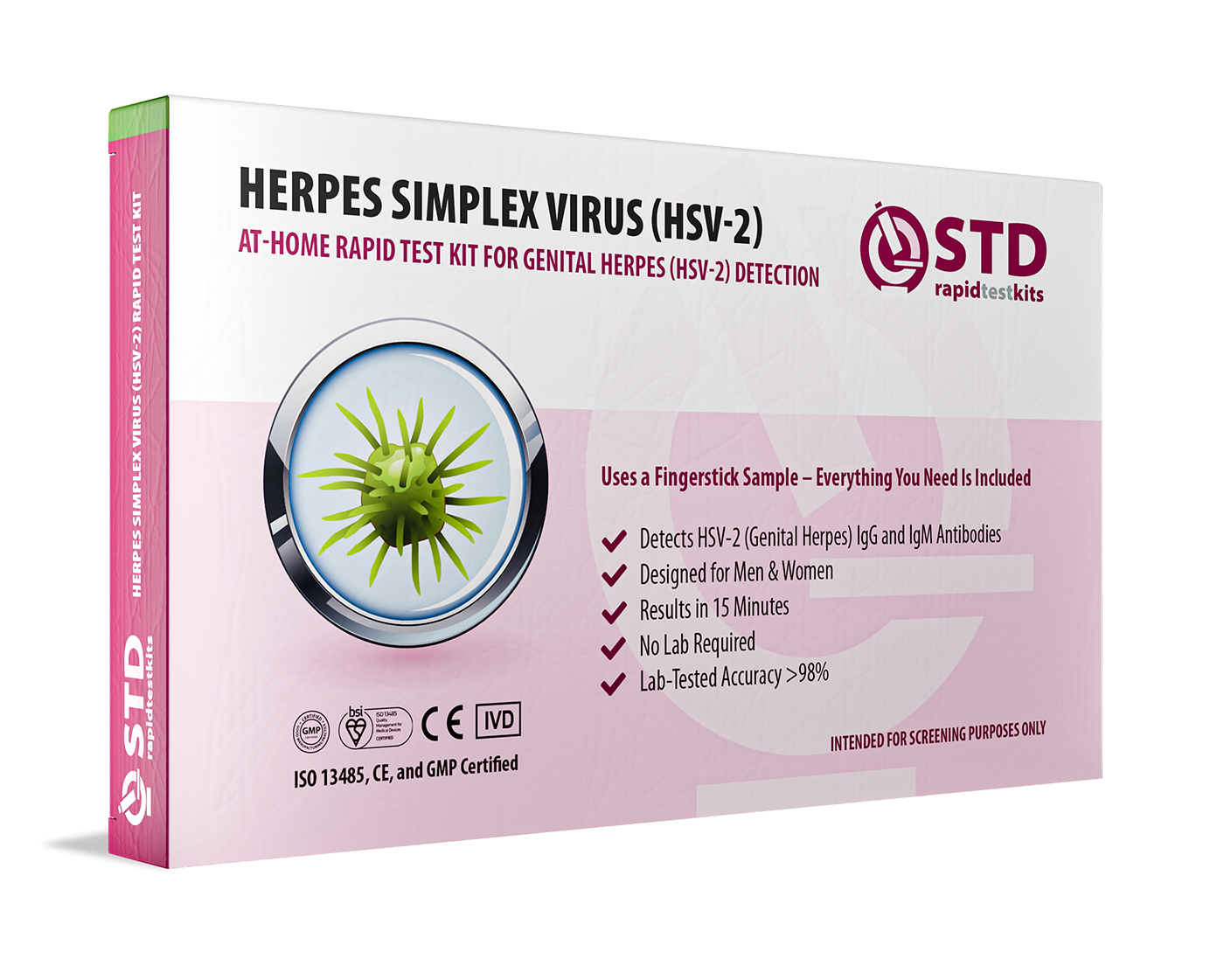
 For Men & Women
 Results in Minutes
 No Lab Needed
 Private & Discreet
Order Now $45.99 $49.00
Crabs vs. Other Infections: What Else Could This Be?
That itch between your legs? It might not be crabs. Here's how pubic lice compare to similar conditions:
Scabies
Often confused with crabs, scabies is caused by mites that burrow under the skin. The itching tends to be more generalized, wrists, elbows, waistline, and comes with visible burrow tracks. It spreads quickly through skin-to-skin contact and needs prescription-strength treatment.
Genital Herpes
Herpes outbreaks can cause tingling, itching, and then blisters, but unlike crabs, they don’t involve insects or visible eggs. Herpes also tends to come in cycles, often triggered by stress or illness. A blood or swab test is the only way to confirm it.
Chlamydia or Gonorrhea
These bacterial STDs usually don’t cause external itching, but they can lead to burning during urination, discharge, or pelvic pain. Some people mistake the general genital discomfort for lice, especially if both occur together.
Shaving Irritation or Folliculitis
If you recently groomed, a rash might be from irritated follicles or ingrown hairs, not parasites. Still, the only way to know for sure is to get checked out.
How to Treat Pubic Lice in 2025
Getting rid of crabs doesn’t require a hazmat suit, but it does take a specific plan. First, breathe. Pubic lice are annoying, but they don’t cause long-term health problems or infertility. They’re not deadly. And most importantly, they’re very treatable with over-the-counter meds.
The gold standard is a permethrin 1% cream or shampoo, which kills live lice on contact. You apply it generously to the affected area, let it sit, and rinse thoroughly. For stubborn cases, doctors might prescribe malathion lotion or even oral ivermectin.
But killing the bugs is only half the battle. You also need to:
- Wash all clothing, towels, and bedding used in the last 2–3 days in hot water
- Vacuum soft furniture and avoid close contact for a few days
- Check for reinfestation after 7–10 days, and re-treat if needed
And yes, it’s smart to get tested for other STDs. While pubic lice aren’t an STD in the strictest sense, they show up in the same kinds of encounters where exposure to chlamydia, gonorrhea, or herpes might also occur.

People are also looking for: How Risky Are Sex Parties, Really?
Can You Get Crabs Without Sex?
Yes, but it’s rare. The most common route is sexual contact, especially involving genitals, pubic areas, or close-body cuddling. But pubic lice can occasionally spread through shared towels, bedsheets, or even clothing.
Here’s where people get tripped up: lice can’t survive long off the human body, but they can cling to fibers for 24–48 hours. If you borrow a swimsuit, sleep in someone else’s bed, or dry off with a shared towel, you could get unlucky.
Still, these non-sexual transmission cases are rare. If you’ve got pubic lice, there’s a good chance they came from skin-to-skin contact. And that’s OK, it doesn’t mean you’re dirty or reckless. It just means your body got exposed to a parasite that sees coarse hair as home sweet home.
Crabs and the Emotional Toll: Why People Don’t Talk About It
One of the biggest reasons people delay treatment? Shame. Many don’t realize how common pubic lice are, especially among sexually active adults. They assume it means they’ve been “unclean” or that their partner has cheated. That’s rarely the full story.
Consider this testimonial from “Jake,” a 29-year-old fitness coach:
“I was convinced it was just razor burn. Then the itching got so bad I couldn’t sleep. Finally saw a doctor and, bam, pubic lice. I felt gross at first, like I’d done something wrong. But the doctor was chill about it. Told me it happens more than people think, especially in hookup culture.”
This emotional spiral, the shame, the delay, the Googling at 3AM, can make what’s already an annoying problem feel much worse. That’s why it’s so important to normalize the conversation. Pubic lice are manageable. They don’t define your worth. And they don’t mean your sex life is broken.
Check Your STD Status in Minutes
Test at Home with Remedium3-in-1 STD Test Kit
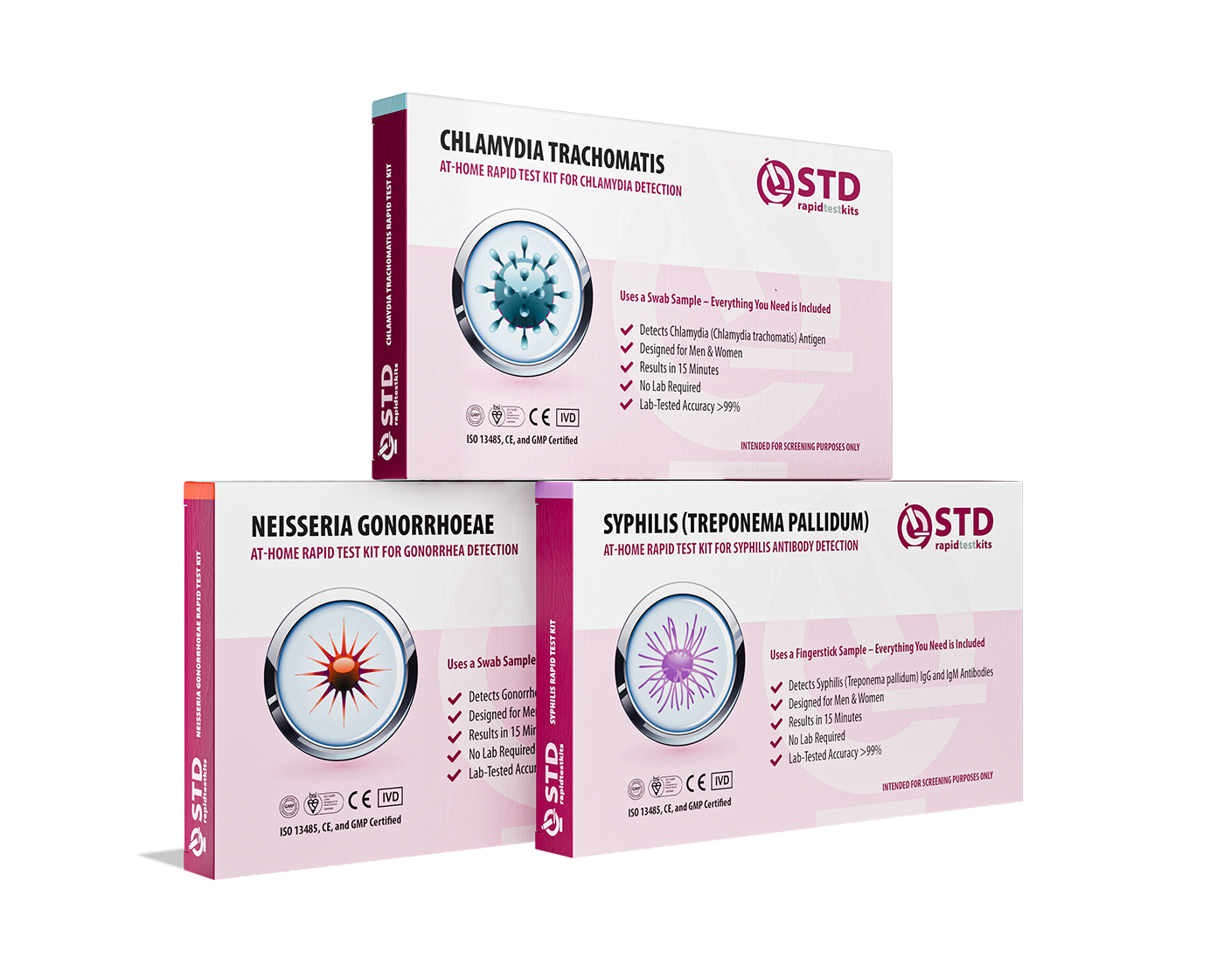 For Men & WomenResults in MinutesNo Lab NeededPrivate & Discreet
Order Now $69.00 $147.00
For all 3 tests
Why Prevention Is More Than Just Shaving
Here’s a common myth: “If I wax or shave my pubes, I can’t get crabs.” Unfortunately, that’s not totally true. While removing pubic hair can lower your risk, lice need hair to hang on, it doesn’t eliminate it. Crabs can still cling to remaining patches, armpit hair, chest hair, or even eyebrows.
So what actually works for prevention?
- Condoms won’t stop crabs, but they reduce risk of STDs that might show up with them
- Limiting skin-to-skin exposure with new partners until both of you are screened
- Avoiding shared towels, beds, or intimate clothing in communal or casual settings
And honestly? Just having honest, shame-free conversations with partners about symptoms and recent exposures can go a long way. Crabs aren’t a dealbreaker, but ghosting them takes teamwork.
Is Crabs Coming Back? Future Trends to Watch
With all the noise around monkeypox, antibiotic-resistant gonorrhea, and post-pandemic STI spikes, pubic lice rarely make headlines. But they haven’t disappeared. And in 2025, experts warn that neglected parasitic infections like crabs could rise quietly, especially as grooming trends shift again.
Some sexual health clinics are already seeing upticks, especially in younger populations engaging in casual or anonymous sex. At the same time, the decline in routine physicals and STI screenings post-COVID has left some cases undiagnosed.
Another wild card? Global travel. Crabs don’t care about borders, and infestations can hop from one community to another during international festivals, sports tournaments, or vacation flings.
What does this mean for you? Stay educated. Stay tested. And if your groin starts itching like a horror movie soundtrack, don’t assume it’s just a rash.
Common Myths About Pubic Lice
Let’s break down some of the biggest lies people believe about crabs, and what’s really true in 2025:
- “Only dirty people get crabs.” Nope. Anyone with body hair can get them, regardless of hygiene.
- “Shaving means you’re safe.” It helps, but it’s not foolproof. Lice just find other spots.
- “They’ll go away on their own.” Unlikely. Untreated lice lay eggs and reinfest you in cycles.
- “If I don’t see bugs, I’m fine.” Not necessarily. Many people miss early-stage infestations.
- “You can catch crabs from a toilet seat.” Very unlikely. They need body warmth and hair to survive.

People are also looking for: Where can I get tested for HPV discreetly?
FAQs
1. Can I get crabs even if I use condoms?
Yes. Pubic lice are spread through skin contact, not bodily fluids, so condoms don’t offer protection.
2. How do I know it’s crabs and not herpes?
Crabs involve visible bugs or eggs and intense itching, while herpes causes painful blisters. A visual check or a doctor’s visit can tell you for sure.
3. Can I test for crabs at home?
There’s no blood or urine test for pubic lice. Diagnosis is usually visual. But you can rule out similar STDs with an at-home kit.
4. Are crabs dangerous?
Not medically dangerous, but very uncomfortable. They won’t cause infertility or long-term damage.
5. How soon do symptoms show after contact?
Itching can begin within 5 days, but eggs can hatch over weeks, making delayed outbreaks possible.
6. Can I treat pubic lice without seeing a doctor?
Yes, over-the-counter lice shampoos work for most people. But you should still screen for STDs.
7. Do pets carry pubic lice?
No. Crabs are human-specific and don’t infest animals.
8. Can I catch them from a hotel bed?
It’s possible, though rare. Lice can survive briefly in fabric but need a human host.
9. Should I tell my partner?
Yes. They need to check for symptoms and possibly treat themselves to avoid reinfection.
10. Why is there a stigma around crabs?
Because they’re associated with sex and hygiene, people assume shame or “dirtiness” which couldn’t be further from the truth.
The Bottom Line: Crabs Are Still Here, But You’re in Control
Let’s cut through the embarrassment: pubic lice aren’t gone, and they’re not shameful. They’re a minor, fixable, very human issue, one that’s more common than people admit. In 2025, we’re dealing with an STD landscape that includes everything from antibiotic-resistant bacteria to silent viral infections. Crabs? They’re the loud, itchy cousin you can kick out with a little shampoo and a hot laundry cycle.
But because their symptoms mimic more serious conditions, like herpes, scabies, or STDs with no symptoms at all, it’s smart to get tested and stay informed. Use that discomfort as a wake-up call, not a panic button. You don’t have to suffer or guess. Whether it’s crabs or something else, you deserve answers, treatment, and peace of mind.
Sources
3. Prevalence Study on Pubic Lice, Sex Transm Dis. 2023


