






HIV Test at 2 Weeks: Too Early or Good Enough?
Quick Answer: Several STDs, including HIV, Herpes, Syphilis, and Hepatitis, can cause flu-like symptoms, especially in their early stages. If you’ve had unprotected sex and are now feeling achy, feverish, or fatigued, testing is the safest move. Don’t guess, rule out STDs with a reliable at-home kit.
Overview of the Issue
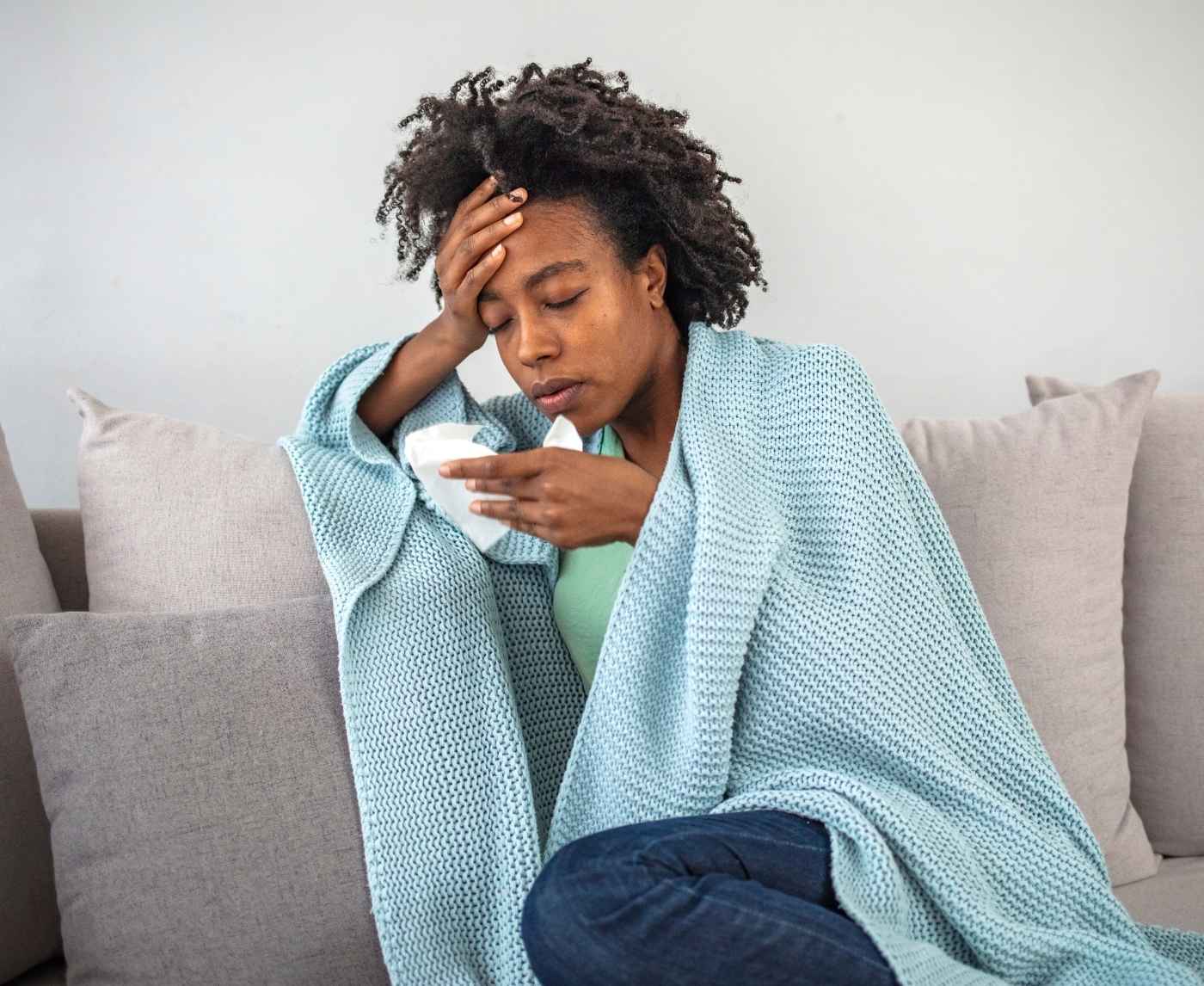
Most people associate STDs with itching, burning, or rashes, not sneezing and shivers. But here’s the truth: many STDs start off with symptoms that look suspiciously like the common cold or flu. That’s how they fly under the radar, and keep spreading.
Acute HIV infection, for example, often begins with flu-like symptoms just 2–4 weeks after exposure. Syphilis and Herpes can cause fever and fatigue. Even Hepatitis B or C may show up as general malaise before hitting the liver hard. And if you’re someone who gets sick often, it’s easy to miss the signs.
With flu season and hookup culture often overlapping, this article is here to decode the difference, and guide you to the next best step: getting tested.
People are also looking for: Can you feel HIV symptoms right away?
Key Benefits of Knowing the Difference
If your body is waving red flags, there’s no downside to knowing exactly what’s going on. Getting clarity could mean:
- Faster Treatment: STDs like Gonorrhea and Chlamydia are curable, but untreated, they can cause infertility or pelvic pain.
- Preventing Transmission: If you’re sick and sexually active, testing helps protect current and future partners.
- Peace of Mind: Knowing it’s “just the flu” because you ruled out an STD? Priceless. Knowing it’s an STD and starting treatment? Also priceless.
Most importantly, testing puts you back in control. No more guessing. No more spiraling on symptom forums at 2AM.
Challenges or Risks
Here’s where it gets messy: flu symptoms overlap with STDs because your immune system reacts the same way to viral invaders as it does to bacteria or parasites. That means:
- Fever? Could be flu. Could be HIV, Syphilis, or Herpes.
- Sore throat? Flu, strep... or oral Gonorrhea.
- Fatigue and chills? Viral infection… or early Hepatitis.
The risk is assuming it’s nothing, and losing the window to treat or protect others. Many people delay testing because they think “I probably just caught something at the office.” But if you’ve had recent sexual exposure, especially unprotected, don’t make that assumption. STDs love ambiguity. They thrive on silence.
Check Your STD Status in Minutes
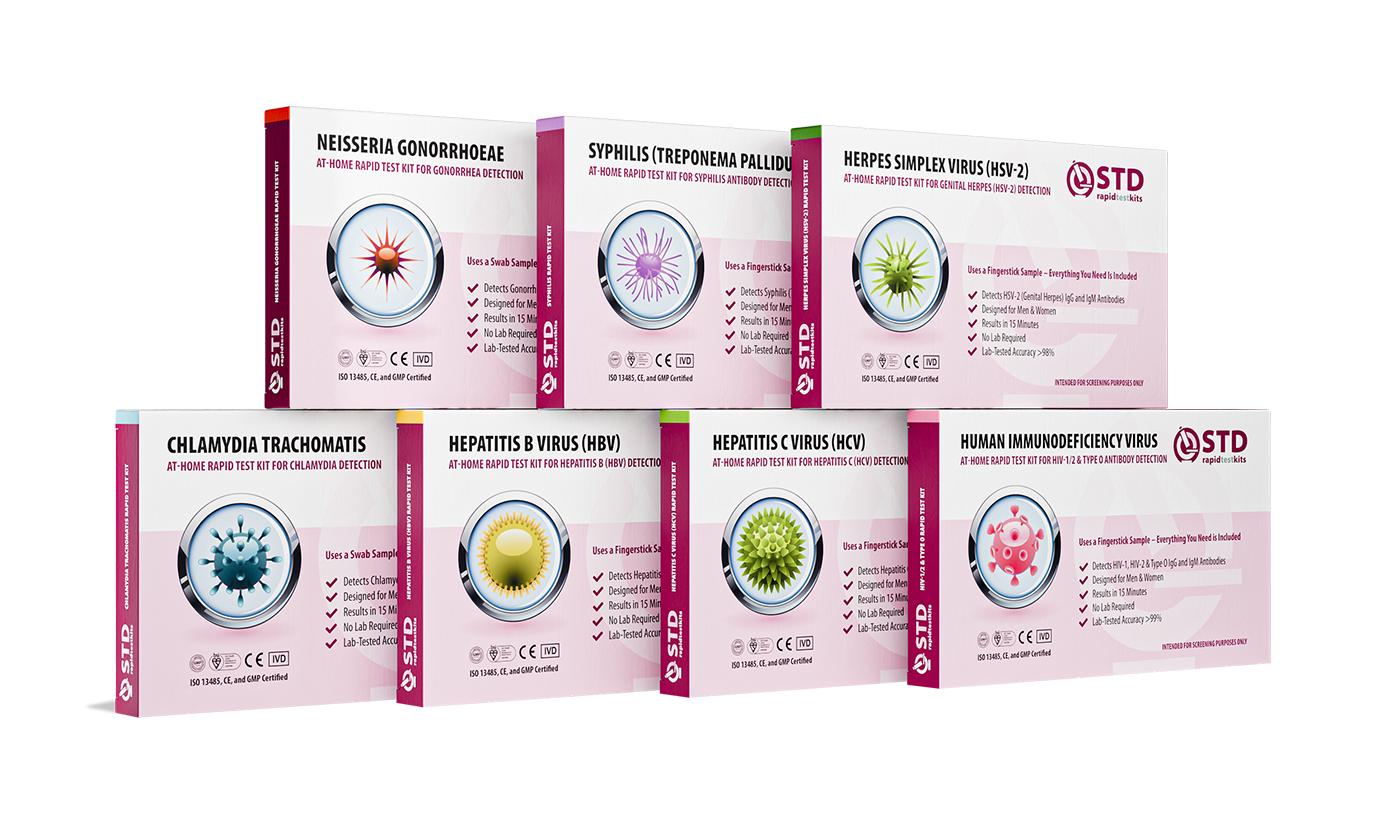
Test at Home with Remedium7-in-1 STD Test Kit
Claim Your Kit Today
Save 62%
 For Men & Women
 Results in Minutes
 No Lab Needed
 Private & Discreet
Order Now $129.00 $343.00
For all 7 tests
Solutions or Recommendations
Not sure if you’ve got the flu or something more serious? Here’s what to do:
- Check Your Timeline: If symptoms began 2–4 weeks after a new partner or unprotected sex, that’s a red flag. Some STDs have incubation periods that mimic viral onset.
- Assess Your Symptoms: Is your sore throat accompanied by white patches? Do you have swollen lymph nodes without congestion? STD symptoms often feel “off-brand” for a typical cold.
- Use an At-Home Test Kit: You don’t have to wait in a clinic. Use the Multi-STD Essential Kit – 6 Tests to screen from home.
- Don’t Self-Treat: Antibiotics for strep won’t help herpes. Tamiflu won’t touch chlamydia. Testing = the right meds.
You deserve answers. Your body is trying to tell you something, don’t mute it. Listen, test, and move forward with confidence.
Statistical Insights and Data
Flu-like symptoms showing up after sex? You’re not just paranoid. The numbers back you up.
According to the CDC, about 40% of new HIV infections are transmitted by people who don’t yet know they’re infected, most of whom are in the acute stage, which mimics the flu. During that early window, HIV viral load is sky-high, making transmission risk much higher, and yet standard antibody tests might not detect it for weeks.
Let’s break down some common misdiagnoses:
- Herpes Simplex Virus (HSV): Often begins with low-grade fever, chills, and swollen lymph nodes, long before blisters appear
- Syphilis: Stage one may present with flu-like symptoms, muscle aches, and malaise, mistaken for a seasonal bug
- Hepatitis B & C: Typically show up as fatigue, nausea, and body aches, misread as food poisoning or the flu
A 2022 study in the journal BMJ STI found that 33% of patients with newly diagnosed STIs reported “general illness” symptoms as their only reason for getting tested, most assumed they just had a bad cold.
The takeaway? When you treat every flu-like illness during sex season as “just the flu,” you risk missing something far more persistent.
Expert Opinions and Case Studies
So what do clinicians actually say about the overlap between STDs and flu symptoms?
“The most common misconception I hear is ‘I didn’t have any discharge, so I knew it wasn’t an STD,’” says Dr. Paula Mendes, MD, an infectious disease specialist. “But in early infection stages, systemic symptoms like fever and sore throat are often the only warning signs, especially with HIV and Herpes.”
Case Study (anonymous):
“I got sick a few weeks after a random hook-up. It felt like the flu, body aches, sore throat, low fever. I didn’t even think about testing,” said Sam, 29. “Three months later, I found out it was HIV. If I’d known flu-like symptoms were a red flag, I would’ve tested earlier.”
People are also looking for: Is syphilis still common?
Historical Context
The idea of mistaking an STD for the flu isn’t new. During the early AIDS epidemic in the 1980s, doctors often misdiagnosed patients with mono, flu, or strep, missing early HIV symptoms until the disease advanced.
Stigma played a massive role. Patients didn’t always disclose recent sexual activity, and providers didn’t always ask. That culture of silence cost lives, and shaped decades of mistrust and misunderstanding around STD symptoms.
Today, the same pattern can play out, just with different diseases. In the post-pandemic world, people are hyper-aware of viral illness but still under-informed about the fact that STDs can present the same way. It’s time to rewrite that script, starting with clarity, not fear.
Future Trends
Tech and medicine are finally catching up to the confusion. The next wave of STD testing is faster, less invasive, and more symptom-savvy.
- Multiplex Testing: New kits can test for flu, COVID, and common STDs in one swab, coming to clinics and pharmacies soon
- AI Symptom Checkers: Tools like STD symptom bots are being trained to recognize combinations like fever + unprotected sex
- Home Test Advancements: Today’s best kits (like the Multi-STD Essential Kit) are more accurate than ever, with lab-grade sensitivity and private delivery
We’re heading toward a world where guessing isn’t necessary, because the tools are right in your hands.
Practical Applications
Let’s say you’re feeling off. Flu-ish. Maybe even hungover but without the party. Here’s how to break the spiral and take real action:
- Start with a Self-Audit: Did you have unprotected sex in the last 2–6 weeks? Have you noticed anything else, rashes, swollen lymph nodes, mouth sores?
- Don’t Wait for a Rash: Many STDs don’t show external symptoms for weeks, or at all. Flu-like signs can be your first and only warning.
- Order a Test Kit Today: If you’re unsure, test. At-home kits like the Multi-STD Essential Kit can check for six common infections discreetly.
- Talk to Your Partner: If you’re sick and recently hooked up, let them know. They may need to test, too, even if they feel fine.
This isn’t about paranoia. It’s about empowerment. A sore throat might just be a cold. But if it’s not, you’ll want to know. And the earlier, the better.
Check Your STD Status in Minutes
Test at Home with Remedium10-in-1 STD Test Kit
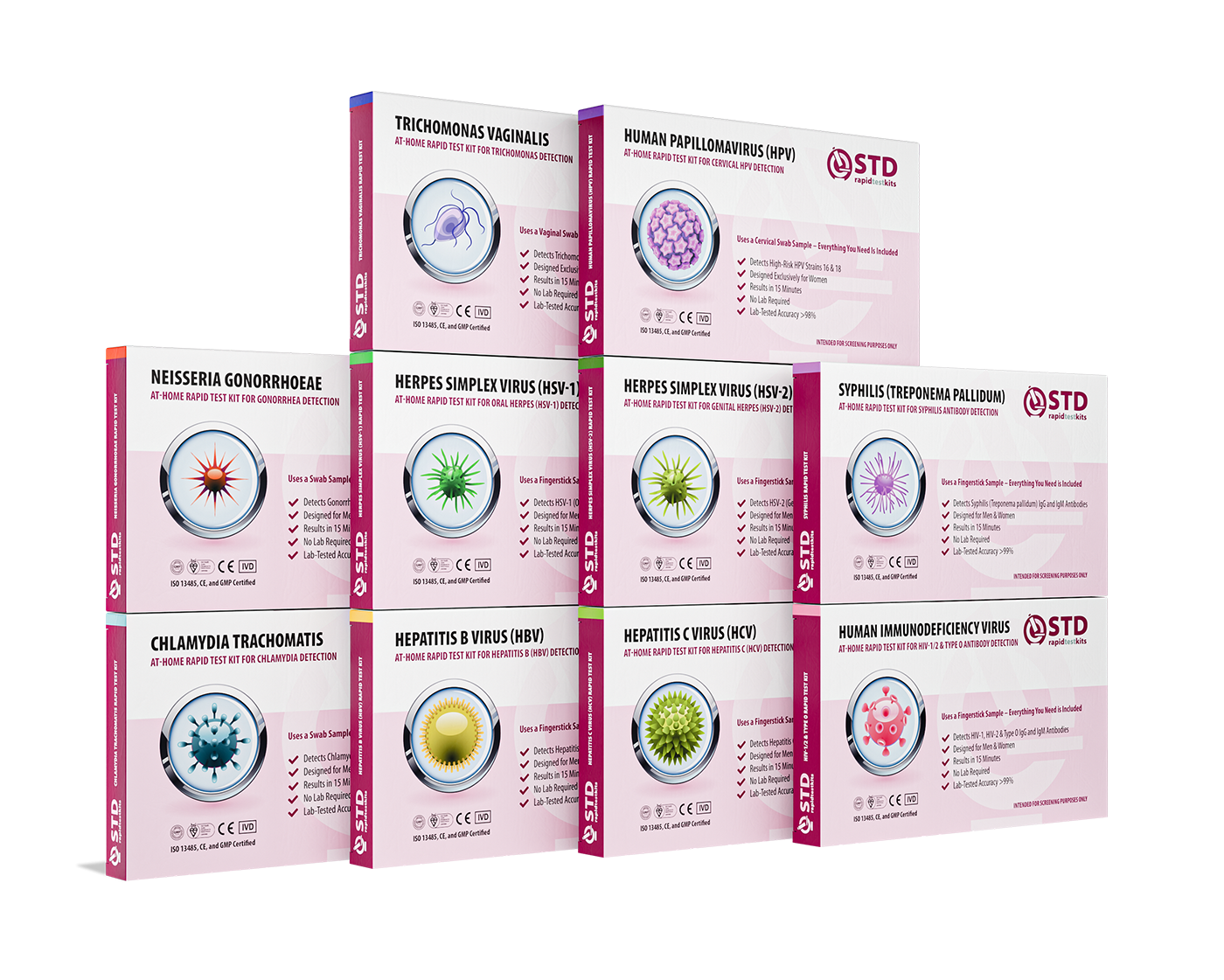
Claim Your Kit Today
Save 61%
 For WomenResults in MinutesNo Lab NeededPrivate & Discreet
Order Now $189.00 $490.00
For all 10 tests
Personal Stories
Ella, 24:
“I thought it was a cold, but something felt wrong. I was sore and sweaty and just... off. I took an at-home STD test and found out it was herpes. Caught it early, got meds, and I’m glad I trusted my gut.”
Jared, 31:
“I had body aches and fatigue after a music festival. Figured it was dehydration. Turned out to be Hep B. I wouldn’t have tested if my friend hadn’t told me about his story. Now I’m that guy paying it forward.”
FAQ
1. Can an STD really feel like the flu?
Yes. STDs like HIV, herpes, and syphilis often cause fever, fatigue, sore throat, and body aches early on, similar to viral illness.
2. How soon after exposure do STD symptoms appear?
Incubation varies. HIV symptoms can appear 2–4 weeks post-exposure. Herpes within a week. Chlamydia can take longer, or show nothing at all.
3. Can I catch an STD during flu season?
Absolutely. Flu season doesn’t protect you from STDs, and having a virus may lower your immune defenses.
4. Is it safe to have sex while sick?
Not really. Whether it's the flu or an STD, your body is vulnerable, and you risk infecting your partner with either.
5. Should I take antibiotics just in case?
No. Don’t self-medicate. Many STDs need specific drugs, and some, like herpes, require antivirals, not antibiotics.
6. Can COVID be mistaken for an STD?
Only symptomatically. There’s no evidence COVID behaves like an STD, but early symptoms like fatigue and fever can cause confusion.
7. Are home STD test kits reliable?
Yes, especially FDA-approved ones like those from STD Rapid Test Kits. They’re fast, discreet, and lab-grade accurate.
8. Should I wait for symptoms before testing?
No. Many STDs show no symptoms at all. If you’ve had a new partner or unprotected sex, test anyway.
9. Can STDs trigger actual flu symptoms?
They can mimic them, yes. But they don’t cause influenza virus infections, just similar immune responses.
10. How often should I test?
Every 3–6 months if you’re sexually active with new or multiple partners. Sooner if you feel off or notice symptoms.
If It Feels Off, Don’t Brush It Off
That lingering ache? That sore throat that won’t go away? It could be the flu. It could be stress. But it could also be your body waving a red flag, and you deserve to know what it’s really saying. Testing doesn’t mean you’re dirty. It means you’re responsible. And in a world where herpes looks like heat rash and HIV starts like a head cold, clarity is the best self-care move you can make.
Sources
2. Misdiagnosed STIs Presenting as Viral Illness – NCBI
3. Herpes Symptoms – Mayo Clinic
5. Flu-like Presentation of Early HIV – BMJ
Written by M.D.F. Davis, reviewed by Dr. Alex Hart, MPH


