







The Right Way to Tell Someone You Have an STD
Quick Answer Box
Can someone knowingly give you an STD? Yes. It’s more common than people realize. If someone knows they have an STD and fails to tell you, that’s not just unethical, it can be illegal and traumatic. The impact goes beyond physical health. It strikes at your trust, your safety, and your sanity.
When the Diagnosis Isn’t the Worst Part
Getting an STD is never easy. But for many, the real pain doesn’t start with the burning, the discharge, or the blister, it starts with the silence. The real gut-punch is realizing that someone you trusted didn’t trust you enough to tell you the truth. You may have heard someone say, “He gave me an STD.” But in these cases, the bacteria or virus isn’t the true villain. The silence is.
Whether it’s chlamydia, gonorrhea, syphilis, herpes, or even HIV, the damage deepens when it’s paired with a lie. When someone chooses silence over responsibility, the infection becomes emotional too.

People are also looking for: Should I tell my partner if I test positive?
From Suspicion to Certainty: The Timeline of a Lie
It starts with a twinge. Maybe you itch. Maybe there’s a strange discharge. You get tested. You wait. You sweat bullets while Googling “STD symptoms” at 2AM.
Then the call comes: Positive.
Now what?
For Marissa, a 26-year-old from Atlanta, it all clicked too late.
“He was weird about testing,” she remembers. “Always had an excuse. When I got diagnosed with herpes, he said he had no idea. But I later saw messages on his iPad. He knew. He’d talked about it with his friend.”
The second betrayal isn’t always in words, it’s in what you find after. And when you realize the person who infected you made a choice, everything changes.
The Emotional Aftershock: Rage, Grief, and the Shattering of Intimacy
Finding out you have an STD can feel like your body betrayed you. But finding out someone else betrayed your body? That cuts deeper.
Here’s what people often feel:
- Shock: “He would never…” suddenly becomes “Oh my god, he did.”
- Shame: Even though you’re not to blame, the stigma can still feel like a scarlet letter.
- Rage: Not just anger, rage. A hot, physical fury that simmers beneath your skin.
- Disgust: At him, yourself, your body, even sex itself.
- Confusion: Was it fear? Was it malice? Was it manipulation?
This isn’t just a health issue. It’s trauma. And trauma sticks. It doesn’t disappear with antibiotics or antivirals. It settles into your nervous system, your relationships, your mirror.
Check Your STD Status in Minutes
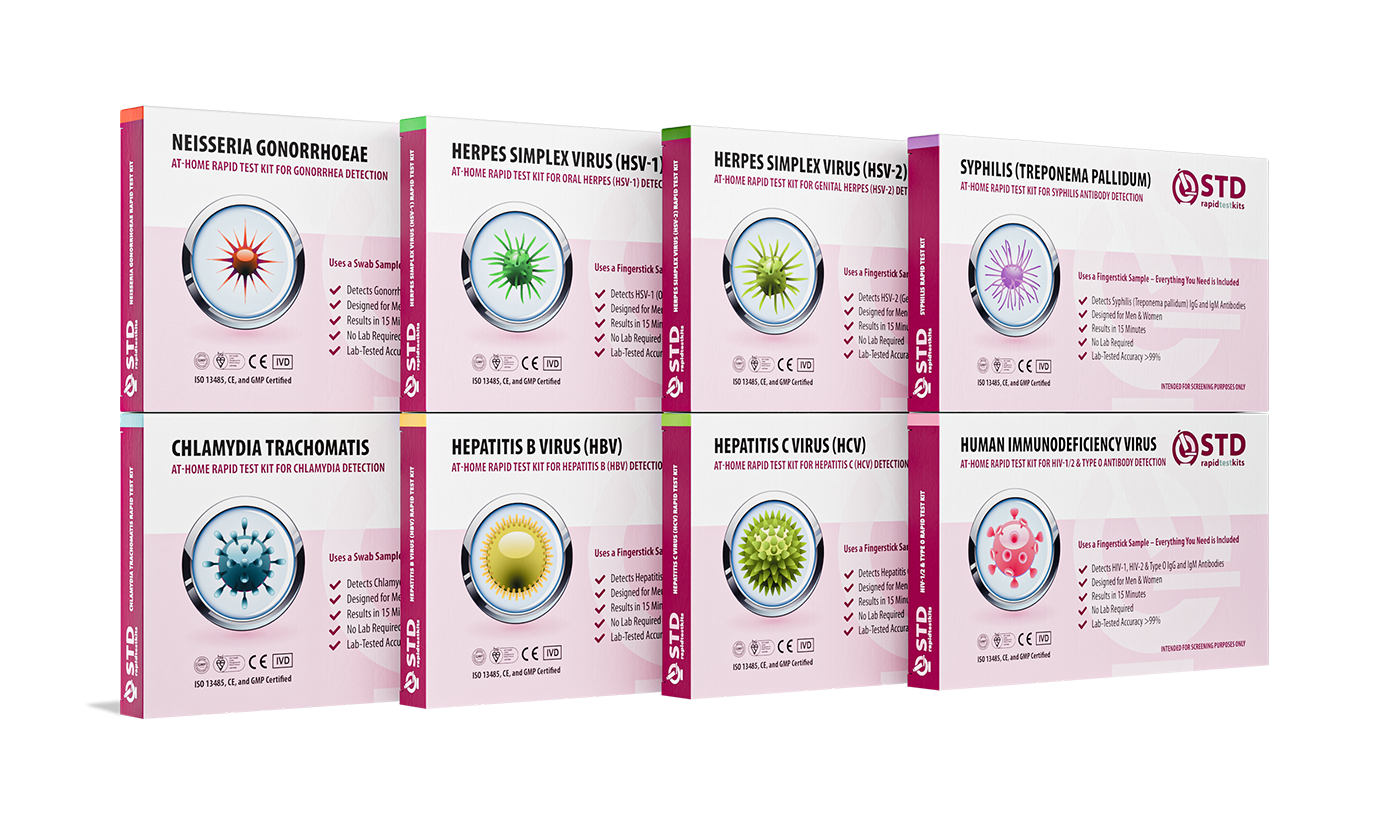
Test at Home with Remedium8-in-1 STD Test Kit
Claim Your Kit Today
Save 62%
 For Men & Women
 Results in Minutes
 No Lab Needed
 Private & Discreet
Order Now $149.00 $392.00
For all 8 tests
The Silence That Harms: Why People Hide Their STDs
Let’s be brutally honest: there is no excuse for knowingly exposing someone to an STD without telling them. But there are reasons people give.
None of them are good enough.
- Denial: “I don’t feel anything, so maybe it’s gone.”
- Fear: Of rejection. Of lawsuits. Of the truth.
- Ignorance: Some think they’re not contagious if they have no symptoms.
- Control: Yes, some use secrecy as a weapon.
It’s horrifying, but it’s reality. People can be selfish. They can be scared. And sometimes, they can be cruel. Their silence has consequences, ones you’re now forced to carry.
Testing Isn’t Just for Confirmation, It’s for Empowerment
If you haven’t already, get tested again. Even if you know your status for one infection, others could still be lurking, especially if your partner was hiding things.
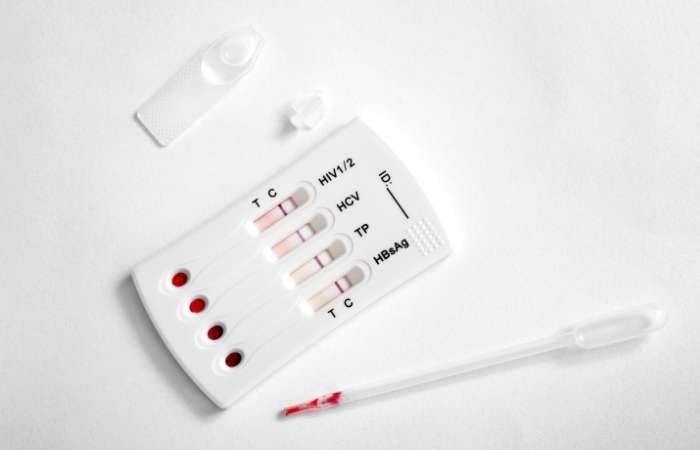
At-home tests like the Combo STD Home Test Kit (Chlamydia, Gonorrhea, Syphilis) offer privacy and precision. More importantly, they offer power.
Testing is more than medical data. It’s a middle finger to betrayal. It’s you saying, “I take care of me, even when you didn’t.”
People are also looking for: Will I be judged if I go to a clinic?
Can You Press Charges? The Legal Side of STD Betrayal
Let’s not sugarcoat this: knowingly transmitting an STD can be illegal. Depending on where you live, it can fall under:
- Criminal transmission laws (especially for HIV, but increasingly for others)
- Civil negligence or recklessness
- Intentional infliction of emotional distress
You don’t always need to prove intent to harm, just that they knew, and they didn’t tell you.
Kimberly, 31, from California, found out her ex gave her HPV while claiming to be “clean.” She sued.
“It wasn’t about revenge,” she says. “It was about truth. I needed someone to say out loud: this wasn’t okay.”
If you’re considering legal action, find a lawyer familiar with sexual health law. Start with clinics, sexual health orgs, or groups like the HIV Law Project. Many offer referrals or low-cost consults.
How to Confront the Person Who Infected You
This is one of the hardest parts. Confronting the person who infected you isn’t about getting an apology; it’s about protecting yourself and taking control of your narrative.
Here’s how to approach it:
- Be clear and direct (if safe): “I tested positive. I have reason to believe you knew. I need to understand why you didn’t tell me.”
- Use a mediator: A therapist, a doctor, even a clinic can act as a neutral buffer.
- Use writing: If a face-to-face confrontation feels dangerous, write a message. You don’t owe anyone your presence.
And if it doesn’t feel emotionally or physically safe to confront them at all? Don’t. Your safety isn’t negotiable.
Check Your STD Status in Minutes
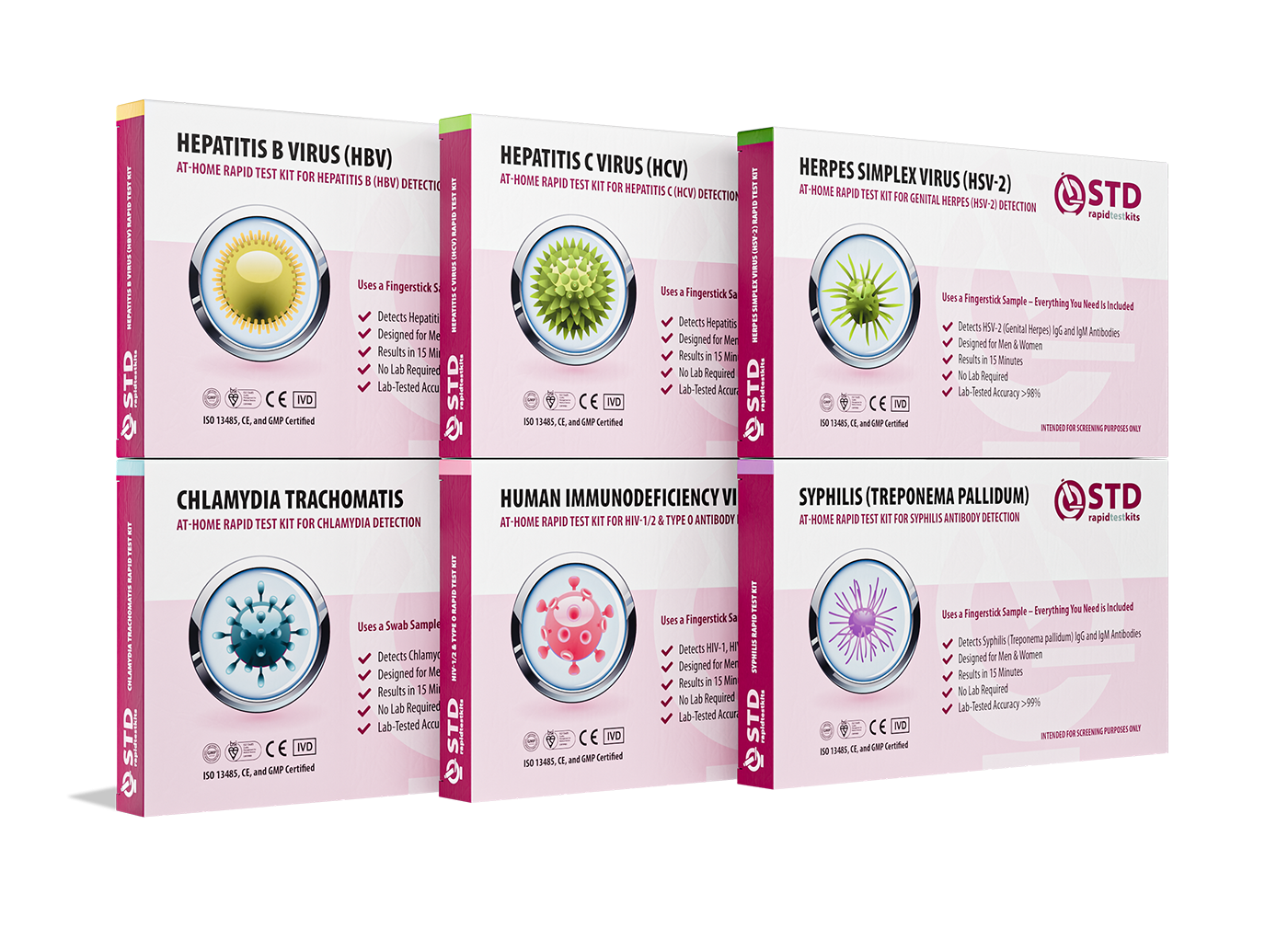
Test at Home with Remedium6-in-1 STD Test Kit
Claim Your Kit Today
Save 60%
For Men & WomenResults in MinutesNo Lab NeededPrivate & DiscreetOrder Now $119.00 $294.00
For all 6 tests
Rebuilding: Your Health, Your Heart, Your Trust
This betrayal may have touched every part of your life, your sex life, your confidence, your sense of safety. You may feel like nothing is solid anymore. But healing is possible. It’s not linear. And it doesn’t start with trust in others, it starts with trust in yourself.
- Physical health: Complete any treatment and stick to follow-up care.
- Mental health: Therapy can help unpack trauma, rage, shame, and grief.
- Sexual safety: Get retested in 3–6 months for anything that has a longer incubation period.
- Relational boundaries: Ask more. Expect more. Communicate early.
You’re allowed to move slowly. You’re allowed to ask “too many questions” on a first date. You’re allowed to take your peace seriously.
The Lingering Shame: And Why You Don’t Deserve It
Let’s name it: shame.
Not the kind that shows up when your pants fall down. The kind that sneaks in at 2AM. The kind that says, “How did I let this happen?”
But here’s the truth: you didn’t let this happen. Someone made a decision. You trusted them. That doesn’t make you weak, it makes them wrong.
Shame thrives in silence. So we say it louder: Getting an STD doesn’t make you dirty. Being lied to doesn’t make you stupid. Trusting someone doesn’t mean you asked for this.
If you need a mantra, make it this: My body is not broken. My body is a battleground. And I’m still here.
Rewriting the Ending: You’re Allowed to Move On
This is the part movies never show: surviving. Thriving. Laughing again. Hooking up again. Loving again.
You don’t owe anyone your trauma story. But if you want to share it, do. You are allowed to own what happened. You are allowed to grieve what you lost.
And you are allowed, absolutely, to build something better afterward.
FAQs
1. Can I sue someone for giving me an STD?
Yes. In many places, knowingly transmitting an STD without disclosure is grounds for a civil lawsuit and potentially criminal charges.
2. What if my partner says they didn’t know they had an STD?
That’s possible, some STDs are asymptomatic. But if you have proof they knew, accountability and legal options change.
3. Can I still have sex after being diagnosed with an STD?
Absolutely. Most STDs are manageable or treatable. Just communicate openly and use protection.
4. Do I have to tell new partners about my STD?
Yes. For incurable or chronic infections like herpes, HIV, or HPV, disclosure is both ethical and often legally required.
5. Can I test at home after being exposed?
Yes. At-home test kits like the Multi-STD Essential Kit – 6 Tests allow for private, accurate testing.
6. What are the symptoms that might mean someone gave me an STD?
Common signs include discharge, sores, itching, pain while urinating, or no symptoms at all. Testing is the only way to know.
7. How soon after exposure can I get tested?
Most STDs show up on tests within 1–3 weeks. Syphilis and HIV may take longer. Use a test kit with multiple detection windows.
8. Is it normal to feel depressed after an STD diagnosis?
Yes. You're not just dealing with health, you're navigating betrayal, stigma, and emotional pain. Therapy can help.
9. Should I tell mutual friends what he did?
Only if it’s emotionally and legally safe to do so. If he's still putting others at risk, a discreet heads-up may be necessary.
10. Is it ever okay to forgive someone who gave me an STD?
That’s up to you. Some people find peace in forgiveness, especially if the person genuinely didn’t know. But don’t rush it.
Your Peace of Mind is Priceless
Your body may heal with medication. Your heart may take longer. But your peace of mind? That’s something you can claim now. Getting tested is more than checking a box—it’s a way to say, “I deserve clarity. I deserve safety. I deserve to know.” Start with the right tools. Explore trusted options at STD Rapid Test Kits, or use a Combo STD Home Test Kit for fast, discreet answers.
Sources
1. STD Symptoms & Treatment – Mayo Clinic
2. CDC: STDs and Partner Notification Guidelines
3. Sexually Transmitted Infections – NHS
4. Criminalizing HIV Non-Disclosure – AMA Journal of Ethics
5. Emotional Responses to STI Disclosure – Journal of Sex Research


