Symptoms of HIV: The Core of Diagnosis and Treatment
Symptoms are very important for diagnosis and, finally, treatment of the virus. Among all the individuals contracting the virus, over 90% will develop some kinds of symptoms that something is going wrong in the body. If you are at risk of acquiring any sexually transmitted infection, then the testing becomes all the more significant.
30 September 2024
3 min read
2298
Early Signs of HIV Infection
Acute Retroviral Syndrome (ARS)
Symptoms of ARS include fever, diarrhea, and malaise. These symptoms can appear from one to two months following viral entry into the human host. It is estimated that these early symptoms occur in 40% to 90% of infected individuals. More often, however, HIV is asymptomatic and undetectable for years—or even more than a decade—since the initial infection.
"One in five people in the United States with HIV is unaware of their condition," says Michael Horberg, MD, director of HIV/AIDS at Kaiser Permanente in Oakland, Calif. "It is thus critical to get tested, particularly if one is having unprotected sex with multiple partners or using intravenous drugs."
Common Symptoms of HIV Infection
If you are concerned about symptoms that you are experiencing, here are the common symptoms associated with an HIV infection:
Symptoms to Look Out For
Acute Fever One symptom that is very common and one of the first signs of HIV infection could be a mild fever, which may go as high as 102 degrees (38.9°C). It may also involve swelling of lymph glands, sore throat, and fatigue.
Crushing Fatigue It is one of the commonest signs of both acute and recently acquired HIV infection. The body's immune response to the virus can cause severe fatigue and lethargy.
Muscle and Joint Pains Acute retroviral syndrome commonly involves symptoms like sore muscles, achy joints, and swollen lymph nodes. Many times, the symptoms are confused with the flu or mononucleosis or some kind of viral infection.
Throat Aches and Headaches Sore throat and headache may also occur but are considered significant only in the presence of recently high-risk behavior for HIV infection.
Skin Rash Rashes can occur early in HIV infection and present as itchy, pink areas or boils on the trunk. These rashes may resist treatment.
Gastrointestinal and Other Symptoms
Nausea, Vomiting, and Diarrhea These symptoms are experienced by about 30-60% of new HIV infections, but nausea, vomiting, or diarrhea can occur any time during the disease process, either from medications or opportunistic infections.
Weight Loss, Involuntary AIDS wasting syndrome is characterized by dramatic, unintended weight loss, often accompanied by diarrhea, signaling a weakened immune system.
Chronic Cough An early warning symptom could be a persistent dry cough. Without treatment, this symptom may lead to more serious complications, including pneumonia.
Pneumonia Untreated cough and weight loss culminate in pneumonia, a condition that remains one of the top causes of death in HIV-positive persons.
Other Notable Symptoms
Night Sweats Frequent night sweats, even when sleeping in a comfortably cool room, is a possible reason to get tested for HIV.
Changes in Nail Color Other unusual color changes that may occur in the nails are blackening or dying-like colors.
Oral Yeast Infection Fungal infections, such as oral thrush caused by Candida, are more common in individuals with weakened immune systems, like in the case of HIV.
Cognitive Impairments HIV infection can affect the brain, leading to memory or concentration issues, and in advanced cases, dementia.
Being in attendance to such symptoms and engaging appropriate medical interventions often brings about a significant difference in the management of HIV. When the disease is detected early enough, it improves the quality of life significantly. Testing becomes important, particularly where there are practices that put one at risk. Note that this is not a comprehensive list, so if you suspect you may have the virus, you should consult a doctor immediately.







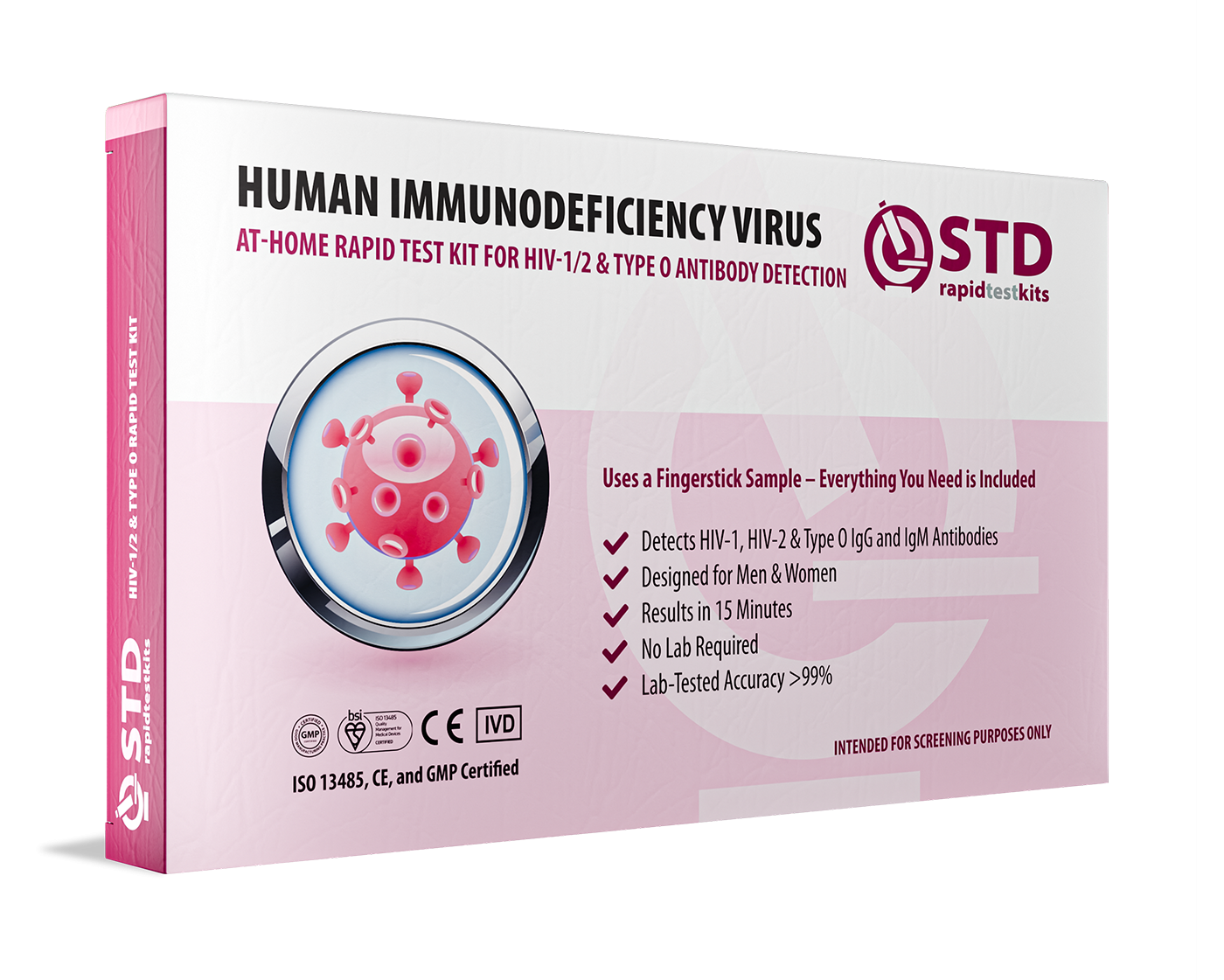
 For Men & Women
 Results in Minutes
 No Lab Needed
 Private & Discreet


