






You Asked for a Herpes Test. They Said No. Now What?
Quick Answer
Herpes testing is done through either a swab of active sores or a blood test detecting antibodies. You can test at clinics or use discreet at-home Herpes test kits. Results depend on timing and whether symptoms are present.
A Quick Overview on Herpes
Herpes is one of the most common, misunderstood STDs, and it rarely behaves the way people expect. Caused by two main viruses, HSV-1 and HSV-2, it spreads through skin-to-skin contact, often when no symptoms are visible. This means you could carry it, or be exposed to it, without ever seeing a blister.
Here’s what that leads to:
- People silently carry the virus for years
- Symptoms can be mild or nonexistent
- Testing gets overlooked until symptoms erupt, or a partner asks awkward questions
Most people want one thing: to know. To cut through the stigma and get real answers. That’s what testing is for, but even that can feel like a maze. Do you need symptoms to test? Should you swab something? Is blood more accurate? What if it’s oral? What if you’re just scared?
This guide was made for those questions. We’re going deep, not just into science, but into the shame, the silence, and the way forward.
Key Benefits of Testing for Herpes
Let’s get this out of the way: Herpes isn’t deadly, but it is emotional. Testing gives you more than just a diagnosis, it gives you clarity, confidence, and control.
Here’s why testing matters
- Knowledge = power. Many people don’t realize they have Herpes until they test, often accidentally, during other STD panels. Knowing your status lets you make informed decisions about your health and relationships.
- Reduce transmission. People with HSV who know their status are statistically less likely to spread it to partners. Antiviral treatment, abstaining during outbreaks, and transparency change everything.
- Improve your mental health. The not knowing is often worse than the result. Herpes doesn’t define your sex life, but untreated anxiety might. Testing helps ground your fears in facts.
- It’s more accessible than ever. Between urgent care, Planned Parenthood, and discreet at-home test kits, you can now choose how and when you get tested, no judgment, no waiting rooms.
Herpes is common. Testing is how you reclaim control from the stigma.
Challenges or Risks in Herpes Testing
Testing for Herpes isn’t as simple as peeing in a cup, and that’s part of the problem. It’s also why misinformation spreads like wildfire.
Let’s break down what makes this STD tricky to test for:
No universal screening: Most clinics don’t automatically test for Herpes, even during full STD panels, unless you ask. Why? Because many experts argue that testing asymptomatic people creates more anxiety than benefit, due to false positives.
False positives and false negatives:: Herpes blood tests look for antibodies, not the virus itself. This means:
- False negatives happen if you test too soon after exposure.
- False positives are possible, especially with the IgM test, which isn’t considered reliable by many experts.
You need timing and context: If you’ve just been exposed, it can take 2–12 weeks (sometimes longer) for antibodies to show up in your blood. Testing too early can lead to confusion.
Swab tests need active sores: No sores? No swab. And the swab test is most accurate within 48 hours of symptom onset.
Emotional toll: Getting tested for Herpes hits different. It’s not just a lab result, it’s a potential identity shift. Fear of judgment, partner reactions, or just Googling “Herpes dating” at 3AM can spiral hard.
Check Your STD Status in Minutes
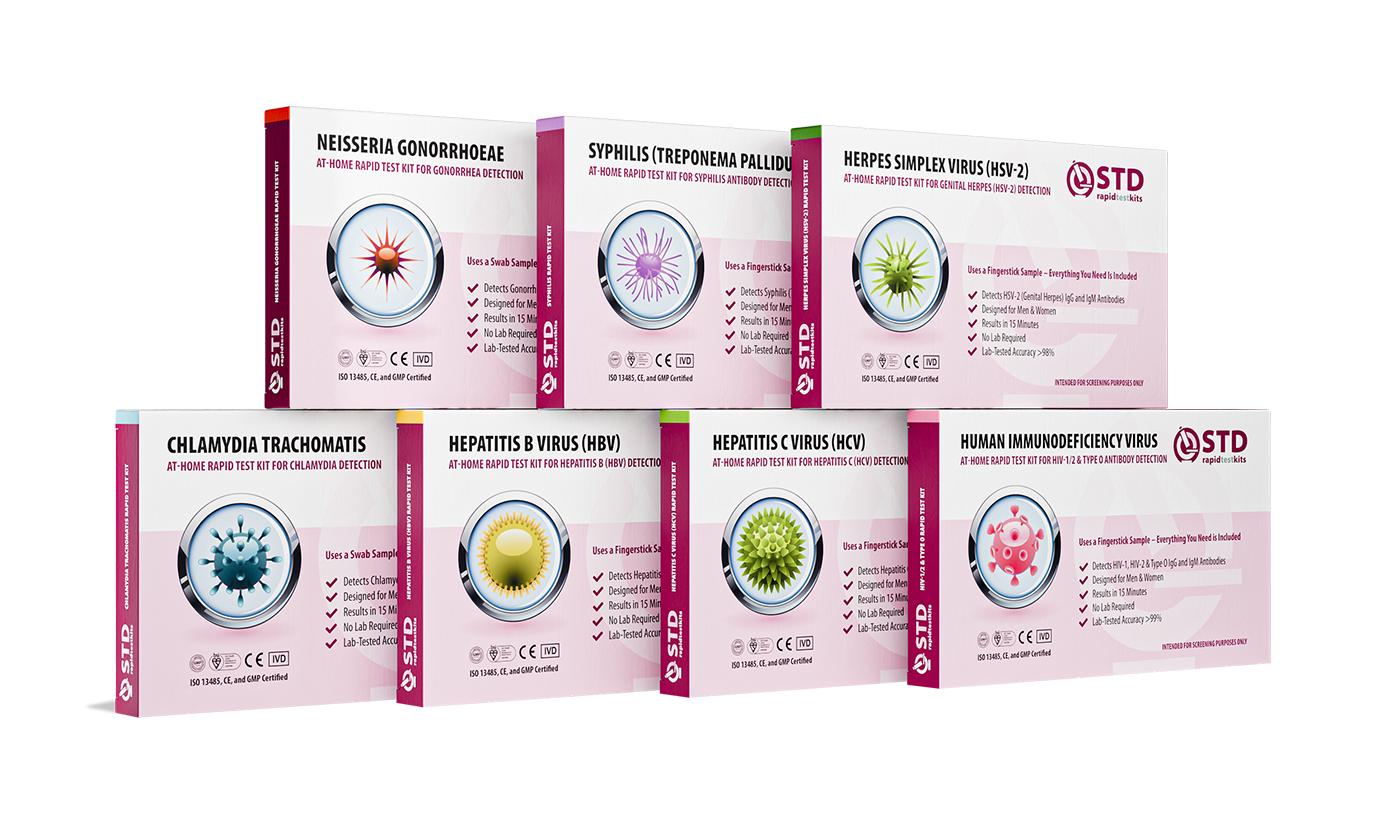
Test at Home with Remedium7-in-1 STD Test Kit
Claim Your Kit Today
Save 62%
 For Men & Women
 Results in Minutes
 No Lab Needed
 Private & Discreet
Order Now $129.00 $343.00
For all 7 tests
Solutions and Recommendations
If you're considering a Herpes test, you're already ahead of the curve. Most people delay it until symptoms force their hand, or until someone else's diagnosis pulls them into the conversation. Here's how to take control now.
First, know your symptoms, even if they’re subtle. That tingling you brushed off, the bump you thought was a razor nick, those might matter. But even if you're symptom-free, you can still get tested. It just changes the method.
If you have visible sores or blisters, go straight to a provider for a swab test. This is the gold standard. They’ll swab the lesion and send it to a lab to confirm if it’s HSV-1 or HSV-2. Accuracy is high, especially within the first 48 hours of symptoms showing.
No symptoms? Then it’s all about blood testing. This looks for IgG antibodies, which develop a few weeks after infection. The catch? You need to wait at least 12 weeks from a possible exposure for the results to be reliable. If you test too early, the antibodies might not be detectable yet, leading to a false sense of security or unnecessary panic.
Your two options are:
- In-clinic testing at STD centers, hospitals, or primary care offices
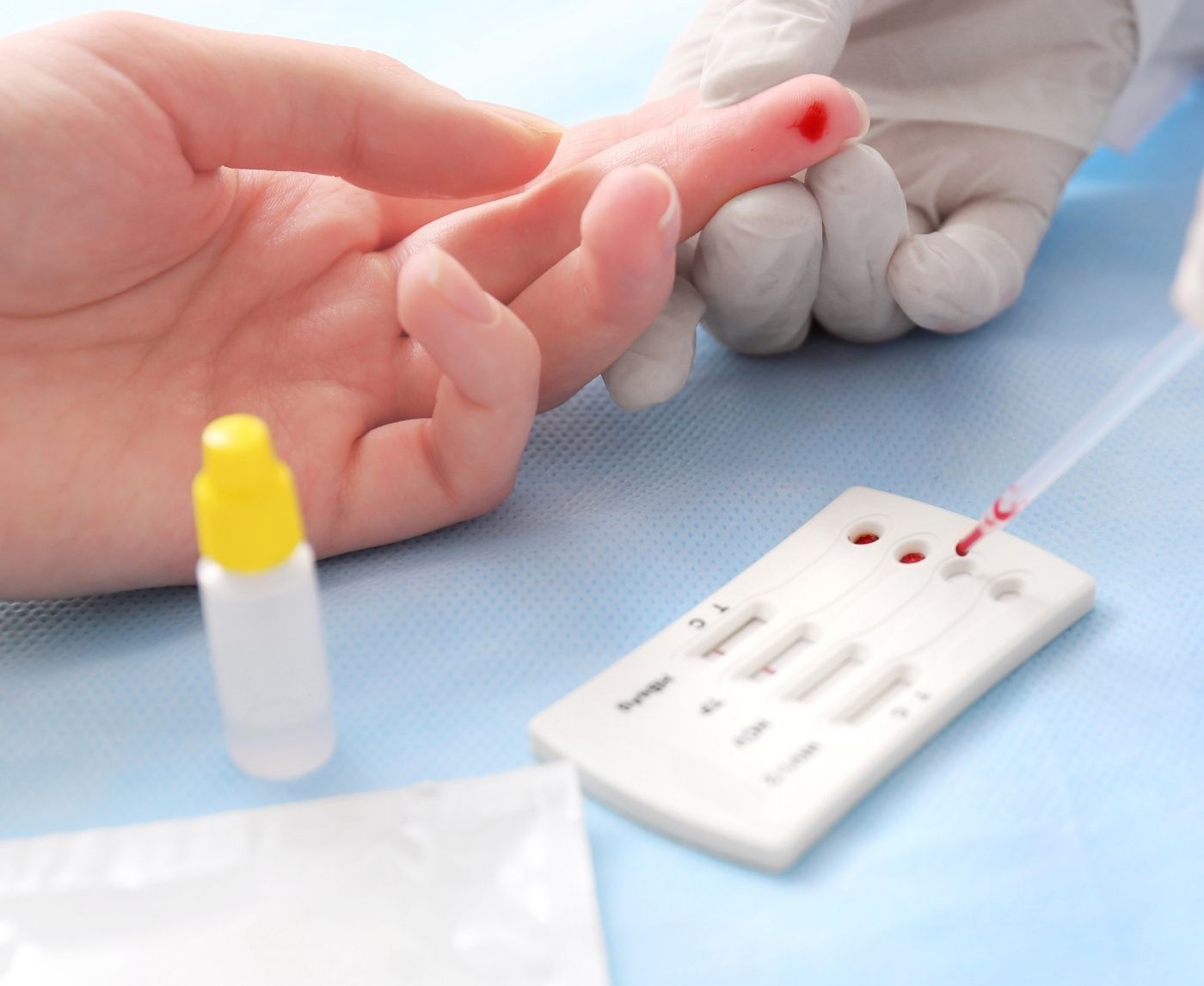
- At-home Herpes test kits, which are private, mail-in blood tests that don’t require awkward face time with a nurse.
For many, the at-home route is emotionally safer. You’re already dealing with anxiety, why add fluorescent lights, paperwork, or a judgmental glance? We recommend the Herpes Home Test Kit from STD Rapid Test Kits. It’s discreet, reliable, and ships fast. You prick your finger, collect a sample, and send it to the lab. Results arrive securely online, no one else has to know.
Statistical Insights and Data
Numbers can’t solve shame, but they do reframe it. Here’s what the data tells us about Herpes and testing:
Roughly 1 in 6 Americans aged 14 to 49 has HSV-2, the virus most commonly associated with genital Herpes. If we include HSV-1, the number soars, over 50% of adults carry it, often acquired through non-sexual childhood contact. And yet, the majority don’t know they’re infected.
That’s the double-edged sword: Herpes is common, but the knowledge around it isn’t. According to the CDC, only about 10% of people with HSV-2 are aware of their status. That means the other 90% are in the dark, possibly spreading the virus unknowingly.
Testing uptake is even lower. Despite its prevalence, Herpes is the least tested-for STD, mostly because of outdated medical guidelines and ongoing stigma. Many healthcare providers hesitate to recommend testing unless there are symptoms, citing the psychological impact of a positive result for an incurable virus.
But that attitude is changing. Studies now suggest that informed patients manage their status more effectively, use protection more consistently, and report higher relationship satisfaction after disclosure. Testing doesn’t ruin your life, it sets you up to handle it better.
Expert Opinions and Case Studies
Dr. Leah Gaines, an infectious disease specialist in Chicago, puts it like this:
"We’ve medicalized the virus but not the shame. Herpes is a skin condition with a PR problem. People don’t die from it, but they do suffer emotionally. Testing should be part of routine care, not a taboo."
Take Janelle, 29. She got tested for Herpes after her ex revealed his diagnosis. She’d never had symptoms, but curiosity and anxiety got the best of her. A fingerprick test through an at-home kit confirmed HSV-1, probably from oral sex years earlier.
"It was weirdly a relief," she said. "I’d spent so long worrying, and now I could finally stop guessing. I told my new partner, and he was cool with it. I wish I’d tested sooner."
Contrast that with Erik, 22, who ignored a single blister for months, convinced it was from tight underwear. When he finally went in, the provider dismissed it as irritation, no test offered. Three outbreaks later, a new doctor finally did a swab. HSV-2. By then, Erik had unknowingly passed it to a partner.
Stories like these reveal the cost of silence. Herpes might not be curable, but ignorance? That’s a choice. And it’s avoidable.
Historical Context
Herpes isn’t new, but the way we talk about it is.
Before the 1970s, Herpes was just another skin condition. Doctors rarely tested for it, and people barely discussed it. Then came a marketing campaign that rebranded HSV-2 as a "relationship STD", a sexually loaded, stigmatized diagnosis. Suddenly, Herpes wasn’t just a virus. It was a moral scarlet letter.
That stigma stuck. Even now, Herpes is the punchline in movies, the whispered shame in hookup culture. But medically? It’s still just a virus. One that’s common, manageable, and, when you have the right support, not the end of your sex life.
Future Trends in Testing
Herpes testing is evolving fast, especially as the demand for privacy-first and asymptomatic-friendly tools grows.
Expect to see:
- More at-home testing innovations, like saliva-based HSV tests and instant-result fingerstick kits
- Better antibody specificity, improving the accuracy gap between HSV-1 and HSV-2
- Routine Herpes testing included in broader STD panels, especially for high-risk populations like young adults, immunocompromised patients, and sex workers
- AI-driven diagnostic tools, analyzing skin lesions through phone cameras with clinically trained algorithms
The bottom line? Testing is about to get faster, cheaper, and much less scary.
Order Now $189.00 $490.00 Check Your STD Status in Minutes
Test at Home with Remedium
10-in-1 STD Test Kit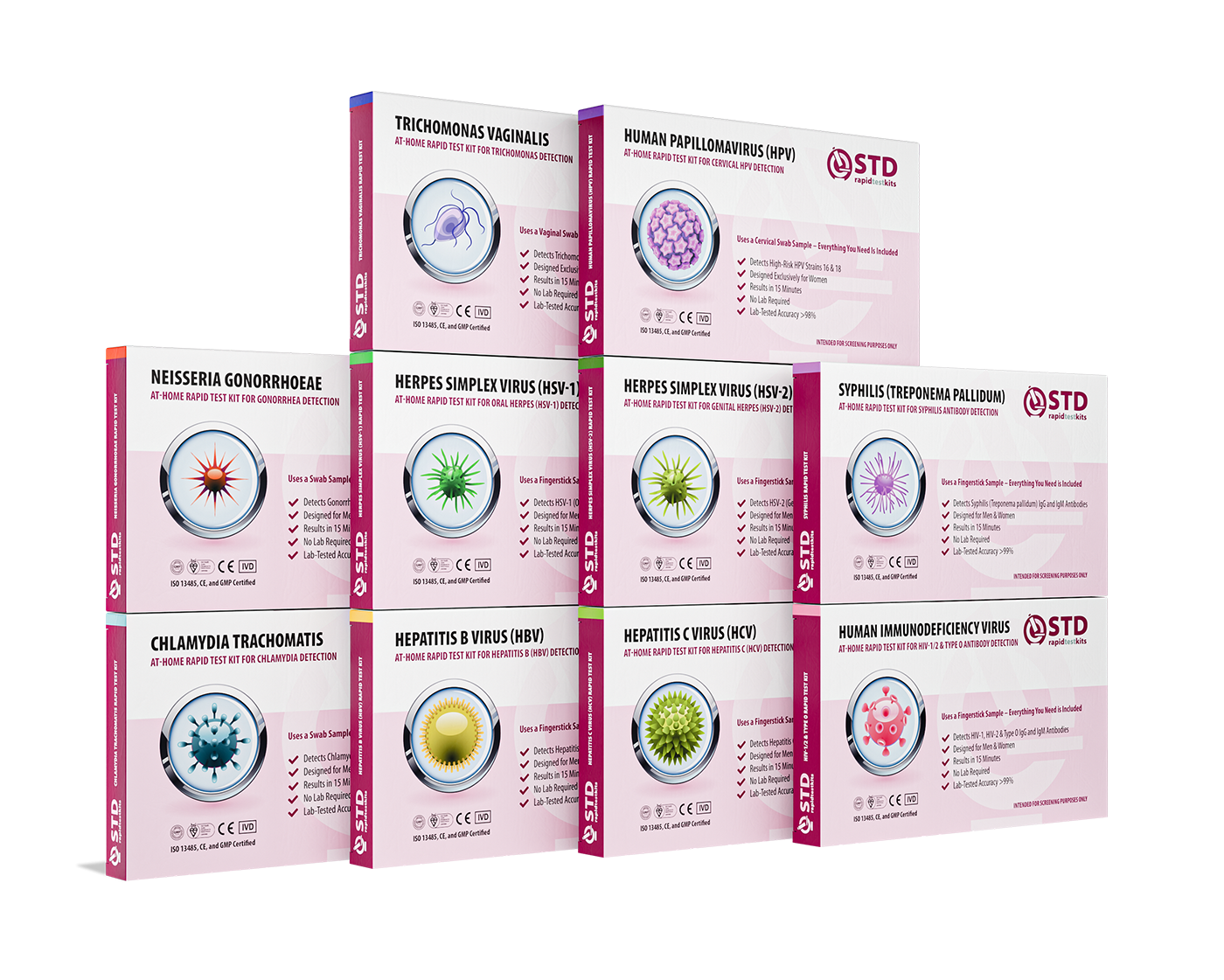 Claim Your Kit TodaySave 61%
 For WomenResults in MinutesNo Lab NeededPrivate & Discreet
For all 10 tests
Practical Applications
Let’s ground this in real life. Here’s what to do, step by step, if you want to test for Herpes:
- Assess your symptoms. If you have sores, go for a swab test ASAP, within 48 hours of appearance.
- Time your blood test. If you had a recent exposure but no symptoms, wait 12–16 weeks for accurate IgG antibody detection.
- Decide how you want to test.
- Prepare emotionally. Understand that a positive result isn’t a sentence, it’s a signal. To take care of your body. To talk honestly with partners. To stop living in fear.
You’re not gross. You’re not broken. You’re just a human with a very common virus, and testing is how you start taking charge.
Industry Impact
As testing becomes more accessible, the ripple effect is already clear:
- Dating apps now include STD status fields and in-app test reminders
- Sex educators are normalizing Herpes status disclosure with scripts and guides
- Telehealth clinics are making test kits a click away, with follow-up counseling included
- Insurance coverage for STD testing is expanding under preventive care clauses
This isn’t just a health shift, it’s a cultural one. And it’s overdue.
Personal Stories or Testimonials
“I thought my life was over,” says Carlos, 34, after testing positive for HSV-2 last year. “Then I realized, nothing really changed. I still date. I still have sex. I just take meds and talk about it earlier.”
Monique, 19, got tested after her first sexual partner gave her oral sex with a cold sore.
“I didn’t even know cold sores were Herpes,” she said. “My friends had them all the time. The test gave me answers I wish I’d had sooner.”
Real people. Real relief. That’s what testing gives you.
Common Misconceptions
Herpes testing is automatic in STD panels.
False. Most providers don’t include it unless you specifically ask.
You can’t test without symptoms.
Wrong. Blood tests are made for that exact scenario.
Only “promiscuous” people get Herpes.
Hard nope. You can get it from one partner, one time, even during oral sex.
Herpes means no more sex life.
Absolutely false. It means safer sex, more honest conversations, and maybe daily antivirals. That’s it.
At-home Herpes test kits aren’t accurate.
Modern at-home blood tests, like those from STD Rapid Test Kits, are lab-analyzed and medically reliable.
FAQ
1. What kind of doctor should I see for Herpes testing?
You can see a primary care doctor, OB/GYN, urologist, or go to an STD clinic. Many people also use telehealth.
2. How much does a Herpes test cost?
In clinics, $50–$200. At home, often $60–$120. Some locations offer free testing.
3. Is there a cure for Herpes?
No, but antivirals can suppress symptoms and reduce transmission.
4. Can I test for Herpes during an outbreak?
Yes, and you should. Swab tests are most accurate with fresh blisters.
5. Should I tell my partner if I test positive?
Yes, ethically and practically. Herpes is manageable, but honesty matters.
6. How do I know if my cold sore is Herpes?
Most cold sores are HSV-1. A swab or blood test confirms it.
7. Will Herpes show up in a blood test immediately?
Not always. It can take weeks for antibodies to appear.
8. Can I get tested for both HSV-1 and HSV-2?
Yes. Good tests distinguish between the two.
9. Is oral sex a risk for genital Herpes?
Absolutely. HSV-1 causes genital infections more than most people realize.
10. Can I take a Herpes test at home?
Yes. Order a Herpes test kit online for discreet, fast results.
Protect Yourself!
Don’t wait and wonder, get tested from home discreetly and quickly. Order your Herpes Home Test Kit today.
Sources
1. CDC – Screening for Genital Herpes: Testing Methods
2. CDC – Herpes (HSV): Testing & Treatment Guidelines
3. MedlinePlus – Herpes (HSV) Test Overview
4. American Sexual Health Association – Herpes Testing Explained
5. USPSTF – Serologic Screening for Genital Herpes
6. FDA – Warning: HSV-2 Serologic Tests May Yield False Positives


