







Will Antibiotics Affect Your STD Test Results?
The Silent Infection with Loud Consequences
Let’s start with the most chilling part: you can have chlamydia during pregnancy and not even know it. That’s not a possibility, it’s the norm. Most people who carry Chlamydia trachomatis never show symptoms. That’s what makes it so dangerous. It lingers quietly in your cervix, your urethra, your rectum, or even your throat, and by the time you notice something’s wrong, it could be far too late.
In the U.S. alone, over 1.6 million cases of chlamydia are reported each year, and experts believe the actual number is much higher. Now imagine how many of those cases belong to people who are currently pregnant, or about to be.
The fact that chlamydia can go undetected for months or years makes it especially sinister for expecting parents. Left untreated during pregnancy, it can cause miscarriage, premature birth, low birth weight, or severe infections in newborns. This is not rare. This is happening every day in delivery rooms across the country.
And yet… most OB/GYNs don’t even test for chlamydia unless you ask, admit to being under 25, or have visible symptoms. Think about that. We test for gestational diabetes, anemia, and Group B strep, but not always for the most commonly reported STI in America. That’s not medicine. That’s malpractice by omission.

How Chlamydia Harms the Body During Pregnancy
If chlamydia stays untreated, the effects can ripple out fast, not just for you, but for the child you’re carrying.
Increased Risk of Miscarriage and Stillbirth
Studies have shown a direct link between untreated chlamydia and early pregnancy loss. The bacteria can inflame the cervix and reproductive tract, weaken the amniotic sac, and in some cases, contribute to fetal death in utero.
This isn’t fear-tactic storytelling, it’s medical reality. While not every case of miscarriage is linked to infection, those with chlamydia face a statistically higher risk of spontaneous abortion during the first trimester.
Premature Rupture of Membranes (PROM)
Chlamydia can weaken the membranes that hold your amniotic fluid, leading to what doctors call PROM, premature rupture of membranes. This can cause your water to break far too early, setting off a cascade of complications:
- Risk of infection in the uterus
- Premature labor
- Emergency delivery
- NICU hospitalization for the baby
Preterm Birth and Low Birth Weight
Even without membrane rupture, chlamydia increases the likelihood of preterm labor. Babies born before 37 weeks often face:
- Breathing difficulties
- Feeding problems
- Higher risk of cerebral palsy
- Long-term developmental delays
They’re also more likely to weigh less than 5.5 pounds at birth, making them vulnerable to nearly every other neonatal complication. And here’s the kicker: if you didn’t know you had chlamydia before labor started? There may be no time to treat it before delivery.
Order Now $129.00 $343.00 Check Your STD Status in Minutes
Test at Home with Remedium
7-in-1 STD Test Kit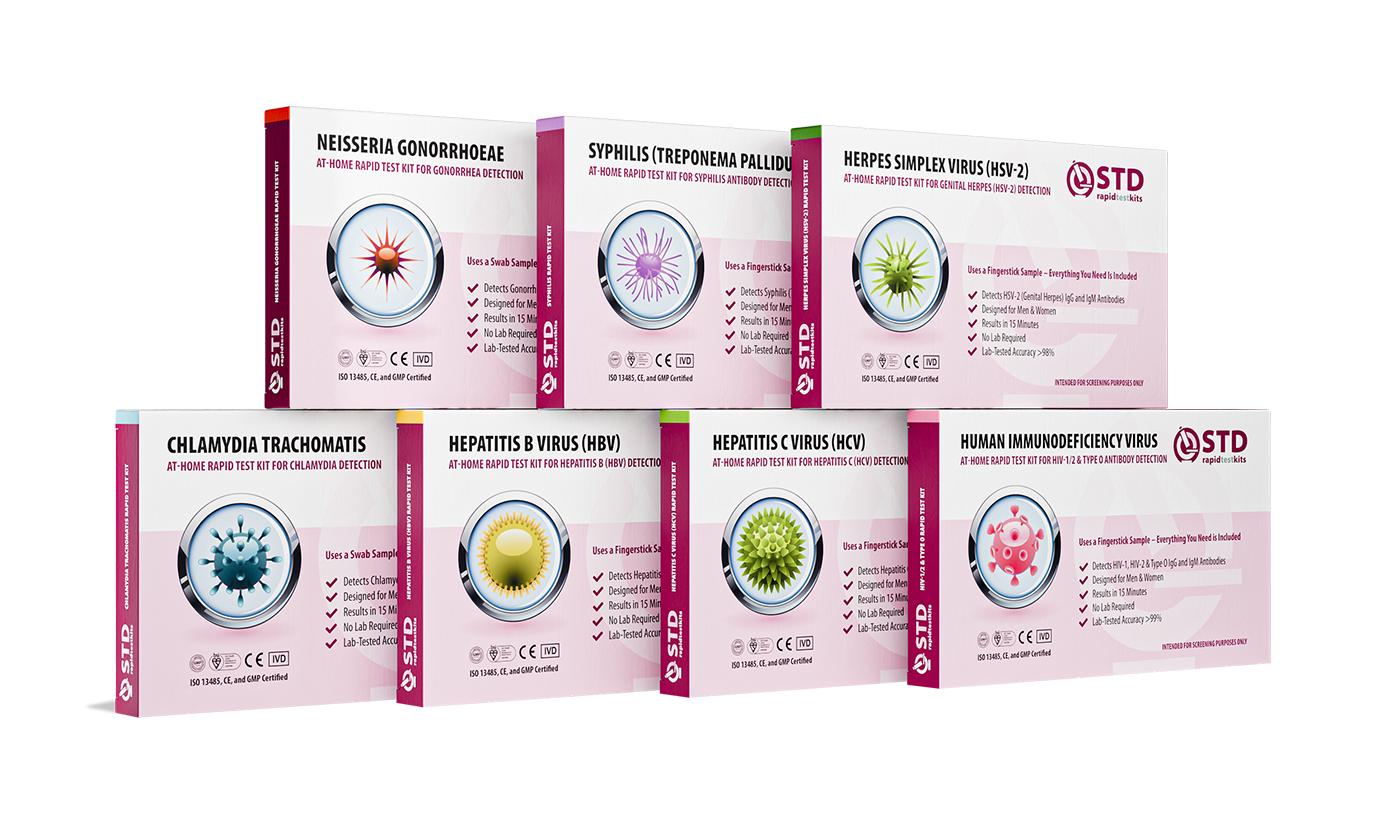 Claim Your Kit TodaySave 62%
 For Men & Women
 Results in Minutes
 No Lab Needed
 Private & Discreet
For all 7 tests
How Chlamydia Affects Your Baby After Birth
Let’s say you make it through pregnancy. Delivery goes smoothly. Baby’s born on time. You think everything’s fine. But if you still have chlamydia, your baby is far from safe.
Neonatal Conjunctivitis (Eye Infection)
One of the most common results of perinatal chlamydia exposure is eye infection, also known as neonatal conjunctivitis. It usually develops 5 to 12 days after birth and can lead to:
- Swollen eyelids
- Yellow discharge
- Crusting
- Eye damage if untreated
It’s not just a little irritation. In severe cases, chlamydia in the eyes can cause permanent vision loss.
Neonatal Pneumonia
Even scarier? Chlamydia can settle in the baby’s lungs, causing slow-onset pneumonia. The symptoms often appear 1 to 3 months after birth and include:
- Rapid breathing
- Persistent coughing
- Poor feeding
- Lethargy
This isn’t your typical cold. Neonatal pneumonia caused by chlamydia often requires hospitalization, intravenous antibiotics, and careful monitoring. And it could have been prevented with a simple test and a 7-day antibiotic course before birth.

Chlamydia Is Treatable During Pregnancy, If You Catch It In Time
Here’s the one piece of good news in this entire mess: chlamydia is treatable during pregnancy, and the antibiotics used are both effective and safe for you and your baby.
First-Line Treatment
The most common treatment for pregnant patients is azithromycin, a single oral dose of 1 gram. It’s safe, simple, and doesn’t require long-term medication. If azithromycin can’t be used, amoxicillin is another pregnancy-safe option.
Unlike non-pregnant patients, doxycycline is not used because it can harm fetal development. This is why testing early matters, the type of treatment changes based on your body and trimester.
You’ll Need a Test-of-Cure
Because pregnancy is a higher-risk condition, the CDC recommends a test-of-cure about 3 to 4 weeks after finishing treatment. This ensures the infection is fully gone and hasn't reemerged.
You’ll also need to get retested in your third trimester, especially if you’re under 25 or have new or multiple partners. Why? Because you can get reinfected at any time during pregnancy, and you don’t want to go into labor with undetected chlamydia still hanging around.
How to Get Tested Without the Judgment
Now let’s address the elephant in the waiting room: a lot of pregnant people avoid STD testing because they’re afraid of being judged.
- Judged by their doctor.
- Judged by their partner.
- Judged by society for even considering that an STI might be in the mix while pregnant.
Let’s kill that shame right here.
- You can be faithful and still get chlamydia.
- You can be educated and still get chlamydia.
- You can be pregnant, terrified, confused, and still deserve answers.
If talking to your OB feels too awkward, or you want to confirm your results before involving anyone else, go the discreet route: order an at-home test from stdrapidtestkits.com. No appointments. No awkward small talk. Just results you can trust, delivered quietly and quickly.
Check Your STD Status in Minutes
Test at Home with Remedium6-in-1 STD Rapid Test Kit

Claim Your Kit Today
Save 60%
For Men & WomenResults in MinutesNo Lab NeededPrivate & DiscreetOrder Now $119.00 $294.00
For all 6 tests
What If You’re Already Pregnant and Just Found Out?
If you’re reading this mid-pregnancy and already tested positive, don’t panic, but don’t wait, either. Every day the infection sits untreated increases the risk to you and your baby.
Here’s What To Do
- Get prescribed treatment immediately. Even one more week untreated can increase complications.
- Tell your partner(s). They’ll need to be tested and treated too, or you risk getting reinfected.
- Abstain from sex until you’re both cleared and your test-of-cure confirms success.
- Plan for extra monitoring. Your provider may do additional scans or check fetal development more closely depending on when and how long the infection was present.
- Push for postpartum testing if you weren’t retested before delivery.
Pregnancy is stressful enough without adding surprise STDs to the mix, but information is power, and action is protection.
Breaking the Cycle of Ignorance
The only reason chlamydia keeps threatening pregnancies is because we keep ignoring it. Health systems that don’t screen universally. Doctors who skip the uncomfortable questions. Patients who are too ashamed or afraid to speak up. It’s a cycle, and it’s hurting babies before they even take their first breath.
- This isn’t just about you.
- It’s about every baby born infected.
- Every parent blindsided.
- Every couple who struggles to conceive later and never finds out why.
FAQs
1. Can I have chlamydia while pregnant and not know it?
Yes, and this is what makes it so dangerous. Chlamydia is often asymptomatic, meaning you can carry the infection without seeing or feeling any signs. This is why regular STD screening during pregnancy is critical.
2. Can chlamydia cause miscarriage?
Yes. Untreated chlamydia has been associated with an increased risk of first-trimester miscarriage and other pregnancy losses. The bacteria can trigger inflammation and infection that destabilize early pregnancy.
3. Can chlamydia harm my baby?
Absolutely. Chlamydia can cause eye infections, pneumonia, and other serious health issues in newborns. It can also contribute to low birth weight, premature labor, and long-term respiratory problems.
4. Is it safe to treat chlamydia during pregnancy?
Yes. Azithromycin is the standard treatment and is considered safe for use during pregnancy. It's typically given as a single oral dose.
5. Will my OB/GYN automatically test me for chlamydia?
Not always. In many places, testing is only done if you’re under 25, have risk factors, or request it. That’s why it’s crucial to advocate for yourself and ask for testing.
6. Can I get chlamydia again during pregnancy?
Yes. You can be reinfected at any point, even after treatment, if your partner isn’t treated too. Regular testing throughout pregnancy is key, especially if you’re sexually active with a new or untreated partner.
7. Will chlamydia go away on its own if I’m pregnant?
No. Chlamydia does not resolve without antibiotics. Delaying treatment increases the risk of complications for both you and your baby.
8. Can I pass chlamydia to my baby during delivery?
Yes. Chlamydia can be transmitted through the birth canal, leading to conjunctivitis or pneumonia in newborns. Early testing and treatment can prevent this entirely.
9. Can I breastfeed if I had chlamydia while pregnant?
Yes, as long as you've completed treatment and your healthcare provider confirms the infection has cleared. Chlamydia is not passed through breast milk.
10. Should my partner get tested if I’m pregnant and have chlamydia?
Without question. Any current or recent sexual partner must be tested and treated, even if they have no symptoms. If they’re not treated, they can reinfect you.
Your Next Move
If you're currently pregnant or planning to be:
- Test now if you haven’t.
- Test again in the third trimester if you're sexually active.
- Test your partner, even if they swear they’re clean.
Sources
1.- CDC: STD Data & Statistics 2023
2.- Mayo Clinic: Chlamydia Infection Overview


