





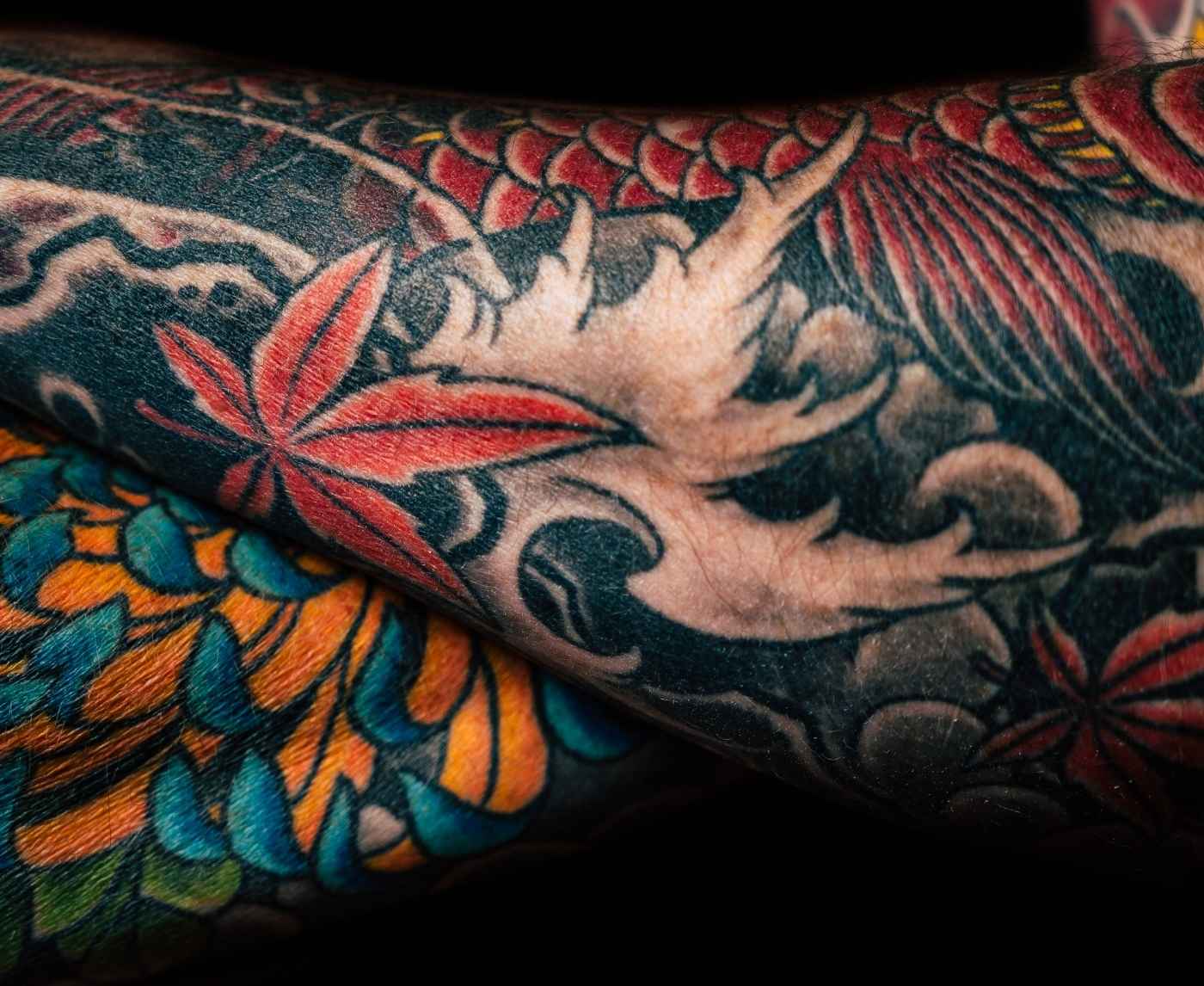

Can You Get an STD from a Tongue Piercing? Here’s the Truth
Tattoo and Piercing Infection Risks: The Big Picture
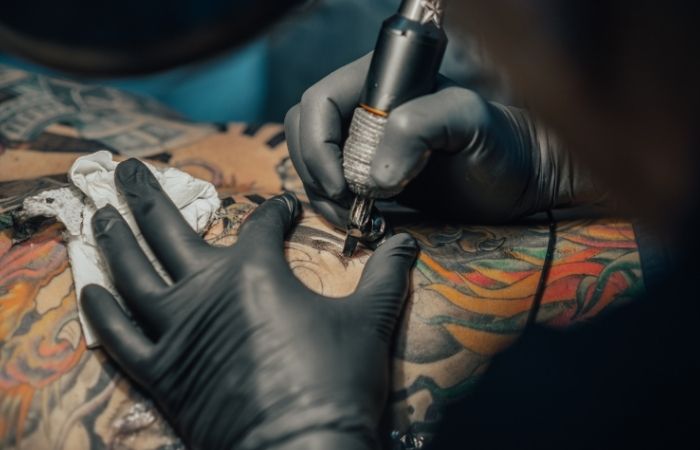
When you walk into a tattoo parlor or piercing studio, you’re thinking about the art, the adrenaline, the transformation, not the microscopic risks lurking in every needle. But here’s the truth: if proper hygiene protocols aren’t strictly followed, a tattoo or piercing session can expose you to serious infections, including sexually transmitted diseases (STDs).
Modern tattooing and piercing involve breaking the skin, creating tiny open wounds. If the equipment isn’t sterilized, these wounds can act as direct pathways for dangerous pathogens like HIV, hepatitis B and C, and bacterial infections. These were largely absent in historical forms of body modification.
The biggest culprits you need to worry about?
- Hepatitis B (HBV): Highly contagious, survives outside the body for at least seven days, attacks the liver, and can cause lifelong damage or cancer.
- Hepatitis C (HCV): Often symptomless until severe liver damage occurs. Transmitted similarly to HBV.
- HIV: Rare today in regulated environments, but still possible with contaminated needles.
These viruses are bloodborne STDs and don’t require sexual activity, just contaminated blood and broken skin. In low-regulation or underground environments, the risks increase significantly.
What About Other STDs?
Most classic STDs like gonorrhea or chlamydia require mucous membrane contact and aren’t spread by needles. But:
- Syphilis: Can be spread if an artist touches a sore and then your open wound without hygiene precautions.
- Herpes simplex virus (HSV-1 and HSV-2): Could transfer via blisters and unsanitary tools.
The risk is lower, but never zero. Broken skin opens the door for cross-contamination.
Key Benefits of Safe Tattoo and Piercing Practices
When studios follow proper procedures, infection risks drop drastically. A clean, licensed parlor adhering to health codes protects you by:
- Using single-use needles and ink containers
- Sterilizing reusable equipment in autoclaves
- Wearing gloves and masks for hygiene
- Providing proper aftercare instructions
These practices not only keep you safe, but also help your body art heal properly and last longer.
Check Your STD Status in Minutes
Test at Home with RemediumHepatitis B & Hepatitis C Test Kit
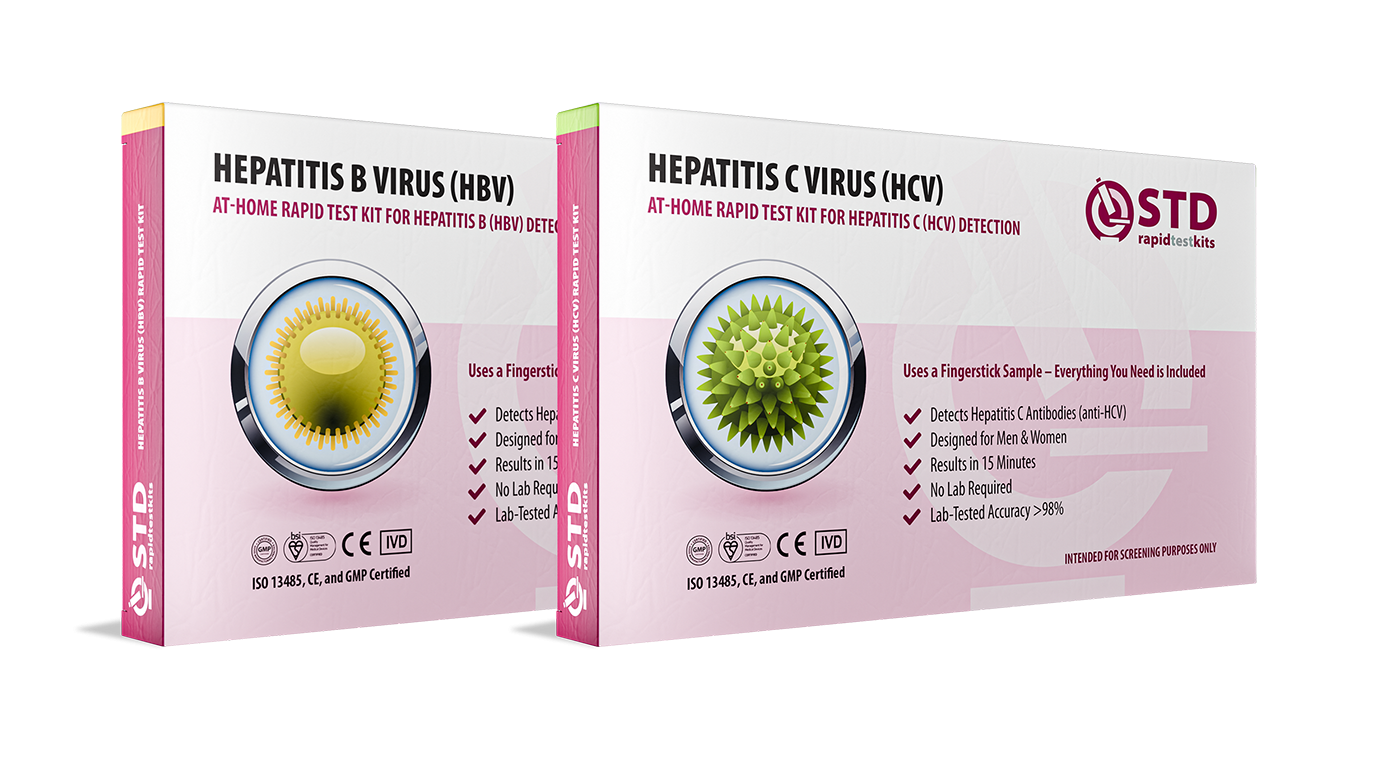
Claim Your Kit Today
Save 50%
 For Men & Women
 Results in Minutes
 No Lab Needed
 Private & Discreet
Order Now $49.00 $98.00
For all 2 tests
What the Data Says: Infection Rates and Tattoo Safety
Studies show infections are rare in licensed environments. But when they occur, unregulated shops are nearly always to blame. Unclean tools, reused ink, and poor sanitation are key culprits.
A BMC Public Health survey found 43% of young adults had no idea tattoos and piercings carried infection risks. That’s almost half walking in unprepared.
WHO warns of unregulated artists operating at festivals or in illegal setups, where Hepatitis B, C, and other pathogens thrive due to poor hygiene.
In contrast, regulated U.S. studios often follow strict sterilization, inspection, and licensing protocols. But laws vary. So education remains your best defense: know what clean should look like.
What the Experts Say: Medical Opinion
Doctors emphasize: it’s not tattoos or piercings that are dangerous, it’s how they’re done.
Dr. Carla Watson, infectious disease specialist, warns: “If a shop is cutting corners, the client is in danger. With proper sterilization, the risk of transmitting Hepatitis C or HIV is very low.”
Example: In 2016, watered-down tattoo ink caused a nontuberculous mycobacteria outbreak. The ink was contaminated before it even reached the needle, proving supply chain hygiene also matters.
Immunocompromised people (with HIV, diabetes, etc.) should be extra cautious. Even mild infections can become serious in their case.
A Look Back: The History of Tattoo and Piercing Infections
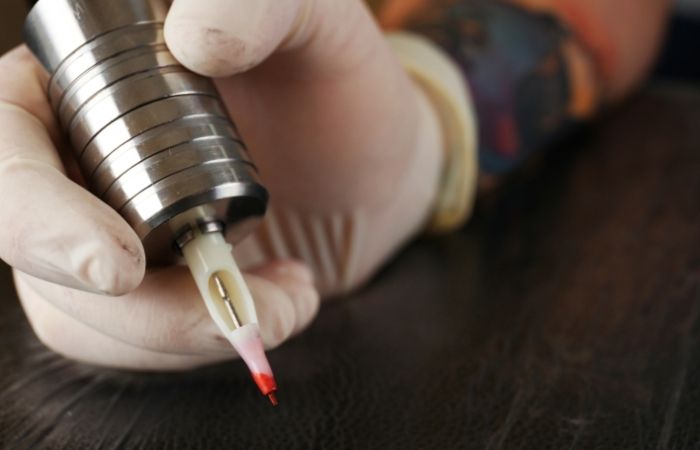
Tattoos and piercings have existed for millennia. But medical concern over infection is relatively new.
Ancient tools were crude, bone, metal, or stone, and infections were expected and endured.
In the 20th century, tattoos became more common among sailors, bikers, and prisoners. Infections increased with popularity.
The HIV/AIDS crisis of the 1980s prompted global regulation of tattoo and piercing practices. Today, professional parlors are cleaner and safer than ever, but the underground scene still poses serious risks.
What's Next: Future of Tattoo Safety and Infection Prevention
Technology and public health standards are improving:
- Single-use ink cartridges are replacing shared ink pots
- Disposable tattoo machines reduce risk of contamination
- Stricter licensing requirements are spreading across U.S. states
- Home piercing kits now include better hygiene instructions and tools, but professionals still recommend studio work
Dermatology is blending with body art too. Some dermatologists now perform “medical tattooing” for scar concealment or restoration, using medical-grade protocols.
Check Your STD Status in Minutes
Test at Home with RemediumHIV Rapid Test Kit
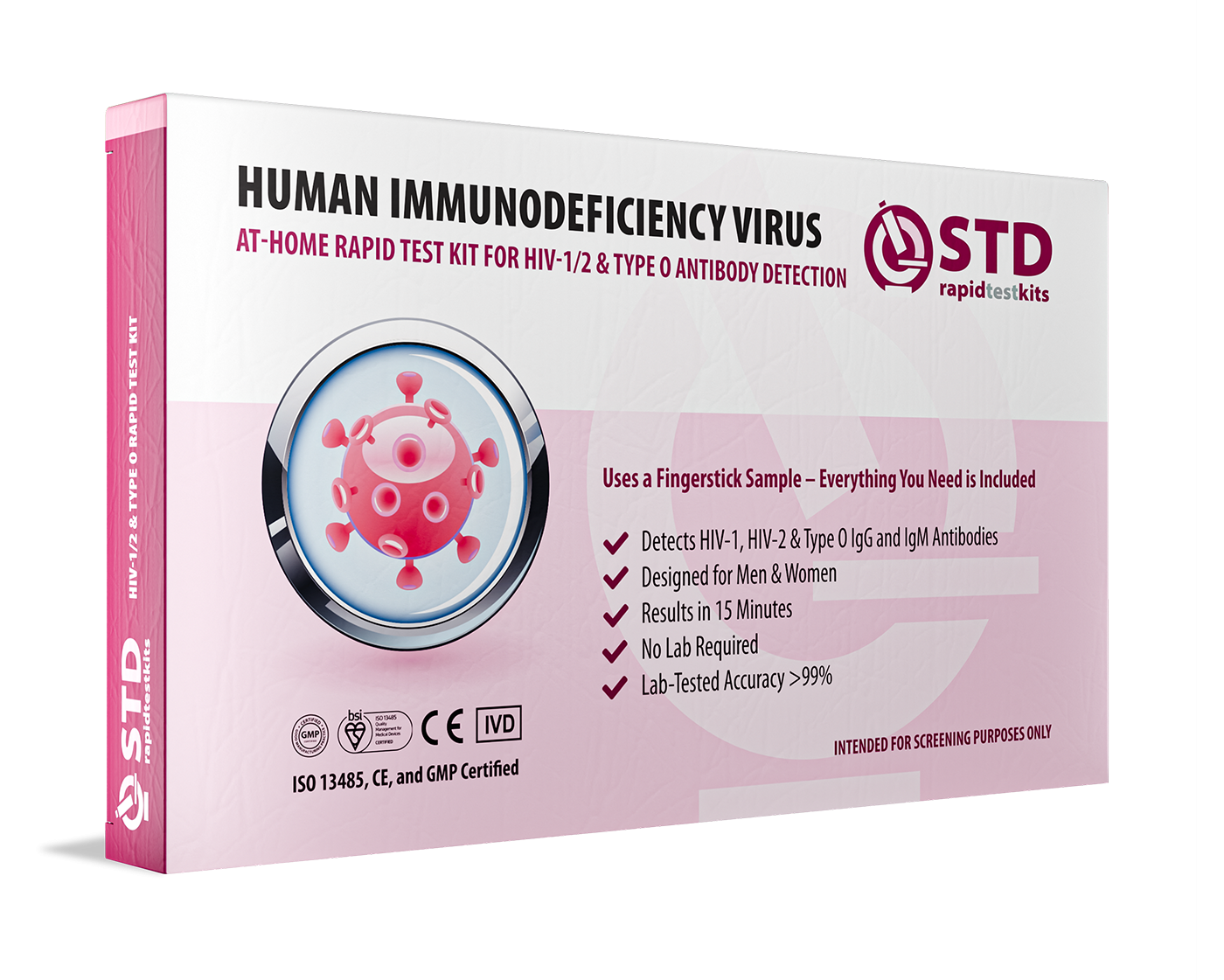
Claim Your Kit Today
Save 31%
For Men & WomenResults in MinutesNo Lab NeededPrivate & DiscreetOrder Now $33.99 $49.00
Real-Life Impact: When It Goes Right (and When It Goes Very Wrong)
These aren’t just statistics, these are real people and real consequences.
Jessie, 22, got a cartilage piercing at a music festival booth with no license in sight. A week later: painful swelling, pus, and an infection that required antibiotics and minor surgery.
"The needle didn’t even look sketchy," she said. "But it was so painful I couldn’t sleep. I was lucky it didn’t spread worse."
On the other hand, Carlos, 29, has 15 tattoos from reputable studios, no issues ever.
"Every artist broke the needle seal in front of me and explained their cleaning process. I even got tested recently, no problems."
The takeaway: clean shops and responsible artists protect your health. Unlicensed, careless setups can put your life at risk.
How to Apply This: Protecting Yourself When You Get Tattooed or Pierced
Planning to get inked or pierced? Don’t panic, just be proactive. It’s about more than art; it’s about protecting your long-term health.
Here’s how to do it right:
- Do your homework: Research the shop, read reviews, confirm licenses, and check inspection records if possible.
- Ask direct questions: A good artist explains sterilization openly. They should open new needles in front of you and wear gloves throughout.
- Bring your own jewelry if needed: Especially if you have allergies. Materials like titanium or surgical steel are best, and reputable studios often allow it.
- Avoid unlicensed setups: House parties, festivals, and pop-ups often lack proper hygiene. No license = no legal protection.
- Follow aftercare instructions: Infections often happen later due to poor hygiene. Clean your wound, avoid dirty hands, and skip risky places like pools and gyms.
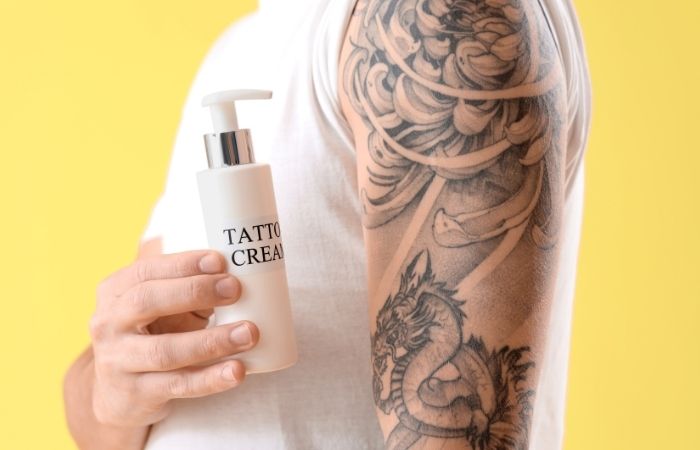
Tattoo and Piercing Safety by Industry
Certain jobs have body art concerns:
- Healthcare workers are discouraged from getting new piercings or tattoos due to infection risk.
- Food service workers may need to cover or remove fresh piercings until healed.
- Athletes may have to pause training to avoid sweat-related infections.
- Military members must follow strict sanitation and healing timelines.
Knowing your industry’s expectations can help you time your procedure wisely.
5 Biggest Myths About Tattoos, Piercings, and STD Risks
Myth: You Can’t Get an STD from a Tattoo or Piercing
Reality: Bloodborne STDs like Hepatitis B, C, and HIV can be transmitted through dirty needles or ink. Even trendy shops can pose risks if hygiene is sloppy.
Myth: It’s Only Sketchy-Looking Shops You Have to Worry About
Reality: Fancy shops aren’t always safe. Ask about certifications and sterilization, don’t let décor fool you.
Myth: If You Bring Your Own Jewelry or Needles, You're Automatically Safe
Reality: The environment matters too. If sterilization is poor, even safe materials can get contaminated.
Myth: Infections Happen Right Away
Reality: Many infections, including HIV and Hepatitis, can take weeks or months to show symptoms.
Myth: Aftercare Doesn’t Matter If the Studio Was Clean
Reality: A clean studio helps, but poor aftercare ruins everything. Skipping cleaning or going swimming too soon can still cause infections.
Check Your STD Status in Minutes
Test at Home with RemediumGenital Herpes Test Kit
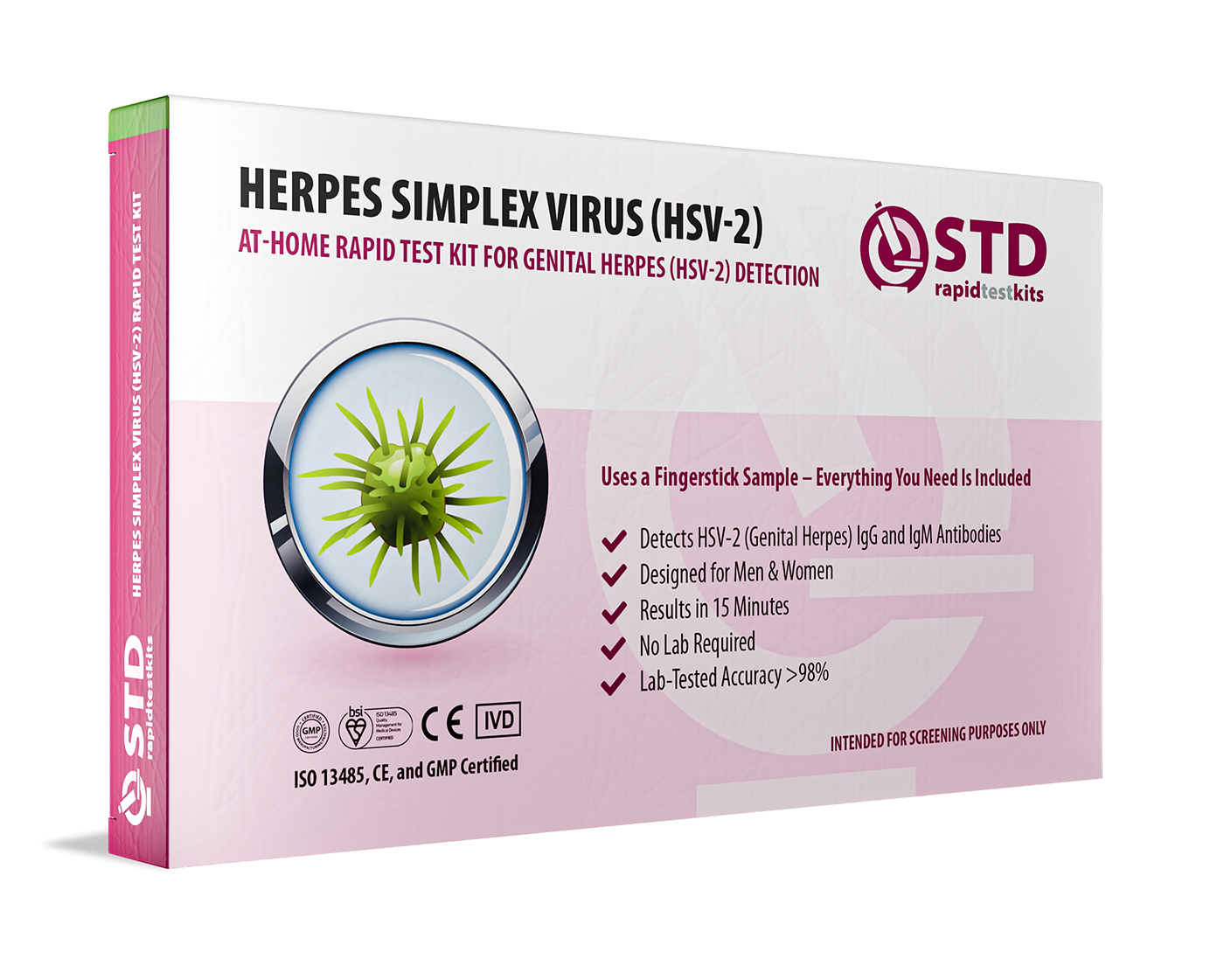
Claim Your Kit Today
Save 6%
For Men & WomenResults in MinutesNo Lab NeededPrivate & DiscreetOrder Now $45.99 $49.00
FAQs
1. Can I get an STD from a tattoo needle?
Yes, if the needle is contaminated. Clean, disposable needles prevent this risk.
2. Are piercing guns riskier than needles?
Yes. Piercing guns can't be fully sterilized and often cause more trauma, increasing infection risk.
3. Is HIV transmission via tattooing common?
No. It’s rare, but still possible if equipment is not sterile. Hepatitis is more likely.
4. Do STD tests detect tattoo-transmitted infections?
Yes. Tests can detect HIV, hepatitis B and C, and syphilis, even if caught from a tattoo or piercing.
5. How can I tell if a tattoo shop is safe?
They should be licensed, use disposable gear, and open needles in front of you.
6. What are signs of an infected tattoo or piercing?
Swelling, pus, pain, redness, or bad smell, especially if symptoms worsen. See a doctor if unsure.
7. Are tattoos or DIY piercings at home safe?
No. Unless sterile, you risk serious infections. It's not worth it.
8. Can I donate blood after body art?
Yes, if the procedure was done in a licensed shop. Otherwise, there's usually a waiting period.
9. What questions should I ask my artist?
Ask about sterilization, experience, and aftercare. A good artist welcomes questions.
10. I think I got infected from a tattoo. What now?
Get tested right away. Early detection is key. Home STD kits work, or visit a clinic.
Stay Safe, Stay Informed: Final Thoughts on Tattoo and Piercing Risks
Tattoos and piercings don’t have to be dangerous. But the wrong environment or poor hygiene can turn body art into a serious health threat.
With the right precautions, you can express yourself safely and avoid infections, including those linked to bloodborne diseases. It all comes down to smart choices: do your research, ask the right questions, and listen to your gut.
And if something feels off after your appointment? Don’t guess, get tested.
Home STD test kits are quick, private, and easy to use. Whether it’s peace of mind or early detection, they’re a smart move for staying healthy.
Sources
1.- Tattoos and Piercings: Risks and Precautions – Mayo Clinic
2.- Infectious Complications of Tattooing and Body Piercing – NCBI Bookshelf
3.- Systematic Review of Risks for the Body-Pierced Community – Public Health Journal
4.- Infective Complications of Tattooing and Skin Piercing – ScienceDirect
5.- Medical Concerns with Body Modification – PubMed Central (PMC)


