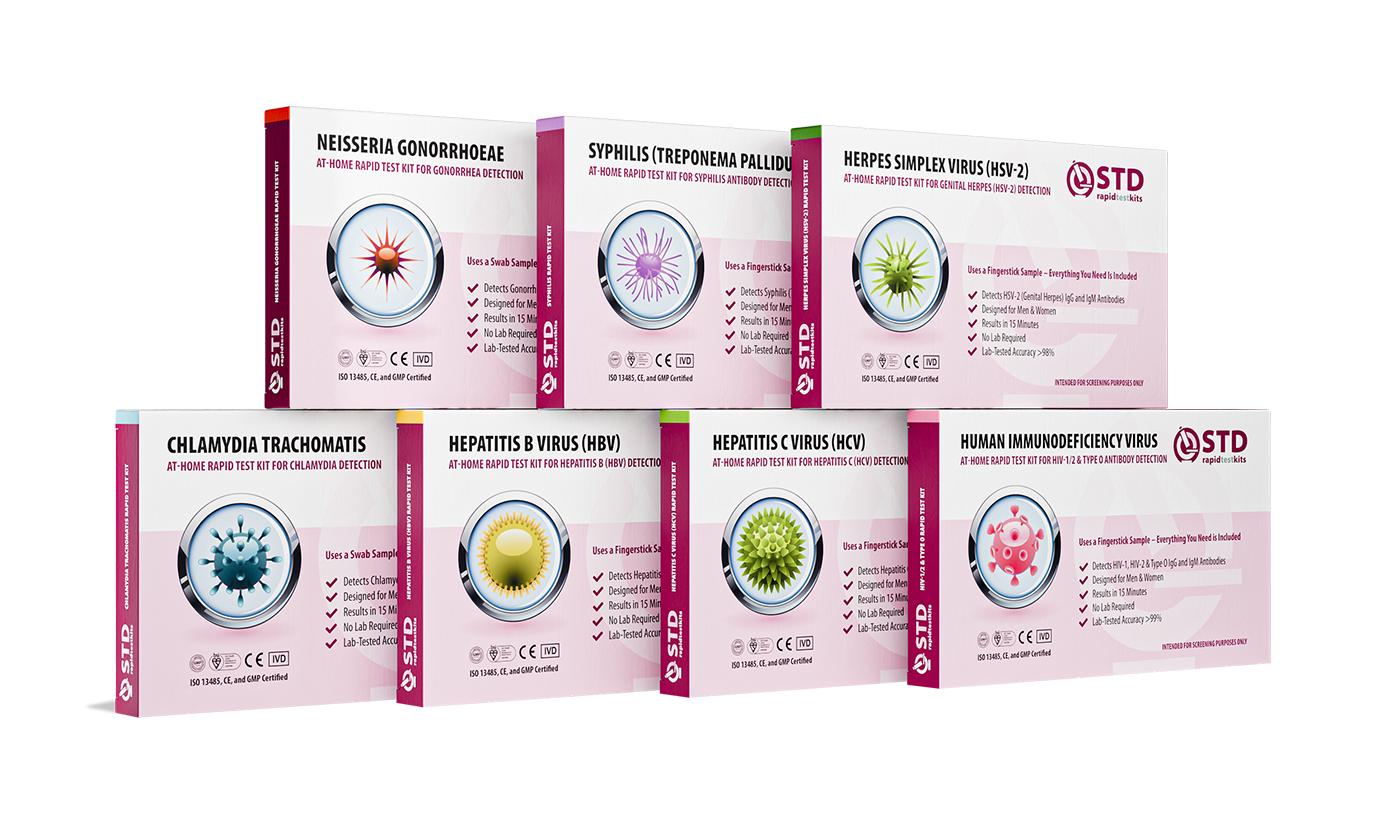
Post-Exposure Prophylaxis and its Role in STD Management
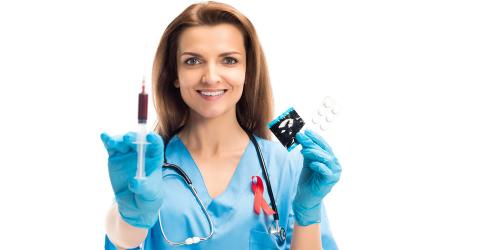
Post-exposure prophylaxis (PEP) is normally a very timely application of medical treatment in order to prevent infection when a person has been exposed to a potentially dangerous pathogen or substance. Commonly associated with PEP in HIV management, it also finds its wide application in the prevention of diseases such as rabies, hepatitis viruses, Clostridium tetani (tetanus), and anthrax. The main purpose of PEP is to prevent the development of a disease before the onset of symptoms. It is, therefore, essential to realize that PEP does not work after the disease has shown itself.
05 October 2024
4 min read
1412
Why PEP is Important in the Management of HIV
The most talked-about virus when considering PEP is the human immunodeficiency virus (HIV), since it is an incurable, lifetime disease. The fear of acquiring an infection of HIV makes PEP a very important intervention in reducing risks and improving health outcomes.
Types of PEP: Occupational versus Non-Occupational
PEP has been broadly divided into two categories: occupational post-exposure prophylaxis (oPEP) and non-occupational post-exposure prophylaxis (nPEP).
Occupational PEP (oPEP) refers to healthcare workers and others in the field who get unintentionally exposed to infectious agents. Such exposure can occur through needle prick injuries, a common mode of transmission for infections like HIV and hepatitis.
Non-occupational PEP (nPEP) is administered to those who acquire possible infections outside of working conditions. This includes cases associated with sexual intercourse or the use of illegal drugs.
PEP is a prevention drug, not a treatment drug. The candidates for this drug are:
Those working professionals who experience needlestick injuries at work
Those who have a history of sexual relations with individuals from HIV-prevalent regions
Persons exposed to infectious diseases due to sexual intercourse, particularly men having sexual relations with other men
Neonates born to either an HIV-positive or Hepatitis B-infected mother, with PEP given right away before routine newborn medications
Intravenous drug abusers who share needles or drug preparation equipment
Victims of sexual abuse or assault
Timing and Administration of PEP
The best efficacy of PEP can be achieved within 72 hours following exposure, and in the case of possible exposure to rabies, within 24 hours. After these time frames, the effectiveness of PEP is significantly compromised.
PEP is an emergency prevention measure and should be administered as soon as possible following exposure. Needlestick injuries and sexual abuse/assault should be brought to the attention of a healthcare professional immediately. In the event of exposure to a potential source of HIV, PEP is usually taken for 28 days and followed up with an HIV test to monitor the body's reaction to the treatment. PEP is only effective in relation to HIV if later tests come back negative.
Adherence and Efficacy of PEP
It is necessary to underline that the effectiveness of post-exposure prophylaxis considerably depends on strict adherence to the treatment protocol provided by a healthcare professional. When PEP is taken in compliance with recommendations, the chances of pathogen transmission and the development of infection can be significantly reduced. However, PEP is not a solution by itself. It must be used in conjunction with safe practices such as:
Condom use during every sexual encounter
Avoiding the sharing of needles or drug paraphernalia
PEP and Its Place in Public Health
In managing sexually transmitted diseases and infections resulting from occupational exposure, PEP has become indispensable in public health. It is a vital element of emergency medical assistance and one of the most efficient methods for controlling infectious diseases.
That said, PEP should not be viewed as a substitute for other preventive measures like safe sex, regular STI testing, or adherence to occupational safety regulations. It is a last-resort measure, intended for application under unforeseen and emergent conditions.
In fact, in the face of potential exposure to dangerous pathogens, timely and proper application of PEP often spells the difference between infection and protection. While it is not a cure, PEP provides a critical window for preventing severe diseases such as HIV, hepatitis, and rabies.
PEP: A Vital Component in Infectious Disease Management
It is worth noting, however, that prevention will always be more effective than treatment. Safe sex practices, following occupational safety protocols, and maintaining good hygiene should always be the first line of defense against infections.
Ultimately, PEP serves as a powerful tool in the management and prevention of infectious diseases. With timely administration and strict adherence, post-exposure prophylaxis remains an invaluable asset in the fight against global health threats.







 For Men & Women
 Results in Minutes
 No Lab Needed
 Private & Discreet