







Can You Get an STD Even with a Condom?
We're dismantling the real risks of sex tourism, what it is, why it's a problem, and how you can protect yourself before you even get on the plane. You'll have firsthand experiences, medical information, prevention tips, and hard facts, all aimed at making you travel smarter and safer.
Sexually Transmitted Infections and Travel: What's the Real Risk?
Sex tourism can be a buzzword on the front page of the newspaper for headlines about news articles, but it is a reality. Sex tourism is simply traveling, often abroad, to engage in sex, often with prostitutes. Sex tourism is what many think of when they hear about places like Thailand, the Dominican Republic, or African nations, but it is done everywhere, even the larger metropolitan areas in Europe and South America.
The main issue is not where, it's how these sexual encounters are happening. According to the Centers for Disease Control and Prevention (CDC), travelers who engage in casual sex while abroad are much more likely to contract a sexually transmitted disease, especially when alcohol, drug use, or unfamiliarity with local health care systems are involved.
The World Health Organization approximates that more than 1 million STIs are acquired each day worldwide. And in most of the big sex tourism destinations, cheap sexual health care is not available, so infections are not diagnosed or treated, leading to even greater transmission risks for locals and visitors alike.
You don't need to participate in sex tourism, however, to be at risk. A single night, a new partner, and a mistaken sense of security are sometimes all that are required. Foreigners are frequently anonymous on the road, and it's easier to take chances they would not take if they were in their home communities.
Why This Matters: The Hidden Dangers of Casual Sex Abroad
This is where things become serious: sex tourism may have much more than emotional baggage. Here are the most critical health concerns you should know about:
- Increased STD Exposure – Locals and tourists in sex tourism sites may not have ready access to testing or use condoms irregularly, creating ideal conditions for disease transmission.
- Antibiotic-Resistant Infections – Gonorrhea and other STDs in some regions have developed resistance to treatment, especially in Southeast Asia and in some parts of Africa.
- Delayed Diagnosis – The majority of people don't develop symptoms immediately, or ever. If you don't get tested after returning from your trip, you might unknowingly transmit an infection to others.
- Limited Access to Care – If you become ill or injured while abroad, you might not have access to the proper treatment until you return home.
- Stigma and Legal Risks – In some countries, purchasing or selling commercial sex (as a buyer or seller) can have serious legal consequences, especially for LGBTQ+ tourists.
Let's also not forget about the emotional toll. For many tourists, an impromptu affair might be fun at the time but become anxiety, guilt, or confusion once the travel buzz has gone away. Toss that into a hot stinging sensation or a positive STD result, and the memory turns painful instead of pleasant.
Check Your STD Status in Minutes
Test at Home with Remedium7-in-1 STD Test Kit

Claim Your Kit Today
Save 62%
 For Men & Women
 Results in Minutes
 No Lab Needed
 Private & Discreet
Order Now $129.00 $343.00
For all 7 tests
Prevention: How to Protect Yourself Before and During Your Trip
The good news? None of this means you have to cancel your trip or forgo living your life. It just means being smart, and prepared.
Here's how to guard yourself:
- Pack Protection: Always bring your own condoms (yes, even if you're a woman). Not all countries regulate condom quality, and there might be scarce supplies.
- Get Vaccinated: Hepatitis B and HPV vaccines are a good idea for any sexually active individual, especially when traveling overseas.
- Know Where to Get Help: Locate local clinics or foreign medical facilities in your host city.
- Test Before and After Traveling: Even if you have no symptoms, regular testing is necessary. Home STD test kits are discreet and easy to use, and you can have one mailed to you before or after you travel.
- Stay Away from Risky Situations: Keep an eye on yourself when drinking or clubbing. Your judgment is your best defense.
- Practice Safe Sex Always: condoms protect against most STDs, but not all. Oral sex, for example, still inflicts syphilis, herpes, and gonorrhea on you.
Being a responsible traveler is not paranoia, empowerment. Having knowledge to take care of yourself frees you to have fun on your vacation without concern about what might happen afterwards.

STD Statistics from Sex Tourism Hotspots: What the Data Shows
Let's discuss numbers. Although sex tourism is a niche subject, the health risks involved are anything but marginal.
- A study in Travel Medicine and Infectious Disease revealed that 20% to 50% of foreign travelers who engaged in sexual contact while traveling abroad reported not using condoms during their sexual encounters.
- In Thailand, one of the world's most infamous sex tourism sites, researchers found that rates of STD infection were higher among foreign clients and sex workers than the country's national rate, especially for HIV and gonorrhea.
- Gonorrhea that is resistant to ceftriaxone, the last-resort antibiotic, has been identified in tourists returning from Southeast Asia and the Caribbean, the CDC found.
- A meta-analysis of travel-related STI data from over 40 countries found that single men traveling alone were the most likely group to report casual sex and STDs acquired while traveling.
- Local clinics in Spain's party coastal cities reported a 15% rise in STD cases during the summer months, which coincide with tourism peaks.
The numbers confirms what most public health workers already intuit: sex tourism and the spread of STDs go together. But it also affirms that the problem is not confined to the "developing" world. The combination of tourism, anonymity, and spontaneity makes risk possible everywhere.
Check Your STD Status in Minutes
Test at Home with Remedium8-in-1 STD Test Kit
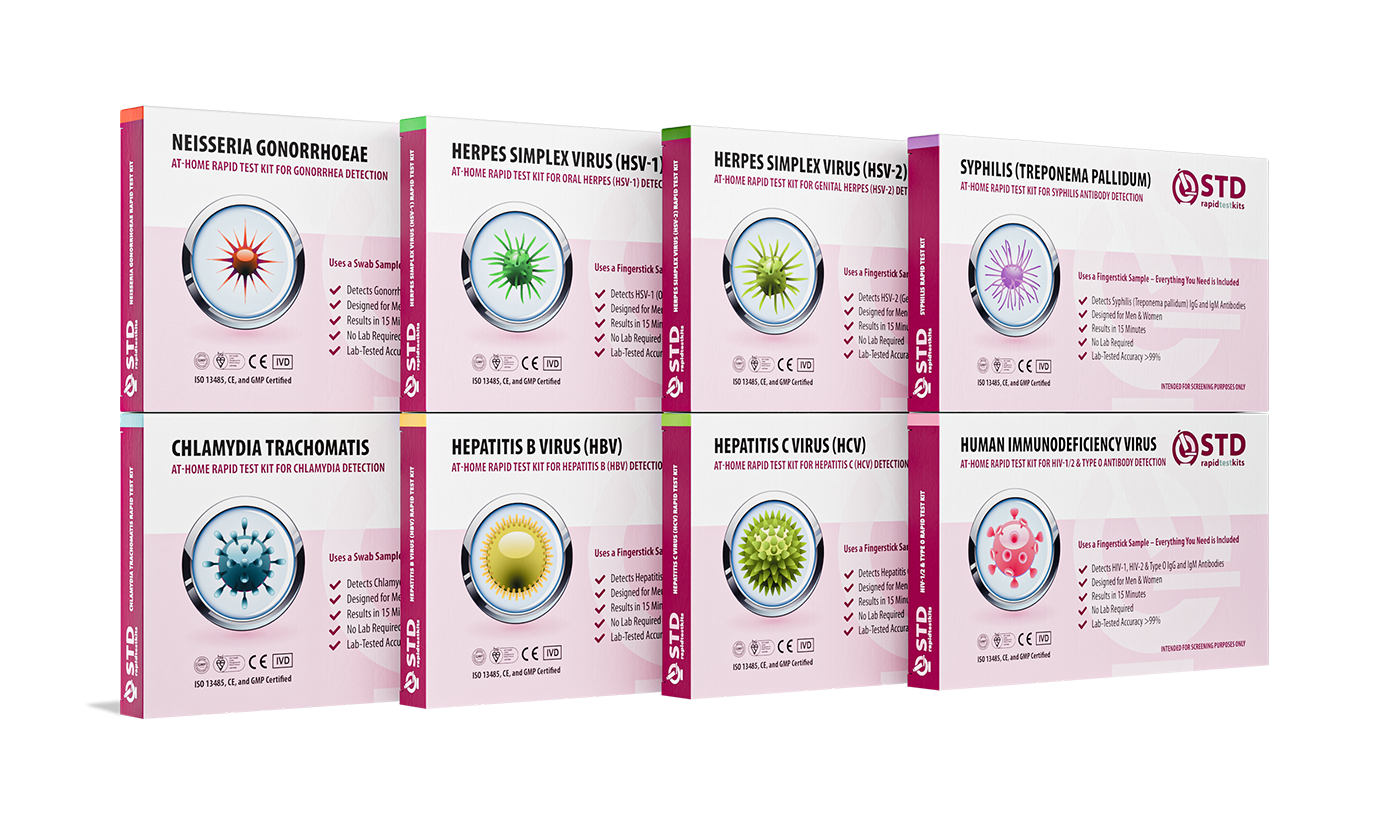
Claim Your Kit Today
Save 62%
For Men & WomenResults in MinutesNo Lab NeededPrivate & DiscreetOrder Now $149.00 $392.00
For all 8 tests
What the Experts Say: Medical Insight into the Rising Risks
Dr. Anna Muldoon, co-author of several WHO reports on travel and sexual health and a global health advisor, described in a 2023 webinar, "We are now seeing more cases of travelers returning home with drug-resistant gonorrhea, particularly from sex destination places in Asia and some European destinations. It's not just a public health issue; it's a silent epidemic."
Another study by the International Society of Travel Medicine warns that "health messaging around safe sex has not caught up to the realities of modern tourism." Few travelers are unaware of the risks, and even they do tend to downplay the risk when on a vacation mood.
Doctors at travel clinics verify a growing trend: patients who arrive not because they think they were exposed, but because someone else somewhere was. These "silent spreaders" don't even realize they got infected.
The solution? Experts offer a few basics:
- Learn ahead of time before you go.
- Screen early and often.
- Cover yourself even if you think that 'just this once' doesn't count.
Where It All Started: The History of Sex Tourism
Sex tourism is a long-standing tradition. In fact, it dates back centuries. Foreign soldiers and sailors based overseas would often engage in sex-for-money in overseas towns, and by the mid-20th century, entire areas in coastal towns were renowned for their red-light services.
In the 1970s and '80s, sex tourism was more business-like, with sex particularly tailored for men traveling overseas. Brothels and clubs in Bangkok, Rio de Janeiro, and Amsterdam also made it onto the world map, typically under the guise of legal loopholes or social accommodations.
What's changed is how it's sold. The advent of online forums, social media, and even coded language on travel websites has made sex tourism more accessible, more discreet, and harder to police.
Some countries have clamped down, but others have welcomed it as a tourism goldmine, frequently at the cost of public health infrastructure and anti-human trafficking measures.
Understanding that history accounts for why so many health groups are now identifying sex tourism as a global means of disease transmission, not just a matter of the social sort.
The Future of Sex Tourism and Health Issues
To the future, the sex tourism/STD connection is sure to become increasingly complex. Here's what experts have in store:
- More Antibiotic-Resistant STIs: With antibiotics increasingly misused around the globe, especially in outlaw clinics or by self-medicating tourists, there will be emerging superbugs.
- Climate Migration and Tourism: As climates displace populations, sex tourism routes can shift to new, less equipped regions, resulting in infection spikes where infrastructure is most lacking.
- Virtual Sex Tourism: Because VR and platforms for remote sex work are more popular, "digital" tourist activity could minimize physical contact while introducing fresh social and emotional risk.
- Policy Reform: Countries may begin to tighten entry and departure screening for STIs, just as has happened under COVID-19 protocols.
Although technology will ultimately provide new forms of protection (consider: smartphone condoms or STD test apps), the best protection will always be knowledge, responsibility, and preemptive testing.
How You Can Use This Info as a Traveler
This piece isn't about judging or shame, it's about knowledge. If you're taking a solo vacation, spring break with friends, or a romantic getaway, here's how to use what you now know:
- Plan for Protection: Bring condoms and lube with you on your trip. Brownie points if you pack an in-home STD test for end-of-trip anxiety relief.
- Know Your Clinics: Have the names and numbers of reputable clinics in your host city memorized before you leave.
- Talk About It: If you're going with a partner or are going to be getting it on abroad, have a chat about some ground rules beforehand.
- Check Yourself: Have an STD test on return, whether or not you're feeling good.
Preparation isn't extinguishing the freedom of travel, but it gives you more room to enjoy it actually.
Check Your STD Status in Minutes
Test at Home with RemediumHIV Rapid Test Kit
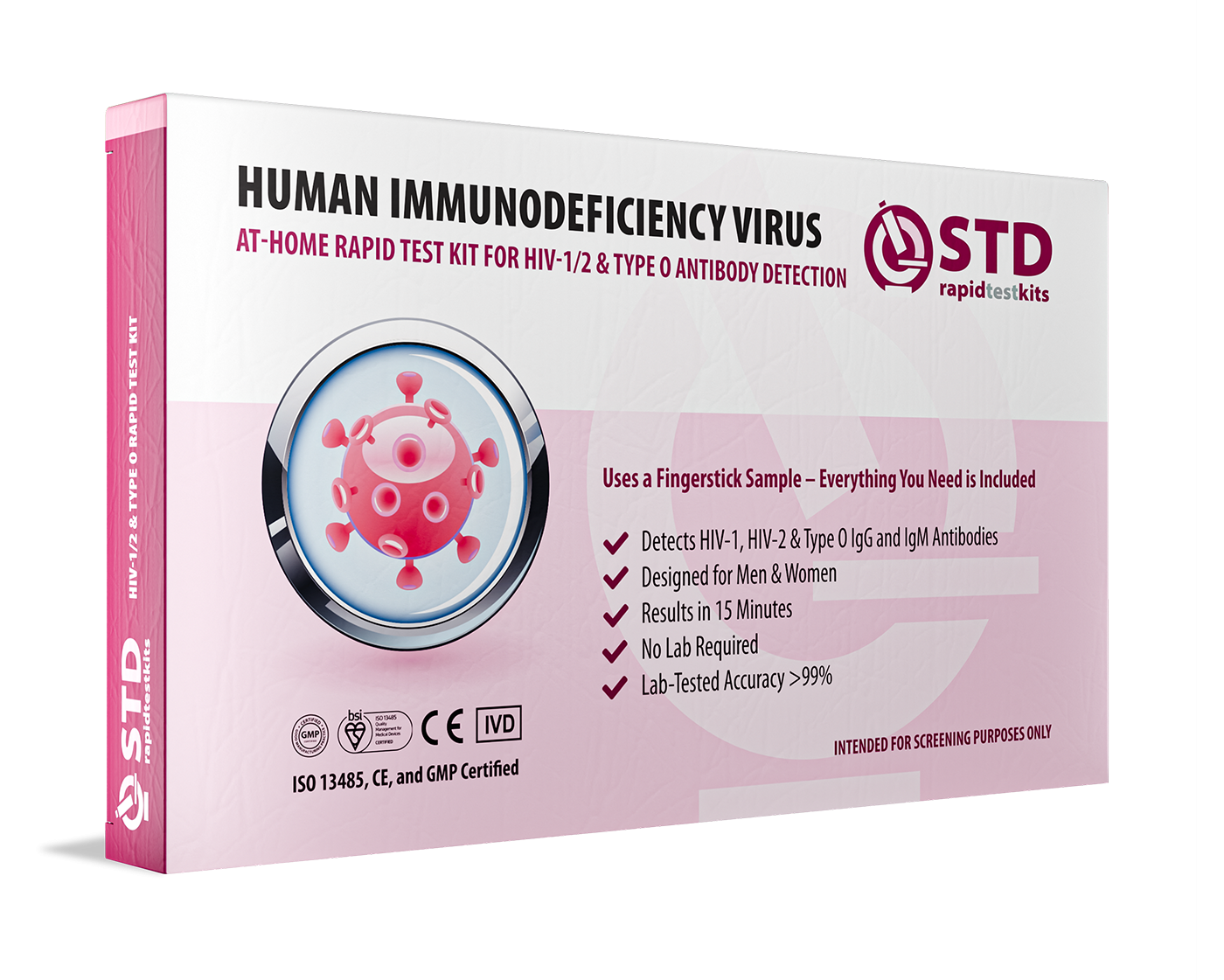
Claim Your Kit Today
Save 31%
For Men & WomenResults in MinutesNo Lab NeededPrivate & DiscreetOrder Now $33.99 $49.00
Sex Tourism's Impact on Local Communities and Healthcare
We make it convenient to frame sex tourism as some sort of visitor's issue, though the backwash usually tends to hit home for local communities the hardest. In most vacation locales, the influx of off-island or out-of-state clients brings on:
- Increased rates of infection among locals, especially sex workers who might not have access to routine testing or legal access to healthcare.
- Stigma against sex workers and anyone connected with the tourism economy, making it risky to get health education.
- Overloaded clinics and public health systems that are already thin on the ground, particularly in poorer countries.
- Human trafficking risks, particularly in tourist areas where young people or vulnerable groups are exploited to meet growing demand.
In short, the risks of unsafe sex abroad don't stay abroad. They have a tendency to follow travelers home, and continue to harm the same places people try to leave behind.
Tourists who choose to engage in sex tourism owe it not only to themselves, but to how their actions impact others who can't just pack up and leave when the holiday's over.
Real Stories: What Travelers (and Locals) Say
"I did not intend to get laid," wrote an American traveler who reached us anonymously via an online chat forum. "I met somebody at the hotel, we were out partying, and things just happened. I used a condom, but then a week later when I returned home, I tested positive for chlamydia. I was stupid, but I also learned how easy it is to believe you're safe when you're not."
Another Redditor recalled an even more disturbing experience: "I went to the Philippines for vacation and ended up at a bar that was clearly touristy. The women were extremely young, maybe not even legal. I left immediately, but I was shocked at how normalized it was. It made me think a lot about why people go to those places."
At the other end of the spectrum, a sex worker in Bangkok told Vice during an interview: "Tourists come and go. Some of them are nice, others treat you like an object. The ones who use a condom, who ask questions, those are the exception. Most just think that nothing will go wrong because they are paying."
These stories, whether regretful, eye-opening, or critical, paint a more human picture of sex tourism. It’s not a caricature. It’s messy, it’s real, and it’s happening all over the world.
Common Myths About STDs and Travel
Let’s bust a few dangerous misconceptions that might still be floating around:
“I only had oral sex, so I’m safe.”
Not true. STDs like gonorrhea, herpes, and syphilis can be spread through oral contact.
"They looked clean, so I didn't have anything to worry about."
Not true. Most STDs are invisible, especially in the early stages.
"I'm vaccinated, so I won't get anything."
Vaccines protect against HPV and hepatitis but not against gonorrhea, chlamydia, HIV, or syphilis.
"If I use a condom, I'm totally safe."
Condoms lower the risk greatly, but not by 100%. They can break, be used in error, or fail to cover infected areas with herpes or HPV.
"It's a one-time thing, I don't need to test."
Once is too many. The only promise is to be tested subsequently.
FAQs
1. What is defined as sex tourism?
Having sex while traveling (or for the purpose/end of having sex, typically commercial) is generally sex tourism.
2. Can one get STDs from oral sex while overseas?
Yes. Gonorrhea, herpes, and syphilis, among other diseases, can be transmitted via oral sex.
3. How do I protect myself during casual sex when overseas?
Use condoms, be careful, and test upon return. Bringing your own protection is highly recommended.
4. Are some countries more dangerous than others?
Some destinations have higher infection rates or more resistant strains of STDs, but no place is 100% safe.
5. Should I get tested after my trip?
Yes, especially if you had any sexual contact. At-home test kits are a discreet and accessible option.
6. What if I don’t have symptoms, do I still need to worry?
Yes. Certain STDs are asymptomatic, i.e., they show no symptoms but can be spread.
7. Is sex tourism legal?
Depends on the country. In some it is legal and controlled, in others illegal and highly dangerous.
8. What vaccines protect me?
HPV and hepatitis B vaccines are effective and recommended before traveling, especially for sexually active men and women.
9. What if I think I got exposed abroad?
Get to a healthcare provider or take an at-home STD test as soon as possible. Early detection is key.
10. How do I obtain an at-home STD test kit?
You can buy a kit online from reputable providers before or after your trip. It's a simple and effective way to guard yourself.
Stay Safe, Stay Smart: Your Health Is Worth Packing For
When it comes to sex tourism and STDs, information isn't power, it's protection.
Your health isn't an afterthought to your passport. You're a solo traveler, part of a couple, or simply someone who likes to live a little while on vacation, the message still stands: You're worth having your trip and coming home healthy.
So what do you do?
- Purchase an at-home STD test kit if you've recently traveled, or will.
- Forward this post to travel-crazy friends.
And don't forget: preparation doesn't kill the vibe. It keeps it rolling, long after the trip itself is done.
Sources
1.- Sexually Transmitted Infections | Travelers' Health – CDC
2.- Sexually Transmitted Infections | CDC Yellow Book 2024
3.- Sex & Travel | CDC Yellow Book 2024
4.- International Travel and Sexually Transmitted Disease – CDC
6.- Sun, Sea and Sex: A Review of the Sex Tourism Literature


