






Why Understanding STDs Matter
Sexually transmitted disease, also called sexually transmitted infection (STI), is an infection spread primarily by sexual contact. It affects people of any age, sex, and background, and it does not always result in clear symptoms, which is why monitoring is so important.
In fact, 1 in 5 people in the U.S. has an STD, according to the CDC. That's around 68 million infections each year. The most common STDs are chlamydia, gonorrhea, herpes, syphilis, HIV, HPV, and trichomoniasis. Some are curable with antibiotics, while others are lifelong but manageable.
What makes STDs so sneaky is the silence. Most STDs don't have warning symptoms, so a person can have an infection and transmit an infection without even knowing it. Education, testing, and communication are your best shield.
And no, no, it's not "other people" who get STDs. You can be in a long-term relationship, use protection most of the time, and still get caught. That's not to scare you. It's just to recognize that nobody is immune, and being informed is one of the most responsible things you can do for yourself and your partners.

Why Knowing the Most Common STDs Matters
So why do you even have to know about STDs in the first place? Here's what you gain from learning:
Early Detection Saves Lives
- Many STDs are easier to cure if caught early.
- HIV or syphilis can bring permanent damage if left unchecked, but regular testing equals faster treatment and healthier outcomes.
You'll Protect Others
- When you have sex, your own health is intimately connected with the health of your partner.
- Knowing your status prevents unintentionally spreading an infection to someone else.
You'll Know What to Look For
- From a strange rash to some discharge, knowing what to look for enables you to seek help earlier.
- But even when you don't have symptoms, knowing the stealthy nature of most STDs keeps you on your guard.
Ease of Communication
- Talking about STDs and testing with your partner does not have to be embarrassing.
- When you're knowledgeable about what you're discussing, you can engage in honest, judgment-free conversation.
Peace of Mind
- Regular testing, especially with home test kits, is rapid, private, and convenient.
- Even if you test negative, it's a good thing to know your status.
Check Your STD Status in Minutes
Test at Home with Remedium8-in-1 STD Test Kit
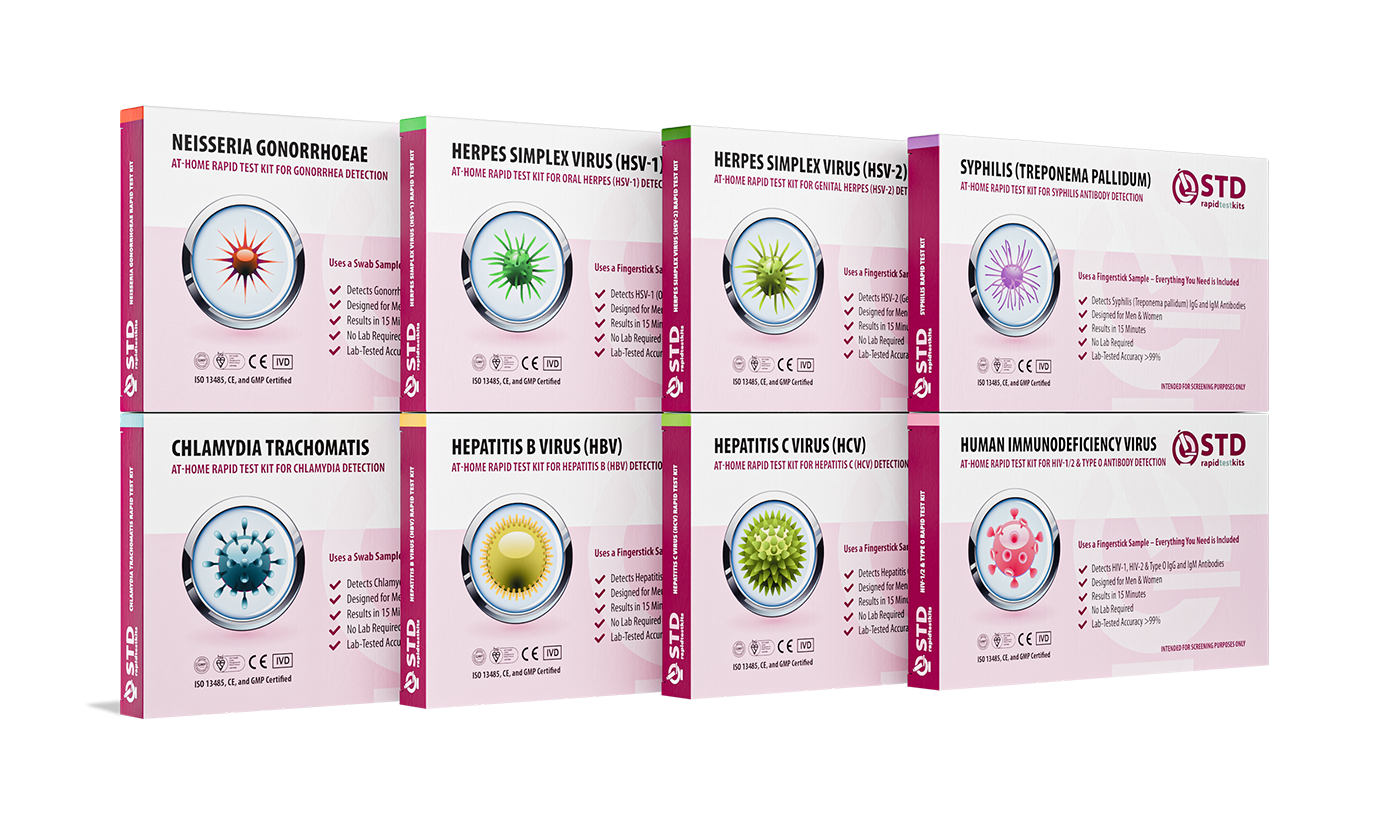
Claim Your Kit Today
Save 62%
 For Men & Women
 Results in Minutes
 No Lab Needed
 Private & Discreet
Order Now $149.00 $392.00
For all 8 tests
The Real Dangers of Ignoring STDs
Now, let's talk about risk. Faking it on STDs doesn't make them go away, here's what happens when they're ignored.
Long-Term Health Complications
- Chlamydia and gonorrhea can lead to pelvic inflammatory disease (PID) in women, which can cause infertility and chronic pain.
- HPV can cause cervical, anal, and throat cancers if left undetected.
- Syphilis in its later stages can damage the brain, nerves, and heart.
Increased Risk of HIV
- Certain STDs, like herpes or syphilis, increase your risk of getting or transmitting HIV due to open sores and inflammation.
Impact on Pregnancy
- Untreated STDs may harm pregnant individuals and their babies.
- Syphilis or HIV infections are passed on to the baby during pregnancy or delivery.
Social and Emotional Distress
- STD stigma typically results in undue shame and silence.
- People might not get tested because they fear, making matters worse.
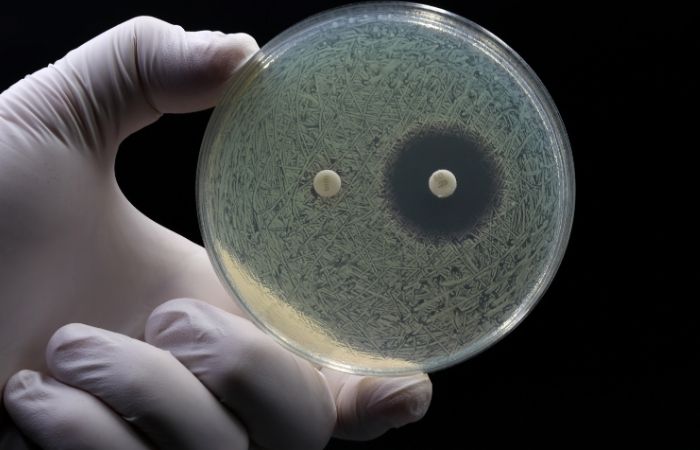
Antibiotic Resistance
- STDs like gonorrhea are becoming harder to cure due to antibiotic resistance.
- This is why prevention and early treatment are more crucial than ever.
How to Stay Safe and Smart
Here's how to stay safe, and your partners, and still have sex.
Get Tested Regularly
- You don't need to have symptoms to deserve a test.
- Experts recommend get tested at least once a year if you are sexually active, and more often if you have more than one partner.
Use Protection Every Time
- Condoms and dental dams reduce the risk of most STDs.
- Don't use birth control by itself, it won't protect you from infection.
Try At-Home STD Testing
- At-home STD test kits are a lifesaver, easy, discreet, and convenient.
- Great for those who want to maintain secrecy or don't have time for a clinic visit.
Be Honest with Partners
- Add STI status to the conversation before becoming intimate.
- Ask: "When was your last test?" and be willing to share yours.
Stay Informed
- Keep learning! New studies, treatments, and prevention data emerge all the time.
- Subscribe to newsletters, read articles like this one, and stay up to date.
Check Your STD Status in Minutes
Test at Home with Remedium7-in-1 STD Test Kit

Claim Your Kit Today
Save 62%
For Men & WomenResults in MinutesNo Lab NeededPrivate & DiscreetOrder Now $129.00 $343.00
For all 7 tests
Expert Opinions and Case Studies: What the Pros (and Real People) Say
Let's hear from the experts who know best, medical professionals, researchers, and people who've lived through it.
What the Experts Say
Dr. Leandro Mena, director of CDC's Division of STD Prevention, states:
"The rise in recent years in STDs is a public health emergency. Early treatment and open talks are the ways to turn it around."
Behavioral counseling was found to reduce the risk of repeat STIs significantly, especially among young adults, according to a study published in JAMA.
The WHO stresses that sexual health is not merely a matter of avoiding infection, it's about access to care, confidence, and overall well-being.
Real-World Case
Erica, 27
"I didn't have any symptoms whatsoever. I only went in to get tested because a friend said she got chlamydia and suspected her ex had cheated on her. Turns out, I had it too. I would've never known."
Malik, 31
"I got a positive HSV-2 after a casual relationship. It was the end of my world, but my doctor said it's something I can manage. I'm on meds and honest with partners now."
These stories remind us: STDs aren't the end, they're a wake-up call. The sooner you deal with them, the better your outcome will be.
Historical Context: A Quick Look Back
STDs have been around for centuries, and we have made great progress in knowing about them.
- Syphilis epidemics first appeared in Europe during the late 1400s, which created widespread panic and shame.
- HIV/AIDS appeared during the 1980s and created an international health movement, changing the way we talk about safe sex and testing.
- The term STI was introduced in the early 2000s to reflect the fact that many infections don’t cause disease unless left untreated.
Back in the day, STDs were treated with secrecy and shame. Now? We’re breaking that cycle with education, science, and more accessible testing options, including at-home STD tests that anyone can use.

What’s Next in STD Awareness and Prevention?
Here’s where sexual health is heading, and it’s looking promising.
- Home testing is on the rise, especially since the COVID-19 pandemic revolutionized our outlook on healthcare access.
- Telemedicine services are facilitating easier-than-ever private consultations with physicians.
- Scientists are developing better treatments for antibiotic-resistant gonorrhea and future vaccines for herpes and chlamydia.
- Sex education is becoming inclusive, addressing the needs of LGBTQ+ and breaking taboos in conservative communities.
Bottom line? The future of STD prevention is brighter, cheaper, and more empowering.
What You Can Do Today
Let's make it personal. Here are actionable ways to implement what you have learned:
- Order an at-home STD test if you've been sexually active and don't want to go to a clinic.
- Schedule a routine test, even once a year is a good start.
- Start "the talk" with a new partner. A speedy "when was your last test?" says it all.
- Educate your teenagers (or younger siblings, friends) about the facts without shame or threat.
- Use a checklist:
- Condom
- Consent
- Communication
- Testing
It does not have to be awkward or intimidating. The more we make it the norm, the less it is hard.
Check Your STD Status in Minutes
Test at Home with RemediumHepatitis B & Hepatitis C Test Kit
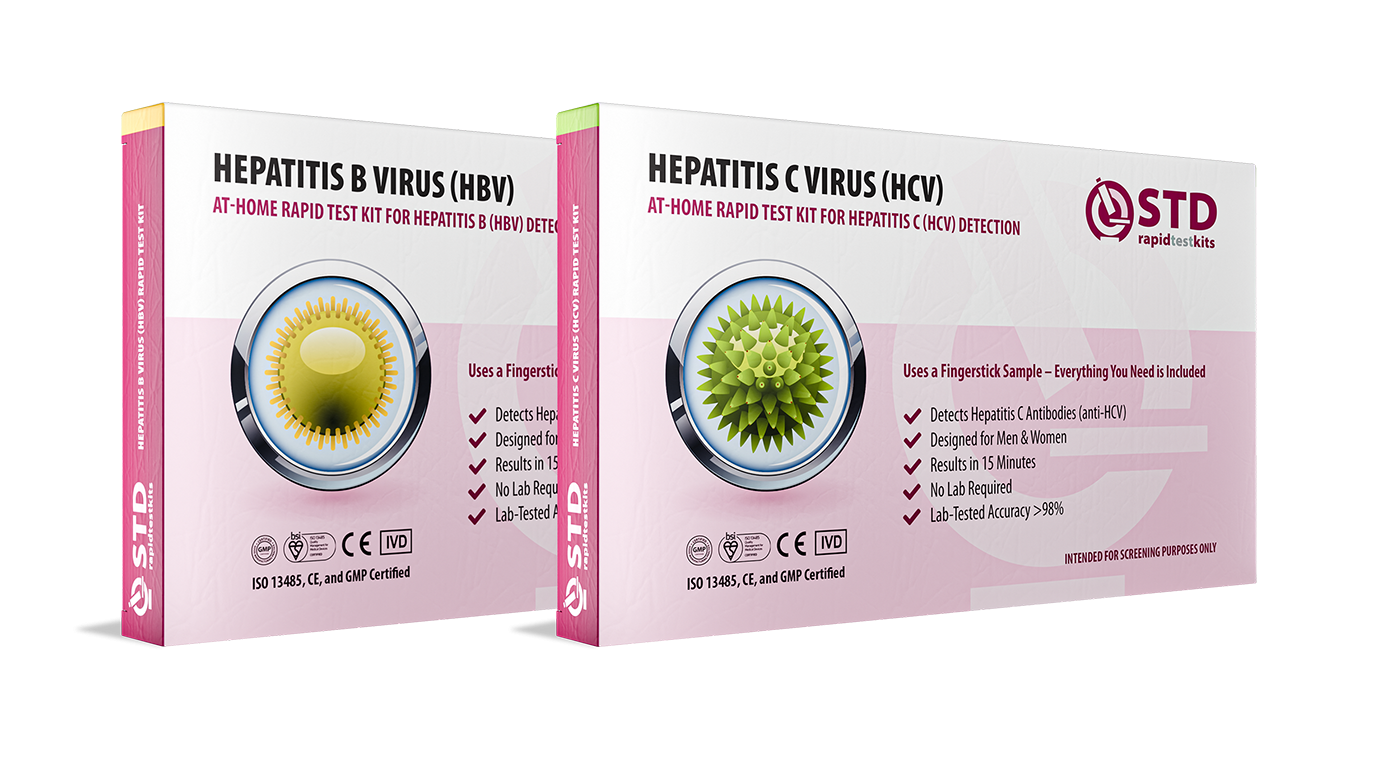
Claim Your Kit Today
Save 50%
For Men & WomenResults in MinutesNo Lab NeededPrivate & DiscreetOrder Now $49.00 $98.00
For all 2 tests
How STDs Impact Various Industries
STDs don't only impact people, they have a ripple effect across industries.
Healthcare
- Higher STD rates mean more strain on clinics and telemedicine providers.
- Public health organizations are investing in awareness campaigns and better outreach.
Education
- Sex ed curricula are evolving to meet real-world demands.
- Schools that teach comprehensive sex education have lower teen STD and pregnancy rates.
Tech
- Companies like LetsGetChecked and Everlywell are upending access to in-home STD testing.
- Dating apps like Tinder and Grindr now link users to testing sites.
Media
- More TV shows and influencers are addressing STD issues head-on, lowering stigma.
- Knowledge isn't only power, it's progress.
Putting a Face to the Stats
Real voices help put a face to the issue. Here are two more:
Jordan, 22
"Having HPV was a shock, I thought I was protected since I used condoms. I did not know that it could still transmit. Now I get Pap smears routinely and I have spoken to my close friends and encouraged them to do the same."
Marcus, 38
"I didn't want to be tested. I was afraid of knowing. But my lover forced me to, and I found out I had gonorrhea. It was easy to treat, but what scared me most was how long I lived without it."
These stories confirm how common, treatable, and horribly human this disease is.

FAQs
1. What are the most common STDs?
Chlamydia, gonorrhea, HPV, herpes, syphilis, trichomoniasis, and HIV are among the most commonly diagnosed.
2. How do I know if I have an STD?
You might not! Some are asymptomatic. Testing is the only guarantee.
3. Can I get an STD from oral or anal sex?
Yes. Protection is necessary in all sexual activity.
4. How often should I be tested?
At least once a year, or every 3–6 months if you have multiple partners.
5. Do at-home STD tests really work?
Yes, when used correctly, they're accurate and discreet. Always read instructions carefully.
6. Can all STDs be eradicated?
Some, like chlamydia and gonorrhea, can. Others, like herpes or HIV, are manageable but not curable.
7. Can you be reinfected with the same STD?
Yes. Treatment doesn't necessarily keep you from becoming infected again.
8. Do STDs only get transmitted during sex?
Primarily, but not necessarily. Shared needles, childbirth, and sometimes towels or razors (in uncommon cases) will spread them too.
9. Will my doctor judge me for asking for a test?
Not on your life. They've heard it all and will likely respect your responsibility.
10. How do I tell someone I'm seeing that I have an STD?
Be honest, empathetic, and direct. Use "I" statements and give them space to respond. They may surprise you.
Take Charge of Your Sexual Health Today
Your sexual health is part of your overall health, and it deserves just as much care and attention. Whether you’re navigating new relationships, long-term partnerships, or just curious, understanding the most common STDs is a powerful step toward better well-being.
Don’t wait for symptoms to show up. Be proactive.
- Buy an at-home STD test today, privacy and convenience go a long way.
- Talk to your doctor if anything feels off, or even just for routine screening.
- Share this article with friends, it could seriously change someone’s life.
- Make regular testing a habit, not a reaction.
You’ve got the facts. Now go use them!


