






What Is the Most Harmless STD? Doctors Explain the Truth
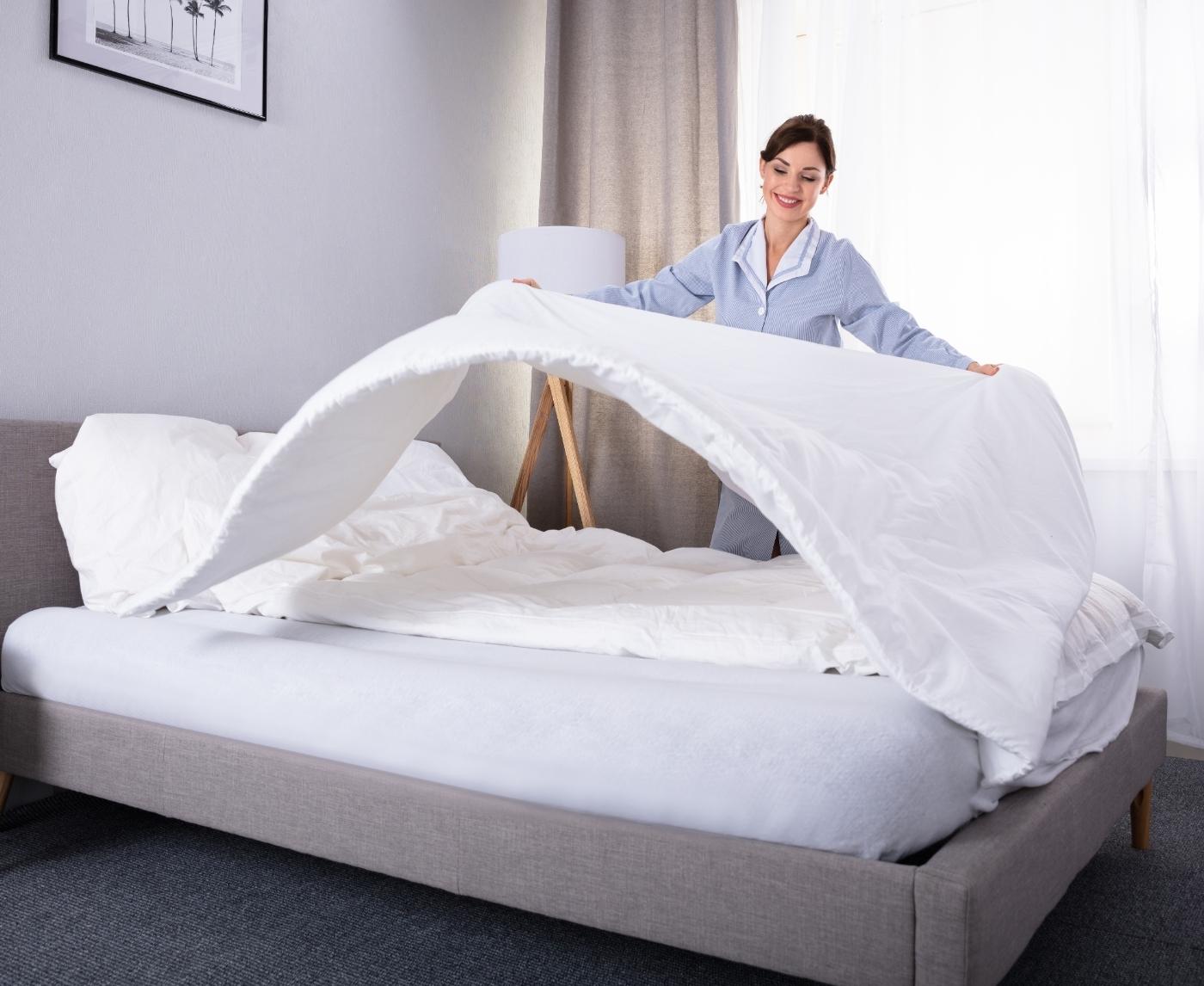
You get to a hotel, drop your bags on the floor, and plop down on the bed. But if you sink into those white-looking sheets, a thought comes to mind: "What if a couple had sex in here last night? Can I get an STD from these sheets?"
We’ve all been there, caught between trusting the housekeeping and worrying that something unsavory might linger on those crisp, tucked corners. It’s a valid concern, especially in a world where we’re more aware than ever about hygiene, health risks, and just how many germs survive on surfaces.
Can STDs Live on Bed Sheets? Here's What You Should Know
When we talk about STDs, we usually mean infections like chlamydia, gonorrhea, herpes, syphilis, HPV, and HIV, most of which are spread through direct sexual contact. But what about indirect contact?
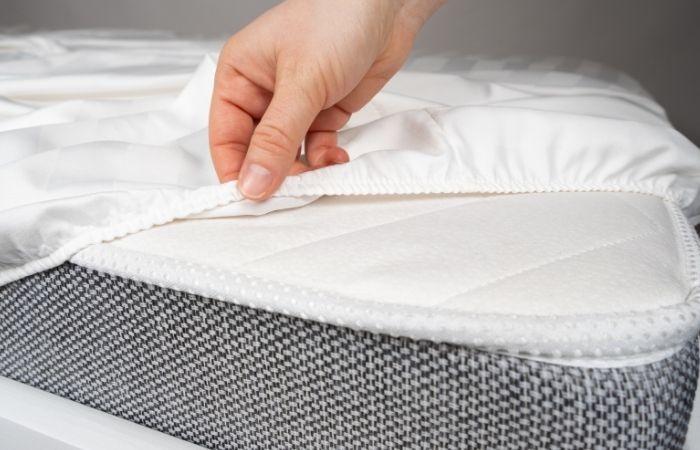
Some pathogens, namely some bacteria, viruses, or parasites, can last briefly on a surface like towels, underwear, and, yes, sheets. This type of transmission is called fomite transmission, and it happens when infection is spread by contaminated surfaces.
Here's what we know:
- Chlamydia and gonorrhea won't survive for long outside of the body. But one 2008 study in the Journal of Clinical Microbiology found that under certain warm, humid conditions, bacteria can survive for several hours on clothing.
- Trichomoniasis, a parasitic infection, has a little better probability of surviving on damp clothing like towels, underwear, or damp sheets. It's been known to survive for as long as 24 hours under ideal conditions.
- Herpes Simplex Virus (HSV) has a brief viability outside of surfaces, yet actual transmission from inanimate mediums like sheets is almost nonexistent.
- HIV, as badly as it gets a reputation, is extremely susceptible to destruction when it's not in the human body. It decays quickly once it hits air.
The bottom line? The odds aren't zero, but they are extremely low, particularly if linens have been laundered between guests.
The Key Benefits of Being Informed (and Maybe Bringing Your Own Pillowcase)
So, you probably won't get gonorrhea from a hotel bed. But being aware of the risks (even if they're small) helps you make smarter choices, and that's a benefit in itself.
You Can Relax, Literally
Understanding that most STDs don't thrive on cloth means that you can sleep sounder (and saner) when you are away.
Improved Hygiene Habits
From using the towel you brought with you, to wiping with antibacterial wipes, to sleeping in underwear when you stay at hotels, increased knowledge comes along with improved habits.
You Become a Myth-Buster
We've all got that one friend who swears they picked something up from a toilet seat. Now you'll be able to humbly (or snarkily) correct them.
You Protect Others
By understanding how STDs are actually spread, you're less likely to inadvertently shame a friend with bad information, or ignore symptoms that do require a doctor's attention.
You're More Likely to Get Tested
Sometimes, learning about risks, small ones, even, gets people proactive about their sexual health. Regular STD testing is good practice, and now you can even do it at home.
Check Your STD Status in Minutes
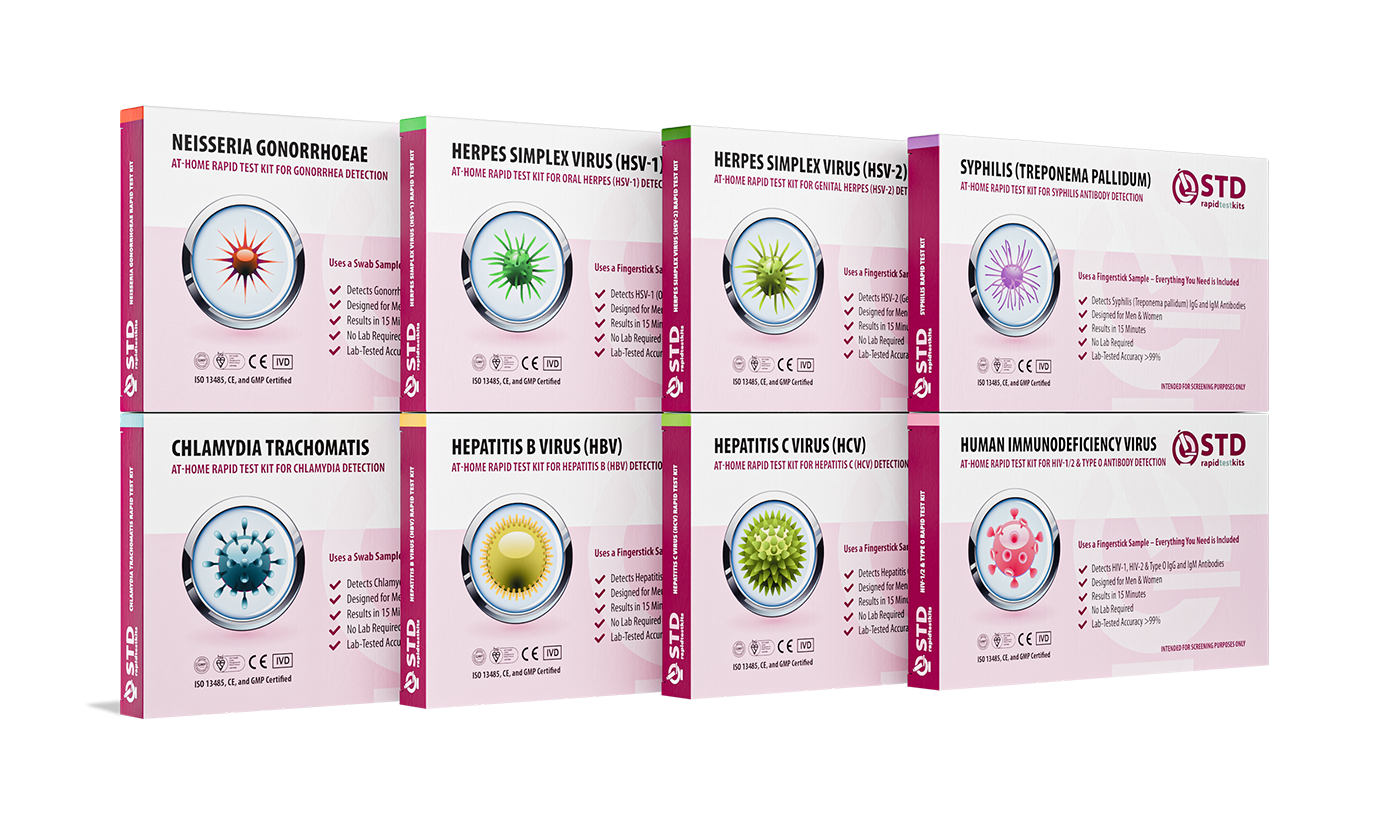
Test at Home with Remedium8-in-1 STD Test Kit
Claim Your Kit Today
Save 62%
 For Men & Women
 Results in Minutes
 No Lab Needed
 Private & Discreet
Order Now $149.00 $392.00
For all 8 tests
Shortcomings in Detection and Prevention of Exotic Fomite Transmission
Now, let's cover the other side. While we've talked about the low odds, the fact remains: a little bit of risk does exist. And to boot, detecting these indirect infections can be tricky.
Lack of Awareness
People don't tend to associate their symptoms with the like of shared bedding, so a true cause of an infection might get missed.
Poor Hotel Cleaning
Most hotels run according to industry standards of cleaning, but mistakes are made. Short turns and cost-cutting can lead to scrubbly-washed or recycled sheets, especially in low-rate establishments.
Moisture = Risk
Infections like staph or trichomoniasis actually thrive on damp towels or bedding. Common massage tables, pools, and spas contribute to that risk.
Misdirected Blame
Imagine getting a skin rash or yeast infection after staying at a hotel. It's maybe easy to blame the sheets, but until one tests, one can't be certain. That uncertainty leads to anxiety, frustration, and sometimes unfair blame.
Viral Hysteria vs. True Danger
All because of social media, the idea of getting sick from everyday objects devolves into viral panic-mongering. It becomes hard to know what's real and what isn't.
Simple Steps to Lower Your Risk Without Losing Sleep
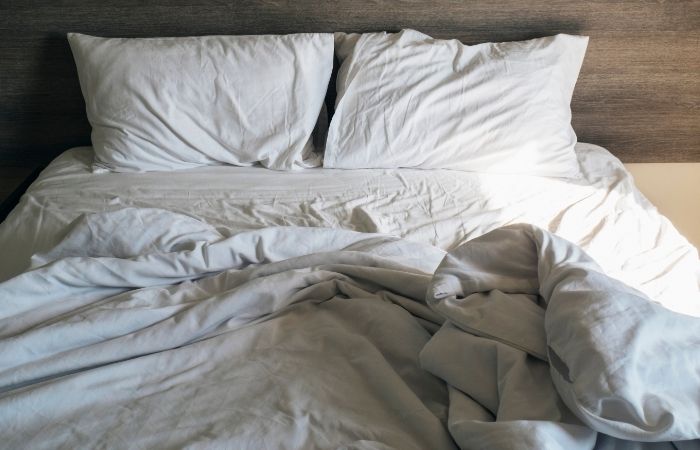
Let's be realistic here. You don't need to include a hazmat suit in your travel bag, but these suggestions will give you peace of mind without going overboard.
Use the Towel Rule
If the towel is damp, don't use it. Ask for a new one, or better still, pack your own travel towel for face and body areas.
Travel Sheets or Pillowcases
Washable, portable travel sheets or even your pillowcase can act as a buffer for your skin and give an extra feeling of security.
Wear Bedtime Clothing
Don't sleep naked in a foreign bed. Sleeping in underwear or night attire reduces skin-to-fabric contact.
Disinfect High-Touch Areas
Use disinfectant wipes on surfaces in hotels like toilet handles, door knobs, and remotes. While not as much about STDs, this will lower other infections as well.
Get Regular STD Tests
Even when being cautious, home test kits can keep you informed and in control of your own health. It's easy, fast, and discreet.
Check Your STD Status in Minutes
Test at Home with Remedium10-in-1 STD Test Kit
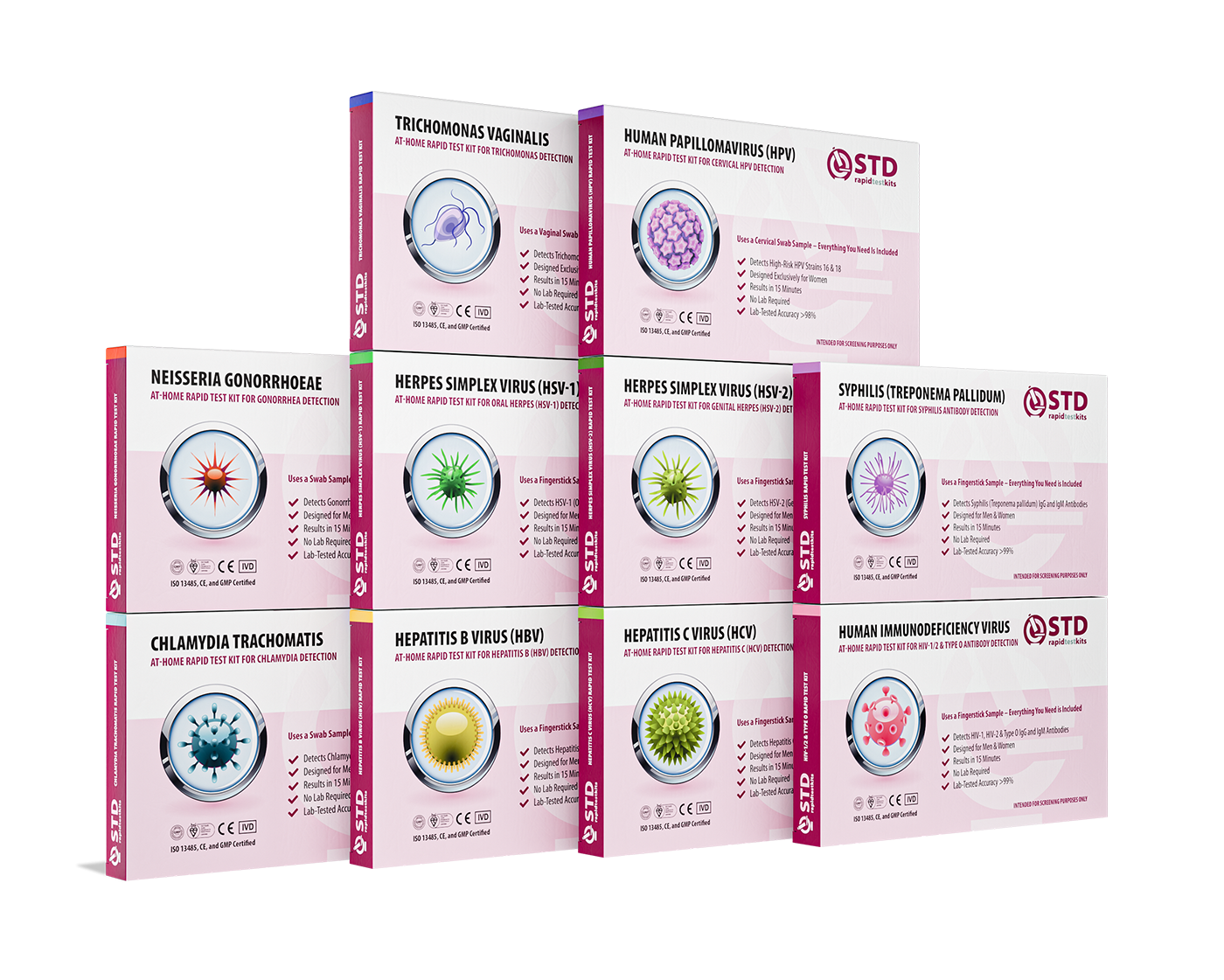
Claim Your Kit Today
Save 61%
 For WomenResults in MinutesNo Lab NeededPrivate & Discreet
Order Now $189.00 $490.00
For all 10 tests
The Science Speaks: Statistical Insights Into STD Survival on Fabric
Let’s get nerdy for a moment, because the numbers really help us understand what we’re dealing with. While rare, fomite transmission of infections can occur under specific circumstances.
What the Data Tells Us
A 2016 review in the Journal of Hospital Infection found that certain pathogens, including staphylococcus, MRSA, and even norovirus, can survive on hospital sheets and pillowcases for days if not properly cleaned.
- Chlamydia trachomatis, the cause of the most common bacterial STD worldwide, has shown to survive a maximum duration of 2 to 3 hours on wet apparel, yet has never infected via actual experience.
- Fomite transmission research in the Sexually Transmitted Infections Journal confirmed that although viruses like herpes simplex remain viable for several hours on dry surfaces, transmission from bed linens is also highly unlikely without direct skin-to-fabric contact over the duration of those several hours.
- Trichomonas vaginalis, the parasite causing trichomoniasis, was observed to survive up to 24 hours on damp clothing in one laboratory trial, again, though, without any recorded cases of infection reported to have originated from hotel bed linen.
Yes, survival is probable, then. But the gap between surviving and infecting is great.
The Experts Have Their Say: "Highly Improbable, But Not Impossible
We spoke to some health workers and infectious disease control specialists and this is what they all said: chill, but don't be an idiot.
"Bedding is not an effective means for the transmission of sexually transmitted diseases. In most infections, there's gotta be real intimate skin-to-skin contact or bodily fluid exchange."
, Dr. Anne Reynolds, Infectious Disease Specialist
“The conditions needed for an STD to survive on a sheet long enough and then transfer to someone else are extremely specific. Most cases I’ve seen that involved concerns about shared towels or linens were ultimately unrelated.”
, Dr. M. Langford, Clinical Microbiologist
Case Study: The Unexplained Rash
A 28-year-old tourist in a Reddit thread wrote about staying overnight at a hostel and waking up with genital irritation the next day. Though worried it was an STD, tests came back negative. A dermatologist finally explained to him that it was detergent or dirty sheets reaction, not an infection.
A Brief History Lesson: Sanitation and STD Panic Throughout the Decades
It's not the first time people have been afraid of contracting diseases from shared bedding.
- Syphilis mania of the 1800s bred bed-and-mattress warnings, brothel alarms, and even barber's communal towel suspicions.
- World War II soldiers were advised to avoid prostitutes and communal linens lest they catch.
- The 1980s AIDS epidemic fueled second-round HIV hysteria through infection fears that spread via beds, bathrooms, and even breathing, before science set them right.
Now, with online health forums and social media, the problem has reignited, sometimes propagating fear more rapidly than fact.
This context recalls that while the terror is novel, the facts remain: direct contact rather than fabric remains the main threat of transmission.
Check Your STD Status in Minutes
Test at Home with Remedium6-in-1 STD Rapid Test Kit

Claim Your Kit Today
Save 60%
For Men & WomenResults in MinutesNo Lab NeededPrivate & DiscreetOrder Now $119.00 $294.00
For all 6 tests
The Future of Safe Sleeping: Hygiene, Travel, and Awareness
Improved laundry processes, better fabrics, and greater awareness ensure the future of bedding hygiene is bright.
Trends to Watch
- Antimicrobial bedding is becoming increasingly popular in hostels and hotels, offering a bit of extra peace of mind.
- UV-C disinfection systems are being implemented in luxury hotels to sanitize rooms between guests.
- Travelers' own health kits now include portable pillowcases, bed sheets, and even spray-on fabrics.
As the technologies get progressively more affordable, even budget-conscious travelers will have more protections.
Real-Life Applications: What You Can Do Now
This is how you can practice what you've learned without becoming a germophobe:
- Bring a hygiene kit: Pack a pillowcase, antibacterial wipes, and underwear you don't care about tossing if needed.
- Book higher-rated hotels with a decent cleaning policy, especially if you're immunocompromised.
- Use an in-home STD test if you're ever uncomfortable after a vacation, no need to make a clinic visit.
- Teach traveling friends: Educate your fellow travelers on what you've learned in an effort to reduce unnecessary alarm and increase healthy practices.
- Symptoms, not hysteria: If something does not feel quite right after traveling, trust your instincts and get yourself examined. But do not jump to conclusions without evidence.
Hotel Sanitation and the STD Link
How do the travel and hospitality industries respond to worries such as these?
- Large hotel chains employ systematic laundering protocols, sometimes washing linen in temperatures in excess of 160°F using commercial cleaning products and sanitizers.
- Budget hotels can skim, either by recycling items between guests or subcontracting to low-cost suppliers.
- Certain luxury hotels now are marketing hypoallergenic or antimicrobial bedding as part of their wellness programs.
The tourism industry is well aware of health-conscious consumers. This article? It fits right into that growing awareness.
Personal Stories: The Real Fears Behind the Sheets
Other instances, the most significant threat isn't the infection, it's the fear. We asked readers to share how easily fear can take over:
"I slept in a hostel in Bangkok and woke up with a rash the next morning. I was convinced it was herpes. It was bedbug bites, but I lost it until I got tested."
, Luis, 24
"My friend swore she got chlamydia from an Airbnb sheet. She actually had cheated and didn't want to admit it. The sheet theory was her defense mechanism."
, Anonymous
"I work in hotels. Folks don't realize we get fresh laundry daily, and it's sterilized at boiling temperatures. We're not simply making beds."
, Morgan, housekeeper
These stories show how personal experiences and fear can warp our understanding of risk. But they also underscore the importance of knowing the facts.
Check Your STD Status in Minutes
Test at Home with Remedium3-in-1 STD Test Kit
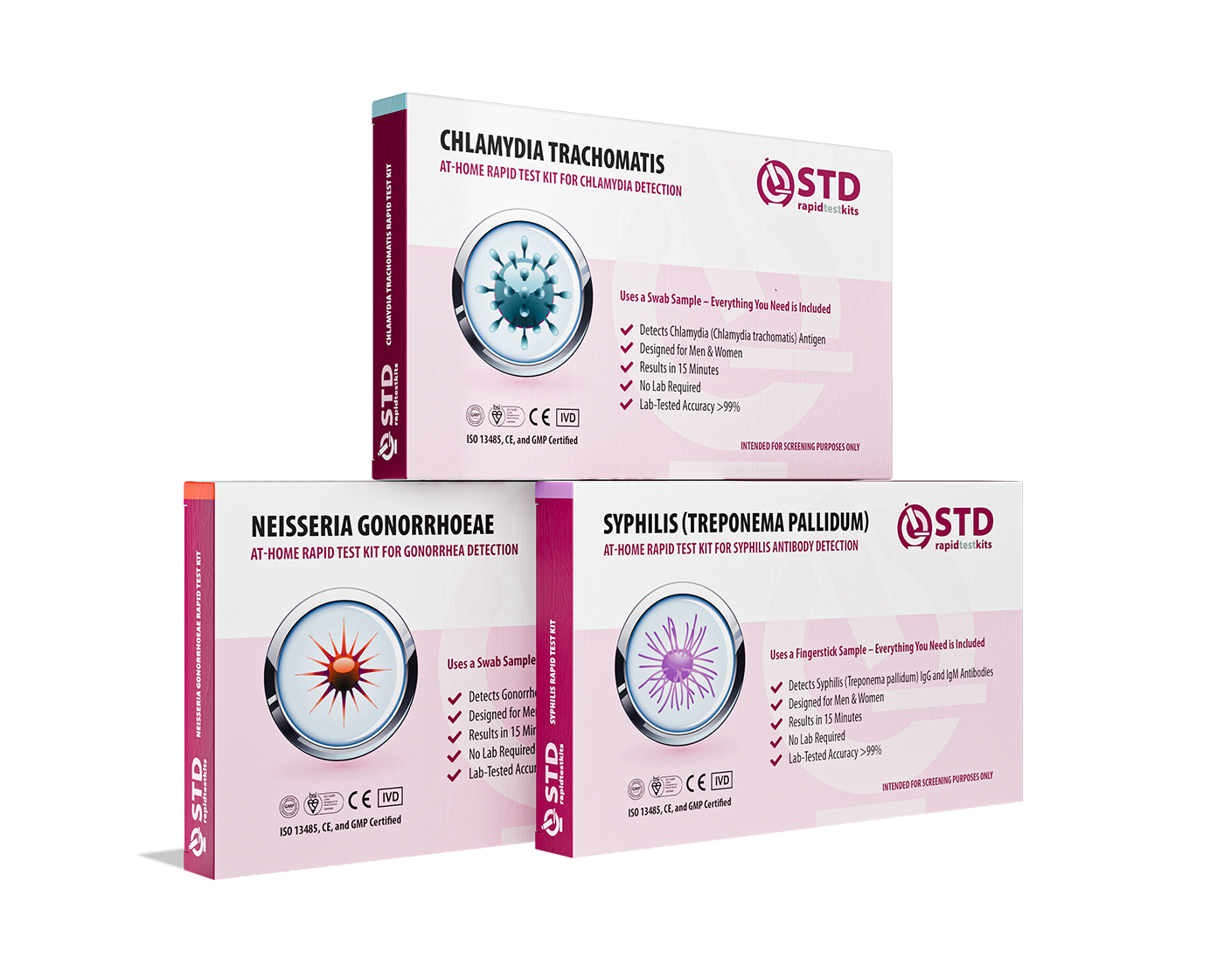
Claim Your Kit Today
Save 53%
For Men & WomenResults in MinutesNo Lab NeededPrivate & DiscreetOrder Now $69.00 $147.00
For all 3 tests
Common Misconceptions About STDs and Hotel Sheets
Let’s bust some myths:
“You can catch an STD just by lying on dirty sheets.”
- Very unlikely. Most STDs require direct contact with mucous membranes or fluids.
“If someone had sex in that bed last night, you’re at risk.”
- Pathogens will not live on dry, clean surfaces, especially after being properly washed.
"STDs like herpes and chlamydia survive for days on fabric."
- Some pathogens can survive for short times, but survival ≠ infection.
"If you get a rash, it's probably an STD."
- Rashes are brought about by many things, detergent, rubbing, bug bites, not infections.
"Linens in hotels are recycled if they look clean."
- High-quality hotels have high cleanliness standards. If not, it's not a sanitation issue but an STD one.
FAQs
1.- Can I actually get an STD from hotel linens?
Very unlikely. Most STDs require skin-to-skin or fluid contact, not generalized fabric contact.
2.- Which STDs survive the longest outside the body?
Trichomoniasis and herpes survive the longest, but getting them in this way is still unlikely.
3.- Do I bring my own sheets to a hotel?
Not necessary, but doing so may bring peace of mind, especially in budget hotels.
4.- Are luxury hotels cleaner?
Usually, yes. Top hotels tend to have high hygiene and linen standards.
5.- How can I determine if hotel sheets are clean?
You can't always visually determine that. Ask them about their cleaning policy or read reviews for cleanliness.
6.- Is hotel bed disinfectant spray safe?
Yes, but it's usually not necessary unless you're staying in a dirty room.
7.- Is it safe to sleep naked in hotels?
It is safer to be dressed, including underwear, to reduce contact of skin with public sheets.
8.- What do I do if I get scaly or break out after traveling?
Get tested by a doctor. It may not be an STD, skin irritation, bedbugs, or allergies are more likely.
9.- Can home STD tests be trusted?
Yes, if you purchase them from a trustworthy source. They're discreet, fast, and accurate.
10.- How can I be safest on the road?
Practice good hygiene, choose clean accommodations, and get tested regularly if you are sexually active.
Stay Safe, Stay Informed, Sleep Easy
Hotel bedding isn't out to get you. Even though the possibility of getting an STD from a pillowcase may sound daunting, the facts are in your favor: the danger is ultra-low, and old-fashioned common sense should reign.".
So, pack smart. Ask questions. Use your own pillowcase if you’re worried. And above all, get tested regularly, especially if you’re sexually active or unsure about a potential exposure. At-home test kits make it easier than ever.
Want to be even more in the know?
- Buy an at-home STD test kit today, no awkward clinic visits.
- Share this article with someone who’s ever side-eyed hotel sheets.
- Stay informed and let facts, not fear, guide your health decisions.
Sources
1.- Misconceptions about HIV/AIDS (Wikipedia)
2.- HIV and AIDS – Fact Sheet (WHO)
3.- Sero-prevalence and associated factors of sexually transmitted infections (PMC)
4.- Heterosexual transmission of human immunodeficiency virus infection (PMC)
5.- Expert consensus statement on the science of HIV in the context of criminal law (PMC)
6.- Knowledge of sexually transmitted infections and risky behaviours (PMC)


