






Does PrEP Affect STD Test Results? What You Need to Know
Whether you're HIV-positive, caring for someone who is, or just want to get informed, learning about these four stages is essential. We'll discuss each step in-depth, explore new studies and international trends, and hear directly from people living with HIV today.
Stage 1: Acute HIV Infection
- Timeline: 2 to 4 weeks after exposure
- Also Known As: Primary HIV infection or seroconversion
What Happens
This is the body's initial reaction to HIV. The virus multiplies quickly, and the immune system responds aggressively. People usually have flu-like symptoms at this point that include:
- Fever
- Fatigue
- Swollen lymph nodes
- Rash
- Muscle pain
- Night sweats
- Mouth ulcers
A few individuals have no symptoms, so this phase is simple to overlook.

Why It Matters
This is the most contagious stage of HIV. Since the viral load is so high, there is a high risk of transmission—even if the individual is unaware that they are infected. Most new transmissions of HIV happen during this stage, according to the CDC, because of a lack of diagnosis and awareness.
Testing in 2025
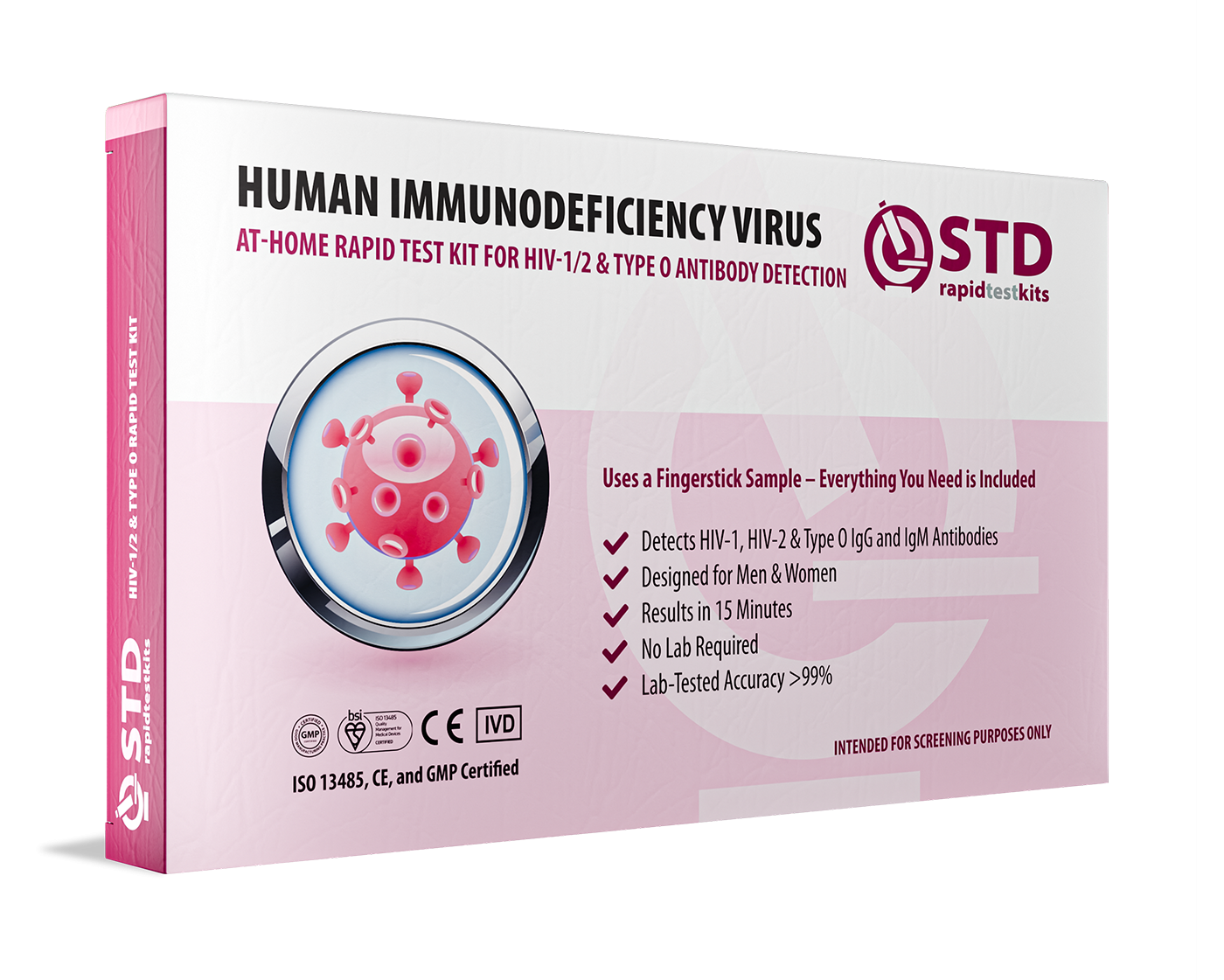
Fourth-generation HIV tests, which are included in home test kits available everywhere now, are capable of detecting both HIV antibodies and p24 antigen, enabling earlier detection than ever before. Quick at-home tests like those from STD Rapid Test Kits offer a confidential and convenient option to the subject during this time of uncertainty.
Check Your STD Status in Minutes
Test at Home with RemediumHIV Rapid Test Kit
Claim Your Kit Today
Save 31%
 For Men & Women
 Results in Minutes
 No Lab Needed
 Private & Discreet
Order Now $33.99 $49.00
Clinical Latency (Chronic HIV Infection)
- Timeline: Several years to decades (with treatment)
- Also known as: Asymptomatic HIV or HIV dormancy
What Happens
Following the initial infection, HIV becomes dormant but does not disappear. The virus still replicates at low levels, and individuals may not show symptoms for years to come. On the modern antiretroviral therapy (ART), this stage can persist for decades.
Individuals at this stage feel well and might not be aware they are infected unless tested.
2025 Outlook
This phase was once a silent countdown to AIDS. Now it's more like a checkpoint: with ongoing treatment, patients can live long, healthy lives and never advance to Stage 3 or 4.
As of UNAIDS statistics in 2024, more than 29 million people worldwide are on ART. The aim is to bring the virus to undetectable levels, so that it's untransmittable (U=U).
Real-Life Insight
James, a 34-year-old Chicagoan, was diagnosed in 2018 and has been on ART ever since. "I work, I date, I hike—HIV doesn't define me," he says. "I get tested regularly and take my meds. That's my routine."

Symptomatic HIV Infection
- Timeline: Varies by individual and treatment access
- Also known as: HIV with symptoms or advanced HIV
What Happens
If HIV is left untreated, the immune system deteriorates over time. The virus will eventually start to produce symptoms that indicate a weakening immune system. They may include:
- Chronic fatigue
- Rapid weight loss
- Chronic diarrhea
- Recurring fevers and chills
- Fungal infections
- Shingles
- Memory loss or confusion
Why It Matters
This is a critical point. The body is beginning to lose its resistance to opportunistic infections. Without treatment, it is probable that AIDS will follow.
Luckily, by 2025, early intervention and diagnosis keep most individuals from arriving at this point. Affordability, access to care, and stigma remain obstacles in certain regions of the world, though.
Testing Reminder
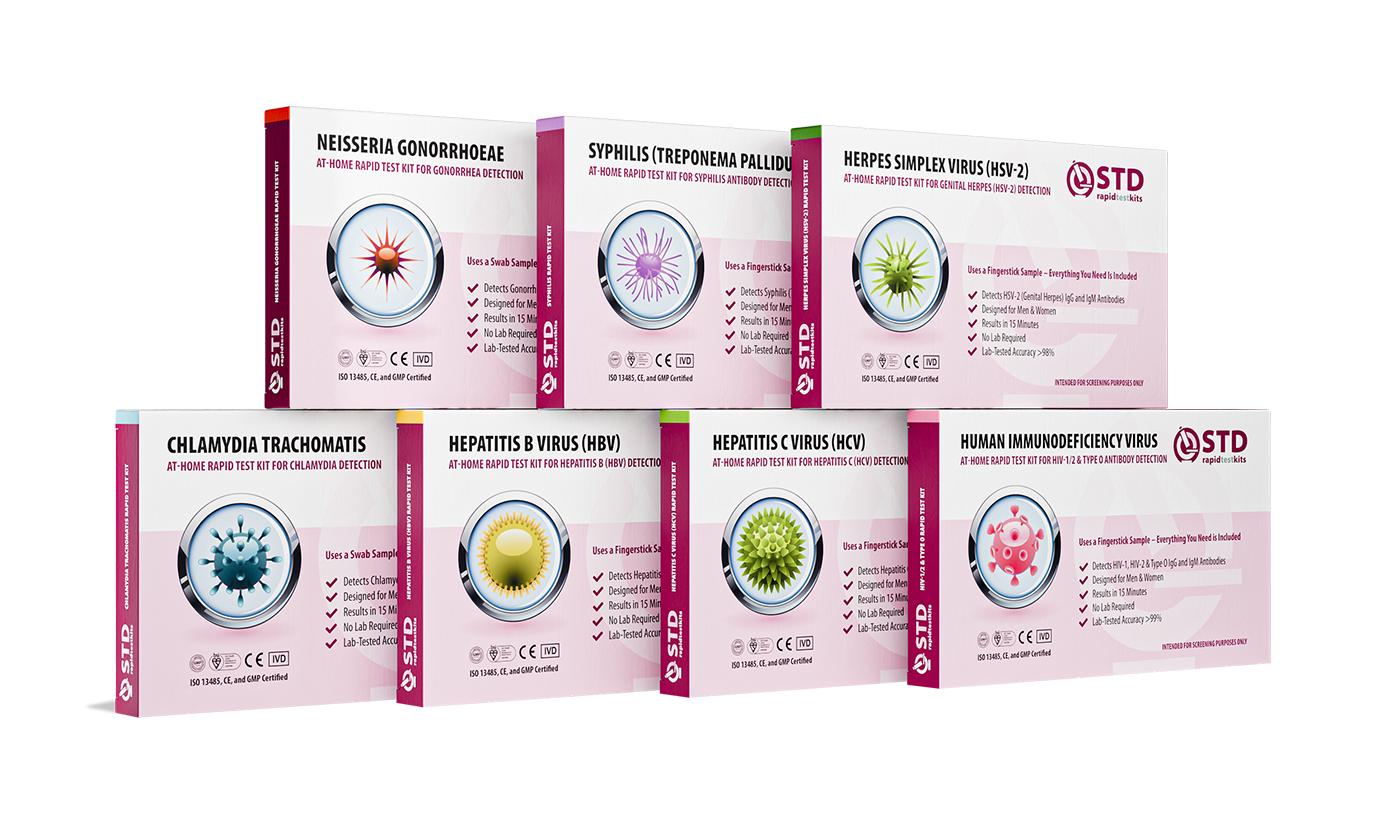
If you’ve had potential exposure—even if it was months or years ago—testing remains vital. At-home test kits, like the Multi-STD Test Kit Package or the Combo STD Home Test Kits available at STD Rapid Test Kits, provide a private way to take that important first step.
Check Your STD Status in Minutes
Test at Home with Remedium7-in-1 STD Test Kit
Claim Your Kit Today
Save 62%
For Men & WomenResults in MinutesNo Lab NeededPrivate & DiscreetOrder Now $129.00 $343.00
For all 7 tests
AIDS (Acquired Immunodeficiency Syndrome)
- Timeline: Without treatment, 8–10 years post-infection
- Also known as: The final and most severe stage of HIV
What Happens
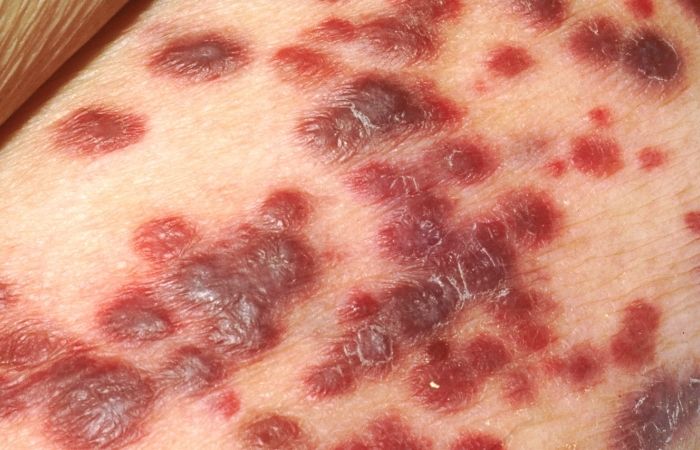
AIDS is diagnosed when a person’s CD4 cell count drops below 200 cells/mm³ or they develop specific opportunistic infections or cancers, such as:
- Tuberculosis
- Pneumocystis pneumonia (PCP)
- Kaposi’s sarcoma
- CMV (cytomegalovirus)
- Candidiasis (thrush)
At this point, the immune system is severely compromised, and the individual is highly vulnerable to infections that would not typically affect a healthy person.
Modern Outcomes
In 2025, AIDS is no longer a death sentence. Thanks to ART, even when one is diagnosed at this point, they can recover immune function and regain control of their health.
Late diagnosis continues to happen in areas of the world where stigma or lack of knowledge prevents individuals from being tested. UNAIDS reports that an estimated 1.3 million people worldwide were newly infected in 2024—many of whom did not know until symptoms appeared.
Why Early Testing Matters at Each Stage
Modern medicine has provided us with amazing tools, but those tools can only be useful if people know their status. The earlier HIV is detected, the more successful the outcomes—not just for the patient, but for the community as a whole.
At-home HIV test kits on the market today make it easier than ever to do so. You can:
- Test privately at home
- Receive quick results
- Begin treatment immediately if needed
- Help slow transmission rates
Global HIV Trends: 2025 in Focus
HIV remains a worldwide health concern, but the picture is changing.
Where We Stand Today
As per UNAIDS 2025 fact sheets:
- 39 million individuals worldwide are HIV-positive.
- 29 million are receiving antiretroviral therapy (ART), an all-time high.
- New infections have fallen by 38% since 2010, though some areas (such as Eastern Europe and some parts of Sub-Saharan Africa) continue to report increases.
Deaths due to HIV have fallen by more than 50% thanks to ART access. But too many remain undiagnosed. Late diagnosis continues to be a barrier to treatment and prevention—underscoring the urgent need for stigma-free, accessible testing options.
Order Now $189.00 $490.00 Check Your STD Status in Minutes
Test at Home with Remedium
10-in-1 STD Test Kit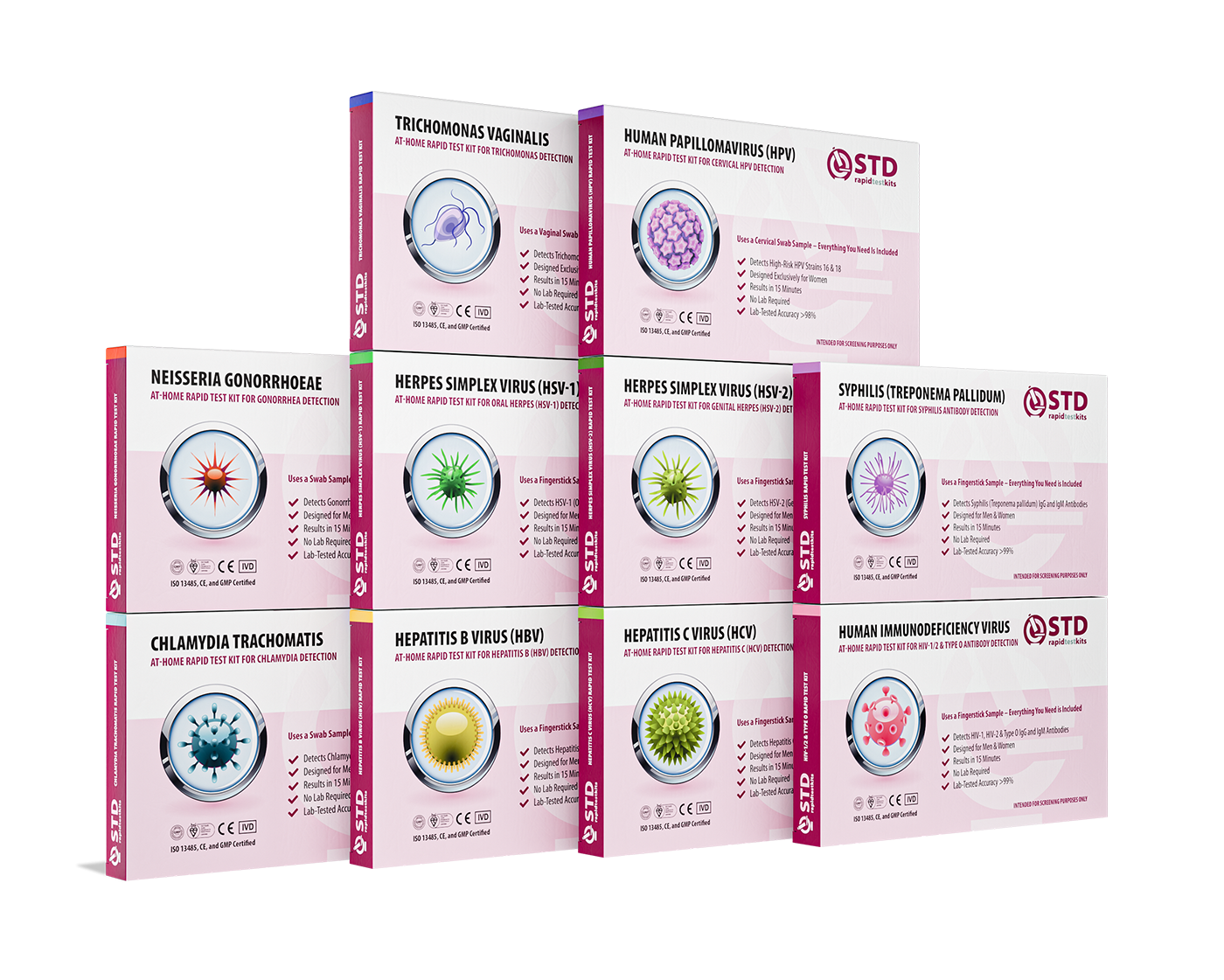 Claim Your Kit TodaySave 61%
 For WomenResults in MinutesNo Lab NeededPrivate & Discreet
For all 10 tests
Rapid Testing: A Game-Changer for 2025
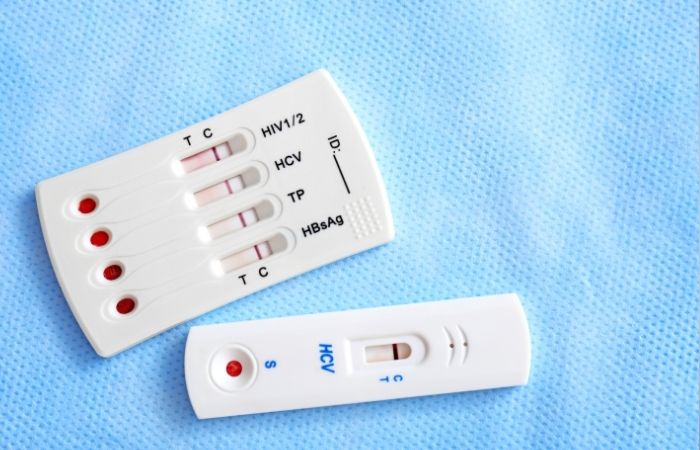
Those days of waiting weeks for laboratory results are behind us. Rapid HIV testing—particularly at-home testing—has been a game-changer in the HIV response.
At-Home Testing Advantages
- Privacy: No clinics, no awkward discussions.
- Speed: Results in minutes, not weeks.
- Access: Available to anyone with a mailbox.
- Accuracy: Fourth-generation kits are extremely accurate at detecting early infection.
Companies such as STD Rapid Test Kits now sell discreet, medically approved kits such as the Combo STD Home Test Kit or Single STD Tests (Herpes excluded) which enable individuals to test their HIV status in the comfort of their own homes.
These kits address gaps in healthcare access—particularly for individuals in rural communities, those who fear stigma, or anyone who is steering clear of clinics due to historical trauma or discrimination.
Real-Life Voices: Living with HIV in 2025
Leah, 41, New York
"Being told I was positive in 2020 shocked me. But I got tested early and started treatment the same week. Now my viral load is undetectable, and I've had two children who are both HIV-negative."
Adebayo, 27, Lagos
"I fell ill in 2023 and didn't realize it was HIV until I found myself in the hospital. If I had been tested before then, I would've been able to prevent that. Now I tell people—friends, neighbors—how crucial testing is."
Tomas, 19, Madrid
"My partner and I take at-home test kits every six months. It's like brushing your teeth. No anxiety, just part of being healthy.".
10 Most Commonly Asked Questions on HIV in 2025
1.- Is HIV potentially life-threatening in 2025?
Yes, but only if it is not treated. With treatment and ART, individuals with HIV can live just as long as individuals who do not have the virus.
2.- What is the difference between HIV and AIDS?
HIV is the virus. AIDS is the advanced stage of HIV infection, which is characterized by severe damage to the immune system and opportunistic infections.
3.- How reliable are HIV home test kits?
Contemporary home kits, particularly fourth-generation tests, are more than 99% reliable when used correctly. Always get it confirmed by a physician if you receive a reactive test.
4.- Can I contract HIV through oral sex?
The risk is considerably less than with vaginal or anal sex but not nonexistent. The risk is higher if there are cuts, sores, or bleeding gums.
5.- When after exposure should I test?
Fourth-generation tests typically detect HIV between 18–45 days. If you think you've been exposed recently, test once at 4 weeks and again at 3 months to confirm.
6.- Can HIV be cured?
There is not yet a widely available cure, but scientists continue to try. There have been a few exceptional instances of remission, typically through stem cell transplants.
7.- What is U=U?
"Undetectable = Untransmittable." If you reduce your viral load to undetectable levels by taking ART, you cannot sexually transmit HIV to another individual.
8.- Can I test for HIV with an STD test kit?
Yes, HIV is included in the testing of most multi-STD kits. Make sure the kit specifically mentions HIV as one of the diseases it tests for.
9.- Is HIV solely an issue for gay men or drug users?
No. HIV is present in all genders, orientations, and ages. Heterosexual sex is still the most common transmission worldwide.
10.- How frequently should I be tested?
If you're sexually active, the experts say at least once a year—or every 3 to 6 months if you have multiple partners or if you're taking greater risks.
Order Now $149.00 $392.00 Check Your STD Status in Minutes
Test at Home with Remedium
8-in-1 STD Test Kit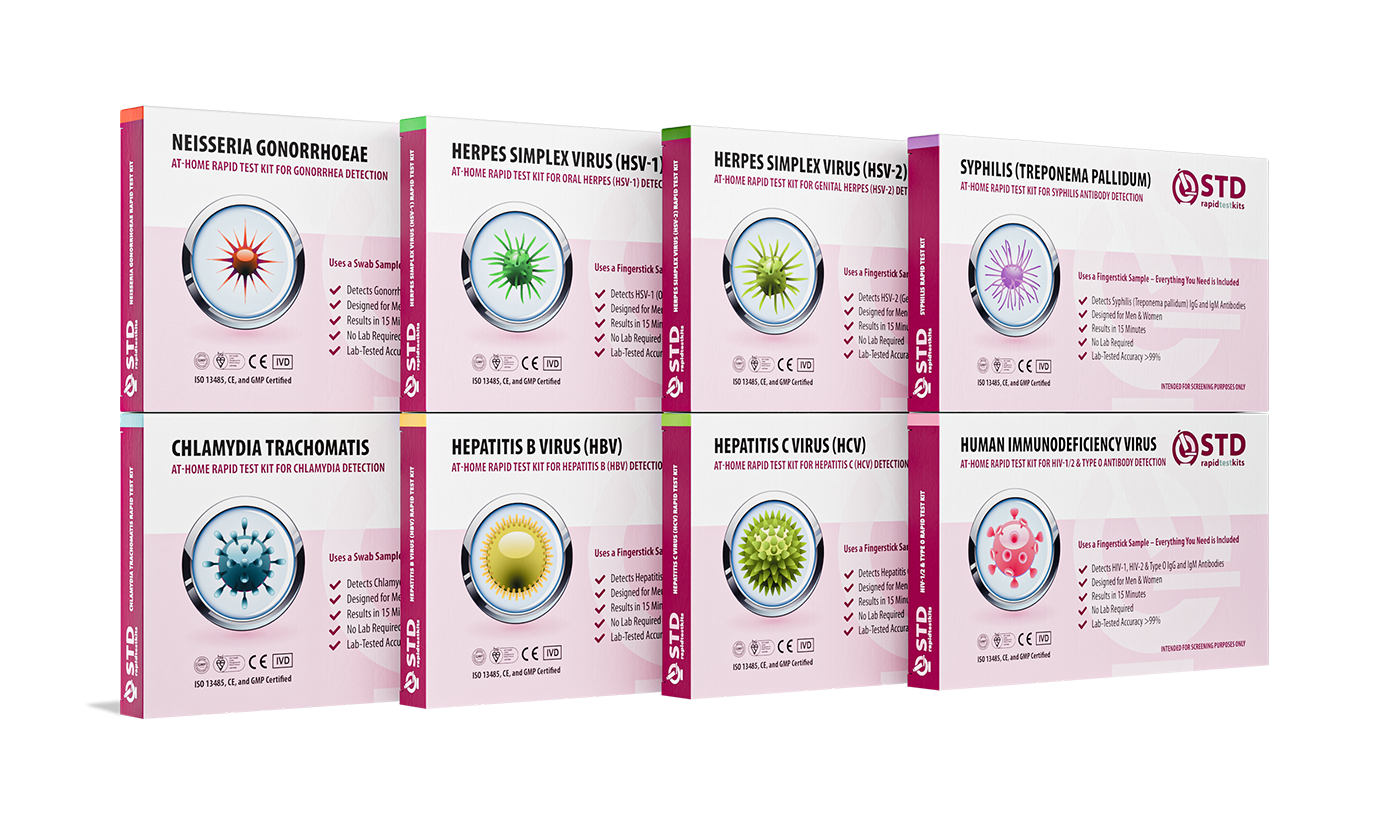 Claim Your Kit TodaySave 62%For Men & WomenResults in MinutesNo Lab NeededPrivate & Discreet
For all 8 tests
Test Early, Test Often, and Take Control
HIV is neither a mystery nor a death sentence anymore. It is a health condition that, if found early and treated on a consistent basis, can be controlled for a lifetime.
If you don't know your status, now is the time to do something about it. Don't let stigma or fear get in your way. With at-home testing such as the Multi-STD Test Kit Package or Combo STD Home Test Kits from STD Rapid Test Kits, it's never been more convenient or discreet to take control of your health.
Your health is your power. Begin with a test.
Sources
1.- The Lancet
2.- American Journal of Medicine
3.- Journal of Clinical Virology
4.- New England Journal of Medicine


