







Burning, Itching, Discharge: Yeast Infection or STD?
Risk Factors That Enhance STD Susceptibility
Frequency of Unprotected Sex
One of the biggest reasons for higher STD rates is a failure to use protection consistently. Condoms and dental dams are very good at reducing STD risks for STDs like chlamydia, gonorrhea, and HIV. They're not perfect, however—HPV, herpes, and syphilis are still possible to transmit through skin-to-skin contact in areas not covered by the protection.
The truth: Other people take a gamble, thinking they or their partner are "clean" based on appearance, history, or absence of symptoms. But many STDs don't show visible symptoms in the early stages.

Number of Sexual Partners
The more partners you have, the higher your risk of getting infected. It is simple mathematics—if one of your partners has an STD and doesn't know it, the infection can continue if no one gets tested and treated.
Anecdote: Alex, 27, confessed, "I used to hook up randomly without thinking about getting tested. I was okay, so I figured I was good. When I finally did get tested because a new girlfriend requested it, I had both chlamydia and gonorrhea—and I didn't even have any symptoms."
Biological Susceptibility and Age
Half of all new STDs in the U.S. occur in young people (ages 15-24), the CDC says. And it is not like young people are irresponsible—it is a little biological.
The cervix in younger women is still developing, and thus is more prone to infections such as chlamydia and gonorrhea.
People under 25 are less likely to get tested regularly, meaning they often spread infections unknowingly.
Check Your STD Status in Minutes
Test at Home with Remedium3-in-1 STD Test Kit
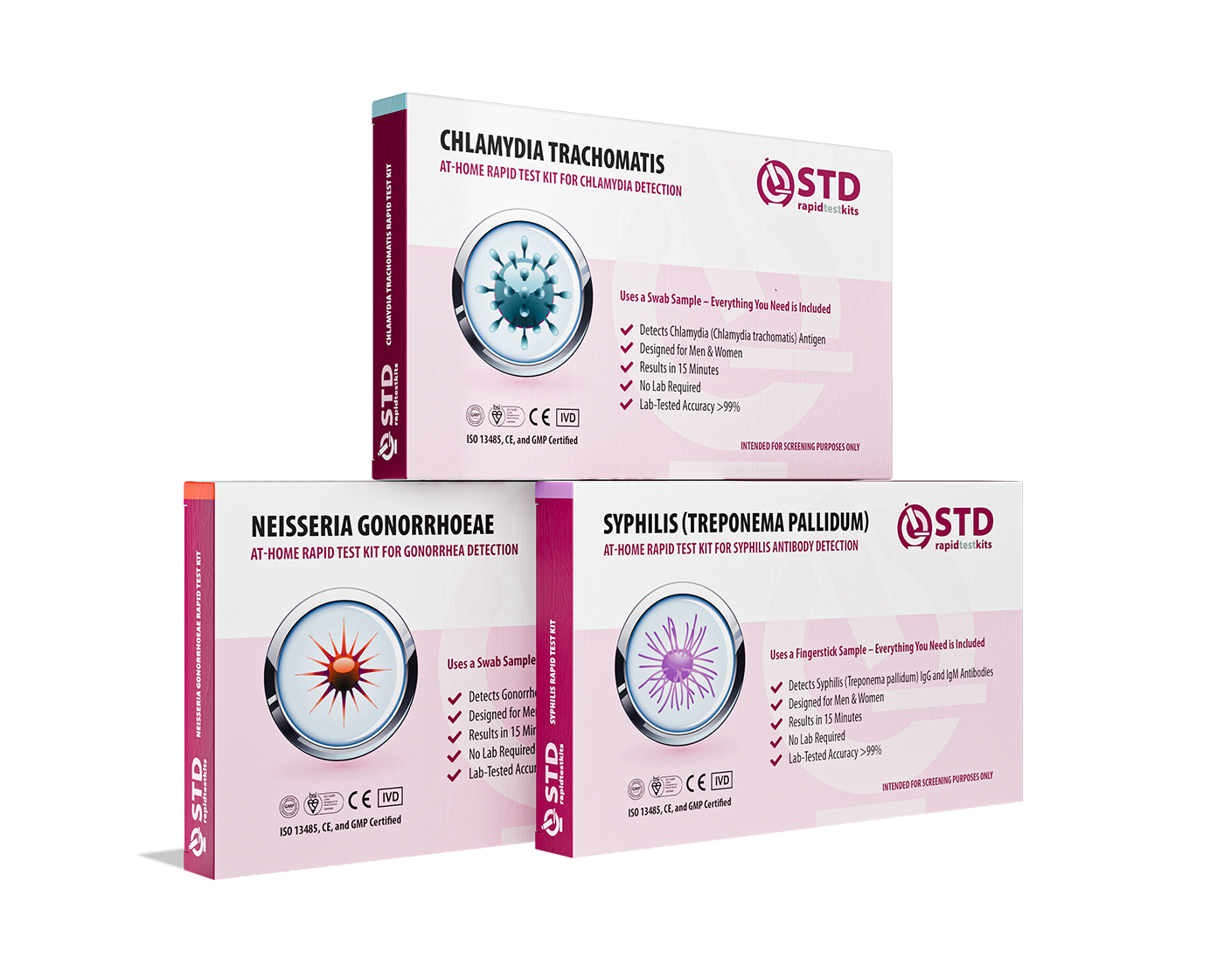
Claim Your Kit Today
Save 53%
 For Men & Women
 Results in Minutes
 No Lab Needed
 Private & Discreet
Order Now $69.00 $147.00
For all 3 tests
Alcohol and Drug Use
Alcohol and drug use decrease inhibitions and promote risky sexual behavior. Under the influence, individuals are less likely to use protection, more likely to engage in multiple partnering, and less likely to discuss STDs.
Stat: In one study, researchers discovered that people who had participated in binge drinking were four times as likely to have unprotected sex with a casual partner.
STDs That Do Not Show Symptoms
Some people get multiple STDs simply because they do not know they do. Certain infections, like chlamydia, HPV, and herpes, lie dormant or symptomless for years or months, and it is easy to transmit them unknowingly.
Example: Jessica, age 23, shared, "I had HPV for two years before I was aware from a regular pap smear. I had no idea."
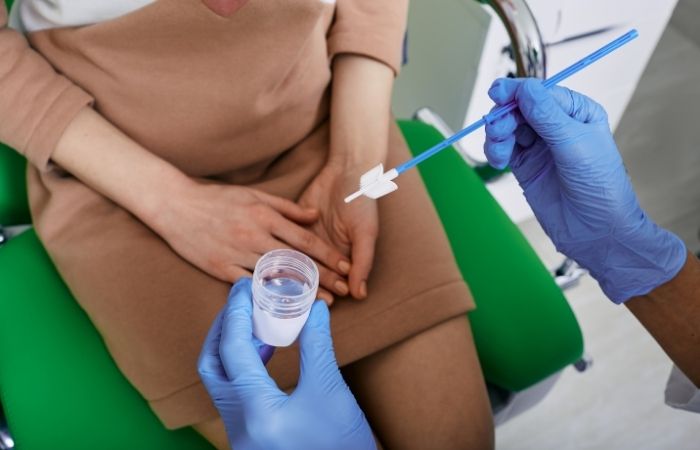
Having One STD Increases the Risk of Another
If you already have one, you're more likely to get another. For instance, if you have herpes, you're more likely to get HIV since sores from herpes provide the virus with an easier path into the body.
Stat: Studies show that a person with genital herpes is 3-5 times more likely to get HIV through unprotected sex.
Social and Economic Factors
STD rates also depend on access to medical care, education, and stigma. Individuals with limited access to medical care can:
- Fail to be tested regularly, leading to untreated infections.
- Have limited access to protection such as condoms or PrEP (HIV prevention).
- Fear being judged by doctors, so they do not discuss STDs at all.
Monogamy and Relationship Assumptions
Some think that having a boyfriend or girlfriend makes you "safe" from STDs—but it's not always the case. A monogamous relationship will only work if you both are tested and faithful.
Example: Mike, age 31, believed he was in a monogamous relationship but discovered that his partner had slept with another person. He got himself tested and discovered he had trichomoniasis—a curable but usually symptomless STD.
Order Now $129.00 $343.00 Check Your STD Status in Minutes
Test at Home with Remedium
7-in-1 STD Test Kit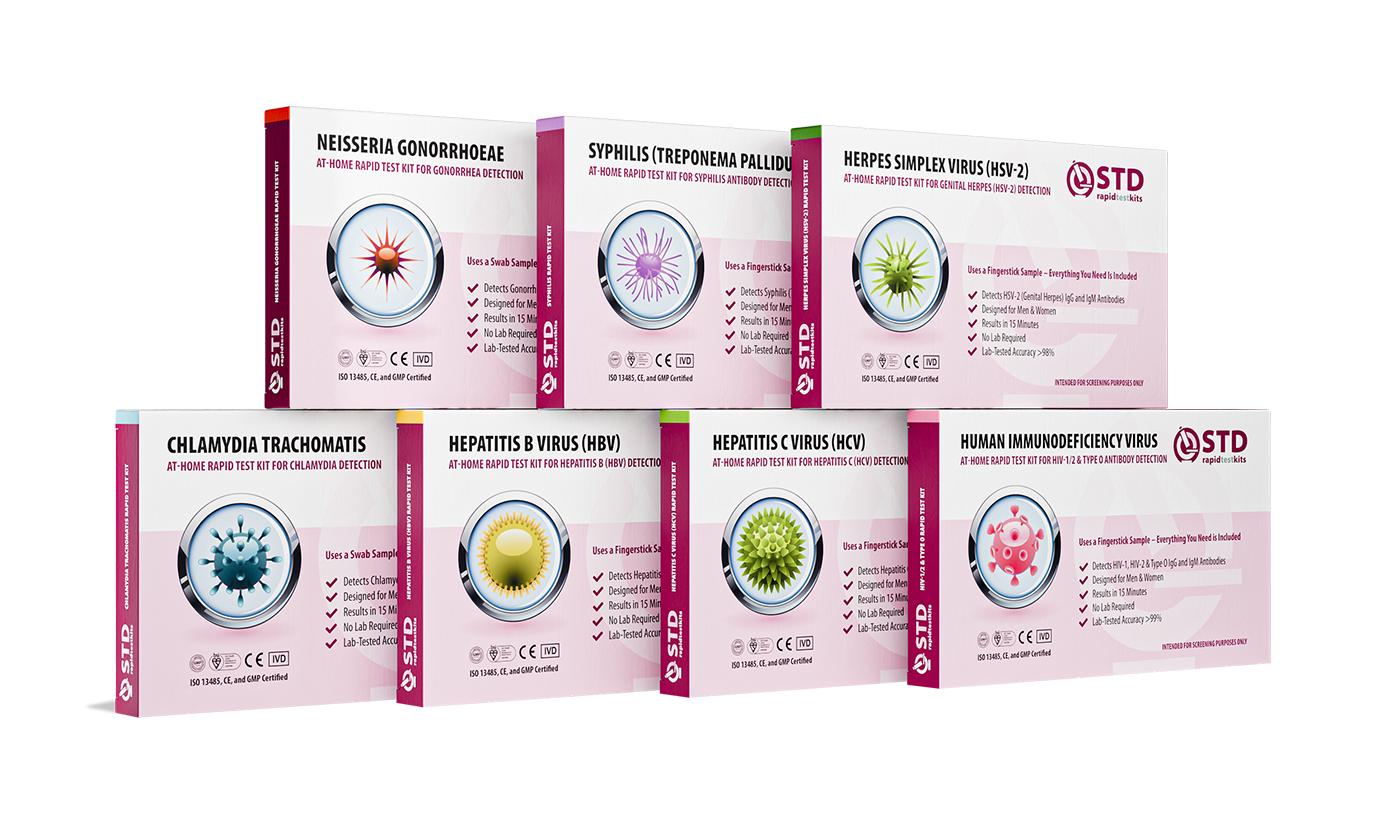 Claim Your Kit TodaySave 62%For Men & WomenResults in MinutesNo Lab NeededPrivate & Discreet
For all 7 tests
Common Misconceptions About STD Risk
Most individuals take unnecessary risks unknowingly due to the myths they hold regarding the transmission of STDs. Let's break some of the most prevalent ones:
"You Can Tell If Someone Has an STD by Looking at Them"
This is one of the largest myths. Most STDs, such as chlamydia, HPV, herpes, and gonorrhea, do not show any visible symptoms at the onset. The person can be completely okay but spreading an infection without their awareness.
Reality check: The only way to know for certain is through regular tests.
"If You Only Have One Partner, You're Safe"
Being monogamous does not mean you are STD-free. If you and your partner were not both tested prior to becoming intimate, there is still a risk.
Example: Sarah and her fiancé thought that they were STD-free since they had been dating for three years. When Sarah came in for her yearly gynecological check-up, she was discovered to have HPV—a virus that lies dormant for years.
"Oral and Anal Sex Are Risk-Free"
Even though pregnancy is not a risk, STDs can definitely be passed along through oral and anal sex.
Herpes, HPV, gonorrhea, and syphilis are transmissible through oral sex.
HIV, gonorrhea, and chlamydia are very infectious during anal sex, particularly without a condom.
Check Your STD Status in Minutes
Test at Home with Remedium6-in-1 STD Rapid Test Kit

Claim Your Kit Today
Save 60%
For Men & WomenResults in MinutesNo Lab NeededPrivate & DiscreetOrder Now $119.00 $294.00
For all 6 tests
"If You Have an STD Once, You Can't Get It Again"
STDs are not like chickenpox—you can catch chlamydia, gonorrhea, syphilis, or even herpes more than once if you are exposed again.
Statistic: Up to 20% of people who do not alter their habits develop repeat chlamydia infections within a year's time.
"Condoms and Birth Control Provide 100% Protection"
Although condoms greatly lower the risk of STDs, they are not 100% effective—particularly for those caused by skin-to-skin contact such as HPV, herpes, and syphilis.
Birth control pills, IUDs, and implants do not provide any protection against STDs.
How to Minimize Your Risk of STDs
If you are sexually active, you cannot totally eliminate the risk, but you can greatly lower it with smart decisions:
Use Protection Every Time
Condoms and dental dams reduce the risk of most STDs.
Even if you're in a monogamous relationship, getting tested before having sex without condoms is a good idea.
Have Regular Tests
Testing is not just for people with symptoms—most STDs are asymptomatic. If you are sexually active, regular screenings are important.
Guidelines:
- Yearly if you have 1-2 partners.
- Every 3-6 months if you have multiple partners.
- Right away if you have symptoms or had unprotected sex.
Home STD testing kits offer you the privacy to test yourself.
Communicate with Your Partners
- Ask about testing history before having sex.
- Talk about safe sex habits—it's not embarrassing, it's responsible.
Tip: If a partner won't discuss STDs or testing, that is a red flag.
Limit Alcohol and Drug Use Before Sex
Intoxication results in riskier decision-making and less chance of protection.
If you do drink, have condoms or dental dams available so that protection is convenient.
Get Vaccinated
The HPV vaccine protects against the types that cause genital warts and cervical cancer.
The Hepatitis B vaccine protects against another harmful STD.
Check Your STD Status in Minutes
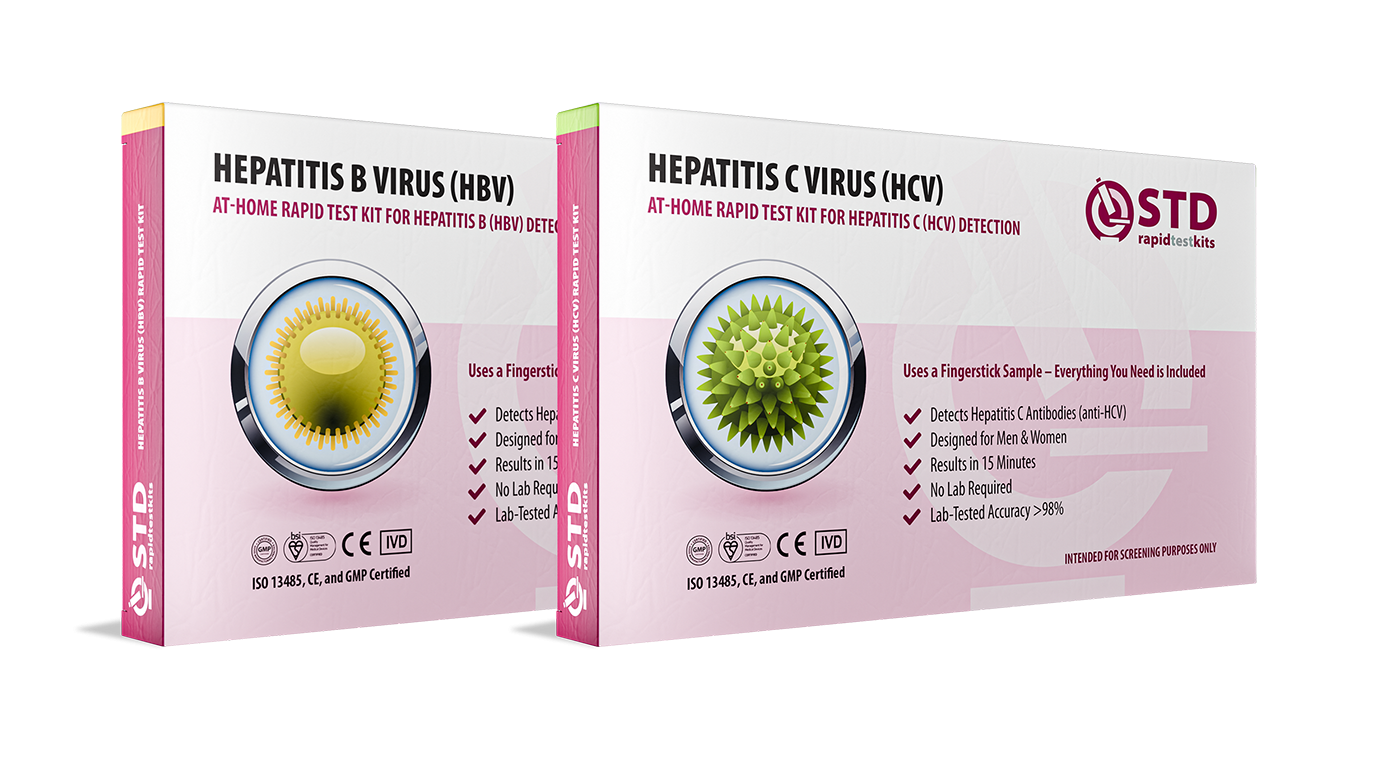
Test at Home with RemediumHepatitis B & Hepatitis C Test Kit
Claim Your Kit Today
Save 50%
For Men & WomenResults in MinutesNo Lab NeededPrivate & DiscreetOrder Now $49.00 $98.00
For all 2 tests
Testimonials & Real Stories
It is from actual individuals and works to de-stigmatize STD prevention and screening. The following are testimonials from individuals who have had an STD:
Lisa, age 29
"I caught chlamydia from a boyfriend who swore he was faithful. I didn't have any symptoms—I only discovered it because my friend persuaded me to get tested. Now, I never take anyone's word for it when they say they're STD-free just because they 'look clean.'"
Brian, 24
"I first had a herpes outbreak last year, and I was terrified to inform my girlfriend. But when I informed her, she was okay with it and got herself tested too. It actually made us closer. Honesty is always the best policy."
Mike, age 35
"I wish I'd received the HPV vaccine sooner. I developed throat cancer due to HPV exposure. Get it if you're young enough to get vaccinated."

FAQ
1.- What is the most common STD?
HPV is the most prevalent, infecting close to 80% of sexually active adults at one time or another. Chlamydia is the most commonly reported bacterial STD.
2.- Can I get an STD from oral sex?
Yes! Herpes, gonorrhea, syphilis, and HPV are all commonly spread through oral sex.
3.- How quickly can I be tested for an STD after having sex?
It depends on the STD:
- Chlamydia & Gonorrhea: 1-2 weeks
- Syphilis: 3-6 weeks
- HIV: 2-4 weeks for early diagnosis, 3 months for confirmation
Order Now $33.99 $49.00 Check Your STD Status in Minutes
Test at Home with Remedium
Syphilis Test Kit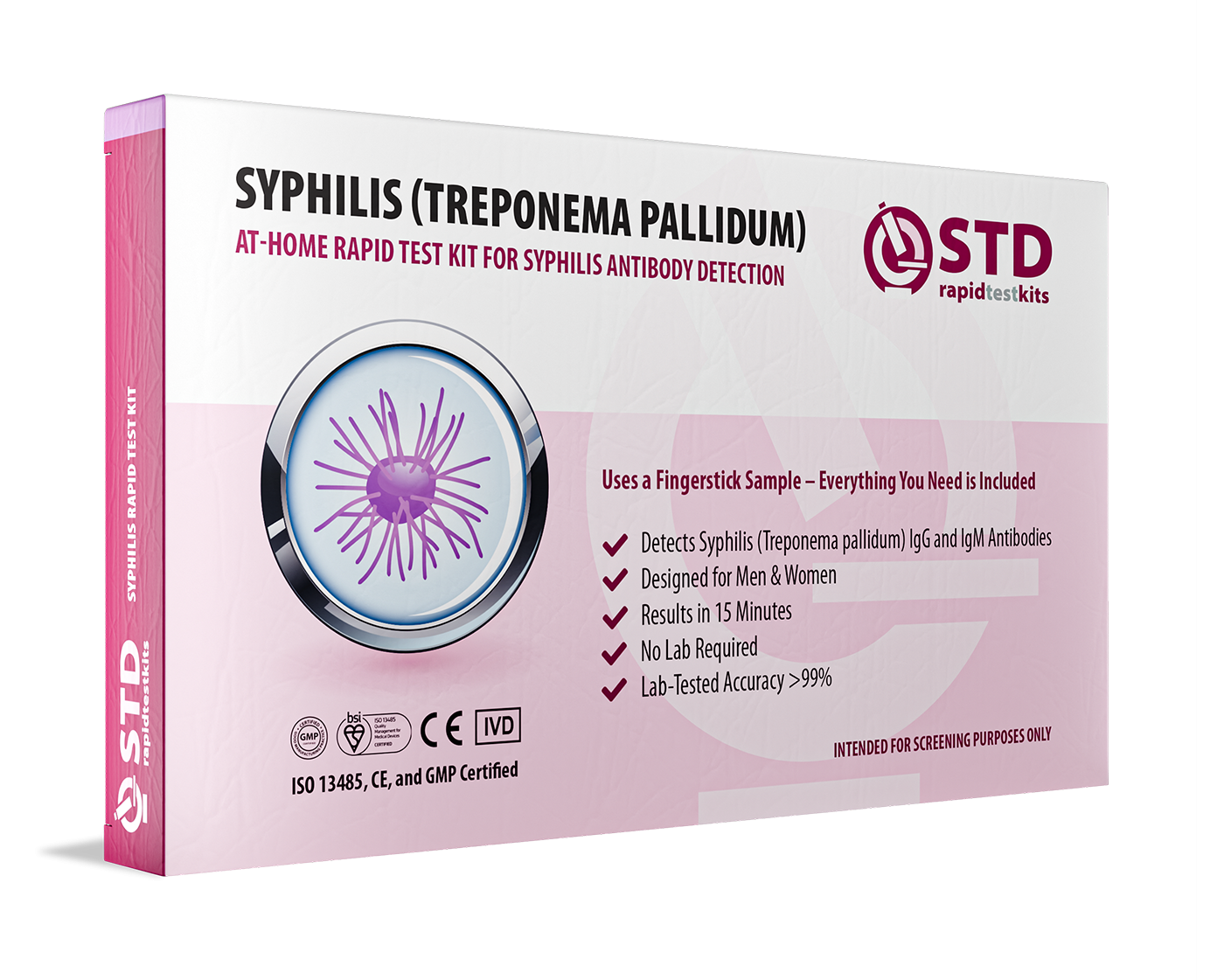 Claim Your Kit TodaySave 31%For Men & WomenResults in MinutesNo Lab NeededPrivate & Discreet
4.- Is it possible to catch an STD if you had sex only once?
Yes. It just takes once to get an STD.
5.- Do STDs always have symptoms?
No! Most STDs, like chlamydia, HPV, and herpes, can be symptom-free for months or years.
6.- Is there an STD that cannot be cured?
Yes. Herpes, HIV, and certain forms of HPV are not curable but can be controlled with treatment.
7.- Are you able to get an STD if your partner is asymptomatic?
Yes! Asymptomatic individuals can indeed transmit infections.
8.- Are STD home test kits accurate?
Yes, respected in-home STD test kits utilize the same lab technology as clinics. They offer private, accurate testing and are an excellent choice for routine testing.
9.- Is it possible to have sex if I have an STD?
Yes, but you must: Notify your partner before sex. Use condoms or dental dams to reduce the risk of transmission. Take medicine if your STD can be cured.
10.- What do I do if I test positive for an STD?
Don't panic—most STDs are treatable or manageable. Have a doctor follow up for treatment. Inform your partners so that they, too, can get tested.

Keeping Yourself and Others Safe
STDs do not discriminate, and having one does not make you dirty or careless, just human. The more you know, however, the better you will be able to defend yourself and your partners.
Take Action Today:
- Wear protection every time.
- Get tested regularly—try at-home STD testing kits for ease.
- Engage in open discussions regarding sexual health.
Your sexual well-being is in your hands—remain informed, remain protected, and shatter the stigma.
Source
1.- Push to improve syphilis testing in US as disease makes dramatic comeback
2.- Public health experts cheer progress on STIs, fear backsliding under Trump
3.- Sexually transmitted diseases (STDs) - Symptoms and causes


