






Can You Get HIV From Oral Sex? The Real Risk Explained
Why Is the Risk of HIV Transmission Higher in Anal Intercourse?
Anal sex, both between two men and between a man and a woman, is much riskier for HIV transmission than vaginal or oral sex. This is because of the fragile nature of rectal tissue and the density of immune cells in the area that are highly susceptible to attack from the virus.

Scientific Evidence on HIV Risk in Anal Sex
The CDC approximated that receptive anal sex has a 1.38% risk of HIV transmission per act when one partner is HIV-positive and not treated.
Insertive anal sex (in which a man inserts his penis into his partner) carries a 0.11% risk per encounter, which, although lower, is nonetheless a risk.
Research has proven that rectal tissue is more likely to tear and become inflamed, making it more accessible for HIV to enter the bloodstream.
These statistics indicate that both women and men who have unprotected anal intercourse are at high risk if the partner is HIV-positive. All of these measures , condoms, PrEP (pre-exposure prophylaxis), and frequent testing , are needed to reduce this risk.
Now, let us consider the early symptoms of HIV that can occur after exposure.
Check Your STD Status in Minutes
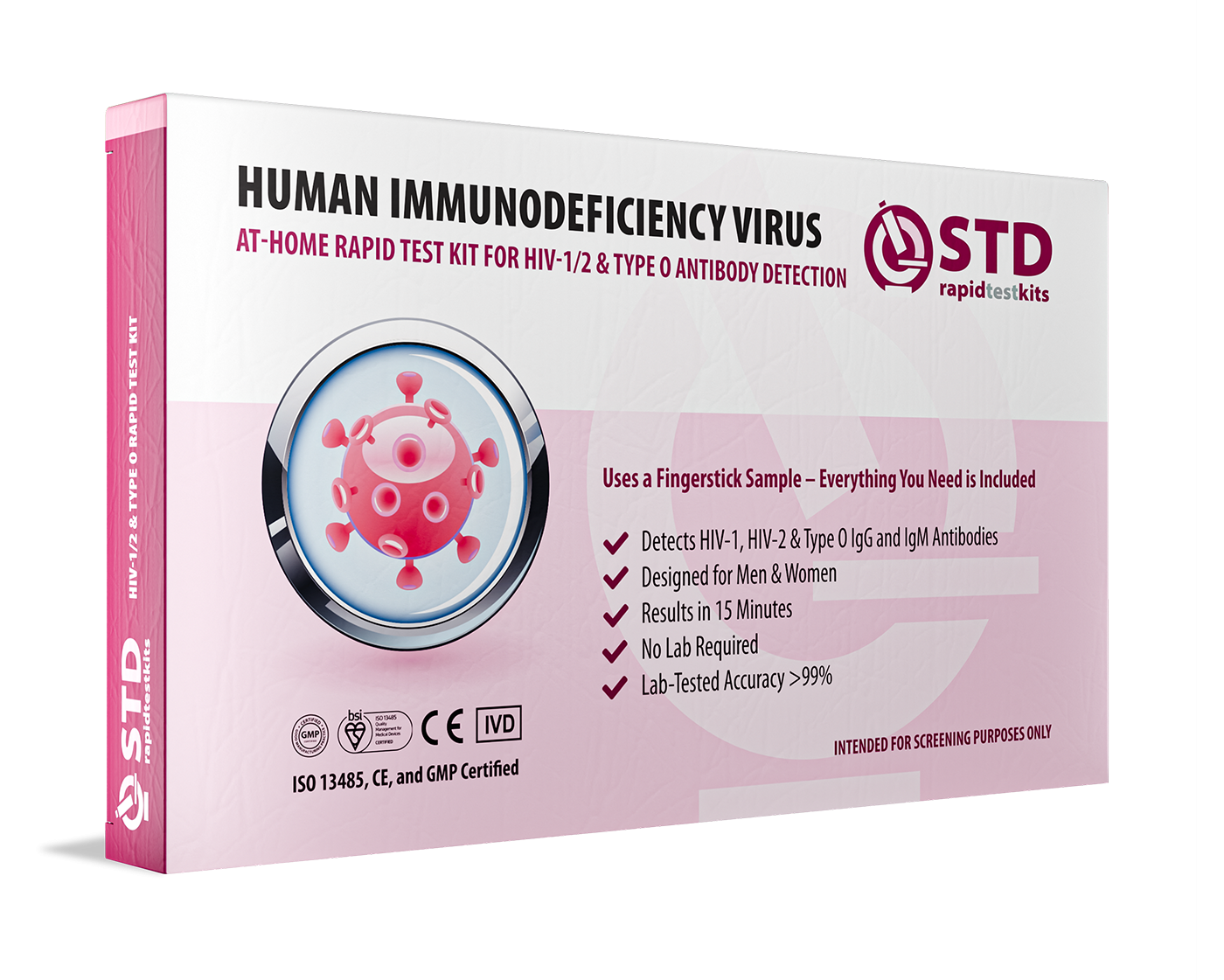
Test at Home with RemediumHIV Rapid Test Kit
Claim Your Kit Today
Save 31%
 For Men & Women
 Results in Minutes
 No Lab Needed
 Private & Discreet
Order Now $33.99 $49.00
Early Symptoms of HIV: What to Look Out For
The initial stage of HIV is acute HIV infection and does not usually happen until 2 to 4 weeks following exposure. The virus is actively multiplying in the body during this period, causing flu-like symptoms in most individuals.
General Early Symptoms of HIV
- Fever (usually one of the initial symptoms to manifest)
- Fatigue and extreme exhaustion
- Sore throat
- Enlarged lymph nodes, especially in the neck, armpits, or groin
- Muscle and joint pain
- Skin rashes that may appear on the chest, back, or face
- Night sweats that may be severe
- Mouth ulcers or sores
- Diarrhea and gastrointestinal disturbance
- Unexplained weight loss
These symptoms usually persist for 1 to 2 weeks and then disappear, prompting most individuals to ignore them. HIV, however, is still present in the body after the resolution of symptoms, and it will keep weakening the immune system if not treated.

Anecdotal Experience: What Individuals Have Said
Most people who get infected with HIV from unprotected anal sex first think they have flu or a cold. Here are some true stories:
- Case 1: A 32-year-old man developed extreme fatigue and night sweats approximately 10 days after unprotected anal sex. He believed he had the flu, but a test came back positive for early-stage HIV.
- Case 2: A mid-20s woman had receptive anal sex and within two weeks developed sores on the mouth, swollen glands, and rash. She attributed it to stress but later found out that she had HIV.
- Case 3: A 40-year-old male who had insertive anal sex regularly complained of mild fever and fatigue but didn't give it much heed. A routine examination a few months later confirmed HIV-positive status.
They emphasize the importance of a test, even if symptoms are mild or temporary.
Next Steps If You Suspect HIV Exposure
If you've had unprotected anal sex and are worried that you may have been exposed to HIV, do the following:
- Get tested as early as you can. Standard HIV tests can detect the virus 2 to 4 weeks after infection, but some early-detection tests can detect it earlier.
- Think about PEP (post-exposure prophylaxis). If exposure occurred within the last 72 hours, PEP use can prevent HIV infection.
- Monitor for signs. Record any abnormal health changes and re-test in 3 months to confirm.
- Use condoms and safer sex. Your partner might appear healthy but can unknowingly pass on HIV.
- Home tests. If privacy is of concern, home test kits are a convenient and accurate method to check your status.
Check Your STD Status in Minutes
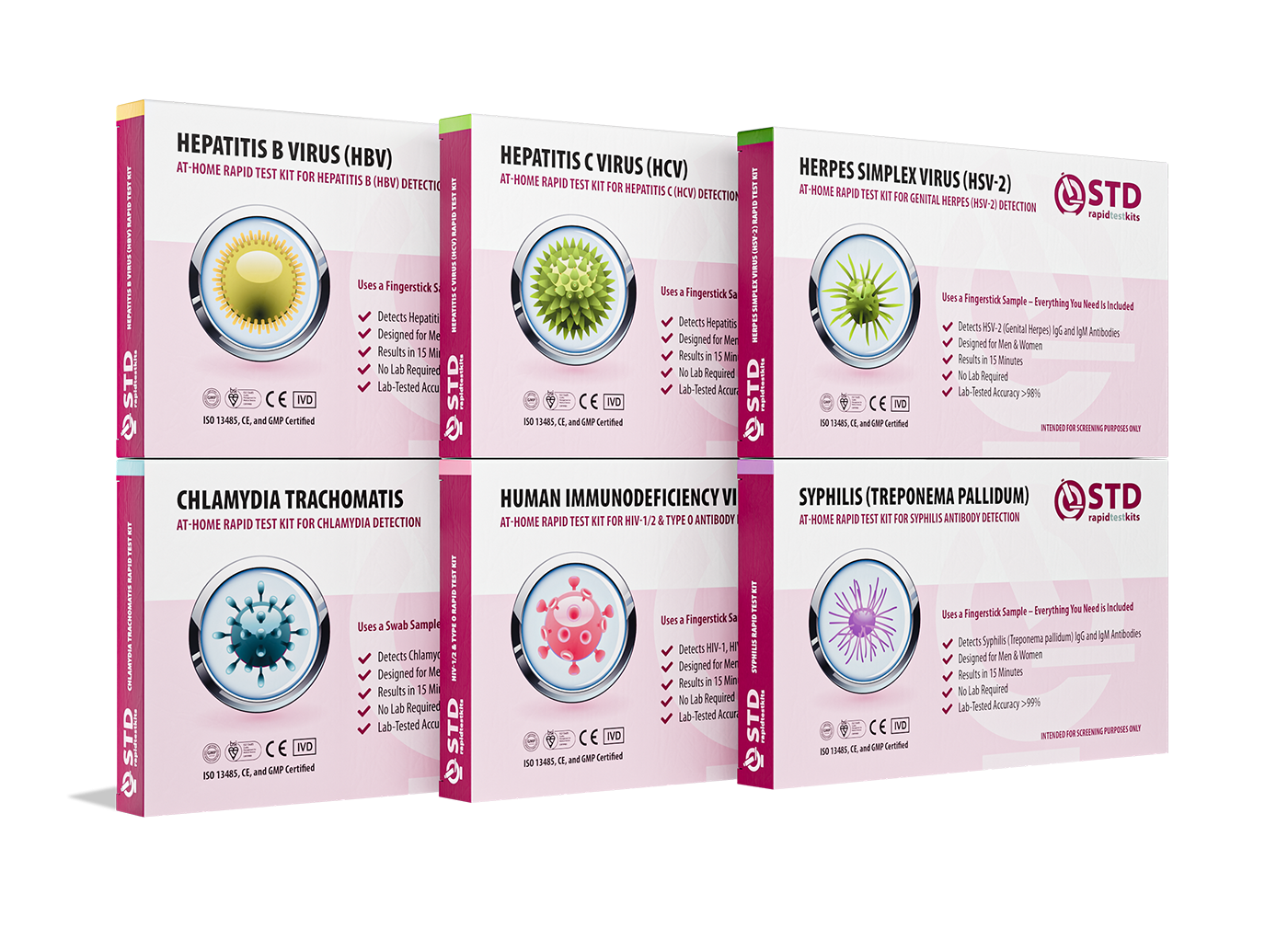
Test at Home with Remedium6-in-1 STD Test Kit
Claim Your Kit Today
Save 60%
For Men & WomenResults in MinutesNo Lab NeededPrivate & DiscreetOrder Now $119.00 $294.00
For all 6 tests
Statistical HIV and Anal Sex Facts
Getting a look at actual data on HIV transmission via anal sex can put the risks into perspective. The following are some of the most compelling statistics derived from medical research and public health reports.
Risk Per Act: What the Data Reveals
- Receptive anal sex (being the receptive partner) has an estimated 1.38% risk per exposure if the other partner is HIV-positive and not on treatment.
- Insertive anal intercourse (top) carries a risk of 0.11% per exposure, which is lower but still a risk.
- Research has shown that HIV is 18 times more likely to be transmitted through anal sex compared to vaginal sex.
- For men who have sex with men, risk is greater if the HIV-positive partner has a high viral load (i.e., is not on effective treatment).
- In heterosexual relationships, the risk is still considerable, especially if the receptive partner has rectal inflammation or microtears that enhance susceptibility to infection.
The Role of Treatment and Viral Load in Reducing Risk
If the HIV-positive partner is taking antiretroviral treatment (ART) and has an undetectable viral load, the risk of transmission is, in fact, zero (U=U: undetectable = untransmittable).
PrEP (pre-exposure prophylaxis), when taken correctly, lowers the risk of HIV from anal sex by 99%.
What Experts Say Regarding Early Detection and Prevention
Medical professionals emphasize early detection as the key to managing HIV effectively. Here’s what some experts say:
Dr. Lisa Martinez, Infectious Disease Specialist
The first two weeks following HIV exposure are crucial. If you think that you have been exposed, you need to get tested right away and discuss PEP with a health care provider if you are within the 72-hour time frame.
Dr. Ahmed Patel, Public Health Researcher
"Anal sex is especially risky because rectal tissue is so fragile. Condom use, regular testing, and consideration of PrEP can significantly lower HIV transmission."
CDC Guidelines for Testing
HIV screening is advised at least annually in persons who have high-risk sexual behavior, and 3 to 6 monthly in those who have several sexual partners.

How Our Knowledge of HIV Has Changed
Decades back, HIV was surrounded by myths and fear, especially when anal sex was involved. Science has taken giant leaps since then in early detection, treatment, and prevention.
- 1980s: HIV was unfairly stigmatized as a disease of particular groups, and this resulted in general stigma.
- 1990s: The beginning of antiretroviral therapy (ART) converted HIV into a chronic rather than fatal disease, which could be controlled.
- 2000s: Science established that HIV can be controlled with proper treatment, so U=U (undetectable = untransmittable) became a scientific fact.
- Present Day: Home testing kits, PrEP, and rapid testing have made HIV testing and prevention easier than ever.
Knowing about this development demystifies the stigma and promotes healthier sex.
Practical Steps to Minimize Your HIV Risk
If you have anal sex, a male-male or male-female relationship, there are things you can do to reduce your risk of HIV:
- Use Condoms – They significantly minimize HIV transmission if used consistently and correctly.
- Get Tested Regularly – Being aware of your status prevents HIV transmission.
- Consider PrEP – A highly effective medication that prevents HIV infection when taken as instructed.
- Encourage Partners to Get Tested – Open sexual health discussions offer fewer risks of transmission.
- Use Lubrication – It avoids rectal tears and inflammation, which are entry points for HIV.
Check Your STD Status in Minutes
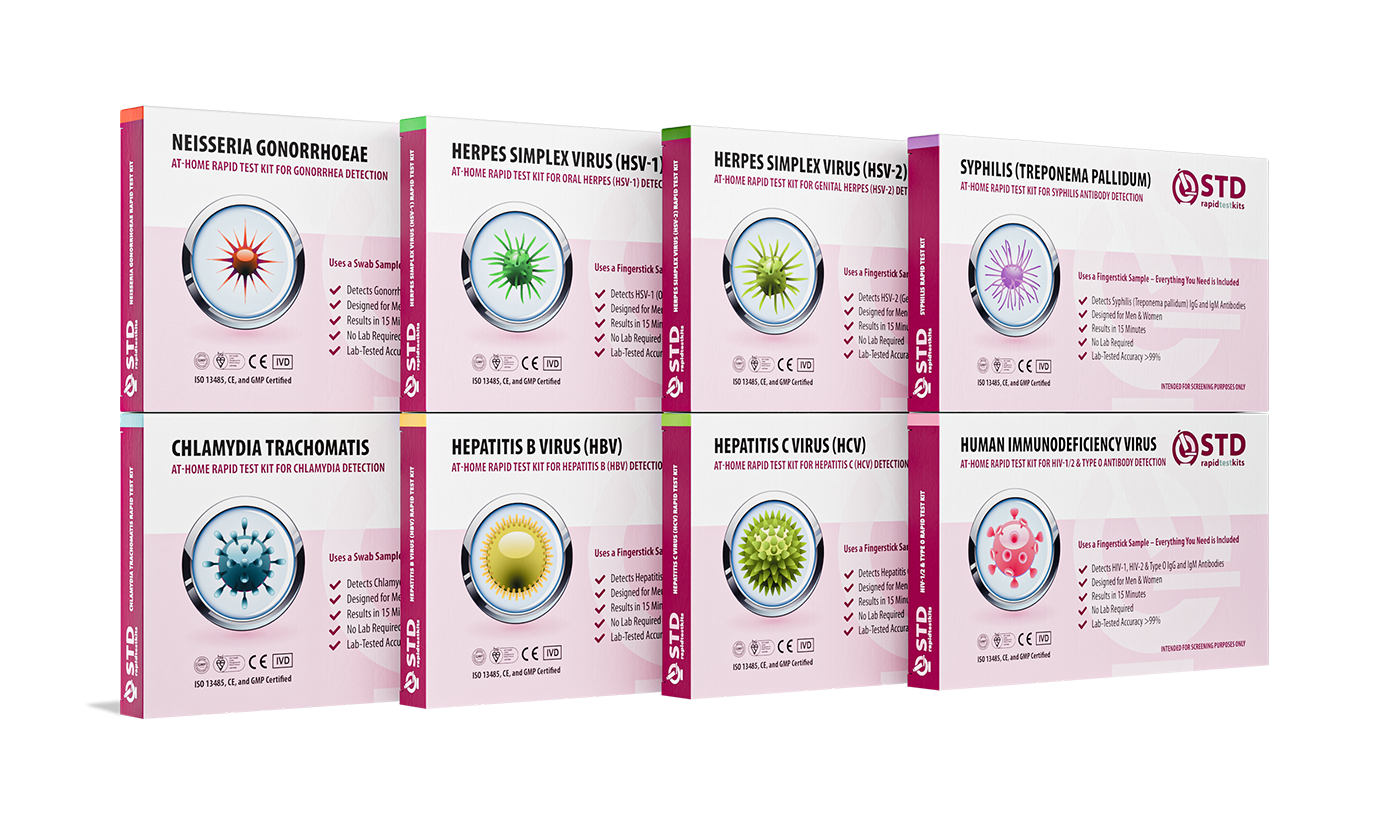
Test at Home with Remedium8-in-1 STD Test Kit
Claim Your Kit Today
Save 62%
For Men & WomenResults in MinutesNo Lab NeededPrivate & DiscreetOrder Now $149.00 $392.00
For all 8 tests
Common Misconceptions About HIV and Anal Sex
There are numerous myths about HIV transmission through anal sex. Let us debunk a few of them:
"HIV can be acquired only by gay men from anal sex."
- HIV does not discriminate based on sexual orientation. Anyone having unprotected anal sex is at risk.
"If my partner is healthy, then they don't have HIV."
- The majority of people with HIV are asymptomatic for years but can still transmit the virus.
"If I don't go in, there's no danger."
- HIV can be found in pre-ejaculatory fluid and can enter through small rectal tears.
"If I get an STD test, it will always find HIV."
- HIV testing is not part of most routine STD testing, you need to ask for an HIV test specifically.
"A negative test immediately after sex means I don't have HIV."
- HIV can take up to 4 weeks to show up in tests, so a single initial test is not conclusive.
FAQs
1.- When can we detect HIV after anal sex?
HIV can be identified as soon as 10 to 14 days after exposure by nucleic acid tests (NATs), but standard antibody tests can take 3 to 4 weeks to appear.
2.- What are the early symptoms of HIV following anal sex?
The onset symptoms are flu-like: fever, sore throat, swollen glands, rash, fatigue, and night sweats.
3.- Can HIV be transmitted through pre-cum during anal intercourse?
Yes, pre-ejaculatory fluid can contain the virus, making transmission possible even without ejaculation.
4.- Is HIV risk greater for the insertive or receptive partner during anal sex?
The bottom (receptive partner) is at most risk, but the top (insertive partner) can also become infected with HIV if he has a cut, sore, or STD.
5.- Is a single exposure to HIV-positive semen infective?
Yes, infection may result from a single exposure, although risk is related to viral load, presence of STD, and condom use.
6.- Is it possible to prevent HIV after unprotected anal sex?
Yes. If it has been less than 72 hours, you can take PEP (post-exposure prophylaxis) to reduce the risk of infection.
7.- Are women at the same risk of HIV from anal sex as men?
Yes, women who are receiving receptive anal intercourse are just as much at risk as men.
8.- Does douching prior to anal sex enhance or decrease HIV risk?
Douching can also increase the risk of HIV by irritating the rectal lining and thereby exposing it to infection.
9.- Can an undetectable partner still infect with HIV?
No. If a person is on treatment and has an undetectable viral load, they cannot pass HIV.
10. Should I have a home HIV test if I am concerned?
Yes, home HIV testing offers a convenient and private method of checking your status. If positive, consult a doctor right away.

Take Control of Your Own Health!
One must identify the initial symptoms of HIV following unprotected anal sex in order to get due care and avoid transmission. The initial symptoms of fever, rash, swollen lymph nodes, and night sweats must not be ignored. The most you can do is get tested as quickly as possible.
If you've had a recent exposure, take PEP within 72 hours to lower your risk. For long-term protection, PrEP and frequent HIV testing are strongly recommended.
Worried about HIV symptoms? Home testing is a simple and discreet method of checking your status. Order a reliable HIV test kit today and take control of your future.
Sources
1.- The Lancet
2.- American Journal of Medicine
3.- Journal of Clinical Virology
4.- New England Journal of Medicine


