







UTI Symptoms That Turned Out to Be an STD
Is That Burning Sensation Caused by an STD?
Sexually transmitted diseases (STDs) are one of the most prevalent genital burning causes. STDs such as chlamydia, gonorrhea, syphilis, trichomoniasis, and herpes all cause pain, burning, and discomfort.
Which STDs cause the burning?
- Chlamydia – Also called the "silent infection" since so many individuals have no symptoms whatsoever, chlamydia can lead to painful urination and abnormal discharge.
- Gonorrhea – Like chlamydia, gonorrhea can cause painful urination, burning genitals, and abnormal discharge.
- Syphilis – Syphilis is painless in its early stages, with sores, but its later stages can lead to nerve damage that can cause burning or tingling sensations.
- Genital Herpes – This viral infection results in painful sores and blisters, which sting, burn, or itch, particularly during an outbreak.
- Trichomoniasis – Less popular but prevalent STD, trichomoniasis may result in burning, itching, and foul-smelling discharge.
Anna's Surprise Diagnosis
Anna, a 27-year-old schoolteacher, never thought she would contract an STD.
"I thought I had a UTI," she says. "I was having this terrible burning sensation when I urinated, and I thought that I just wasn't drinking enough water."
A few days later, the burning got worse. She also had some unusual discharge, which caused her to doubt her self-diagnosis. "I finally went to urgent care, and the doctor tested me for everything, UTI, yeast infection, and STDs. Turns out, I had chlamydia."
Anna's situation is not uncommon. Most individuals think a burning feeling has to be something else besides an STD. That is why tests are so crucial, without a test, you cannot know what is causing the pain.

Other Potential Causes of a Burning Sensation
Not all burning sensations are the result of STDs. There are other conditions that may create the same symptoms, including:
- Urinary Tract Infections (UTIs): Bacterial infections of the urethra or bladder can result in burning during urination.
- Yeast Infections: A frequent fungal infection that causes itching, burning, and thick white discharge.
- Bacterial Vaginosis (BV): A bacterial overgrowth in the vagina that may lead to irritation and smelly discharge.
- Allergic Reactions or Irritation: Harsh soaps, perfumed products, or even tight clothing can cause irritation and mimic STD symptoms.
What Doctors Say
The only way to be absolutely sure that your symptoms are caused by an STD or not is by being tested, says Dr. Emily Carter, an infectious disease specialist.
"A burning sensation can be caused by several different infections, and the symptoms do overlap," she says. "You can't always tell by symptoms alone, so we recommend regular testing for sexually active individuals."
Order Now $69.00 $147.00 Check Your STD Status in Minutes
Test at Home with Remedium
3-in-1 STD Test Kit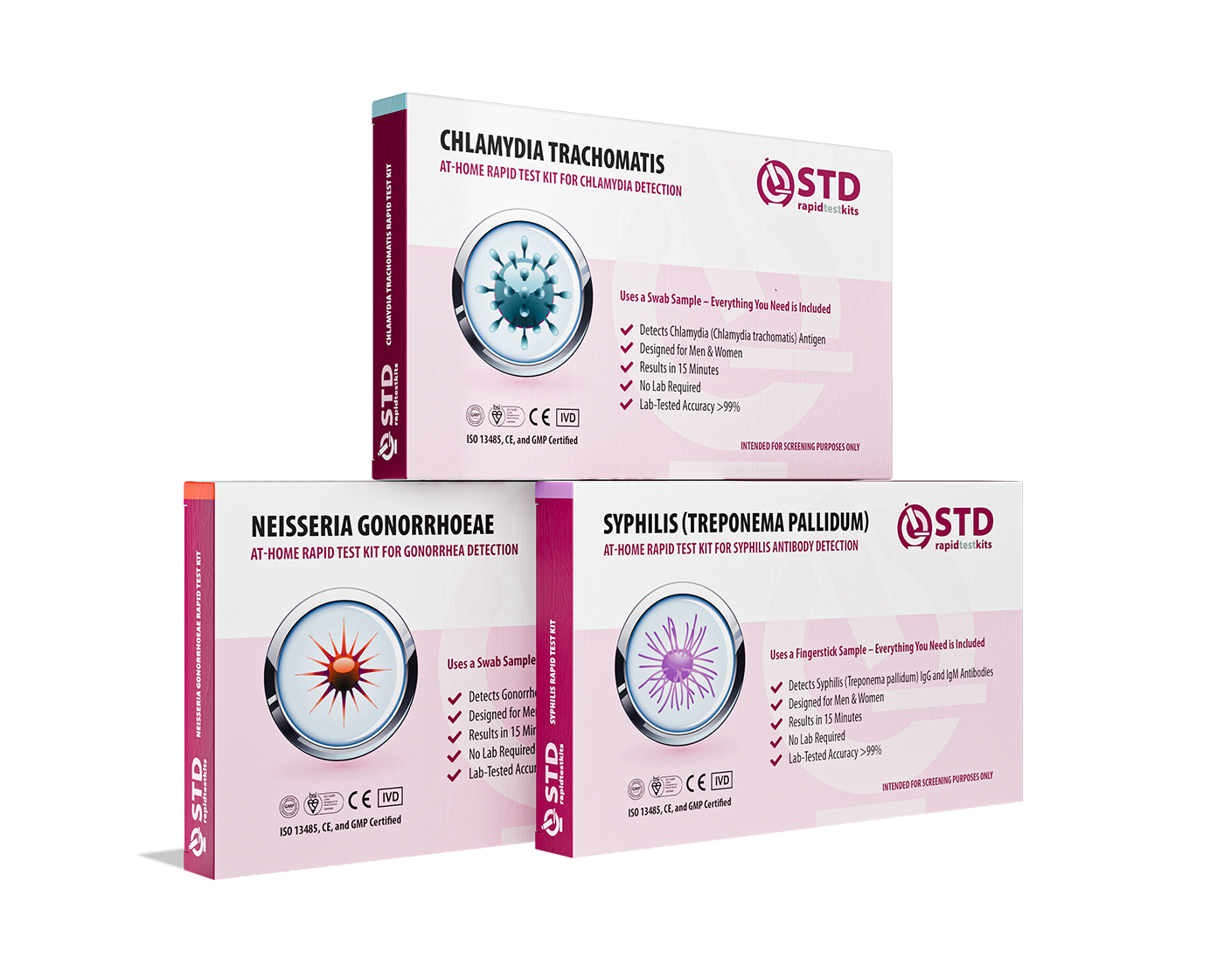 Claim Your Kit TodaySave 53%
 For Men & Women
 Results in Minutes
 No Lab Needed
 Private & Discreet
For all 3 tests
When Should You Get Tested?
If you notice burning, itching, or abnormal discharge, it's time for an STD test. But even if symptoms disappear by themselves, get tested anyway, certain infections, such as chlamydia or syphilis, can remain in your body without any symptoms.
Symptoms You Should Get STD Tested for:
- You've recently had unprotected sex
- You have more than one partner or a new partner
- You experience pain or burning during urination
- You experience unusual discharge, odor, or itching
- You experience sores, blisters, or rashes on the genitals
Case Study: The Importance of Early Testing
A report published recently in The Lancet showed that over 50% of syphilis infections go undiagnosed because people are not familiar with the symptoms or delay testing until late. This allows time for the infection to advance and develop serious complications, including neurological complications and organ damage in late stages.
Being tested early on is very important, even if symptoms appear minor or brief.

How At-Home STD Testing Can Help
If you are anxious about going to a doctor or a clinic, home STD test kits provide a convenient, confidential, and accurate means of STD infection testing.
Why Opt For Home STD Testing?
- Discreet & Private: No clinic visit or discussion of symptoms in person required.
- Fast & Reliable: Results can be ready in as short a time as a few days.
- Comprehensive: Most home test kits check for several STDs simultaneously.
Several reputable firms offer FDA-approved home STD test kits, and it's easier than ever to take control of your health. A home test can be an excellent first step if you have symptoms or just want to have peace of mind.
10 Frequent Questions
1. Does getting burned always imply that I have an STD?
No, an STD can lead to burning, but it can also be a result of urinary tract infections (UTIs), yeast infections, bacterial vaginosis (BV), or even soap or clothing irritation. Testing is the only way to find out for certain.
2. Does syphilis produce a burning feeling when passing urine?
Not typically. Syphilis is better known for its painless sores (chancres) in the early stage, followed by rashes in the second stage. If you are having burning with urination, it is more likely to be chlamydia, gonorrhea, or a UTI than syphilis.
3. How soon after unprotected sex should I get tested for STDs?
Test time differs according to the STD:
- Chlamydia & Gonorrhea: 1–2 weeks after exposure
- Syphilis: 3–6 weeks after contact
- Herpes: 2–12 days if symptomatic, but possibly longer to confirm
- HIV: 2–4 weeks for early detection but best at 3 months for conclusive results
- Trichomoniasis: 1–4 weeks
If you've had unprotected sex and are experiencing symptoms, you should get tested as soon as possible. If tests are negative but symptoms remain, retest after the incubation period.
4. Can I have an STD without symptoms?
Oh yes! Most STDs, including chlamydia, gonorrhea, and syphilis, are asymptomatic for weeks, months, or years. Just because you're asymptomatic doesn't mean you get a free ride, you can still pass it on to partners. That's why getting tested regularly is so important.
5. What if my STD symptoms go away by themselves?
Although symptoms go away, infection is not eliminated. Certain STDs, such as syphilis and herpes, may go into a latent phase before they reappear sometime later. Other infections, such as chlamydia and gonorrhea, may lead to complications (e.g., infertility or pelvic inflammatory disease) even if symptoms go away.
6. Do I have an STD if I have oral or anal sex?
Yes, STDs are passed on by all types of sex, including vaginal, anal, and oral. Gonorrhea, chlamydia, syphilis, and herpes can infect the anus and throat as easily as the genitals. Even if you've had unprotected oral or anal sex, you should get tested.
7. How reliable are home STD test kits?
STD home test kits from reputable sources are very reliable, frequently using the identical lab testing techniques as clinics. Accuracy, however, relies on appropriate sample collection and testing at the correct time following exposure. Results might not be conclusive if you test too soon, so follow up if symptoms continue.
8. Are STDs treatable?
It varies with the infection:
- Curable STDs: Chlamydia, gonorrhea, syphilis, and trichomoniasis can be treated with antibiotics.
- STDs That Can Be Managed But Not Cured: Herpes, HIV, and HPV cannot be cured but can be controlled using medications.
9. Will condoms completely prevent STDs?
Condoms greatly reduce the risk of contracting an STD but are not 100 percent sure. Certain STDs, such as herpes and syphilis, are transmitted by skin-to-skin contact outside the area covered by a condom. However, proper and consistent use of a condom greatly reduces your risk.
10. What do I do if I test positive for an STD?
First, don't panic. Most STDs can be cured or treated with medication. Here's what you can do:
- Follow your doctor's treatment plan (take all medicines as instructed).
- Notify any recent sexual partners so that they can also be tested.
- Avoid sex until after treatment to avoid further transmission.
- Retest after treatment (particularly for chlamydia, gonorrhea, and syphilis) to confirm the infection has been cleared.

The Importance of STD Screening
A burning sensation is a sign of an STD, but not necessarily. The only way to know for sure is to get tested.
If you've had unprotected sex, new symptoms, or more than one partner, don't wait, early detection is the best way to safeguard your health.
Get tested regularly if you’re sexually active. Use condoms and practice safe sex. Utilize home STD test kits for simple and confidential testing. Raise awareness, discuss sexual health with your partners and friends. Your health is in your hands, don't deny the signs. If you're unsure, test early and test often.
Sources
1.- STD Symptoms: Burning Sensation
2.- Common STDs and Their Symptoms


