Early HIV Symptoms You Shouldn’t Ignore: A Guide to Diagnosis & Treatment
You wake up one morning with a fever, swollen lymph nodes, and a sore throat. You brush it off as the flu. Days pass, and fatigue lingers longer than normal. You're not concerned—until you recall a recent sexual encounter. Could it be something else?
HIV (Human Immunodeficiency Virus) usually starts with symptoms that are similar to everyday illnesses, so early detection is difficult. That's why it's important to know the initial signs of HIV for early diagnosis and treatment. For most individuals, they live with HIV for years without knowing they're infected, putting themselves at risk of passing on the virus unknowingly.
12 March 2025
9 min read
2534
The Early Symptoms of HIV, What to Expect in the First Weeks
The Acute Stage of HIV (First 2-4 Weeks Post-Exposure)
The early symptoms of HIV appear 2 to 4 weeks after infection, during a period known as acute HIV infection or primary HIV infection. This is the time when the virus is rapidly reproducing in the body. The immune system responds by producing antibodies, resulting in flu-like symptoms that are collectively known as acute retroviral syndrome (ARS).
Common Symptoms During This Stage
Fever (one of the earliest symptoms)
Fatigue and muscle aches
Swollen lymph nodes (especially in the neck, armpits, and groin)
Sore throat
Headaches
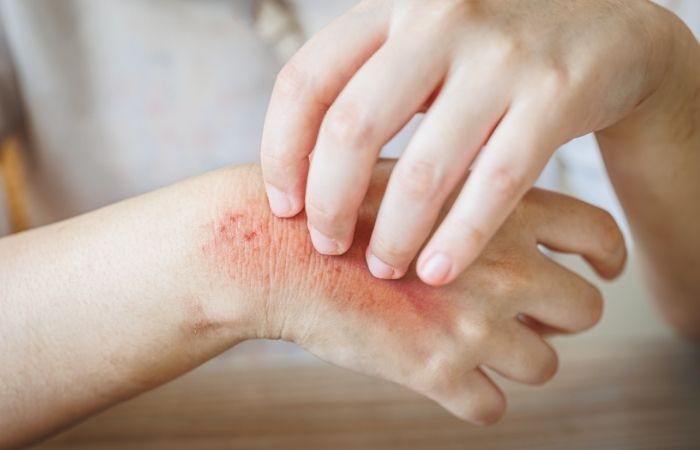
Rash (typically reddish or brown and appears on the trunk, face, or arms)
Night sweats
Nausea, vomiting, or diarrhea
Most people mistake these symptoms for the flu or another viral infection, so they ignore them. What sets acute HIV symptoms apart, however, is how they appear together and how long they last, they have a tendency to linger for weeks instead of days.
The Flu That Wasn't
In 2018, 26-year-old Daniel came down with severe fatigue, swollen glands, and night sweats after a new relationship. He believed he had a bad flu and did not think about HIV. It was not until months later, when his fatigue never subsided, that he went and got tested. The diagnosis? HIV-positive. Daniel's story is not unusual, most people ignore these symptoms. This is why getting tested early is so crucial, especially after a high-risk exposure.
How HIV Symptoms Change Over Time
After the acute phase, symptoms disappear for months or years. This is the chronic stage or clinical latency stage, when the virus is still present but is replicating more slowly.
Symptoms During the Chronic Stage (Months to Years After Infection)
Mild fatigue
Swollen lymph nodes (for months)
Skin problems (rashes, dry skin, or ulcers in the mouth/genital area)
Recurring infections (yeast infections, pneumonia, or other bacterial infections)
This phase can last up to a decade without symptoms, but meanwhile, HIV continues to wreak havoc on the immune system.
If left untreated, the virus progresses to AIDS (Acquired Immunodeficiency Syndrome), the final stage of HIV, where the immune system is severely weakened.
Although HIV symptoms are the same in men and women, there are some important differences between the sexes due to hormonal differences and immune responses.
HIV Symptoms in Men
Men can experience:
More frequent fevers and night sweats
Genital ulcers that do not heal
Greater chance of skin rashes
Earlier development of neurological symptoms (memory issues, brain fog)
Pelvic inflammatory disease (PID) that won't respond to antibiotics
Since HIV symptoms in women overlap with gynecological issues, it's not uncommon for doctors to misdiagnose early HIV symptoms.
Testimonial: A Missed Diagnosis
Maria, a 32-year-old woman, saw her doctor several times for frequent yeast infections and unusual fatigue. She was diagnosed with vaginal infections but was never tested for HIV. It wasn't until she had unexplained weight loss that an HIV test was suggested. At this time, her CD4 count was already extremely low.
The Benefits of Early Testing & Diagnosis
The Importance of Early HIV Testing
HIV is most contagious at the acute phase
Early treatment reduces the risk of transmission to partners
Starting antiretroviral therapy (ART) immediately preserves immune function
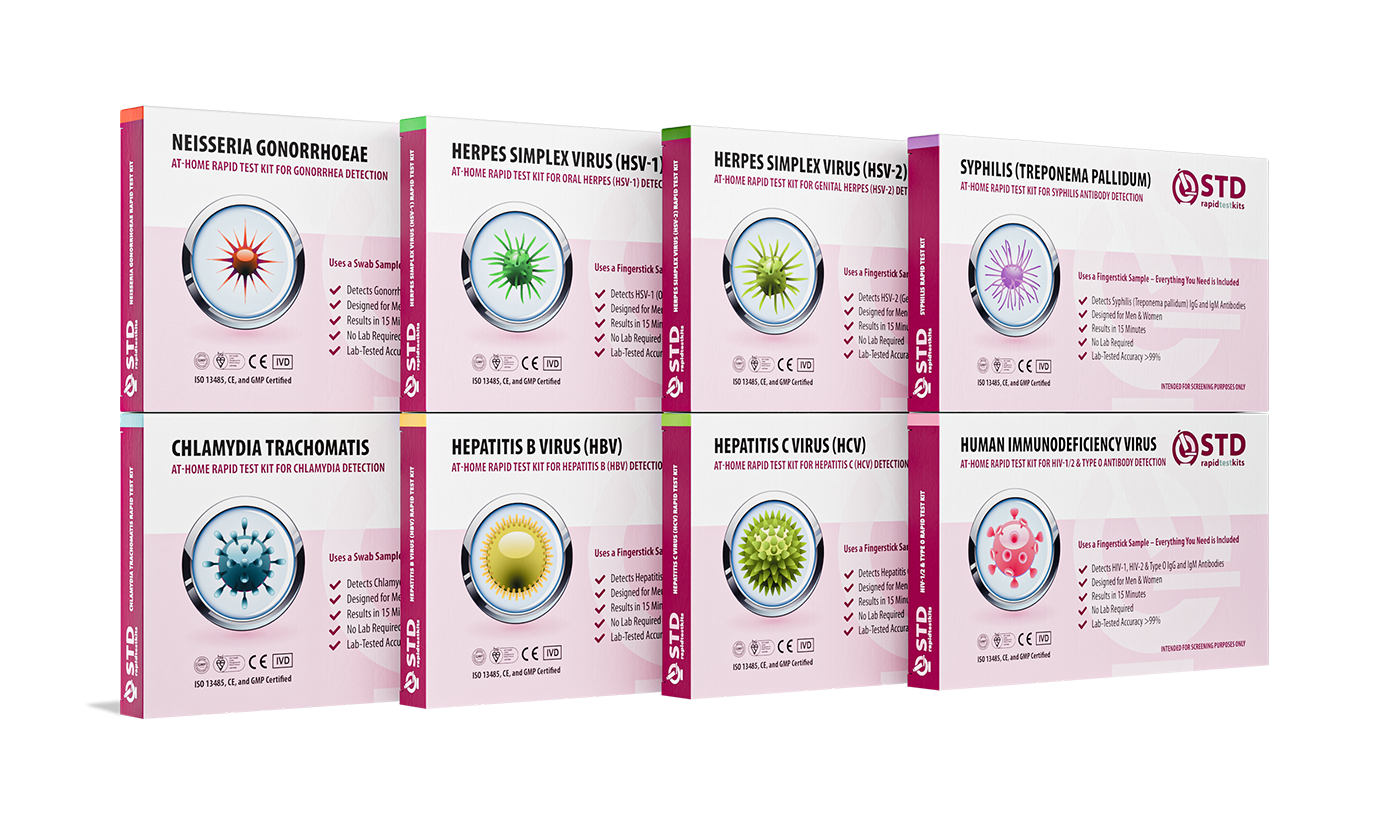
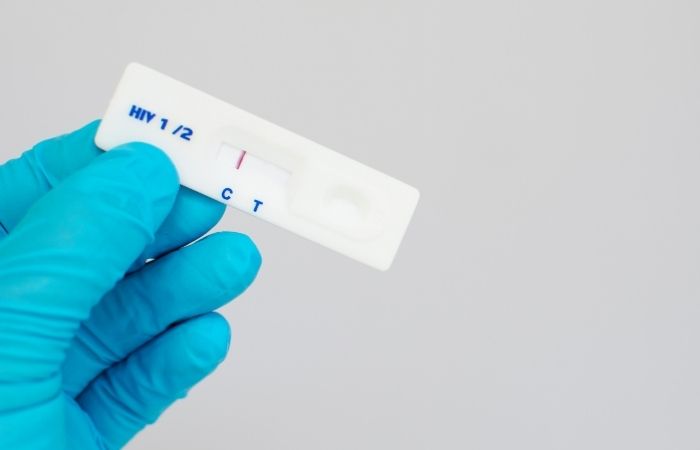
If you’re unsure about visiting a clinic, at-home STD test kits offer a private and convenient way to check your HIV status. These tests are:
Easy to use (oral swabs or blood prick tests)
Highly accurate
Confidential
Testing early means getting treatment sooner and preventing complications.
Research & Data Supporting Early HIV Diagnosis
Scientific research has consistently shown that early diagnosis and treatment significantly improve the prognosis for patients with HIV. Some of the key findings from research that point to the benefits of early detection of symptoms and starting treatment as soon as possible are given below.
The START Study (Strategic Timing of Antiretroviral Treatment)
A breakthrough 2015 study found that people who started antiretroviral therapy (ART) immediately after diagnosis were 53% less likely to become seriously ill compared to those who delayed treatment.
Key point: The sooner HIV treatment begins, the better the immune system can be preserved.
HIV Transmission and Early Symptoms
A 2022 study in The Lancet HIV once again confirmed that acute HIV infection (the first few weeks after exposure) is when an individual is most infectious. The virus is in the highest concentrations in the blood, and transmission is much more likely.
Key point: Most people don't know they have HIV at this point, so being tested after a high-risk exposure is extremely important.
Undetectable = Untransmittable (U=U) Evidence
CDC and WHO evidence confirms that people who take ART and have an undetectable viral load cannot transmit HIV to their sexual partners.
Key Point: Regular testing and treatment not only protect your health but also prevent HIV transmission.
Expert Opinions & Case Studies
Expert Views on Early Symptoms of HIV
Dr. Linda Markowitz, an infectious disease specialist, notes:
"Most patients dismiss their early symptoms as a cold or the flu. By the time they are tested, they have already lost months or even years of treatment time. The best rule is: If you think that you have been exposed, don't wait, get tested."
Case Study: The Power of Early Diagnosis
Jared, 29, a health-conscious gym-goer, never imagined he was at risk for HIV. It wasn't until he experienced extreme fatigue and a lingering sore throat that he was tested, just in time to start ART before his immune system was badly compromised.
Jared now speaks publicly about his experience, urging others to take early symptoms seriously.
Common Myths & Misconceptions About HIV Symptoms
Myths surrounding HIV symptoms can cause diagnosis and treatment to be postponed. Below are a few of the most common myths, and the facts that debunk them.
Myth #1: You Can Always Tell When Someone Has HIV
Fact: HIV symptoms are not always obvious. Most people have no symptoms for years.
Myth #2: If You Feel Fine, You Don't Have HIV
Fact: The virus may remain in the body for years without producing symptoms but quietly destroying the immune system.
Myth #3: HIV Symptoms Are the Same for Everyone
Fact: Symptoms differ according to gender, immune response, and general health. Women might have more gynecological problems, whereas men might experience neurological symptoms sooner.
Myth #4: You Only Need to Get Tested Once
Fact: Having regular HIV tests is essential, especially after unprotected sex or high-risk exposure. It can take weeks for some infections to show up in tests.
1. How soon after exposure do HIV symptoms appear?
Most people experience acute HIV symptoms within 2-4 weeks of exposure, whereas others will not feel anything for months or years.
2. Can HIV symptoms be mistaken for something else?
Yes, flu, mono, strep throat, and even COVID-19 all have some symptoms in common with early HIV. That's why getting tested is so important.
3. What does an HIV rash look like?
An HIV rash is red or brown, flat or slightly raised, and appears on the chest, back, or face. It does not itch like an allergy rash.
4. Do men and women have different symptoms?
Yes. Women may experience frequent vaginal infections and irregular menstrual periods, while men are more likely to develop fever and night sweats.
5. Does HIV cause gastrointestinal symptoms?
Yes, diarrhea, nausea, and weight loss are common in both early and late HIV.
6. Does HIV cause neurological symptoms?
Yes. Some people develop brain fog, memory loss, and inability to concentrate over time.
7. Can I be HIV positive if I don't have symptoms?
Yes. Most people are positive before symptoms appear. That's why testing is recommended after high-risk exposure.
8. Do STD home test kits work for HIV?
Yes. Home HIV tests are available, FDA-approved, and are accurate using oral swabs or blood samples.
9. Can stress or anxiety cause HIV-like symptoms?
Yes. Anxiety can cause fatigue, sweating, and even rashes, but the only way to know one's HIV status is to get tested.
10. What do I do if I think I have symptoms of HIV?
Get tested right away. The sooner the diagnosis, the better the treatment and the prevention of transmission.
Don't Ignore the Symptoms, Get Tested Today
If you are experiencing any of the symptoms of HIV or are worried about your health, don't wait, get tested today. Early diagnosis can make all the difference. Home STD testing kits provide a convenient and discreet way of testing your status, allowing you peace of mind in the comfort of your own home.
Regardless of whether you visit a clinic or use a home test, the most important thing is that you do something. HIV can be treated, and by doing the right thing, you will be able to live a long and healthy life.








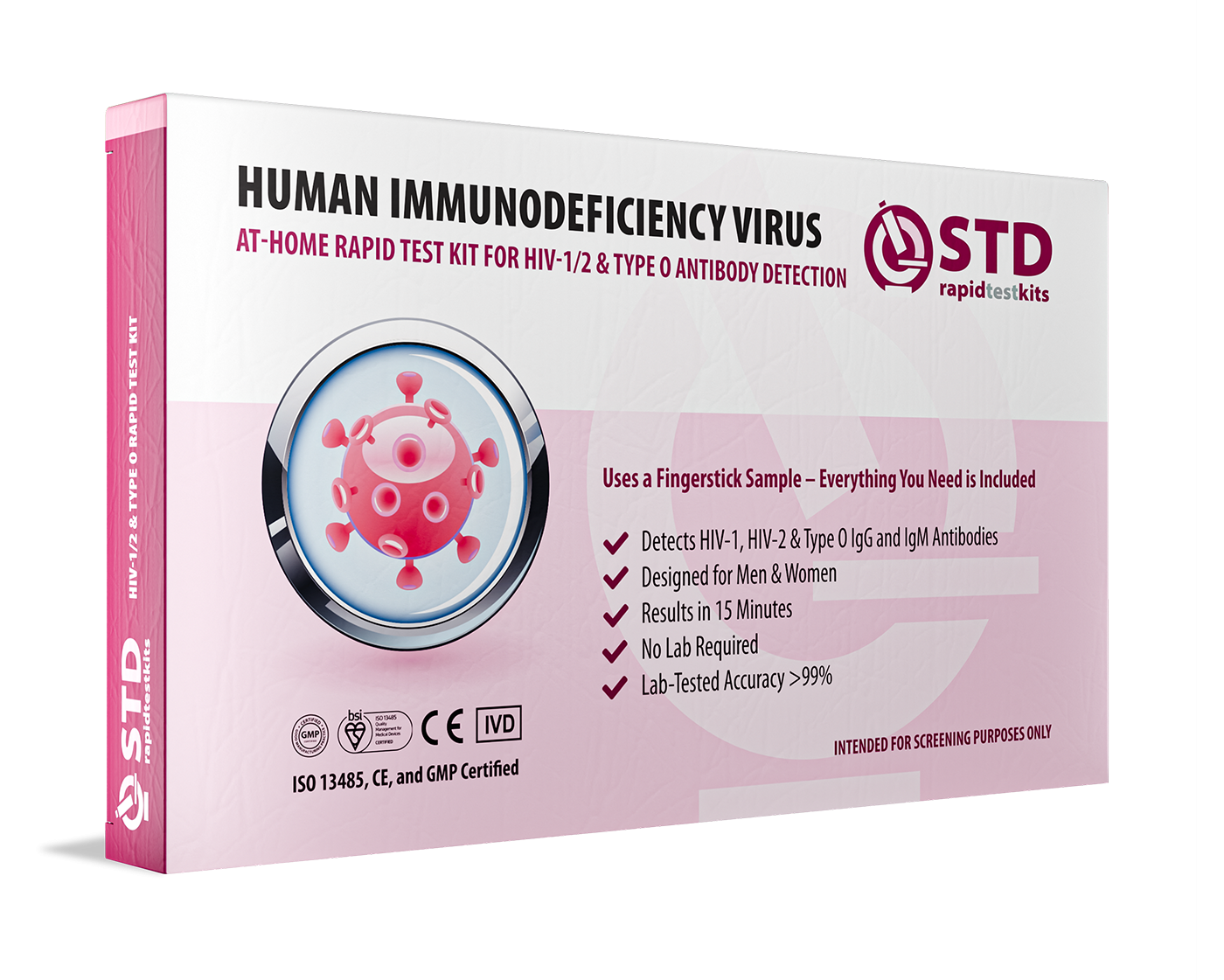
 For Men & Women
 Results in Minutes
 No Lab Needed
 Private & Discreet