Over the past two decades, the life expectancy of people living with HIV has substantially improved, thanks to improved treatments. Today, somebody diagnosed with HIV can expect to have almost a normal life expectancy, living considerably longer, given that the person is on the right combination of effective treatment and a healthy lifestyle. Though a recent study indicated that 43.3 years could be added to the life expectancy of a 20-year-old who gets diagnosed with HIV, the bleak reality is that poor or compliance-free treatment will result in devastating consequences sooner rather than later.
Treatment aims at the suppression of the virus to undetectable levels in the patient's blood serum; this is achievable only with strict adherence to antiretroviral treatments and cooperation with healthcare providers and consultants. In comparison to 1996, when the life expectancy for a 20-year-old living with HIV was at approximately 39 years, it increased to approximately 70 years by 2011.
06 October 2024
6 min read
1019
HIV Prevalence in the United States
Estimations put the number of people living with HIV in the US at about 1.1 million. However, new infections have been decreasing each year. This is for a number of reasons: firstly, new treatments have caused very significant viral suppression; second, increased public education regarding sexually transmitted diseases (STDs); and lastly, more testing which leads to early diagnosis.
Present Ways of Treating HIV and Improvements
This kind of medication is targeted and designed to prevent the disease from burrowing into stage 3 or developing into AIDS. Basically, the treatment is a cocktail of antiretroviral drugs that a patient must take daily. This will reduce viral load—the amount of virus in the blood—and it will suppress or hold back the development of the virus and its progress.
Decreasing viral load has several advantages for the patient. It increases life expectancy as well as quality of life, halts progression into stage 3 HIV, and decreases risk for sexual transmission based on findings from the European PARTNER study conducted in 2014. Treatment for HIV, thus, has expanded to include prevention of sexual transmission.
HIV Antiretroviral Drugs Have Five Main Categories:
Non-nucleoside reverse transcriptase inhibitors
Nucleoside reverse transcriptase inhibitors
Protease inhibitors
Entry inhibitors
Integrase inhibitors
The Future of HIV Treatment
Research for the treatment of HIV is relentless. Current research is into a sure cure for HIV. In 2020, a promising monthly injection comprising cabotegravir and rilpivirine was expected to be as effective as combined oral antiretroviral therapy.
Long-Term Complications of Living with HIV
Now that people with HIV are starting to live longer, potential health consequences of the virus itself and the disease process, as well as possible side effects from treatment, come into question. Some symptoms and signs could include neurological impairment and abnormalities in fat metabolism. Those with HIV are also at risk for inflammatory disorders, cancers, and premature aging.
If noncompliance or improper treatment occurs, the disease can progress to stage 3 HIV and even to AIDS, where the immune system is severely compromised and incapable of fighting off opportunistic infections. People with long-term HIV infection may begin to develop opportunistic infections—these are severe infections that take advantage of a very weakened immune system. They include tuberculosis, pneumonia, and various fungal infections that can give rise to life-threatening complications for individuals with HIV and that characterize the acquired immune deficiency syndrome (AIDS).
The Importance of Early Detection through Rapid Testing
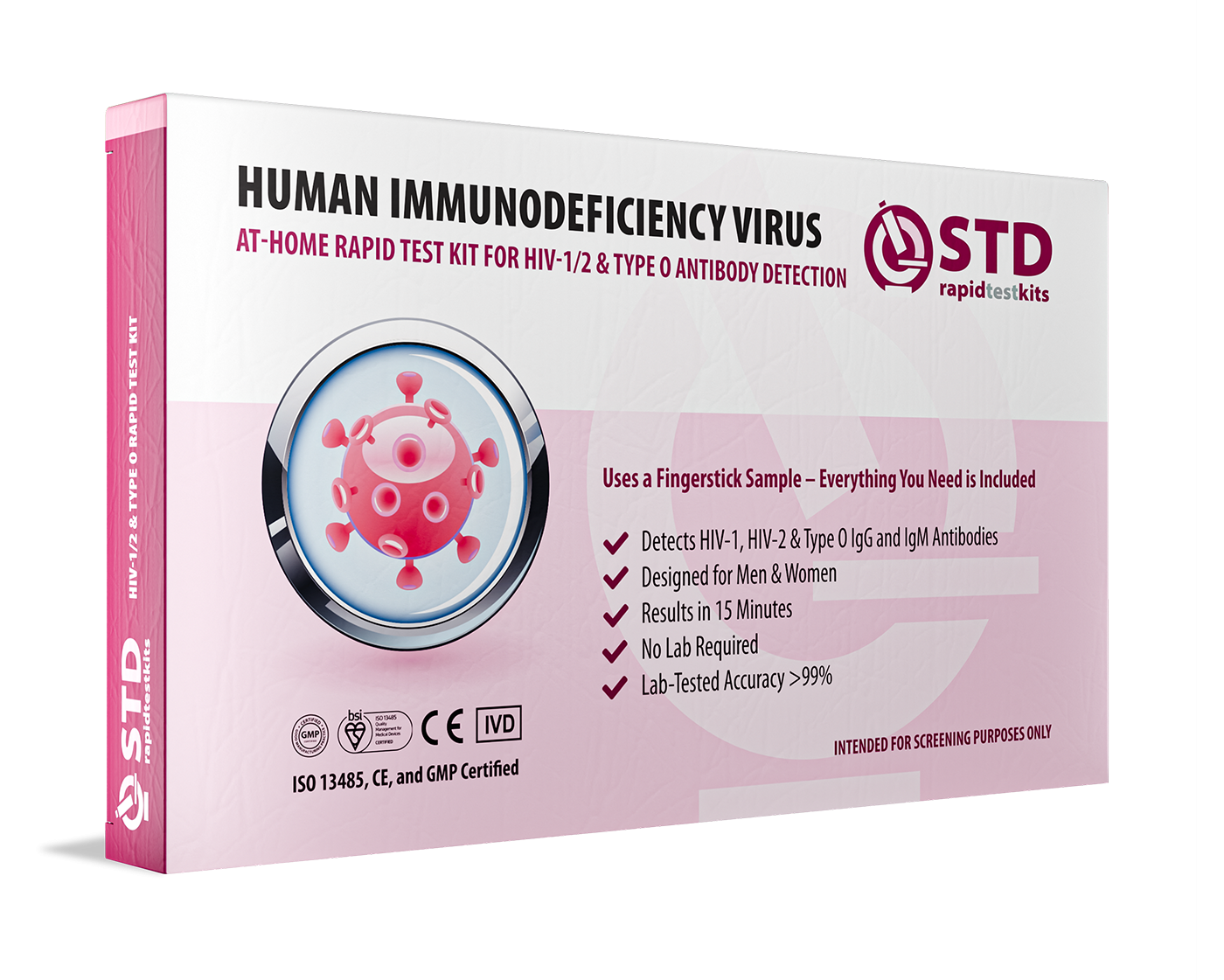
Early detection of HIV is important for continued improvement in life expectancy and health of people living with the virus. Rapid HIV testing allows for such early detection in an effortless and accessible way. Results can be available in as little as 20 minutes from a small sample of blood from a prick of the finger or oral fluid.
In case the virus is diagnosed at an early stage, a person can be provided with antiretroviral treatment right away, which will prevent the virus from entering the stage of AIDS. The danger of passing on the virus to others is also minimized with early treatment. It also allows health practitioners to follow up on and care for the person's health in advance, reducing further complications and enhancing the quality of life of the person.
Prompt testing and diagnosis, therefore, constitute a major component in the fight against HIV. They provide a basis for successful management of the disease by allowing for successful treatment planning; it opens a door towards a long and healthy life for those living with HIV.
Prevention Strategies for HIV-Related Complications
The early initiation and consistent antiretroviral treatment is the principle that helps to prevent the complication of HIV. Other than this, consultation with a physician at regular intervals and periodic screening for HIV will help in the prevention of complications.
Another important aspect that PLWHAs must consider is the maintenance of a healthy lifestyle. The CDC has indicated that insofar as the diet or exercise is generally healthy and balanced, there is no special diet or form of exercise specifically for HIV-positive individuals. Aerobic exercises, combined with resistance training, will also go a long way in sustaining life.
Effects of HIV on Personal Relationships
Coming to terms with an HIV diagnosis is difficult, and disclosure to friends, family, or your romantic partner is not always easy. However, with the improvement in treatment, the virus becomes undetectable, and sexual transmission becomes highly unlikely. Physicians may also advise about disclosure techniques, and sometimes refer clients to a mental health counselor. More importantly, people with HIV can have active sexual lives without putting their partners in danger, not only by having reduced viral loading but also through practices like using condoms and taking PrEP medication.
Modern therapies against HIV are very effective; hence, they create the possibility of living a long and healthy life. The secret to longevity includes early diagnosis, potent treatment, and the adoption of prevention strategies against HIV-related complications. Regular physical activity and a healthy diet also contribute much to overall well-being.
Centers for Disease Control and Prevention. (2021). HIV Surveillance Report, 2021. Atlanta, GA: U.S. Department of Health and Human Services, Centers for Disease Control and Prevention.
Centers for Disease Control and Prevention. (2023). Living with HIV. Atlanta, GA: U.S. Department of Health and Human Services, Centers for Disease Control and Prevention.
Centers for Disease Control and Prevention. (2023). HIV Treatment as Prevention. Atlanta, GA: U.S. Department of Health and Human Services, Centers for Disease Control and Prevention.








 For Men & Women
 Results in Minutes
 No Lab Needed
 Private & Discreet


