Can You Have More Than One STD at the Same Time?
Most people who test positive for one STI assume the result tells the whole story. It often does not. Co-infections cluster in patterns public-health surveillance has tracked for decades, especially with bacterial pairs like chlamydia and gonorrhea. This guide walks through which infections commonly overlap, when window periods can hide a second infection, and how to plan testing that actually answers the question.




- Co-infections happen often enough that clinicians screen for multiple STIs at once after one positive result. Symptoms alone will not tell you whether a second infection is present.
- Different STIs have different window periods. A test taken soon after exposure may catch one infection while missing another that needs more time to become detectable.
Published: November 2025 | Last updated: April 2026 | Editorial review and quality control: Martina N.
Most people who test positive for one sexually transmitted infection quietly assume that result is the whole story. The clinic confirms an infection. Treatment happens. Life moves on. The biology, though, often paints a wider picture. Co-infections, meaning carrying more than one sexually transmitted infection at the same time, are common enough that public-health guidelines recommend broader screening after a single positive result. Sexual exposure rarely transmits one organism at a time, and many infections produce no symptoms at all.
This article covers the patterns clinicians actually see, why one infection raises the chance of a second, when broader testing makes sense, and how window periods affect what your test result really tells you. (Editorial disclosure: this article is published by stdrapidtestkits.com, which sells at-home STI testing kits. Recommendations below are based on fit-for-purpose for the reader's concern, not commercial benefit, and the window-period guidance is taken from CDC and NHS public sources.)
Can you have more than one STD at the same time?
Yes. Carrying two or more sexually transmitted infections at the same time is common enough that most U.S. clinics screen for multiple infections by default. Chlamydia and gonorrhea are the most documented pairing, and certain infections raise the susceptibility to others by altering the local tissue environment. The only reliable way to know is to test broadly after a meaningful exposure or after one positive result, with attention to each infection's window period.
How co-infections actually happen
Sexually transmitted infections do not take turns. If a partner is carrying gonorrhea and chlamydia, both can transmit during the same encounter. If someone is shedding herpes simplex virus without symptoms (asymptomatic shedding is well documented), that virus can transmit alongside a bacterial infection. Two infections can transmit in a single encounter for the same reason two pathogens can share the same transmission route.
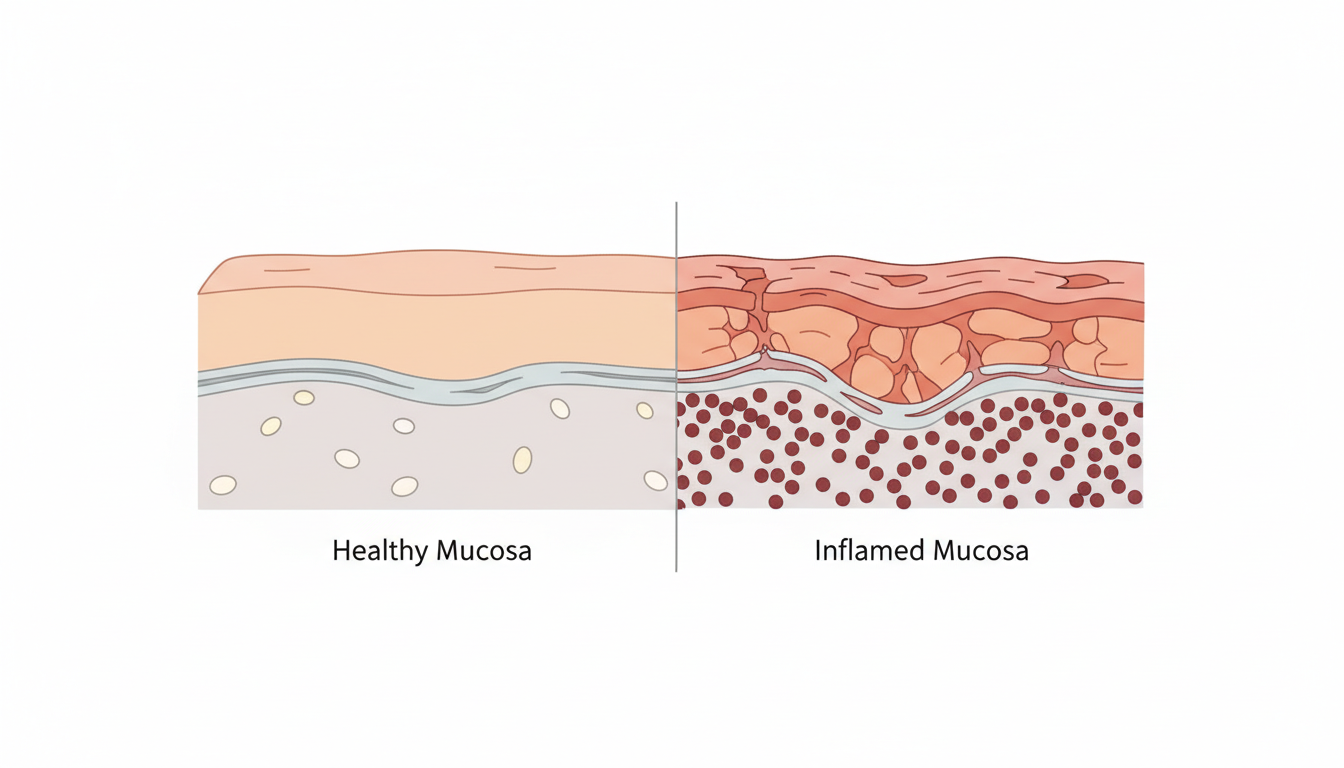
Inflammation from any active infection thins or disrupts the surface tissue of the cervix, urethra, rectum, throat, or genital skin. That altered tissue environment makes it easier for a second pathogen to establish. The CDC notes that untreated bacterial STIs can substantially increase the risk of acquiring or transmitting HIV through this exact mechanism: tissue inflammation recruits immune cells that HIV uses as targets (CDC STI Treatment Guidelines).
Public-health surveillance consistently shows overlap between specific infection pairs. Chlamydia and gonorrhea are the most documented pairing in younger sexually active populations, which is why most U.S. clinics now run them together as a standard screening panel. The pairing reflects shared transmission routes and shared sexual networks at the population level.
Three conditions that raise co-infection risk
- Unprotected exposure with a partner whose status is unknown.
- An existing untreated infection that is creating tissue inflammation at the site of contact.
- Gaps in routine screening that allow asymptomatic infections to circulate undetected for months.
Which STIs commonly show up together
Some pairings appear together more often than others, and the reasons are usually biological rather than behavioral. Pathogens that transmit through the same routes, infect the same tissue types, or benefit from the same inflammatory environment tend to cluster. Knowing the common pairs helps anyone deciding whether one positive result warrants broader screening.
The WHO documents that infections including herpes, gonorrhea, and syphilis raise the risk of HIV acquisition (WHO STI fact sheet). The CDC's STI Treatment Guidelines reflect the same pattern at the screening level: when one infection is detected, additional testing is recommended at the same visit, particularly for HIV and syphilis when chlamydia or gonorrhea is found (CDC STI Treatment Guidelines).
| Infection pair | Why they overlap | Symptom pattern |
|---|---|---|
| Chlamydia + Gonorrhea | Same transmission routes, same sexual networks. Most U.S. clinics test for both as a single panel. | Often mild or absent. Burning urination or discharge can come from either or both. |
| Gonorrhea or Chlamydia + HIV | Bacterial inflammation increases the local concentration of HIV target cells, raising acquisition risk. | Acute HIV may be flu-like or silent; bacterial symptoms may dominate the clinical picture. |
| Syphilis + HIV | Primary syphilis ulcers provide direct viral entry points. The infections are co-tracked in HIV programs. | A painless ulcer that resolves on its own can mask early HIV seroconversion happening in parallel. |
| HSV (genital herpes) + bacterial STI | Open lesions during outbreaks raise susceptibility to bacterial infections at the same site. | Outbreak symptoms may distract from co-occurring bacterial infection. |
Why one STI makes another more likely
Active inflammation increases blood flow, recruits immune cells to the affected tissue, and can create microscopic surface breaks. Those changes, while protective in some ways, also make the tissue a more receptive environment for additional pathogens.
This matters most with HIV. A bacterial STI such as chlamydia, gonorrhea, syphilis, or trichomoniasis raises the local concentration of CD4 T cells (the immune cells HIV needs to replicate), which gives the virus more targets at the site of exposure. Open lesions from primary syphilis or genital herpes outbreaks provide direct entry points. CDC HIV-prevention guidance treats this as one of the reasons rapid bacterial-STI treatment matters at the population level (CDC HIV resource center).
The relationship works in the other direction too. Someone with HSV-2 outbreaks may be more susceptible to bacterial infection through the affected skin during a flare. Untreated trichomoniasis, common in women, alters vaginal flora and raises HIV-acquisition risk during exposure (CDC STI overview).
Active inflammation from any single bacterial STI creates the surface conditions another pathogen can exploit, which is why public-health guidelines emphasize prompt antibiotic treatment for chlamydia, gonorrhea, syphilis, and trichomoniasis. Treating one infection quickly reduces transmission risk for both the carrier and partners.
When to test broadly, and how soon
After a positive result for one STI, expanded testing is reasonable and often recommended. The CDC's STI Treatment Guidelines suggest screening for additional infections at the same visit, including HIV and syphilis, when chlamydia or gonorrhea is detected. The reason is statistical: co-infection rates are high enough that running only the test that triggered the visit misses real cases.
Timing complicates the picture. Each infection has a window period, the time between exposure and reliable test detection. Testing during the wrong window can produce a falsely reassuring negative result.
| Infection | Typical window period | Best time for reliable testing |
|---|---|---|
| Chlamydia | About 7 to 14 days | 2 weeks after exposure |
| Gonorrhea | About 7 to 14 days | 2 weeks after exposure |
| Syphilis | 3 to 6 weeks (some up to 12 weeks) | 6 to 12 weeks after exposure |
| HIV (4th-generation antigen-antibody test) | About 18 to 45 days | 6 weeks for high reliability, 12 weeks for definitive |
Symptoms are unreliable narrators
Chlamydia and gonorrhea are commonly asymptomatic, especially in women and people with cervixes. The CDC reports that the majority of chlamydial infections produce no symptoms in either sex, which is why annual screening is recommended for sexually active women under 25 (CDC chlamydia screening guidance). Early syphilis can present as a single painless ulcer that resolves on its own, easy to miss especially when it forms internally on the cervix or in the rectum. HIV may produce a brief flu-like seroconversion phase weeks after exposure, or no acute symptoms at all.
The implication is direct: feeling fine does not mean you are uninfected. Multiple silent infections can coexist without producing any noticeable signal, and physical sensation is not a reliable screening tool. Time since exposure and exposure type matter more than how the body feels in the days that follow.
Symptom overlap adds a second layer of confusion. Burning during urination, unusual discharge, or rectal discomfort can come from any of several STIs, or from a urinary tract infection unrelated to sexual contact. Lab testing, or rapid antibody and swab testing for at-home use, is what differentiates them. Clinicians who suspect one infection routinely test for several because the differential diagnosis is too tight to settle on appearance alone.
Most chlamydia infections produce no symptoms in either sex, which is why the CDC recommends annual screening for all sexually active women under 25 and for older women with new or multiple partners. Screening, not symptom-watching, is the only reliable detection method.
How treatment changes when more than one infection is present
Different bacterial STIs need different antibiotics. Chlamydia treatment per current CDC guidelines uses a course of doxycycline (typically 100 mg twice daily for 7 days) or a single dose of azithromycin in some scenarios. Gonorrhea now requires intramuscular ceftriaxone because of widespread antibiotic resistance, often combined with doxycycline if chlamydia has not been excluded. Syphilis treatment uses benzathine penicillin G, with the dosing schedule depending on the infection's stage (CDC STI Treatment Guidelines).
When two bacterial infections are present, treatment plans combine accordingly. That is not a complication so much as a longer prescription list. Adherence to the full course of each antibiotic is what determines clearance.
Viral infections work on a different model. Herpes simplex and HIV have entirely separate management pathways. HSV uses antivirals such as valacyclovir or acyclovir for outbreak suppression and reduced shedding. HIV uses antiretroviral therapy taken long-term to suppress viral load and prevent transmission. Identifying every active infection before assuming one prescription resolves everything matters because viral infections need long-term management, not single-course antibiotics.
Late detection makes treatment harder. Pelvic inflammatory disease from untreated chlamydia or gonorrhea, neurological complications from untreated syphilis, and immune-system damage from untreated HIV are all preventable with earlier testing and earlier treatment.
| Infection | First-line treatment (CDC 2021 guidelines) | Type |
|---|---|---|
| Chlamydia | Doxycycline 100 mg twice daily for 7 days | Curable with antibiotics |
| Gonorrhea | Ceftriaxone single intramuscular dose | Curable with antibiotics |
| Syphilis (early stages) | Benzathine penicillin G single intramuscular dose | Curable with antibiotics |
| Genital herpes (HSV) | Valacyclovir or acyclovir for outbreaks and suppression | Manageable, not curable |
| HIV | Antiretroviral therapy (ART), taken long-term | Manageable, not curable |
Window periods can hide a second infection
This is the part most people miss. A test taken 10 days after exposure may pick up chlamydia and gonorrhea reliably but not yet detect HIV or syphilis. The result feels conclusive when it is actually only conclusive for the infections inside their window. Single-time-point testing for a recent meaningful exposure produces false reassurance more often than people realize.
If exposure was meaningful (unprotected, multiple partners, partner with unknown status), one early-window test is a starting point, not a final answer. NHS sexual-health guidance notes that STIs can take up to seven weeks to show on a test, depending on the infection (NHS STIs overview). For HIV specifically, CDC testing guidance describes fourth-generation antigen-antibody tests as detecting most infections by about 18 to 45 days post-exposure, with conclusive results typically available by 12 weeks (CDC HIV testing resource). Syphilis serology may need a repeat at 6 and 12 weeks if initial testing was inside the early window.
A practical example clarifies the pattern. Someone has unprotected sex on day 0 and tests positive for chlamydia on day 10. Same-day testing for gonorrhea is appropriate because the windows overlap closely. Same-day testing for HIV and syphilis catches infections already detectable, but a follow-up at six to twelve weeks is what closes the loop on the longer-window pathogens. Skipping the follow-up is the most common reason a co-infection gets missed.
If exposure was recent and meaningful, treat one early-window test as a starting point, not a final answer. Plan a follow-up at six weeks for HIV and a repeat syphilis test at six and twelve weeks. Chlamydia and gonorrhea results from a two-week test are usually reliable, but the longer-window infections need their own timeline.
What happens if multiple STIs go untreated
Untreated infections compound rather than compete. The longer they go without treatment, the higher the risk of complications.
In people with cervixes, untreated chlamydia or gonorrhea can ascend to the upper reproductive tract and cause pelvic inflammatory disease. According to the CDC's STI resources, PID can result in chronic pelvic pain, ectopic pregnancy, or infertility (CDC STI resources). A second co-occurring infection raises inflammatory load and complication risk; trichomoniasis with bacterial vaginosis or chlamydia, for example, compounds the inflammatory environment that reaches the fallopian tubes.
In people with penises, untreated chlamydia or gonorrhea can spread to the epididymis (causing epididymitis, painful inflammation of the tube behind the testicle), or less commonly to the prostate. Pain intensifies and onward transmission risk continues until treatment.
Syphilis left untreated progresses through stages: primary, secondary, latent, and (years later) tertiary, which can affect the cardiovascular and nervous systems. Untreated HIV results in progressive immune-system suppression that takes months to years to manifest as opportunistic infections.
Most bacterial STIs are curable with appropriate antibiotics. Many viral STIs are well-managed with current therapy. Early identification consistently shifts outcomes from severe to manageable, regardless of how many infections are present.
Late-stage complications of untreated STIs
- Pelvic inflammatory disease, leading to chronic pelvic pain, ectopic pregnancy, or tubal-factor infertility (untreated chlamydia or gonorrhea in people with cervixes).
- Epididymitis or, less commonly, prostatitis (untreated chlamydia or gonorrhea in people with penises).
- Cardiovascular and neurological damage years later from untreated tertiary syphilis.
- Progressive immune-system suppression from untreated HIV, raising the risk of opportunistic infections.
Telling a partner without it becoming a courtroom
Partner notification is part of standard public-health practice. Many U.S. health departments offer anonymous partner-notification services for partners of someone who tested positive, so the partner finds out without your name attached if direct conversation feels impossible.
For direct conversation, briefer is usually better. "I tested positive for [infection]. You should get tested too." That is the whole script. Add what you know about timing if it is helpful. Decline the urge to perform regret or assign blame, even if those feelings are present.
The discovery that a partner had two infections often surprises people more than a single positive. Honestly framed, the carrier may not have known either. Asymptomatic infections circulate quietly through sexual networks for months. A partner with multiple infections reflects screening gaps in the network rather than a personal moral failing. Public-health framing reduces shame on both sides of the conversation, which makes treatment uptake more likely.
Avoid sexual contact until both partners have completed treatment for any bacterial infections found, and per CDC guidance, retest at the recommended interval (typically three months after treatment for chlamydia and gonorrhea, because reinfection rates are high).
Persons who receive a diagnosis of one sexually transmitted infection should be screened for additional STIs, including HIV and syphilis, at the same clinical visit.
Why combo testing reduces serial-testing fatigue
Serial testing, meaning testing for one infection at a time across separated visits or kits, creates a particular kind of compounding anxiety. Each result raises a new question. Each waiting period restarts the worry cycle. For someone already navigating one positive diagnosis, the addition of two or three separate test rounds is a real cognitive load.
Comprehensive panel testing collapses that cycle. A combination at-home kit screens for several common infections in one go, which is particularly useful when co-infection is the actual question being asked. The panel approach matches the way clinical screening works: rather than narrowing to one suspected infection, it covers the relevant differential.
The trade-off is technological. At-home rapid kits are lateral-flow immunoassays, not lab nucleic-acid amplification tests (NAATs). They are designed for screening rather than confirmation. NAATs run in laboratories have higher analytical sensitivity, especially for asymptomatic infections, and they remain the clinical gold standard for chlamydia and gonorrhea. A positive home result is worth confirming with a lab NAAT when possible. A negative home result during a meaningful exposure window is worth repeating at the longer window period for the longer-window infections.
Used inside that frame, combo home testing is a fast, private way to gather information that would otherwise take weeks to assemble through sequential clinic visits.
Rapid lateral-flow home kits are screening tools, not confirmatory diagnostics. Use them as the first answer when convenience and privacy matter, then layer in lab confirmation where it changes the decision: a positive home result is worth confirming with a lab NAAT before treatment, and a negative home result inside an early exposure window should be repeated once the longer-window infections (HIV, syphilis) are reliably detectable.
What to do next
If you have already tested positive for one STI, ask whether broader screening is appropriate at the same visit, especially for HIV and syphilis. If your initial test was inside the longer window for those, plan a follow-up at six weeks. The CDC's screening recommendations are explicit on this point: one positive result triggers a broader panel, not just same-infection treatment.
If exposure was recent and you have not tested at all, time the first test to the shortest applicable window (about two weeks for chlamydia and gonorrhea), and plan a follow-up for HIV and syphilis at the longer window. A negative test inside the early window is not a final answer for the longer-window infections.
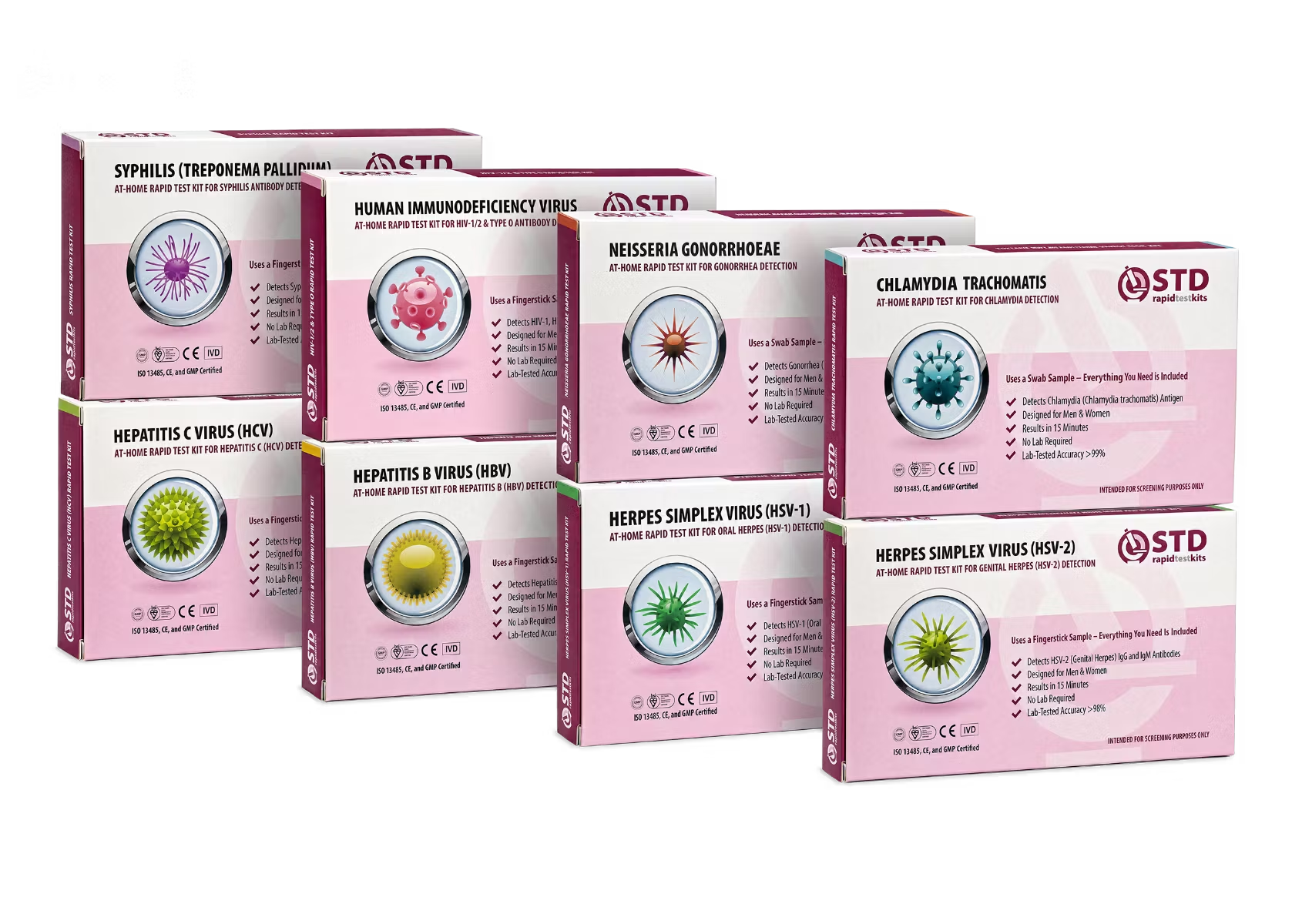
If you are choosing between a single-infection test and a panel, factor in the exposure type. A panel often answers more questions per test cycle, especially when the partner's status is unknown. The aim is to match the test to the actual exposure and the actual question. For some readers, a single-infection home kit (chlamydia, gonorrhea, syphilis, HIV) is the right tool. For others, particularly after a positive single result or a high-risk exposure, a multi-infection panel removes weeks of sequential uncertainty.
Pick the path that matches your situation
- Already tested positive for one STI: ask for broader screening at the same visit, especially HIV and syphilis. If the initial visit was inside their longer windows, plan a follow-up at six weeks.
- Recent meaningful exposure but no testing yet: test at about two weeks for chlamydia and gonorrhea, then re-test at six to twelve weeks for HIV and syphilis.
- Choosing between a single-infection home kit and a panel: pick a panel when the partner's status is unknown or when one positive result has already raised the question of what else might be present.
FAQs
- Is it actually common to have more than one STI at the same time?
- Common enough that most U.S. clinics screen for chlamydia and gonorrhea together by default and add HIV and syphilis screening when one is detected. Specific bacterial pairs cluster because they share transmission routes and sexual networks. Co-infection is not universal, but it is frequent enough that one positive result usually triggers broader screening per CDC guidance.
- If I tested positive for chlamydia, do I probably have gonorrhea too?
- Not automatically, but co-infection rates are high enough that providers test for both at the same time as standard practice. Symptoms alone will not tell you which infection is present. The CDC's STI Treatment Guidelines recommend testing for both when one is detected.
- Can I get two STIs from a single sexual encounter?
- Yes. If the partner carries more than one infection, both can transmit in the same encounter. Different sites of contact (oral, vaginal, anal) can also transmit infections to different anatomical sites at the same time, which is why site-specific testing matters when exposure crossed multiple body sites.
- If I have no symptoms, can I still have multiple infections?
- Yes. The majority of chlamydia infections produce no symptoms. Early syphilis can be silent or easily missed. Acute HIV may produce brief flu-like symptoms or none at all. Testing, not how you feel, is the only reliable way to find a co-infection in the first weeks after exposure.
- Does treating one infection clear the others?
- No. Different STIs need different antibiotics, or in the case of viral infections, entirely different management. Doxycycline for chlamydia does not clear gonorrhea. Ceftriaxone for gonorrhea does not clear syphilis. Antivirals for herpes do nothing for HIV. If you were not tested broadly, other infections may still be present after treatment of the first.
- How long should I wait before testing after a recent exposure?
- For chlamydia and gonorrhea, two weeks after exposure is usually reliable. For syphilis, six to twelve weeks. For HIV with a fourth-generation antigen-antibody test, about six weeks gives strong reliability and twelve weeks is considered definitive. Earlier testing is not wasted, but plan a follow-up at the longer window for the longer-window infections.
- Are at-home rapid tests as accurate as lab tests?
- Lateral-flow rapid tests are designed for screening and are most reliable when used after the recommended window period. Lab NAATs (the clinical gold standard for chlamydia and gonorrhea) have higher analytical sensitivity, especially in asymptomatic infections. A positive home result is worth confirming with a lab when possible. A negative home result inside an early exposure window is worth repeating at the longer window.
- How do I bring up testing with a partner?
- Keep it short and factual: "I tested positive for [infection]. You should get tested too." Most U.S. health departments offer anonymous partner-notification services if direct conversation feels impossible. Multiple infections in one person reflect network screening gaps, not character. Framing the conversation that way reduces shame on both sides and makes treatment uptake more likely.
- U.S. Centers for Disease Control and Prevention. Sexually Transmitted Infections Treatment Guidelines, 2021. Source for screening recommendations after one positive result, antibiotic regimens for chlamydia, gonorrhea, and syphilis, and partner-notification guidance.
- U.S. Centers for Disease Control and Prevention. STI homepage. Source for general chlamydia screening recommendations, asymptomatic-rate framing, and pelvic inflammatory disease (PID) complications including chronic pelvic pain, ectopic pregnancy, and infertility.
- U.S. Centers for Disease Control and Prevention. HIV testing. Source for the 18-to-45-day antigen/antibody-test detection window and the 12-week conclusive-result timing.
- U.S. Centers for Disease Control and Prevention. HIV resource center. Source for the relationship between bacterial STIs and HIV transmission risk.
- World Health Organization. Sexually transmitted infections (STIs) fact sheet. Source for global STI burden and the documented HIV-acquisition risk increase associated with herpes, gonorrhea, and syphilis.
- U.K. National Health Service. Sexually transmitted infections (STIs). Source for the up-to-seven-weeks window-period guidance.