Masturbation is something practiced by almost all people. Many consider it a very healthy sexual activity. However, there are too many misconceptions about whether or not masturbation can give a person STDs, or sexually transmitted diseases. The following article will explain what an STD is and how it's transmitted in detail, followed by explaining the relationship between masturbation and the chance of contracting an STD. We will be discussing some methods to make masturbation a little safer, therefore reducing the chances of exposure to an STD.
02 October 2024
5 min read
24151
STDs: An Overview
STDs are also known as sexually transmitted diseases and can be bacterial, viral, and parasitic. Most sexually transmitted diseases are contracted through sexual behaviors whereas forms of some of the diseases can be contracted without sexual contact at all. Examples include:
Bacterial STDs: Treponema Pallidum causes syphilis, Chlamydia Trachomatis causes chlamydia, and Neisseria Gonorrhea causes gonorrhea. Viral STDs: Human immunodeficiency viruses, HIV-1 and HIV-2, cause HIV, and human papillomavirus causes HPV. Parasitic STDs: Trichomoniasis, scabies, and pubic louse.
Sometimes STDs such as Chlamydia, HIV, and gonorrhea may be transferred from an infected mother to the baby during pregnancy or delivery.
The Role of Masturbation in STD Transmission
When it comes to masturbation, the behavior is generally thought of as the safest sexual behavior in terms of sexually transmitted diseases. In other words, a person cannot get a sexually transmitted infection from oneself unless they already have an infection. It is important for one to know that there are cases when STDs can be transmitted even if someone is only practicing solo sex.
For example, if a person has an active herpes lesion on their mouth and they touch the lesion and then touch their genitals, they will spread the virus to this new location. Mutual masturbation, where people touching a partner's genitals is involved, may also give way to risk if the partner has a sexually transmitted infection. Transmission vectors include semen and vaginal fluids. It is also possible to pass on STDs with the use of sex toys that have previously been in contact with an infected person, which further heightens the importance of using condoms on toys and switching toys between different users.
Secondly, frequent or aggressive masturbation can cause skin irritation, particularly in relation to the application of particular lubricants or sex toys, through which small rashes or cuts may develop to provide further vulnerability for infection.
Making Masturbation Safer
The following preventive steps would go a long way to ensure that masturbation is a safer activity, minimizing the transmission of sexually transmitted diseases:
Wash hands frequently, both before and after masturbation. Not sharing sex toys; if shared, proper cleaning and changing of condoms is a must. Taking good care of the skin and nails to avoid any inadvertent injury or skin breaks. Not indulging in masturbation if there are sores, rashes, or pimples on the genitals.
More Benefits of Masturbation
Besides the pleasure it brings, there are many health benefits to masturbation. It may be an excellent way to learn what sexually pleases you, improve body image and self-esteem, decrease tension, and improve overall well-being due to the endorphins linked with orgasm.
Symptoms of STDs
Symptoms range from fever, unusual discharge, abdominal pain, painful urination, and genital bumps or sores. Though most STDs can equally be asymptomatic, and as such, regular testing is very important for sexually active persons. Should you develop unusual symptoms following the use of the sex toys or other aids in masturbation, consult your doctor for advice as soon as possible.
If you've been diagnosed and treated for an STD, in most cases, masturbation is safe. Bacterial STDs—like chlamydia, gonorrhea, and trichomoniasis—cannot be spread by skin-to-skin contact and are treatable with antibiotics. Masturbation during the course of treatment is not problematic. Of course, when having sexual relations with a partner, protection should always be worn until your treatment is complete.
If your treatment consists of topical applications in the form of creams or gels, be extra careful to avoid transmitting the infection to other body parts. Always follow recommendations provided by your healthcare professional regarding keeping your STD safe.
Masturbation and STD Safety
Masturbation is a natural, healthy sexual outlet usually free of risks for the transmission of STDs, provided it is carried out correctly and with proper hygiene considerations. Knowledge about how the different sexually transmitted diseases are transmitted, along with their symptoms, is an important method in providing a bit healthier and safer sexuality in oneself, be it with others or by oneself.
Getting routine testing for STDs if sexually active and having multiple partners, and communicating openly about sexual health with your partner(s) are all part of maintaining healthy sexuality. Remember that the earlier an STD is diagnosed and treated, the less likely complications may occur and be spread to others.
Like any concern, one should never feel hesitant to consult a health professional for questions regarding STDs, masturbation, or any other aspect of one's sexual health.








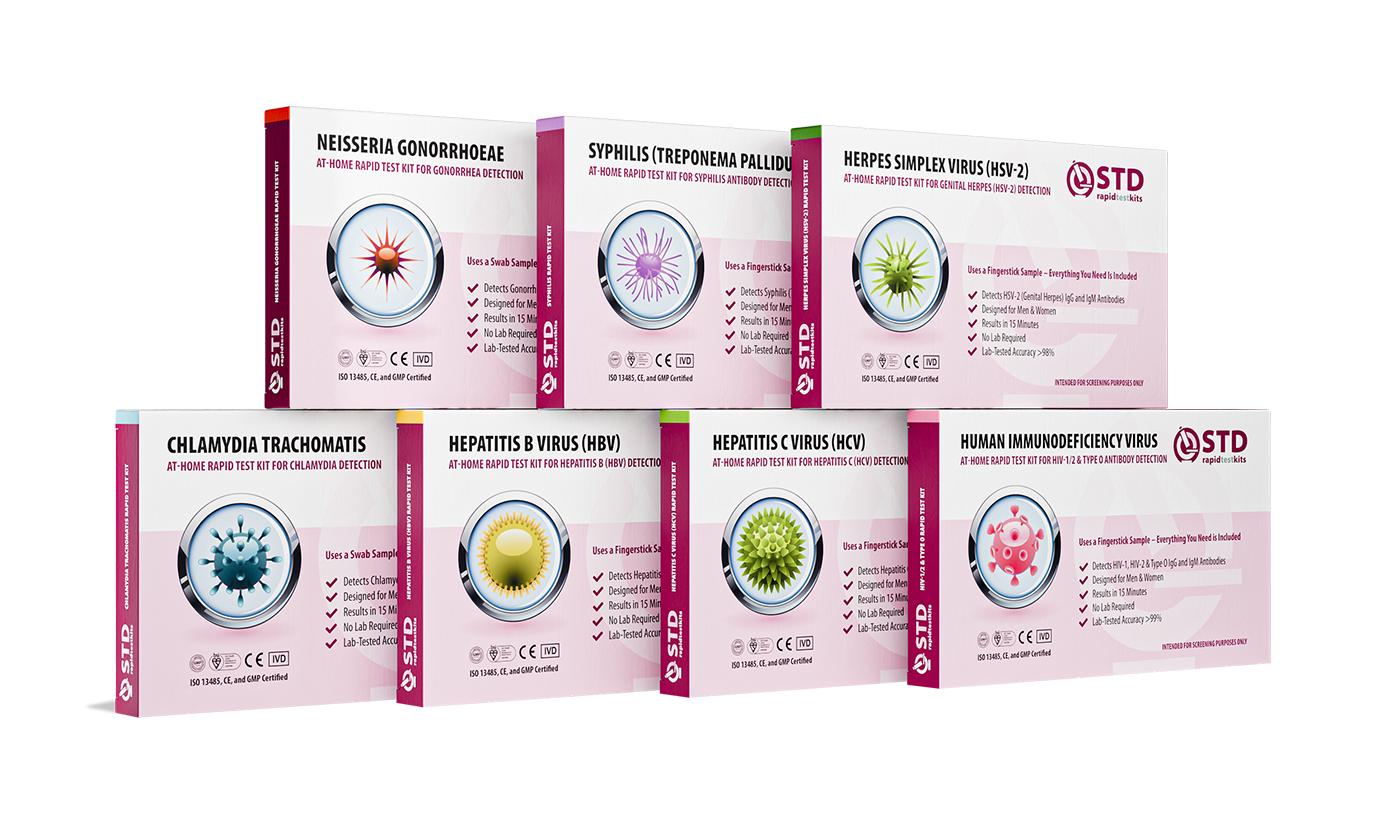
 For Men & Women
 Results in Minutes
 No Lab Needed
 Private & Discreet


