







What Is the Most Harmless STD? Doctors Explain the Truth
The Importance of Sexually Transmitted Disease Testing for Couples
While sexually transmitted disease testing is more commonly linked to single people starting relationships, it is just as important for couples already in a committed relationship. It is possible to remain undiagnosed with an STD infection as many of these infections are asymptomatic, meaning they produce no noticeable symptoms for months or even years. Past events or outside influences could still be a problem, even in monogamous partnerships. Testing together eliminates guesswork, ensuring both partners have a clean slate.

Gaining Confidence through Transparency
Lack of trust is one common problem which every other couple faces. Through concurrent testing, couples demonstrate their commitment to the health of their partner. Testing together initiates communication about sexual health. The entire process helps individuals to overcome certain hidden fears related to past sexual history or potential infections.
Getting tested as a couple is indicative that they are serious about being open and caring. You, as a couple, may strengthen your bond through this shared experience and show how much you care about the other person's well-being in the relationship.
Preventing Health Problems and Identifying Them Early
Most STDs, such as chlamydia, gonorrhea, and HIV, may exhibit symptoms that are very much delayed. Long-term consequences that can be prevented with early detection through regular testing include infertility, chronic discomfort, and increased vulnerability to other infections.
Testing regularly also helps in prevention. If couples are aware of the sexually transmitted disease status of each other, they can take informed precautions. For example, they can use protection, if required, or seek medical help as soon as possible, if required.
Order Now $129.00 $343.00 Check Your STD Status in Minutes
Test at Home with Remedium
7-in-1 STD Test Kit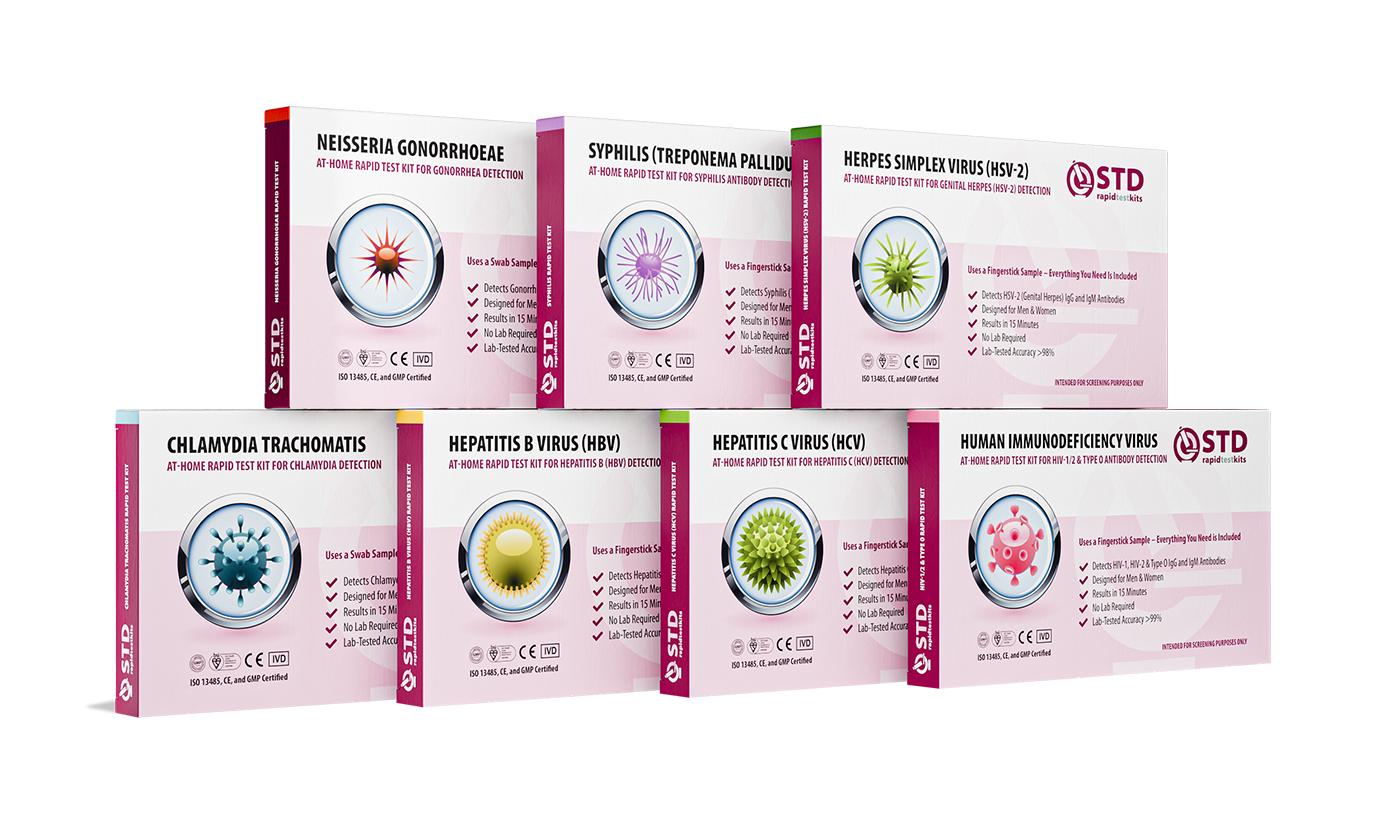 Claim Your Kit TodaySave 62%
 For Men & Women
 Results in Minutes
 No Lab Needed
 Private & Discreet
For all 7 tests
Moving Past Challenges and Promoting Open Communication
STD testing is stigmatized still, although more people are getting aware of it. The very mention of the topic often evokes images of betrayal or suspicion of adultery among many. But when both partners make testing a normal part of their relationship, it makes the talk more natural and gets rid of unnecessary embarrassment.
This might be particularly important in committed partnerships where needs may change over time. By testing together, couples can create an area in which communication about sexual health is as everyday as discussing another area of one's health.
An Easy and Confidential Alternative: Home STD Testing
This can be awkward or painful for some couples to go to the doctor's office. Testing STDs from home is a much more discreet and private procedure. Such test results can be mailed back to couples discreetly and allow them to identify various sicknesses without having to leave home.
Amongst the very best options to take this test from home are for:
- Couples that cherish being discreet
- Busy people
- Those couples who want to try something new before having sex
A trustworthy home testing kit for sexually transmitted infections accommodates responsible sexual health practices, offering assurance about results and convenience.

Intimacy through Mutual Responsibility
A climate of mutual respect can emerge in a relationship when both partners do their part to maintain good sexual health. Getting tested for sexually transmitted disease is better framed as an act of care, rather than an accusation. Getting tested together is a gesture that signals both partners' commitment to the well-being of the relationship.
Shared responsibility also encompasses being there for one another in times of crisis and joy alike. Handling the outcome of a positive test result together, rather than individually, can minimize anxiety and lead to better health outcomes.
Busting Some Myths About Sexually Transmitted Disease Testing Among Couples
Myths are some of the reasons most couples never show up for testing. Let us debunk some of the common myths:
- "There's no need to get tested because we've been together a while."
- History will reveal that it may take several years before one of the partners becomes aware of the infection, even within long-term relationships.
- "We don't have to get tested because we trust each other."
- Testing for STDs is about health, not about trust. Testing is a sensible thing to do because many infections do not show symptoms.
- "My boyfriend/girlfriend will leave me if I have HIV."
- There is still hope for a relationship after a positive test. What matters most is how partners support each other and receive treatment.
How Often Should Couples Have STD Tests?
Testing for sexually transmitted diseases is a couple's priority at the following crucial times:
- Before starting a sexual relationship with a new partner
- In a monogamous relationship, until you're ready to stop using condoms
- Presence of unprotected sex by one partner outside the relationship
- When one of the partners has symptoms of an STD
- Part of routine check-up
By regularly getting tested for STDs, a couple can be better informed and better protected.

Family Planning and Sexually Transmitted Disease Testing
Genetic testing and medical checkups are the pre-requisites that a couple is forced to undertake before conceiving. There are few diseases that the mother can transmit to the infant during pregnancy or birth. For instance: herpes and syphilis. The potential consequences of undiagnosed STDs are miscarriage, premature birth, and genetic disorders.
For a healthy pregnancy, it is very important that couples get tested prior to pregnancy so that they may be able to identify issues well in advance and seek treatment.
Getting Started: Tips for Starting a Conversation
While it may be uncomfortable to bring up the topic of STD testing with your spouse, it will go easier if you do so in a straightforward and sensitive manner. Here are some tips:
- Level the playing field: Just like going to the dentist or to the doctor, getting tested is part of taking care of oneself.
- Identify the benefits of mutual investment: Say testing creates trust and protects both parties.
- Frame it as something done in a group: Instead of asking one person to do it, make it a mutual activity.
- Stay away from bias: Put an end to accusing language and center your conversation on how both may be well.
Order Now $119.00 $294.00 Check Your STD Status in Minutes
Test at Home with Remedium
6-in-1 STD Test Kit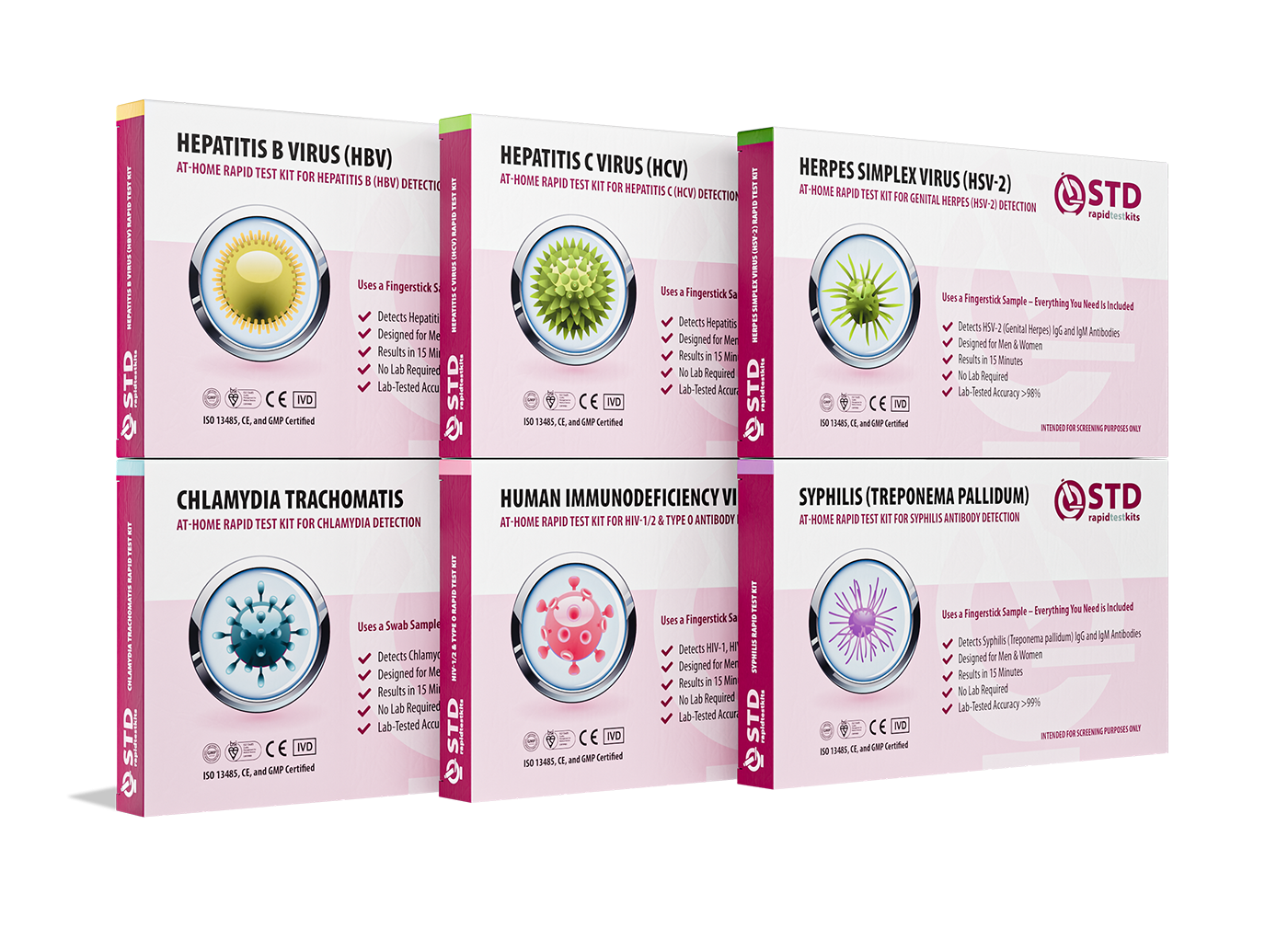 Claim Your Kit TodaySave 60%For Men & WomenResults in MinutesNo Lab NeededPrivate & Discreet
For all 6 tests
FAQs
1. Why should couples take an STD test at the same time?
Testing as a couple promotes honesty, openness, and responsibility towards one's sexual health. This reduces the chances of misunderstandings, allowing both partners to make a fresh start together.
2. How often should couples get tested for sexually transmitted diseases?
Testing should be part of an annual checkup for couples. It is also recommended before stopping condom use and before engaging in sexual activity. If either partner has had unprotected sex outside the relationship, testing should be done immediately.
3. Is it possible to take an at-home STD test instead of going to the clinic?
Yes, couples can test for a variety of infections in the comfort and privacy of their home with at-home STD test kits. To ensure accurate results, it is important to choose a reputable service.
4. Does getting tested mean we don't trust each other?
Not at all. STD testing is about health, not trust. Regular screening is a responsible practice for every couple, regardless of how long they have been together, as many infections do not show symptoms.
5. Which sexually transmitted diseases should couples get tested for?
Standard testing should include chlamydia, gonorrhea, syphilis, HIV, herpes, HPV, trichomoniasis, and hepatitis B and C. A doctor can recommend specific tests based on an individual risk assessment.
6. How do we bring up the topic of STD testing with our partner?
Approach the conversation with sensitivity and mutual concern. Highlight that it is a shared responsibility. Suggest getting tested together and frame it as a normal part of maintaining overall health, similar to a routine check-up.
7. What if one of us has an STD?
A relationship can still thrive after a positive diagnosis. The earlier an infection is identified, the better it can be treated. Most STDs are curable, and with medical guidance, couples can support each other through treatment and management.
8. Does insurance cover STD testing for couples?
Coverage varies by health insurance plan. While some plans cover certain STD screenings, others may not. Couples should check with their healthcare provider to understand which tests are covered and if reimbursement is available for at-home test kits.
9. Do couples need to undergo premarital STD testing?
Yes, premarital testing is a good idea. It helps couples understand potential health risks, fosters transparency, and ensures they enter marriage with accurate knowledge of each other’s sexual health.
10. Where can couples get tested for STDs?
Couples can get tested at clinics, urgent care centers, Planned Parenthood, or through reputable home test kits. Many options provide privacy and convenience, allowing couples to choose the method that works best for them.
More in Harmony for a Brighter Future Together
If couples put the testing of STDs as a priority, then it means a couple values honesty and health within a relationship. Knowing your status, either at a clinic or an at-home test, keeps your mind free of doubts, which breeds trust.
You and your spouse would have more time to invest in what really counts—building a solid and lasting relationship—if STD testing becomes commonplace in your relationship.
Scary, perhaps, but that first step means you care, are responsible, and love. You can take responsibility for your health and your relationship by getting tested together. Then, you can confidently move forward.
Sources
1. How to Prevent STIs – CDC (emphasizes testing together and sharing results)
2. How Do I Talk With My Partner About STD Testing? – Planned Parenthood
3. Why All Couples Should Get STD Testing – Docs Medical Group
4. Couples HIV Testing Improves Communication & Reduces Transmission – PMC
5. Testing Together Builds Trust & Strengthens Relationships – BeInTheKnow.org


