






What Is the Most Harmless STD? Doctors Explain the Truth
The Need to Take Chlamydia Seriously
Many people can carry chlamydia for months or even years without symptoms since it is asymptomatic in 70–80% of women and 50% of men. By the time they seek help, it might be too late to prevent damage.
Complications can include
- Tubal infertility
- Poor quality sperm
- Pelvic Inflammatory Disease (PID)
- Long-term damage to the reproductive system
The Good News
These complications can be prevented through early diagnosis and treatment. This guide answers all your questions and concerns about:
- How chlamydia affects fertility
- The risks of untreated STIs
- How to prevent long-term damage

The Hidden Menace of Chlamydia to Fertility
What is Chlamydia?
Chlamydia is a bacterial infection caused by Chlamydia trachomatis. It is transmitted through vaginal, anal, and oral sex.
Where Can Chlamydia Cause Infection?
- Throat
- Cervix
- Urethra
- Rectum
Because many cases have no symptoms, chlamydia can cause silent but severe damage to reproductive organs, often going undetected for years.
How Can Chlamydia Cause Infertility?
Chlamydia affects fertility differently depending on how long the infection remains untreated and how far it spreads.
Pelvic Inflammatory Disease (PID) in Women
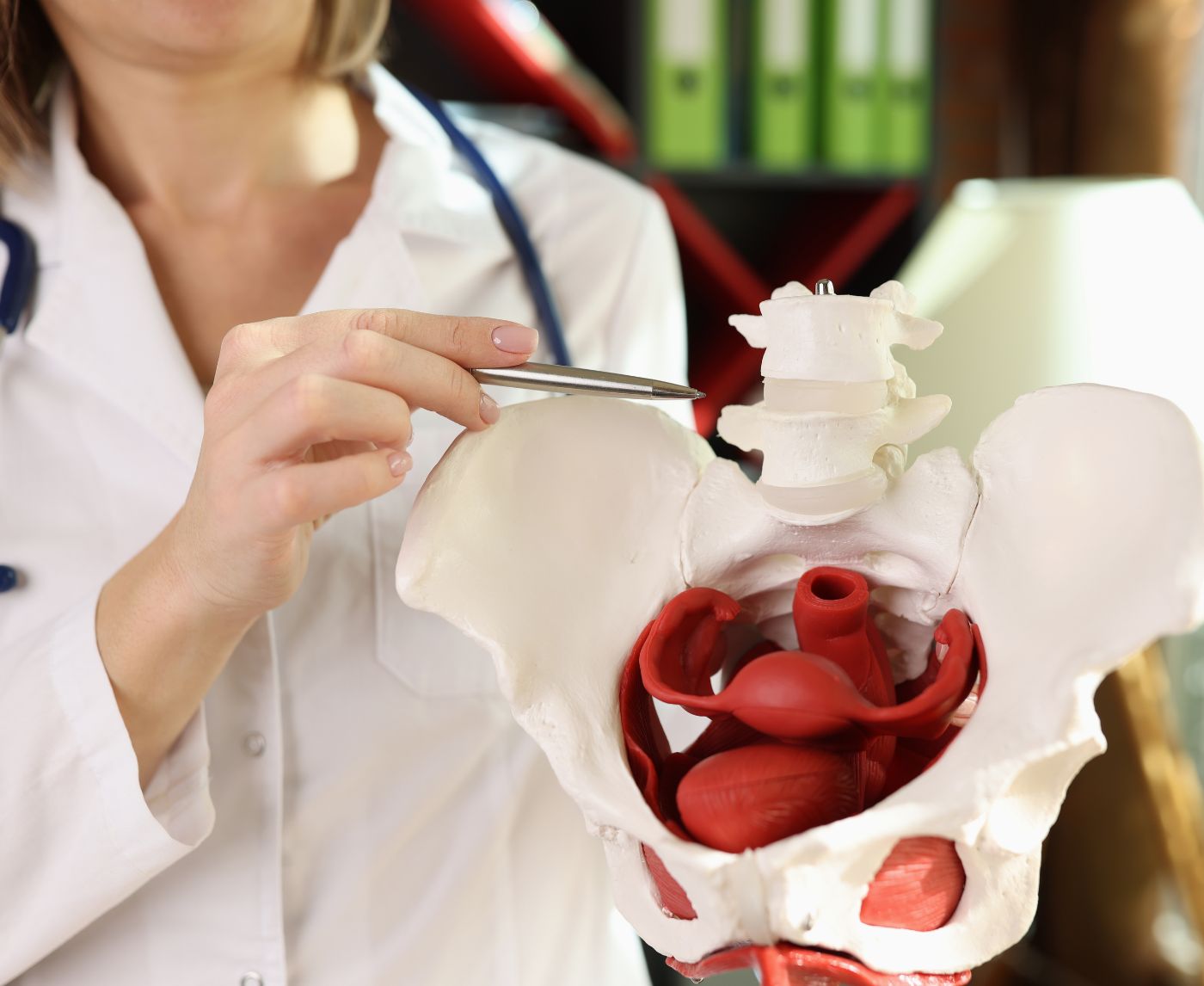
If chlamydia is left untreated, it can lead to PID, which affects the:
- Uterus
- Fallopian tubes
- Ovaries
Complications include:
- Scar tissue formation
- Blocked fallopian tubes
- Polycystic ovary syndrome (PCOS)
These conditions make it difficult for eggs to reach the uterus, increasing the risk of infertility and life-threatening ectopic pregnancies (where a fertilized egg implants outside the uterus).
Tubal Factor Infertility
- Blocked or damaged fallopian tubes are responsible for 25-30% of infertility in women.
- The leading cause is untreated STIs like chlamydia.
Sperm Issues and Male Infertility
Although many people assume STIs primarily affect women, chlamydia also impacts male fertility.
- Chlamydia can cause epididymitis, an infection of the ducts that store sperm.
- This leads to lower sperm count and reduced sperm motility.
- Studies show chlamydia can damage sperm DNA, increasing the risk of miscarriage and birth defects.
Increased Risk of Miscarriage and Preterm Birth
Even if pregnancy occurs, untreated chlamydia raises the risk of:
- Miscarriage
- Stillbirth
- Preterm labor

The Silent Danger: No Symptoms, but Permanent Damage
- Many people don’t experience symptoms and unknowingly spread chlamydia.
- By the time symptoms appear, permanent infertility damage may have already occurred.
Who Is Most at Risk for Chlamydia-Related Infertility?
Chlamydia can affect any sexually active person, but some people face a higher risk of serious complications:
- People under 25 – Highest infection rates occur in young adults.
- Those with multiple sexual partners – More partners increase the risk.
- Anyone with a history of STIs – Prior infections weaken reproductive health.
- Those who don’t use protection – Condoms reduce risk but aren’t 100% effective.
Order Now $33.99 $49.00 Check Your STD Status in Minutes
Test at Home with Remedium
Chlamydia Test Kit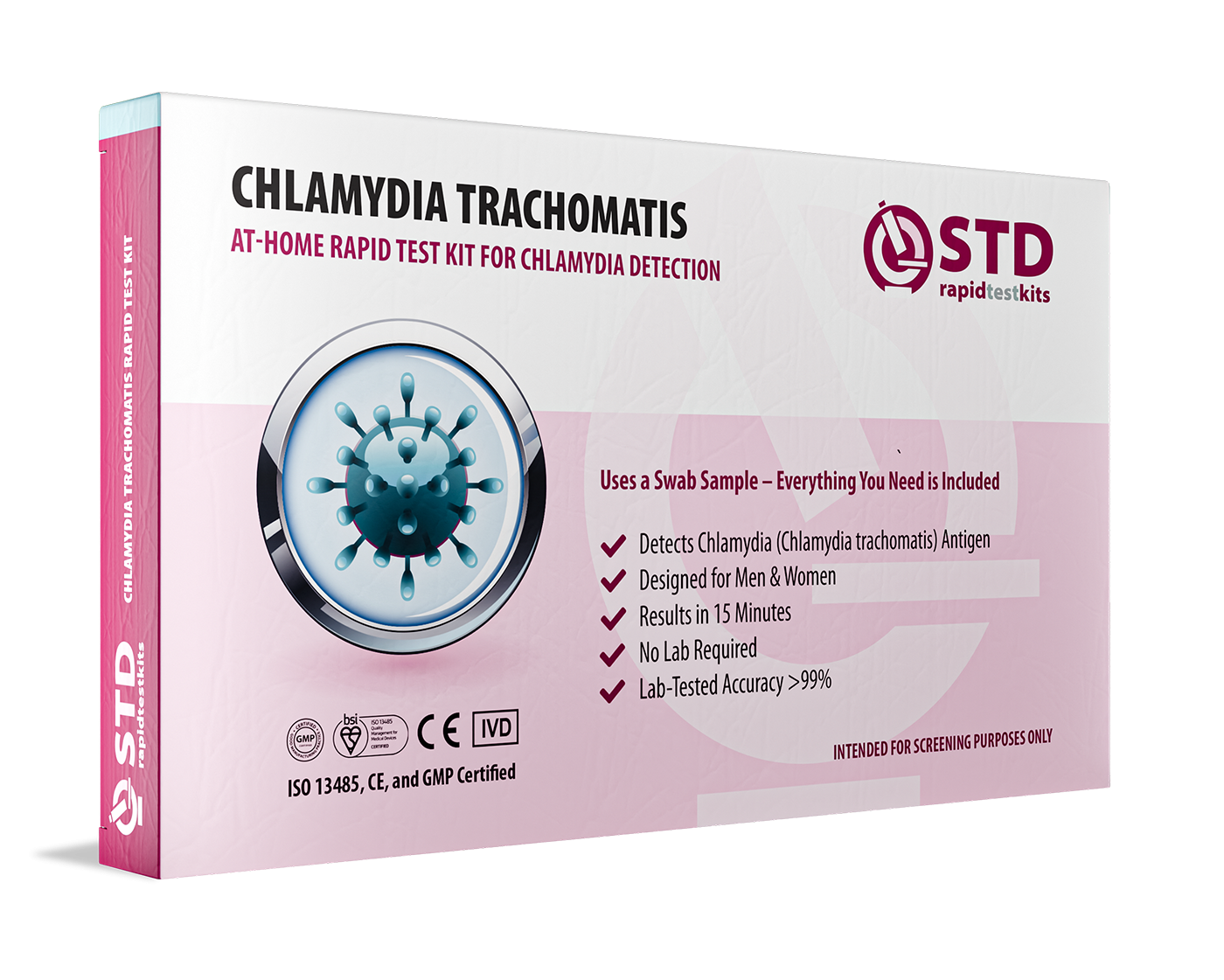 Claim Your Kit TodaySave 31%
 For Men & Women
 Results in Minutes
 No Lab Needed
 Private & Discreet
Long-Term Impact on Fertility
Many people do not realize the severity of past chlamydia infections until they struggle with infertility later in life.
Doctors often recommend fertility testing for people with a history of untreated STIs if they experience difficulties conceiving.
Prevention Strategies
The Importance of Regular STD Testing
Since chlamydia often has no symptoms, regular STD screening is the only way to detect infections early and prevent complications.
CDC Testing Recommendations
- Annual chlamydia screening for sexually active women under 25
- Testing for women over 25 with new or multiple sexual partners
- Routine testing for high-risk men, including those with multiple partners
- Screening for both partners before stopping condom use
Testing is simple and requires only a urine sample or vaginal/cervical swab. At-home STD test kits provide a private and convenient option.
Antibiotic Treatment for Chlamydia
If detected early, chlamydia is 100% curable with antibiotics.
Common treatments include:
- Azithromycin – A single-dose antibiotic
- Doxycycline – A 7-day antibiotic course
To prevent reinfection, both partners should:
- Complete the full course of antibiotics
- Avoid sexual activity until treatment is finished
- Get retested after three months

Treating Chlamydia-Related Infertility
For individuals experiencing fertility issues due to past chlamydia infections, medical intervention may be necessary.
Diagnostic Procedures for Women
- Hysterosalpingogram (HSG): An X-ray to check for blocked fallopian tubes
- Laparoscopy: A surgical procedure to remove scar tissue and improve fertility
Assisted Reproductive Technology (ART) for Severe Cases
- In-vitro fertilization (IVF): For cases where fallopian tubes are too damaged
- Intracytoplasmic sperm injection (ICSI): For men with sperm abnormalities due to chlamydia
Safe Sex Practices to Prevent Chlamydia
To reduce the risk of chlamydia infection and protect reproductive health:
- Use condoms consistently – Condoms reduce chlamydia transmission but are not 100% effective.
- Limit sexual partners – The fewer partners you have, the lower your risk.
- Get tested before stopping condom use – Ensure that both you and your partner are infection-free.
- Encourage open discussions about STDs – Awareness helps prevent infections.
Order Now $69.00 $147.00 Check Your STD Status in Minutes
Test at Home with Remedium
3-in-1 STD Test Kit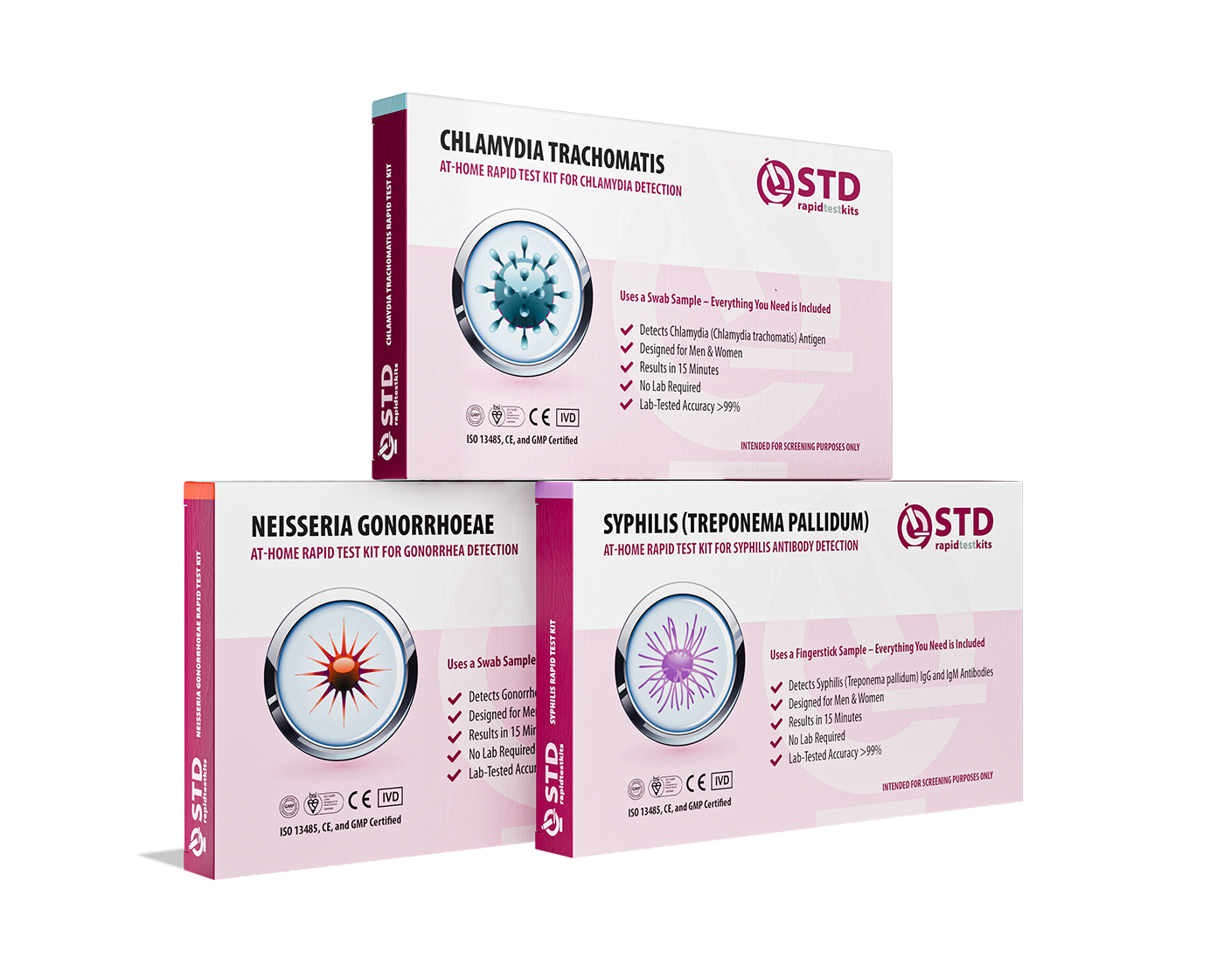 Claim Your Kit TodaySave 53%For Men & WomenResults in MinutesNo Lab NeededPrivate & Discreet
For all 3 tests
Chlamydia and Fertility: Key Statistics
Chlamydia Prevalence and Infertility Risk
- 4 million new chlamydia cases occur annually in the U.S.
- 70-80% of women and 50% of men with chlamydia have no symptoms.
- Up to 40% of untreated chlamydia cases in women develop into PID.
- PID causes tubal infertility in up to 25% of cases.
Chlamydia’s Impact on Pregnancy and Sperm Health
- Untreated chlamydia doubles the risk of miscarriage and preterm birth (IVI Fertility)
- Chlamydia can reduce sperm count and motility by 30-50% (Superdrug Online Doctor)
- Up to 20% of men with chlamydia-related epididymitis develop infertility (News-Medical)
The Power of Early Treatment
- Timely antibiotic treatment prevents PID in 95% of cases
- Women treated for chlamydia within one year of infection have no significant fertility decline
- Using condoms reduces chlamydia transmission by 98%

Expert Opinions and Case Studies
Medical Experts on Chlamydia and Infertility
Leading medical professionals emphasize the importance of early detection and treatment to prevent long-term reproductive complications.
Dr. Karen Smith, an OB-GYN specializing in fertility health, states:
"Many patients struggling with infertility are unaware that a past chlamydia infection is the underlying cause. Regular testing and timely antibiotic treatment can prevent irreversible damage to the reproductive system."
Dr. James Carter, a reproductive health specialist, highlights the dangers of asymptomatic infections:
"Chlamydia is often silent, but its effects on fertility are long-lasting. We see cases where women in their 30s experience difficulty conceiving due to an untreated infection from their early 20s. This is why screening should be routine for all sexually active individuals."
Case Study 1: A Delayed Diagnosis Leading to Infertility
Emma, a 29-year-old woman, discovered she had chlamydia only after experiencing difficulty conceiving. She had never been tested in her early 20s and had no noticeable symptoms. By the time she sought fertility treatment, doctors found significant scarring in her fallopian tubes due to untreated pelvic inflammatory disease (PID). Emma ultimately had to undergo in-vitro fertilization (IVF) to conceive.
Her story underscores the need for regular STD screenings, even in the absence of symptoms.
Case Study 2: The Male Factor in Chlamydia-Related Infertility
Michael, a 32-year-old man, was diagnosed with chlamydia during a routine health check. His doctor recommended testing after he and his wife had trouble conceiving for over a year. Testing revealed low sperm motility and abnormal sperm shape, both linked to his past chlamydia infection. After completing treatment, his sperm quality improved over time, and the couple was eventually able to conceive naturally.
This case highlights the impact of chlamydia on male fertility and the importance of both partners getting tested.

Frequently Asked Questions (FAQs)
1. Can chlamydia really make you infertile?
Yes. If left untreated, chlamydia can cause scarring in the fallopian tubes, leading to tubal infertility in women. In men, it can damage sperm production and quality, reducing fertility.
2. How long does it take for chlamydia to cause infertility?
There’s no exact timeline, but long-term untreated infections (six months or longer) increase the risk of pelvic inflammatory disease (PID) and permanent reproductive damage.
3. Can you still get pregnant after having chlamydia?
Yes, but it depends on whether the infection caused fallopian tube damage or sperm abnormalities. Some people may need fertility treatments to conceive.
4. Does chlamydia affect male fertility?
Yes. Chlamydia can cause epididymitis, leading to low sperm count, poor motility, and DNA damage, making it harder to conceive.
5. Can chlamydia-related infertility be reversed?
It depends on the extent of the damage. In some cases, surgical procedures can remove scar tissue from fallopian tubes. If sperm is affected, IVF with ICSI (intracytoplasmic sperm injection) may be necessary.
6. Can you get chlamydia more than once?
Yes. Having chlamydia once does not make you immune. Reinfection is common, especially if partners are not treated simultaneously.
7. How can I tell if I have chlamydia if there are no symptoms?
The only way to know for sure is to get tested regularly, especially if you’re sexually active or have new partners.
8. What happens if I take antibiotics too late?
Late treatment may cure the infection but cannot reverse existing damage to the reproductive organs. This is why early detection is crucial.
9. Can chlamydia affect pregnancy outcomes?
Yes. Untreated chlamydia increases the risk of miscarriage, preterm birth, and stillbirth. It can also cause eye infections and pneumonia in newborns.
10. What is the best way to prevent chlamydia-related infertility?
Regular STD testing, using condoms, and ensuring both you and your partner get treated if diagnosed are the best ways to protect your fertility.
Take Control of Your Reproductive Health
Chlamydia is a preventable and treatable infection, but if left untreated, it can have serious consequences for fertility. Many people don’t realize they have chlamydia until years later when they struggle to conceive.
The good news is that early detection and treatment can prevent long-term complications. By taking proactive steps—getting tested regularly, practicing safe sex, and seeking timely treatment—you can protect your reproductive health.
Sources
1.- National Center for Biotechnology Information (NCBI) - Chlamydia and Female Infertility
2.- CDC - Chlamydia and Infertility
3.- Wikipedia - Tubal Factor Infertility
4.- Pregnancy and Fertility Outcomes Associated with Chlamydia


