






Think Probiotics Protect You After Sex? Read This First
Antibiotics and Vaginal Flora: Effects and Comprehensive Review
The vaginal flora is a community of microbes, of which lactobacilli are the most prominent, which acts to help prevent infections and dangerous bacteria. The problem is that while antibiotics are very effective at killing pathogenic bacteria, they can also disrupt this delicate balance by killing good bacteria.
-
Opportunistic Overgrowth: Two opportunistic organisms that can overgrow when the levels of lactobacilli decrease are Candida albicans and Gardnerella vaginalis, which cause yeast infections and BV, respectively. BV has also been linked to a heightened risk of sexually transmitted diseases.
The Domino Effect
It is easier for infections to take hold when the vaginal microbiota is disrupted because it compromises its natural defenses. This opens the door to sexually transmitted diseases such as HIV, chlamydia, and gonorrhea.

How Excessive Antibiotic Use Increases STD Risk
Reduced Immunity
In part, the acidic pH of the vagina is maintained by lactic acid production by lactobacilli. It is into this acidic environment that bacteria and viruses cannot be viable. Without these protective mechanisms, the risk of infection is profoundly increased.
Easier Development of BV
According to research, bacterial vaginosis increases the risk of sexually transmitted diseases in a woman by up to 60%. One of the major causes of recurrence of BV is the abuse of antibiotics.
The Immune Response Interrupted
One of the functions of the vaginal microbiota is the regulation of the immune response at the local level. Changes caused by antibiotics can compromise the capacity of the immune system to fend off infections.
Order Now $33.99 $49.00 Check Your STD Status in Minutes
Test at Home with Remedium
Chlamydia Test Kit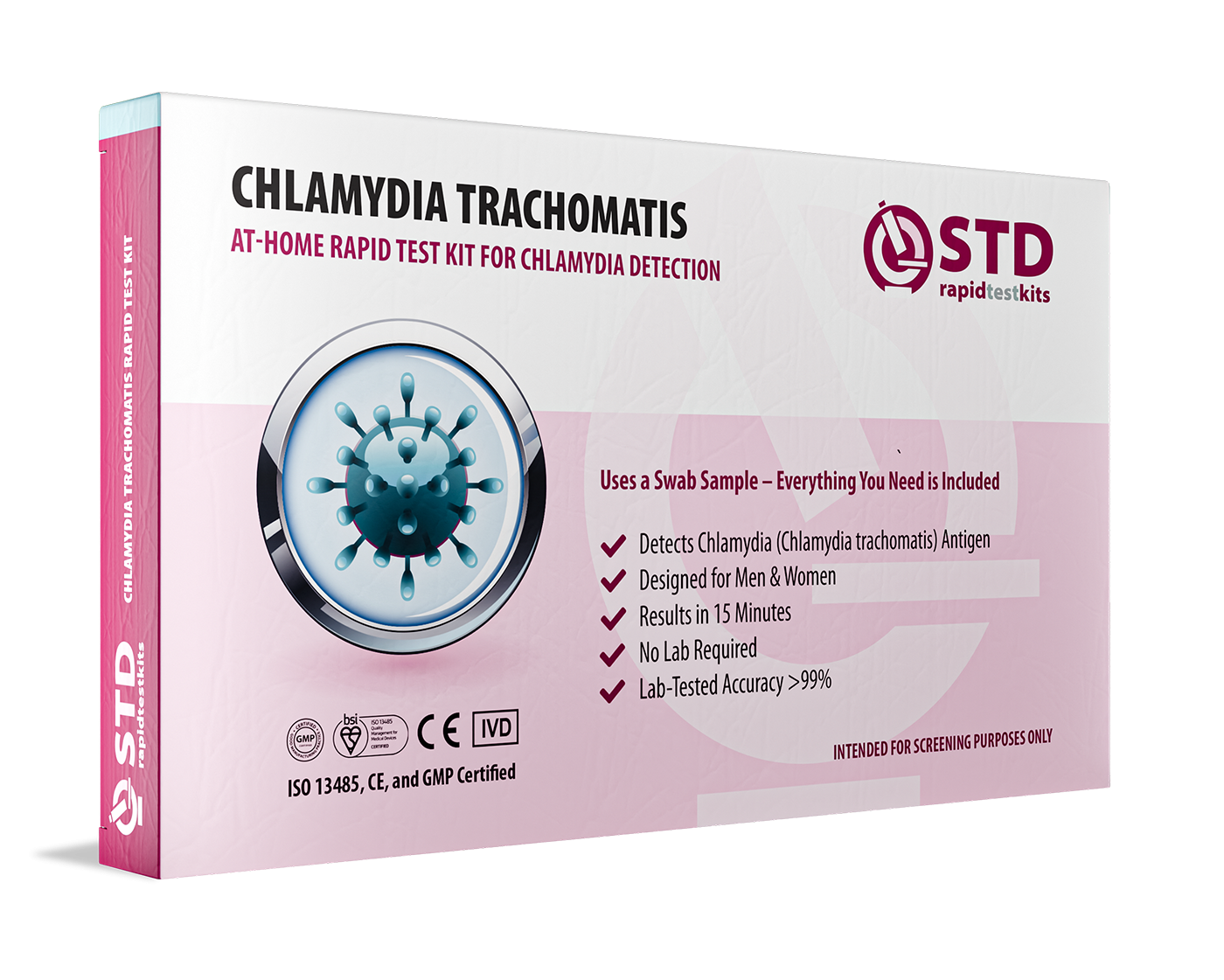 Claim Your Kit TodaySave 31%
 For Men & Women
 Results in Minutes
 No Lab Needed
 Private & Discreet
Disruption of the Vaginal Flora Enhances the Chances of Sexually Transmitted Infections
Common STDs Linked to Vaginal Flora Imbalance
Experts and studies have identified several infections linked with disrupted vaginal flora:
Bacterial Vaginosis (BV)
BV reduces the acidity of the vagina, which is perfect for the proliferation of harmful germs.
A study published in the Journal of Infectious Diseases found that women with BV have a 60% increased risk of acquiring STDs like chlamydia, gonorrhea, and HIV.
Chlamydia
Dr. Anna Wald, a leading researcher on infections, states that a disrupted vaginal microbiome provides an ideal environment for Chlamydia trachomatis.
According to the American Journal of Obstetrics & Gynecology, untreated chlamydia can lead to infertility, chronic pelvic pain, and pelvic inflammatory disease (PID).
Gonorrhea
The CDC states that a healthy vaginal microbiome, dominated by lactobacilli, provides an innate barrier to infection with Neisseria gonorrhoeae. Disruption of this balance allows the bacterial STD to gain access to the reproductive system.

HPV (Human Papillomavirus)
WHO studies highlight that a disrupted vaginal microbiota interferes with immune suppression of HPV. Persistent infections can lead to precancerous lesions and cervical cancer.
Herpes Simplex Virus (HSV)
Dr. Jeanne Marrazzo explains that disrupted vaginal flora facilitates the entry of HSV during sexual contact, leading to recurrent outbreaks and inflammation.
Symptoms like painful sores, itching, and swelling are aggravated by an already imbalanced vaginal flora.
HIV
According to The Lancet Infectious Diseases, women with BV had a threefold increased risk of acquiring HIV. BV decreases protective lactic acid levels in the vagina, allowing blood-borne viruses to more easily reach the bloodstream.
Trichomoniasis
Dr. Patricia Kissinger from Tulane University explains that Trichomonas vaginalis thrives in conditions with an elevated vaginal pH. Antibiotics kill the lactobacilli, thereby creating optimal conditions for this infection.
Symptoms include itching, discharge, and irritation, which increase susceptibility to other infections like HIV.
Order Now $33.99 $49.00 Check Your STD Status in Minutes
Test at Home with Remedium
HIV Rapid Test Kit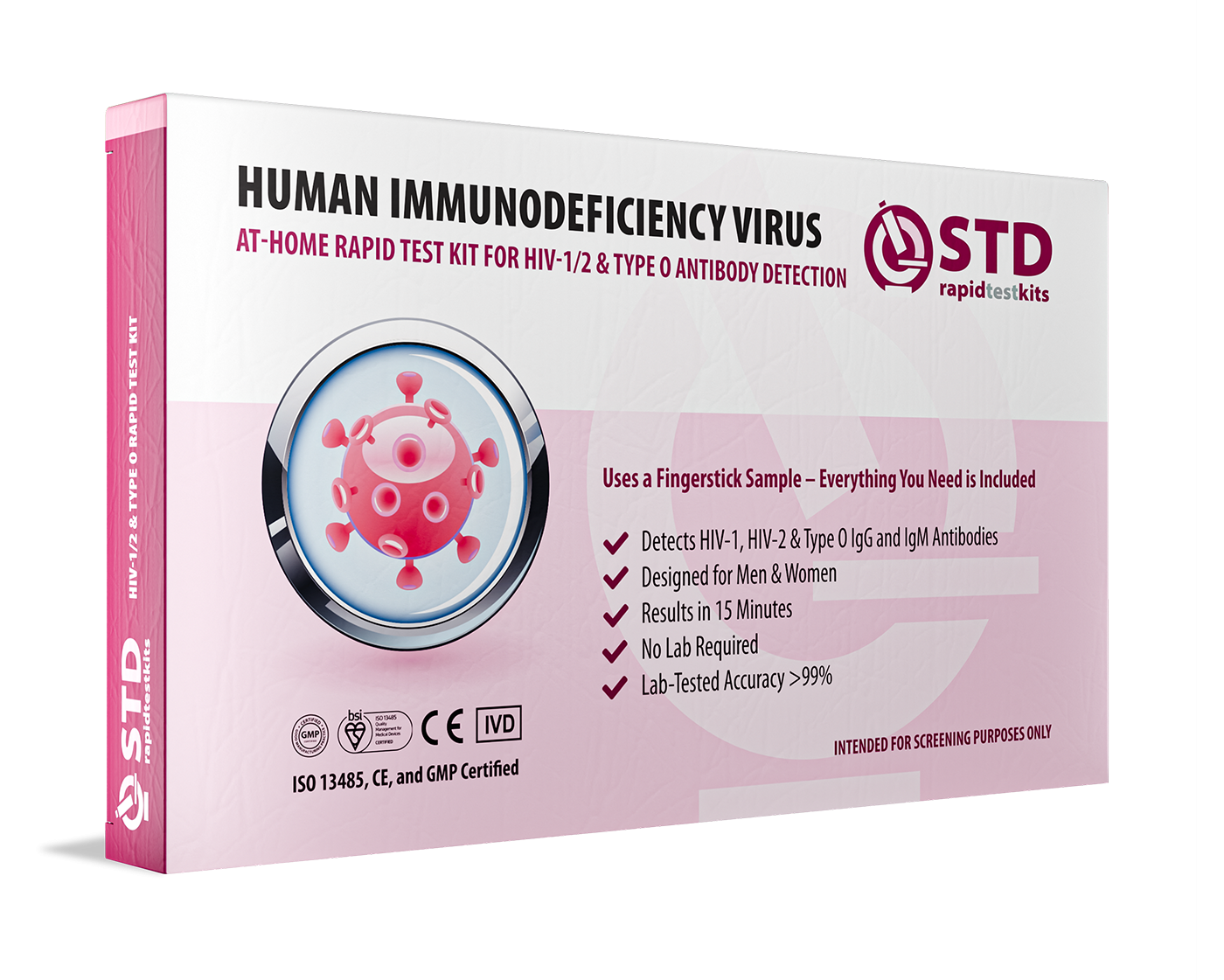 Claim Your Kit TodaySave 31%For Men & WomenResults in MinutesNo Lab NeededPrivate & Discreet
Why Reconstituting Vaginal Flora is Useful
Restoring the balance of flora in the vagina plays a great role in the prevention of infection and good health in general. The main advantages include:
- Decreasing the Risks of Infection: Replenishing lactobacilli restores an acidic pH, creating conditions that impede the development of harmful microbes.
- Increased Comfort: Symptoms such as burning, itching, and abnormal discharge disappear when balance is restored.
- Prolonged Protection: A healthy balance of vaginal flora acts as a natural barrier to recurrent infections.
Looking at the Numbers
- Women with recurrent bacterial vaginosis are 50-70% more likely to contract STDs.
- Yeast infections and other secondary vaginal infections affect as many as 30% of women who use antibiotics.
- Disrupted vaginal flora increases the risk of HIV infection by 2-3 times.
Realistic Steps to Protect Your Sexual Health
Take Antibiotics with Caution
- Use antibiotics only when prescribed by a doctor.
- Complete the full course, even if you feel better.
- Avoid demanding antibiotics for viral infections.
Add Friendly Bacteria
- Probiotics containing Lactobacillus rhamnosus and Lactobacillus reuteri can restore balance.
- Include probiotic-rich foods like yogurt, kefir, and fermented vegetables in your diet.
Practice Safe Sex
- Use condoms to reduce the risk of STDs.
- Get tested regularly, especially if you have new or multiple partners.
Home STD Testing
- A discreet and convenient way to monitor your sexual health is through at-home STD test kits.

Professional Views on Antibiotics and Vaginal Health
- Dr. Maria Torres, OB-GYN: "Antibiotics should be used with care not to disturb the vaginal flora. Incorporating probiotics and safe sexual activities are key steps to maintaining good vaginal health."
- Case Study: One patient experienced recurrent yeast infections after multiple courses of antibiotics. Introducing probiotics and judicious antibiotic use resolved her symptoms and improved her overall health.
Myths and Facts About Antibiotics and Vaginal Health
- "Antibiotics only kill harmful bacteria." Antibiotics destroy ecosystems by killing good and bad microorganisms alike.
- "Vaginal infections are no big deal." Untreated infections can cause infertility and increased STD susceptibility.
- "Probiotics aren't necessary." While not always essential, probiotics help restore balance after antibiotic use.
Order Now $129.00 $343.00 Check Your STD Status in Minutes
Test at Home with Remedium
7-in-1 STD Test Kit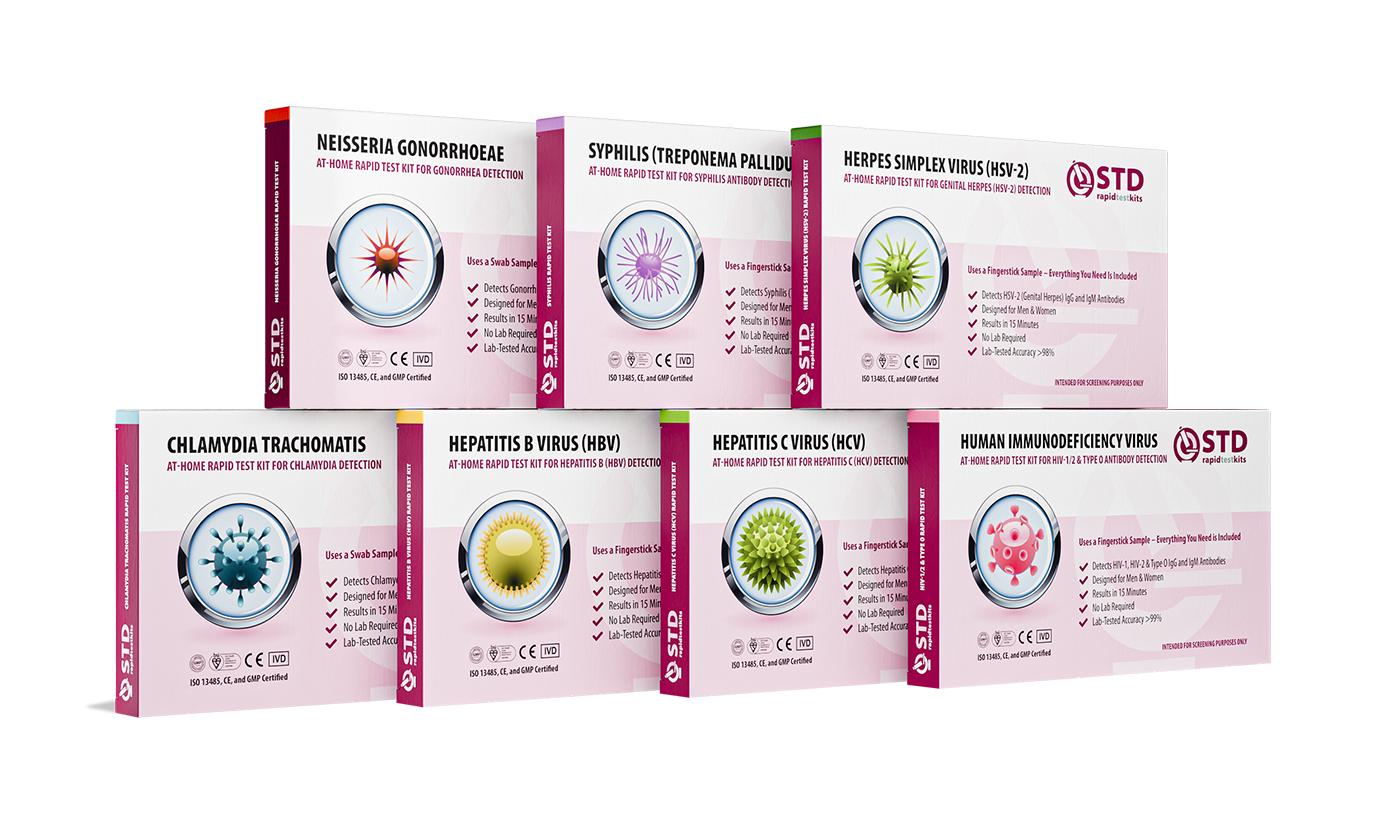 Claim Your Kit TodaySave 62%For Men & WomenResults in MinutesNo Lab NeededPrivate & Discreet
For all 7 tests
Frequently Asked Questions
1.- What are the consequences of misusing antibiotics on vaginal health?
Disrupting the vaginal microbiome can lead to bacterial vaginosis, yeast infections, and increased susceptibility to STDs.
2.- Which STDs are more common with disrupted vaginal flora?
Chlamydia, gonorrhea, HIV, HSV, and trichomoniasis.
3.- Can probiotics restore the vaginal microbiota after antibiotics?
Yes, probiotics containing Lactobacillus rhamnosus and Lactobacillus reuteri can help.
4.- How can I reduce the risk of vaginal flora disruption?
Use antibiotics responsibly, take probiotics, and practice safe sex.
5.- Is bacterial vaginosis an STD?
No, but it increases the risk of contracting STDs.
6.- What are signs of disrupted vaginal microbiota?
Fishy odor, abnormal discharge, itching, and irritation.
7.- Can at-home STD test kits detect infections linked to disrupted flora?
Yes, they can detect infections like chlamydia, gonorrhea, and trichomoniasis.
8.- Does occasional antibiotic use increase STD risk?
Rare use may not significantly impact vaginal flora, but overuse can.
9.- What are the long-term effects of frequent flora disruption?
Increased risk of recurrent infections, infertility, and pelvic inflammatory disease.
10.- What should I do if I suspect an STD?
Use an at-home STD test kit, consult a doctor, and avoid sexual activity until treated.
Make Your Sexual Health a Top Priority
Paying attention to vaginal health is critical for overall well-being. Responsible antibiotic use, probiotic supplementation, and safe sex practices, including regular testing, can help prevent a range of STDs. At-home test kits offer a convenient way to monitor your health and take control of your sexual wellness. Make small changes today for long-term benefits.
Sources
1.- Impact of Antibiotics on Vaginal Health
2.- How Antibiotics Affect Vaginal Flora
3.- Study on Vaginal Microbiota Disruption
4.- Antibiotics and Bacterial Vaginosis
5.- HIV Risks Linked to Vaginal Flora Disruption


