







The Deadliest STDs: Which Infections Cause the Most Damage?
Have Sexually Transmitted Diseases (STDs) Influenced the Development of Monogamy?
One interesting theory is that sexually transmitted diseases may have played a role in the development of monogamy. In societies where STIs are common, there has often been a reduction in population due to infertility or early death. A reduction in these diseases, along with healthier children and a more stable society, may have contributed to the development of monogamy, or restricting sexual partners to one person.
Evidence for this hypothesis comes from studies published in The Lancet that prove that the population with fewer sexual partners will have lower STD rates, hence higher life expectancy and a larger population. It doesn't really prove that STDs were the only driving force in monogamy evolution, but it gives at least an idea of the major impact they had.

Risks of STDs within a Monogamous Union
History of Infections
A number of people operate under the wrong perception that a monogamous relationship can altogether do away with STDs. In contrast, it is possible for persons to transmit infection to each other if one of the partners has had an untreated infection.
Having an Affair
Although it is not nice to discuss, affairs do happen. The Journal of Sex Research stated that 20% to 25% of people in monogamous relationships admit to having an affair. STDs can become a part of a supposedly committed relationship if one of the partners is unfaithful.
Outside of Sexual Contacts
Asymptomatic, non-sexual vectors, such as skin-to-skin contact or, in extremely rare cases, shared personal items can transmit STDs such as herpes or HPV.
Latency or Lack of Diagnosis
Those infected with chlamydia or gonorrhea, for example, may show no symptoms for several years. Unless diagnosed and treated in a timely manner through routine testing, they can become problematic.
Order Now $69.00 $147.00 Check Your STD Status in Minutes
Test at Home with Remedium
3-in-1 STD Test Kit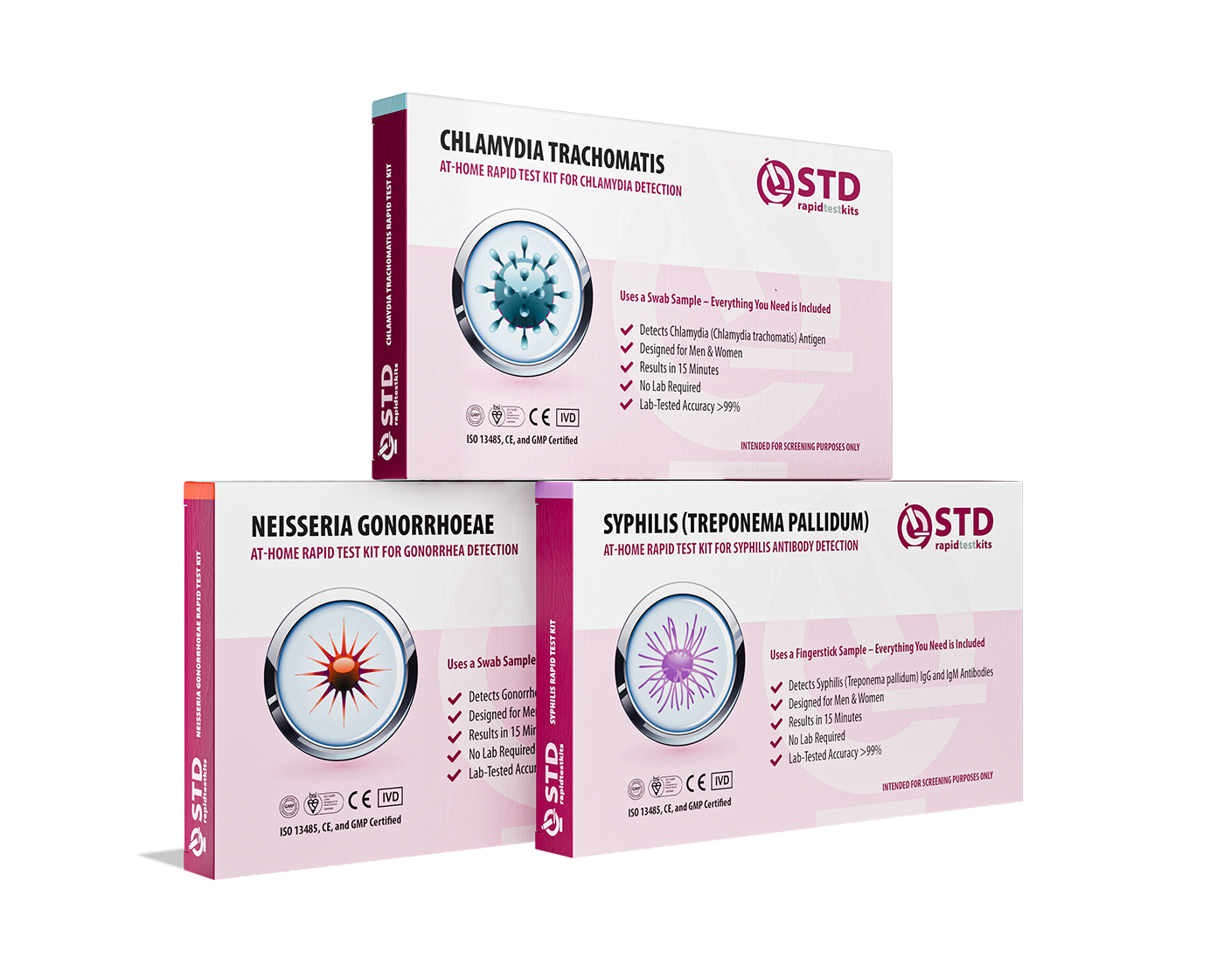 Claim Your Kit TodaySave 53%
 For Men & Women
 Results in Minutes
 No Lab Needed
 Private & Discreet
For all 3 tests
The Positive Impact of Monogamy on Sexual Health
Although there are some disadvantages associated with monogamy, there are also several real advantages:
Decreased Exposure
The potential exposure to an STD decreases exponentially as the number of sexual contacts decreases. Compared to non-monogamous arrangements, this decreases exposure but doesn't eliminate it. Decreasing exposure also helps prevent the spread of diseases that don't have noticeable symptoms.
Simpler Detection
It is easier to detect changes in health and strange symptoms within a monogamous relationship. In this case, when one of the partners falls ill, it would be way much easier to know from where the virus is coming and treat it as soon as possible. This can allow a lot of time to take action and get treatment that would reduce the chance of further health complications.
Improved Communication
Monogamy is correlated with increased honesty and openness in communication, including taking sexual histories and a history of concerns about sexually transmitted infections. This openness has a dual purpose: strengthening the bond between the two individuals and promoting healthy preventive behaviors such as getting tested for one another or seeking professional medical advice.

Expert Perspective: The Continuum of Testing
"Monogamy is not a replacement for frequent testing," comments Dr. Elaine Harper, who is very influential in matters pertaining to sex and health. Even in serious relationships, variables could include a person's past experiences or those of the previous lovers involved.
Testing on time is important because many STDs do not produce any symptoms that are noticeable. According to statistics compiled by the CDC, one out of five Americans has an STD, while a large portion of that population is blissfully ignorant that they do. This goes to show that even in committed relationships, screenings should be done periodically.
Doctors, on the other hand, insist on protection against the "hidden spread" of such infections as chlamydia and HPV, which often have no symptoms. If left untested, such infections may cause grave health consequences such as infertility and increased cancer risks. Testing regularly allows for early detection and treatment, reducing long-term health risks.
The very basis of testing together is also extended to further crystallizing the bonding of trust and mutual responsibility they could both possibly have. Any misunderstandings of lack of trust is deterred right there and also lays a greater fundamental towards a connection.
Order Now $129.00 $343.00 Check Your STD Status in Minutes
Test at Home with Remedium
7-in-1 STD Test Kit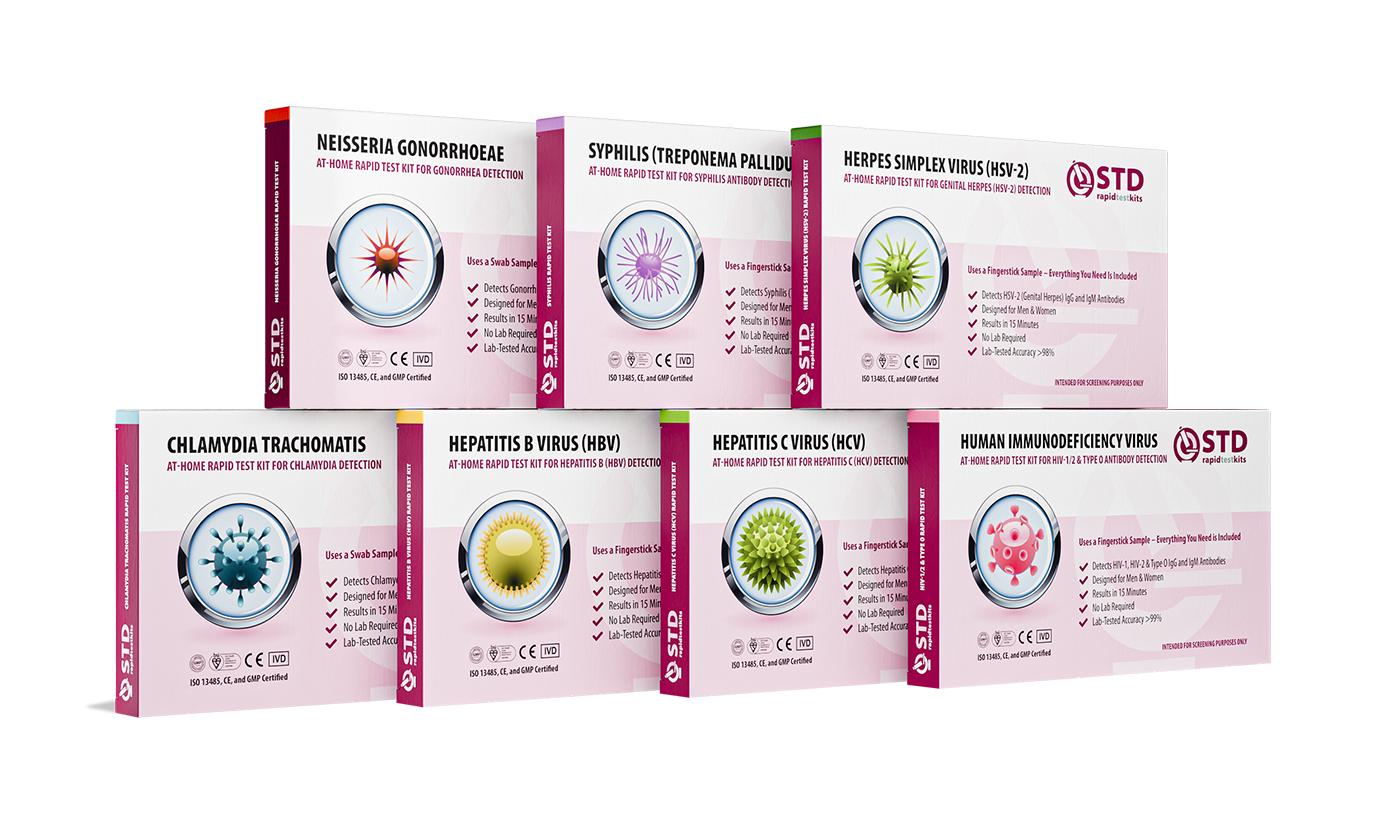 Claim Your Kit TodaySave 62%For Men & WomenResults in MinutesNo Lab NeededPrivate & Discreet
For all 7 tests
Real Life Testimonials
Mike and Sarah
Believing themselves to be cleared of sexually transmitted disease, Sarah and Mike committed into a relationship. But Mike had a chlamydia infection from a previous girlfriend that had gone dormant. Months into the relationship, Sarah went to the doctor because she developed strange symptoms. The infection that Mike had lived with, undiagnosed, for a long period was finally brought out through testing. It was an eye-opener of why pre-relationship testing is important, but fortunately, timely treatment averted major consequences.
Alicia and Jake
Before engaging in sexual activity, Alicia insisted that both parties get tested. Unbeknownst to his condition, Jake reluctantly agreed, and it was revealed he had herpes. Because they chose to test early, which at first caused tension, they were able to responsibly deal with the condition. They were able to maintain their relationship strong and healthy through treatment and communication.
How to Reduce Sexually Transmitted Diseases in Marriage
- Take Your Test Together: Comprehensive testing for sexually transmitted diseases should be done for both partners before sexual contact. Knowing you and your partner are on the same health page from the beginning is a great way to establish trust.
- Discuss Overtly: The trust has got to be gained over discussing issues such as sexual history and health that are a bit uncomfortable. Plan a safe time and place to allow both spouses to discuss whatever concerns them.
- Use Protection When Necessary: Even a monogamous couple may find it necessary to use a condom—for example, when one partner knows or suspects they have a sexually transmitted disease or are in the beginning stages of an infection.
- Beware: Periodic testing ensures the latent infection is known as early as possible. The couples that have had a history of sexual intercourse must be more aware of this fact. Continuous testing of the partners ensures safety and well-being.
- Get Knowledge: Both partners can have a better understanding of the transmission mechanisms of sexually transmitted diseases and the importance of prevention measures. Knowledge is power in maintaining one's sexual health.
- Tell the Truth About Infidelity: If there is infidelity, it should be out in the open. Both partners must get tested immediately and take all precautions.
- Promote Healthy Lifestyle: The healthier one's sexual life, the more often the doctor's check-ups, and the better one's personal hygiene. Convince your partner to do the same.

FAQs
1.- Can sexually transmitted infections occur during a monogamous relationship?
This is due to such factors as undetected diseases, infidelity, as well as other non-sexual modes of transmission.
2.- How often should tests be conducted on monogamous couples?
At least once a year, or every time a partner changes, but more frequently if risk is present.
3.- Can you trust home STD tests?
Yes, several of them give quite accurate and private results. Kits should be FDA-approved.
4.- Could you tell me which sexually transmitted diseases condoms prevent?
Even if they lessen danger, they won't stop all of it, particularly when it comes to STDs like herpes that spread from person to person.
5.- In committed, one-on-one partnerships, what sexually transmitted disease strikes most frequently?
Herpes simplex virus (HSV) and HPV are prevalent because they are easily transmitted and rarely cause symptoms.
6.- Will my current relationship be affected by the infections of my prior partners?
Of course. The possible risks include undetected diseases from previous relationships.
7.- Has my partner assured me that these are not sexually transmitted infections?
Though trust is crucial, testing creates certainty and confidence.
8.- Can any of the STDs be transmitted through non-sexual contact?
Some are possible to get by sharing stuff or even during treatment, though it is very rare.
9.- Do all sexually transmitted infections have a single test to cover all of them?
Because different STDs involve different tests, getting a comprehensive screening is advisable.
10.- Do sexually transmitted diseases play a role in fertility?
Sexually transmitted diseases such as chlamydia and gonorrhea can cause infertility in both men and women when left untreated.
Take Responsibility for Your Sexual Health
While monogamy has many advantages, it is not a foolproof method of preventing sexually transmitted diseases. Testing regularly, communicating openly, and following safe procedures are the best ways to keep yourself and your partner safe. Consider purchasing an at-home STD test kit so you can take care of your sexual health in the comfort of your own home.
Sources
1.- STDs Might Have Driven Us to Embrace Monogamy
2.- To Have, to Hold, to Avoid STDs: Science Tackles Evolution of Monogamy
3.- How Sexually Transmitted Diseases Might Have Driven the Evolution of Monogamy


