







Can You Have More Than One STD at the Same Time?
Sexually Transmitted Diseases and Male Fertility
Sperm health is not the only reproductive organ that can be severely affected by sexually transmitted illnesses. In this regard:
- The scarring and inflammation in the reproductive tract, resulting from infections such as chlamydia and gonorrhea, could impede sperm passage.
- Evidence exists that several STDs lower sperm count, motility, and quality.
- Testicular Damage: This can include conditions such as epididymitis, inflammation of the testicles, possibly impacting sperm production following particularly severe or neglected infections.
This is why getting an STD test regularly is one sure way of maintaining your fertility.

Effects of Some Sexually Transmitted Diseases on Sperm Quality
Depending on the type of STD and the course the infection takes, its effects on sperm health can be anything from insignificant to catastrophic.
Chlamydia
Chlamydia is a "silent" disease because the germs that cause it are generally not visible to the naked eye. Worldwide, it is one of the leading causes of male infertility.
- The tube where sperm develop and are deposited is called the epididymis. If left untreated, chlamydia can infect the epididymis.
- This inflammation, known as epididymitis, can result in pain, swelling, and permanent scarring.
- Sperm flow is blocked, and chlamydia severely affects fertility due to its connection with DNA fragmentation and poor motility of the sperms.
For this reason, it is essential to take an early diagnosis and treatment of the infection with antibiotics to avoid such effects.
Gonorrhea
While gonorrhea is usually restricted to the urinary tract, at times, the infection can go up into other areas such as the epididymis and the prostate.
- This infection can lead to inflammation and block the path of sperm within the male reproductive canal.
- Chronic infection in gonorrhea results in lower sperm count along with poor quality of sperm.
- In serious conditions, DGI or disseminated gonococcal infection is the systemic outcome of gonorrhea that may be dangerous for reproductive health.
One can prevent these consequences from taking place with regular testing along with timely treatment.
Order Now $49.00 $98.00 Check Your STD Status in Minutes
Test at Home with Remedium
Chlamydia & Gonorrhea Test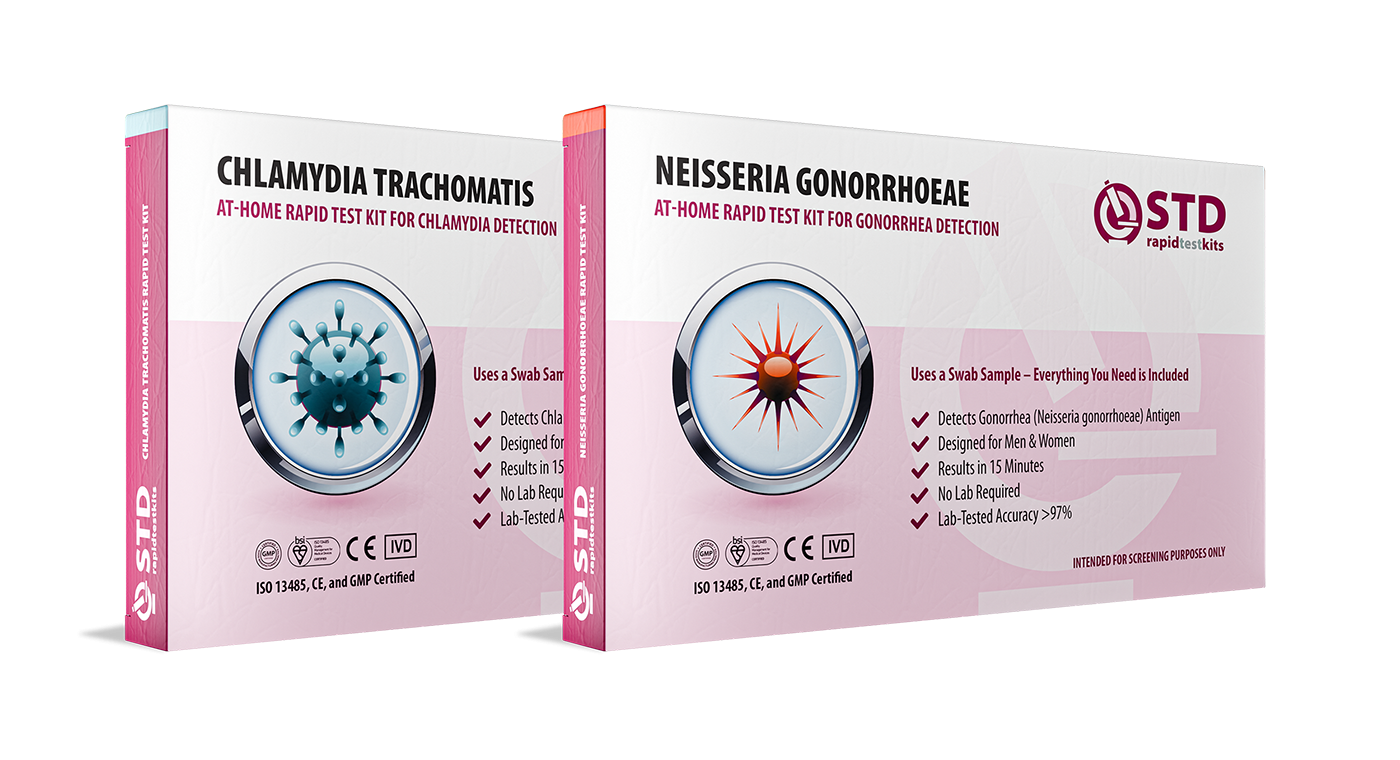 Claim Your Kit TodaySave 50%
 For Men & Women
 Results in Minutes
 No Lab Needed
 Private & Discreet
For all 2 tests
Syphilis
Although syphilis is not associated with causing infertility, the disease has profound implications for the reproductive health of an individual.
- Advanced, untreated syphilis causes systemic problems that could indirectly impinge on sperm production and quality.
- Progressive phases of the disease, such as neurosyphilis and cardiovascular syphilis, may result in the inability to maintain adequate reproductive function.
The eradication of syphilis and the preservation of fertility are based on prompt administration of antibiotics.
Human Papillomavirus (HPV)
Among the sexually transmitted infections, HPV is one of the most prevalent.
- While HPV does not directly cause harm to the sperm, it can lead to reproductive issues indirectly.
- Genital warts or lesions caused by HPV could affect sexual health and reproductive planning.
- Other studies suggest HPV can affect DNA integrity and sperm motility, though further research is needed.
Vaccination and regular screening for HPV infection can prevent these risks.
Why Early Detection and Treatment Are Important
Diseases could exert negative impacts on sperm quality via various aspects:
- Motility disturbance or structural damage of the reproductive tract.
- The probability of maintaining fertility increases with earlier diagnoses and treatments, avoiding irreparable injury.
Symptoms to Watch For
Although most STDs often do not show symptoms, men should look out for:
- Discharge from the penis or painful urination.
- The testicles becoming swollen or tender.
- Pains in the lower abdomen.
Even so, these symptoms could mean that there is an STD; regular testing still remains the surest way of detecting infections before they become problematic.
Prevention and Testing for Sperm Diseases
Testing for STDs is a common practice that comes under the realm of protection of one's reproductive health. Testing for an STD in the comfort of your home is far less bothering than seeing a doctor discreetly. Peace of mind with these easy-to-operate tools will deliver accurate results.
Safety Precautions
- Latex condom use may further significantly reduce the risk of sexually transmitted disease (STDs).
- There should be no taboo in discussing sexual history or testing with a partner.
On-Time Treatment
The earlier the detection and treatment of sexually transmitted diseases, the lesser permanent harm it causes to the sperm and the reproductive system. Consult the doctor at the earliest suspicion of any infection.
Lead a Healthy Lifestyle
Eating well, exercising often, and avoiding smoking and too much drinking contribute to conceiving easily. A body with a good immune system can fight off many forms of illnesses or diseases more effectively.

How Sexually Transmitted Diseases Affect Fertility
There is a significant amount of evidence linking STDs with reduced male fertility, and infections in general have an adverse effect on reproductive health. The extent to which sexually transmitted diseases can affect sperm and fertility is reflected in the following statistics:
- While this number is not definite, studies put the figure at a possible 30 percent of the infectious causes of male infertility. This mainly stems from the fact that chlamydia could cause irritation and subsequent scarring of the epididymis and blockage of the pathway in which sperm pass through. Unhealed chlamydia aggravates male infertility as it increases the risks of DNA fragmentation and loss of sperm motility.
- It has been recorded that an untreated case of gonorrhea can reduce the sperm count in a man by 15–20%. It is also known that sperm quality is affected due to chronic infections, which makes it harder to conceive. The long-term consequences of gonorrhea, including prostatitis and epididymitis, have a negative impact on one's reproductive health.
- Fifty percent of men whose infertility was caused by an STD never knew they had a disease until the diagnosis of infertility. Because most STDs have few symptoms, frequent testing for these infections—particularly chlamydia and gonorrhea—is the only sure way to detect them. Because many people are not aware they are infected, they are less likely to receive timely medical treatment to prevent reproductive damage.
- The estimated prevalence is 10-15% in men of reproductive age worldwide, to which infections like chlamydia and gonorrhea contribute. As these figures show, sexually transmitted diseases, when left untreated, have far-reaching consequences on reproductive health.
- Public health experts believe that this may reduce up to 40% of the cases of infertility caused by sexually transmitted diseases if testing was routine and treatment was instituted in a timely manner. In the light of this, it becomes obvious that education and easily accessible testing alternatives are paramount to diminish the toll of sexually transmitted diseases on fertility.
Hepatitis C Virus and Fertility
More research is needed, but new evidence suggests that human papillomavirus infections can impact sperm motility and DNA integrity under certain conditions. One cannot rule out the fact that HPV, being one of the most prevalent STDs worldwide, has an impact on fertility.
Order Now $33.99 $49.00 Check Your STD Status in Minutes
Test at Home with Remedium
Hepatitis C Test Kit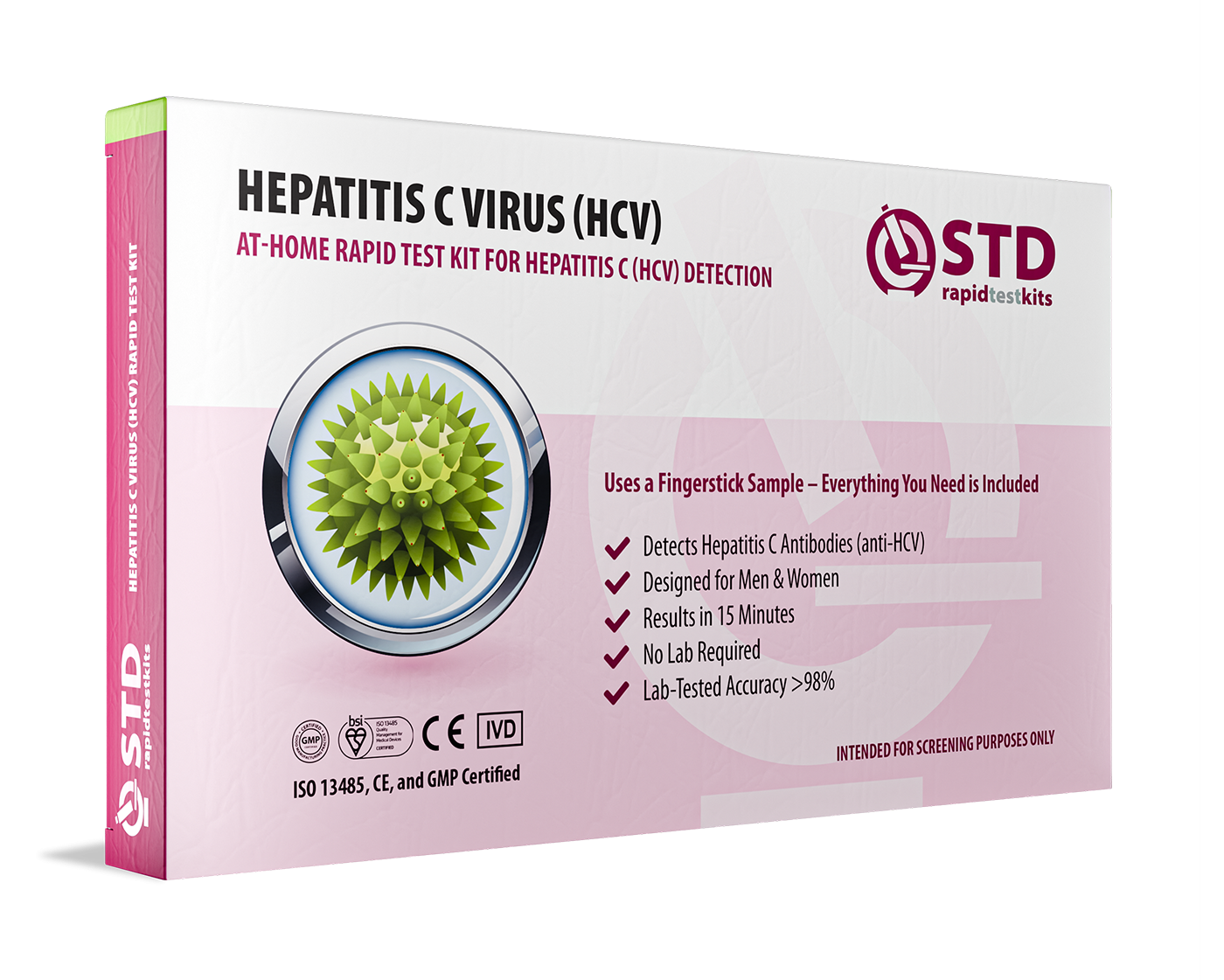 Claim Your Kit TodaySave 31%For Men & WomenResults in MinutesNo Lab NeededPrivate & Discreet
Arguments For Routine Evaluation and Counseling
These figures point to the importance of preventive sexual health education and regular testing for STDs. Males should see the doctor as soon as possible in cases of infection to preserve fertility and reduce the risk of long-term complications. With the proliferation of at-home STD test kits, men have more control than ever before over their reproductive health monitoring needs.
FAQs
1.- Are all sexually transmitted diseases capable of affecting the health of sperm?
Not all sexually transmitted diseases are a threat to male fertility, but bacterial infections such as chlamydia and gonorrhea are.
2.- How may these sexually transmitted diseases affect sperm motility?
The sperm motility is affected due to inflammation and damage to epididyma caused by infections.
3.- Can an individual conceive again if suffering from an STD?
Although most STDs are treatable with early medication, complications of some untreated or long-term infections can be quite shocking.
4.- When should men get tested for sexually transmitted diseases?
Testing for men who are sexually active, or more often if they have multiple sexual partners or use protection during sex.
5.- How reliable is the STD self-testing kit available for home testing?
When it comes to routine monitoring, there is no better option than FDA-approved at-home kits because of their great accuracy and privacy.
6.- Is the health of sperm affected by HPV?
Although HPV does not cause harm to sperm in and of itself, it can exacerbate problems with reproductive health.
7.- Is it possible for HIV/AIDS to induce infertility if left untreated?
Diseases of chlamydia and gonorrhea, if left untreated, can lead to scarring and permanent destruction of reproductive organs.
8.- What do I do after I have received the results of an STD test?
Seek immediate medical attention to prevent the spread of the disease, and inform your partner(s).
9.- Is there a way to make sperm healthier?
Yes, leading a healthy lifestyle will not only improve sperm quality but also enhance immunological function.
10.- Can asymptomatic STDs lead to infertility?
No, this has to be checked on a regular basis as many STDs never show up and give any symptoms.
Take Responsibility for Maintaining Your Fertility
While sexually transmitted diseases are an unseen danger to sperm quality, they can be prevented by being regularly tested for them, practicing safe behavior, and treating them as soon as possible. It has never been easier and more private to monitor your reproductive health than it is now with home STD test kits. For your future peace of mind and health, don't wait for these illnesses to remain undetected anymore. Take action.
Sources
1.- Centers for Disease Control and Prevention (CDC)
2.- World Health Organization (WHO)
3.- National Institutes of Health (NIH)


